From Farm to Flame: A Deep Dive into Isle of Food’s Tropical Culinary VR Experience
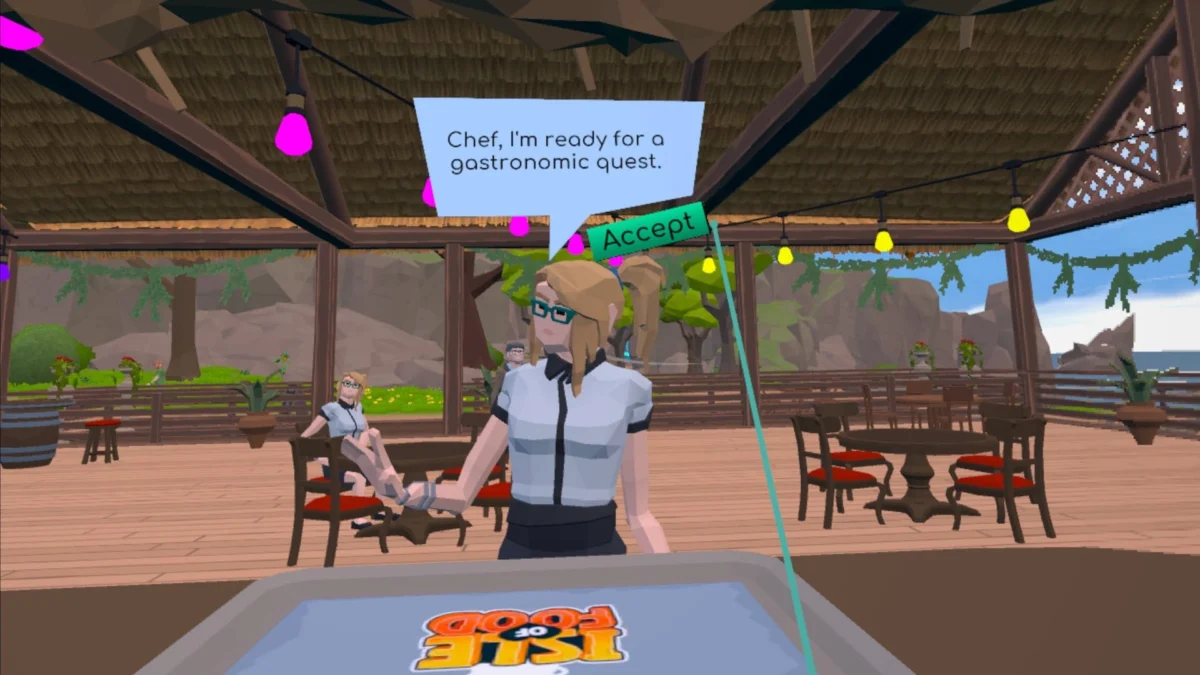
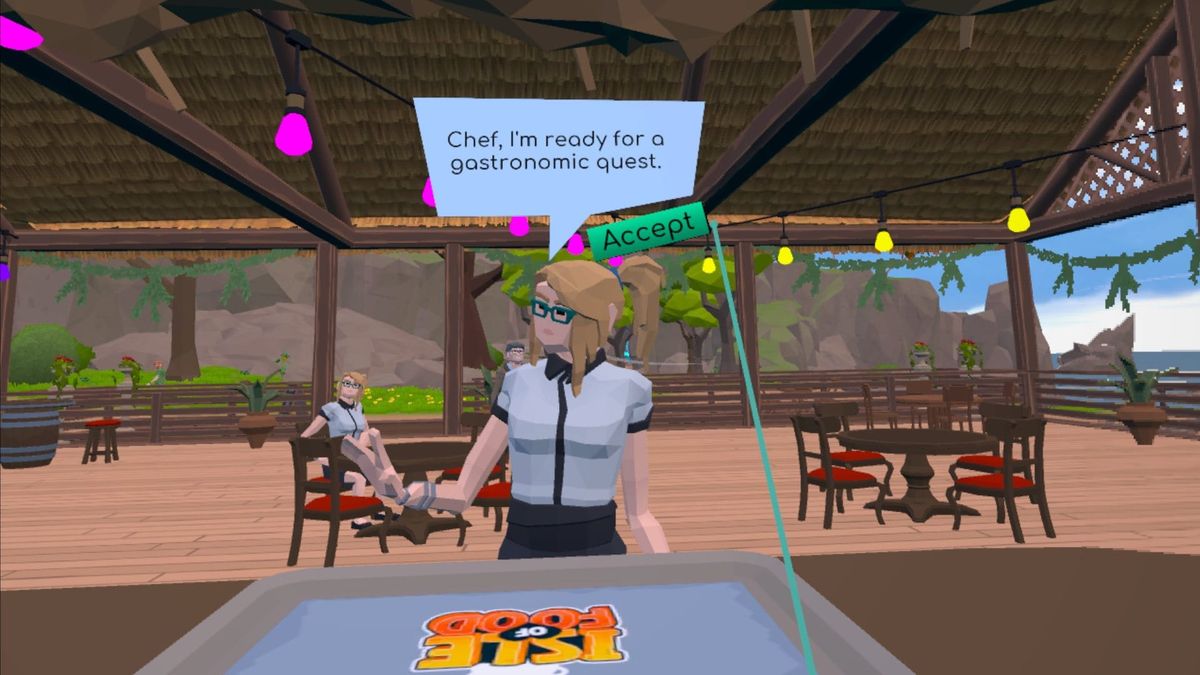
The landscape of virtual reality (VR) gaming has long been dominated by high-octane shooters and rhythm-based exercises. However, a quieter, more tactile revolution is taking place in the simulation genre. The latest entry to make waves in this space is Isle of Food, a title that recently transitioned from a period of Early Access on Steam to a full release on the Meta Quest platform. Developed by Svaiy Art Industries and published by Istifa Games, the title attempts to bridge the gap between a survival-lite foraging adventure and a high-pressure restaurant simulator.
By leveraging the inherent physicality of VR, Isle of Food offers a gameplay loop that turns mundane tasks—like slicing an apple or reeling in a fish—into rewarding mechanical feats. While it retains some of the "jank" often associated with ambitious indie VR projects, its charm and dual-layered gameplay provide a compelling argument for the future of "cozy" simulation in immersive spaces.
1. The Facts: Project Overview
Before diving into the mechanical nuances and environmental storytelling of Isle of Food, it is essential to understand the foundational data of the release:
- Isle of Food
- Developer: Svaiy Art Industries
- Publisher: Istifa Games
- Core Genre: Cooking Simulator / Resource Collection Adventure
- Platforms: Meta Quest (Full Release), SteamVR (Early Access)
- Price Point: $19.99 USD
- Key Mechanics: Physicalized cooking (chopping, grilling, blending), hunting (bow/slingshot), foraging, and business management (upgrading furniture/unlocking recipes).
- Release Status: The game is currently available for purchase on the Meta Store and Steam, marking a significant milestone in its development lifecycle as it moves toward a broader consumer audience.
2. Chronology: From Steam Early Access to Quest Launch
The journey of Isle of Food follows a trajectory common among modern VR titles: a period of community-driven refinement followed by a leap to standalone hardware.
The Early Access Phase
Initially appearing on SteamVR, Isle of Food served as a testing ground for Svaiy Art Industries. During this period, the developers focused on the core physics of the cooking engine. In VR, "physics-based" interactions are notoriously difficult to perfect; objects often clip through counters, or knives fail to register a "slice." The Early Access phase allowed the team to gather telemetry on how players interacted with the kitchen environment and the surrounding island.
The Transition to Meta Quest
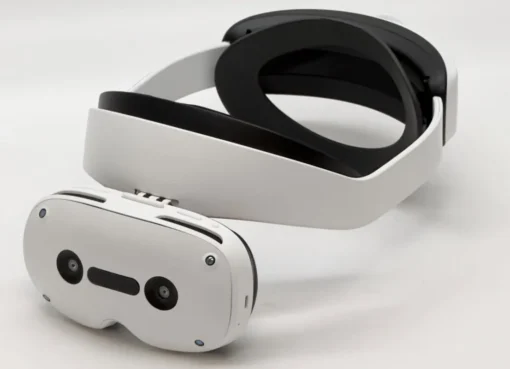
The move to the Meta Quest ecosystem represents a strategic pivot toward the largest segment of the VR market. Standalone VR users typically look for "pick-up-and-play" experiences that offer depth without requiring a high-end gaming PC. The Quest launch brought with it optimized performance for the mobile chipset, though as noted in early reviews, this optimization came with trade-offs in graphical fidelity, such as peripheral "pop-in" and simplified textures compared to the PCVR version.
Post-Launch Refinement
Since the Quest launch, the focus has shifted from core mechanics to stability. The developers have acknowledged the need for "quality of life" patches, specifically regarding player movement and "unstuck" features, as the dense geometry of the tropical island can occasionally trap players in the environment.
3. Supporting Data: The Mechanics of a Dual-Phased Loop
The success of Isle of Food rests on its ability to balance two distinct styles of gameplay: the frantic "Kitchen Rush" and the meditative "Wilderness Scavenge."
Phase One: The Forager’s Journey
Unlike traditional cooking games where ingredients appear in a bottomless pantry, Isle of Food requires players to be active participants in the ecosystem.
- Agriculture: Players must physically plant seeds, water them, and harvest crops like potatoes and tomatoes using tools such as shovels.
- Hunting and Fishing: Protein is not bought; it is hunted. Using a VR-controlled bow or slingshot, players must track deer or cows. Fishing requires a physical casting motion, adding a layer of skill to the gathering process.
- The Utility Wristwatch: To streamline the experience, the game employs a "magic wristwatch" UI. With a simple click, the player can swap between a fishing rod, a shovel, or a weapon, removing the need for clunky menu navigation.
Phase Two: The Culinary Pressure Cooker
Once the backpack is full, the game transitions into a restaurant management sim.
- Recipe Progression: The game features a leveling system that spans seven tiers of culinary complexity. Players start with simple tasks—like grilling a sliced apple—and progress to multi-ingredient cocktails and complex entrees.
- The Physicality of Cooking: The kitchen is equipped with a grill, oven, and blender. The "VR magic" happens here: players must manually chop ingredients into specific portions (e.g., five slices for an apple) to satisfy the cookbook’s requirements.
- Customer Satisfaction: Success is measured by speed and accuracy. Happy customers grant experience points (XP), which are the primary currency for growth.
The Economic Meta-Game
The money earned from hungry tourists isn’t just for show. Players use a "futuristic 3D printer" to craft furniture and kitchen upgrades. This customization element serves as the primary "hook" for long-term play, as different furniture styles can attract diverse customer types, further expanding the restaurant’s prestige.
4. Environmental Lore and Official Responses
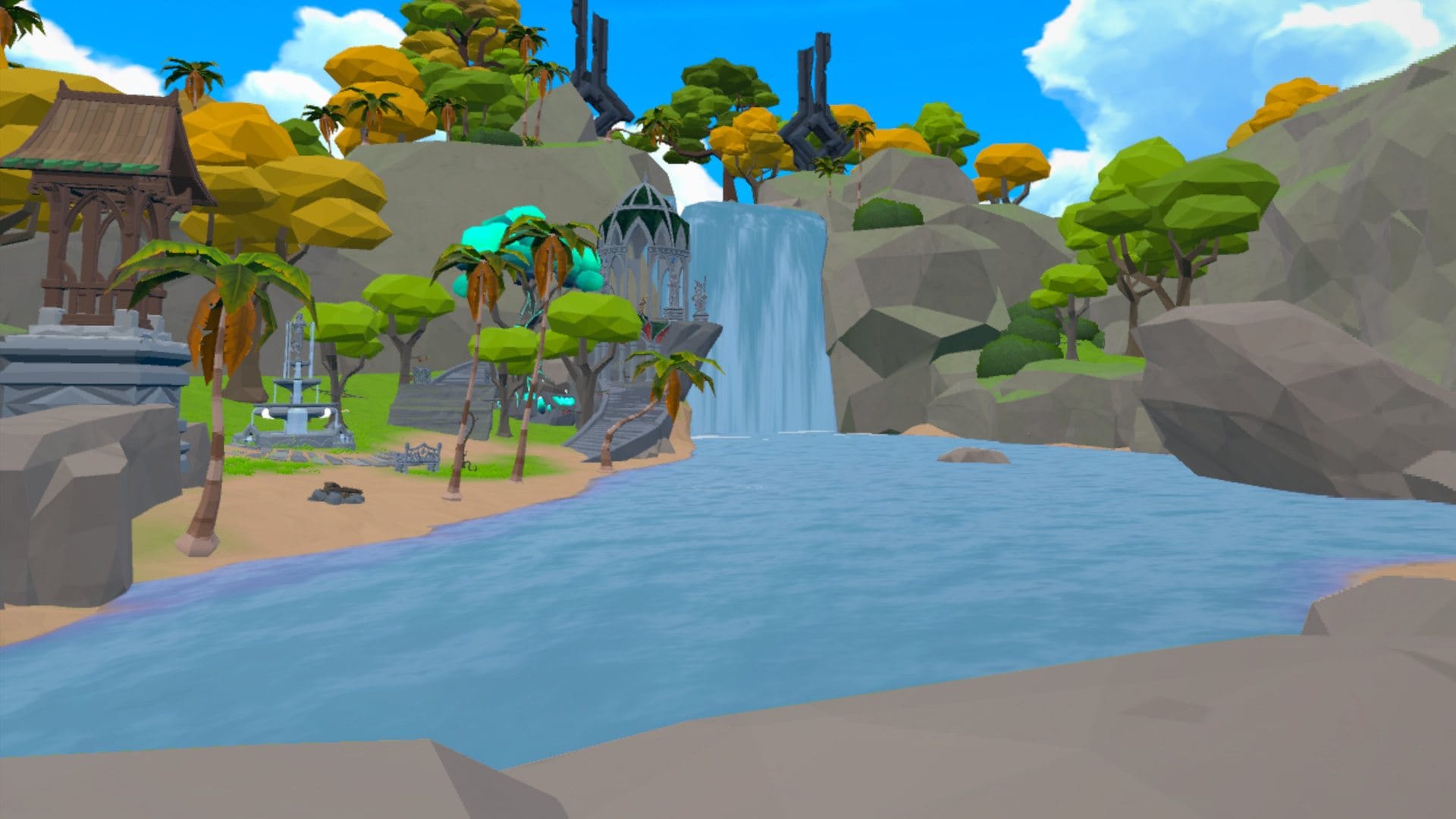
One of the most intriguing aspects of Isle of Food—and one that sets it apart from sterile simulators like Cooking Simulator VR—is its setting. The island is not merely a backdrop; it is a character in itself.

The Mystery of the Island
Scattered across the tropical paradise are hints of a deeper narrative. Players have reported finding:
- Ancient Ruins: Elaborate thrones belonging to lost civilizations.
- Mythical References: A sword stuck in a stone, reminiscent of Excalibur.
- Supernatural Elements: Giant glowing crystals that appear near rare ingredients like grapes.
While the developer, Svaiy Art Industries, has primarily focused on the simulation aspects in their official communications, the presence of these assets suggests a potential expansion into adventure or combat-heavy DLC. In official community forums, the developers have hinted that the island "holds more secrets than just recipes," encouraging players to explore the map’s furthest reaches.
Technical Limitations and Official Stance
The developer has been transparent about the hurdles of developing for standalone VR. Issues such as "peripheral pop-in"—where objects appear only when the player looks directly at them—are a result of aggressive foveated rendering used to keep the Quest’s frame rate stable. While there is no official "unstuck" button yet, the team has signaled that player feedback regarding technical glitches is being integrated into upcoming patches.
5. Implications: The Future of "Physicalized" Simulation
The release of Isle of Food carries broader implications for the VR industry and the simulation genre at large.
1. The "Cozy" Trend in VR
For years, VR was marketed as a "thrill" medium. However, the success of titles like Isle of Food suggests that there is a massive appetite for "cozy" gaming—experiences that focus on rhythm, domesticity, and low-stakes creativity. By removing fall damage, stamina bars, and "game over" screens, the developers have prioritized player comfort and relaxation over traditional challenge.
2. Physicality as the New Standard
The "hand-to-object" interaction in Isle of Food (such as grabbing a hot vegetable with your bare hand rather than a spatula) highlights a shift in VR design philosophy. Developers are increasingly realizing that "fun" often trumps "realism." If a player finds it more satisfying to toss a steak onto a plate by hand, the game should allow it. This "semi-realistic" approach lowers the barrier to entry for non-gamers.
3. The Standalone Hardware Hurdle
Isle of Food serves as a case study for the "Quest Bottleneck." While the game is a "delicious dish" in terms of content, its technical flaws remind us that mobile processors still struggle with dense, open-world environments in VR. As hardware like the Quest 3 and future iterations become the standard, the gap between the developer’s vision and technical execution will likely close.
4. Accessibility and Inclusion
The inclusion of a "Seated Mode" and various comfort vignettes (tunneling) in Isle of Food is an industry-standard practice that ensures the game is accessible to those prone to motion sickness. However, the lack of a teleportation movement option remains a hurdle for a small segment of the population, indicating that even "full releases" must continue to iterate on accessibility.
Conclusion: A Dish Worth Tasting
Isle of Food is an ambitious, if slightly unpolished, addition to the Meta Quest library. It succeeds because it understands the core appeal of VR: the ability to exist in a space where your physical actions have immediate, tangible consequences. Whether you are scaling a palm tree for coconuts or meticulously decorating a tropical cocktail with a tiny umbrella, the game provides a sense of presence that flat-screen simulators cannot match.
While the "technical ingredients" could use a bit more time in the oven to smooth out the bugs and pop-in, the core gameplay loop is robust and engaging. For $19.99, it offers a refreshing blend of exploration and entrepreneurship that suggests the "Isle" has plenty of room to grow. For fans of the genre, it is a journey worth taking—just be prepared to occasionally get your hands dirty in the pursuit of the perfect dish.