The Phoenix Rises: Can a Reborn Twitter Resurrect the Spirit of Social Media?
Introduction: A Ghost of the Internet’s Past Reimagined
The digital landscape is abuzz with a curious development: the return of a name that once dominated online discourse. Twitter, the platform that defined microblogging and served as the world’s digital town square, has, in a sense, been reborn. Not as the monolithic entity once known, but as a fledgling startup named Twitter.now, spearheaded by a company called Operation Bluebird. This ambitious venture aims to reclaim the iconic bird logo and the very essence of what made Twitter so captivating, promising a social media experience built on greater trust and user control. This move comes in the wake of a tumultuous period for the original platform, now rebranded as X, which has seen its once-cherished identity dismantled and its core functionalities questioned. The question on everyone’s mind: can this new iteration of Twitter truly capture the magic of its predecessor, or is it merely a nostalgic echo in a constantly evolving digital world?
The Fading Echo of a Digital Giant
For years, Twitter was more than just a social media platform; it was a pulsating nexus of real-time information, a breeding ground for viral trends, and a unique stage where a diverse cast of characters – from seasoned journalists and witty comedians to global celebrities and everyday citizens – converged. It facilitated the rapid dissemination of breaking news, fostered passionate debates, and even provided a canvas for the unexpectedly profound, all within the confines of 280 characters. This chaotic, yet undeniably vibrant, ecosystem fostered a sense of connection and immediacy that few platforms could replicate.
However, this digital utopia began to fray. The insidious creep of bots and misinformation eroded user trust. Algorithmic biases, once subtle, became more pronounced, leading to echo chambers and fractured discourse. A series of mass layoffs saw a significant exodus of key personnel, impacting the platform’s operational integrity and content moderation capabilities. The introduction of paid verification, initially intended to combat impersonation, instead blurred the lines between genuine authority and purchased influence, further diminishing credibility.
Then came the most seismic shift: the acquisition by Elon Musk and the subsequent rebranding to "X." This was envisioned as a transformation into an "everything app," a Swiss Army knife of digital services. Yet, for many, the transition has felt less like an evolution and more like an obliteration of a beloved brand. The iconic blue bird, a globally recognized symbol of instant communication, was unceremoniously retired, replaced by a stark, minimalist "X." This drastic rebranding, widely criticized as an "edgy" and ultimately detrimental move, discarded one of the most recognizable digital brands in modern history, leaving a void in the social media landscape. The original platform’s trajectory has been marked by a decline in user experience and a perceived loss of its original purpose, prompting a search for viable alternatives.

The Emergence of a Challenger: Twitter.now
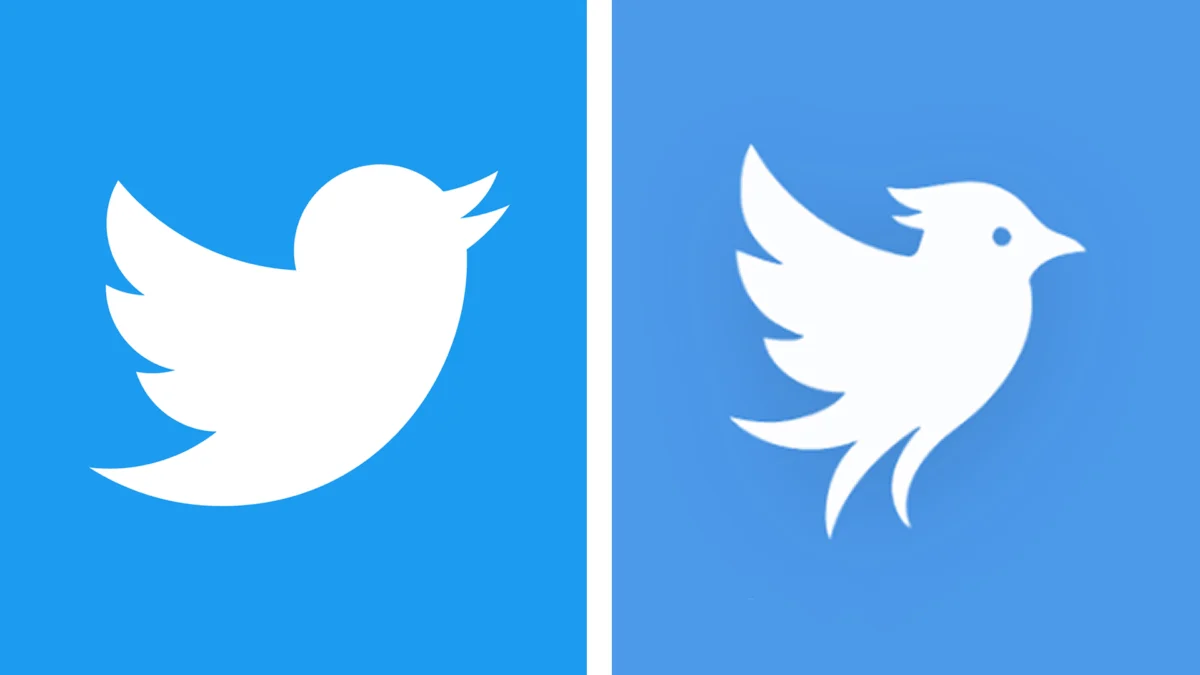
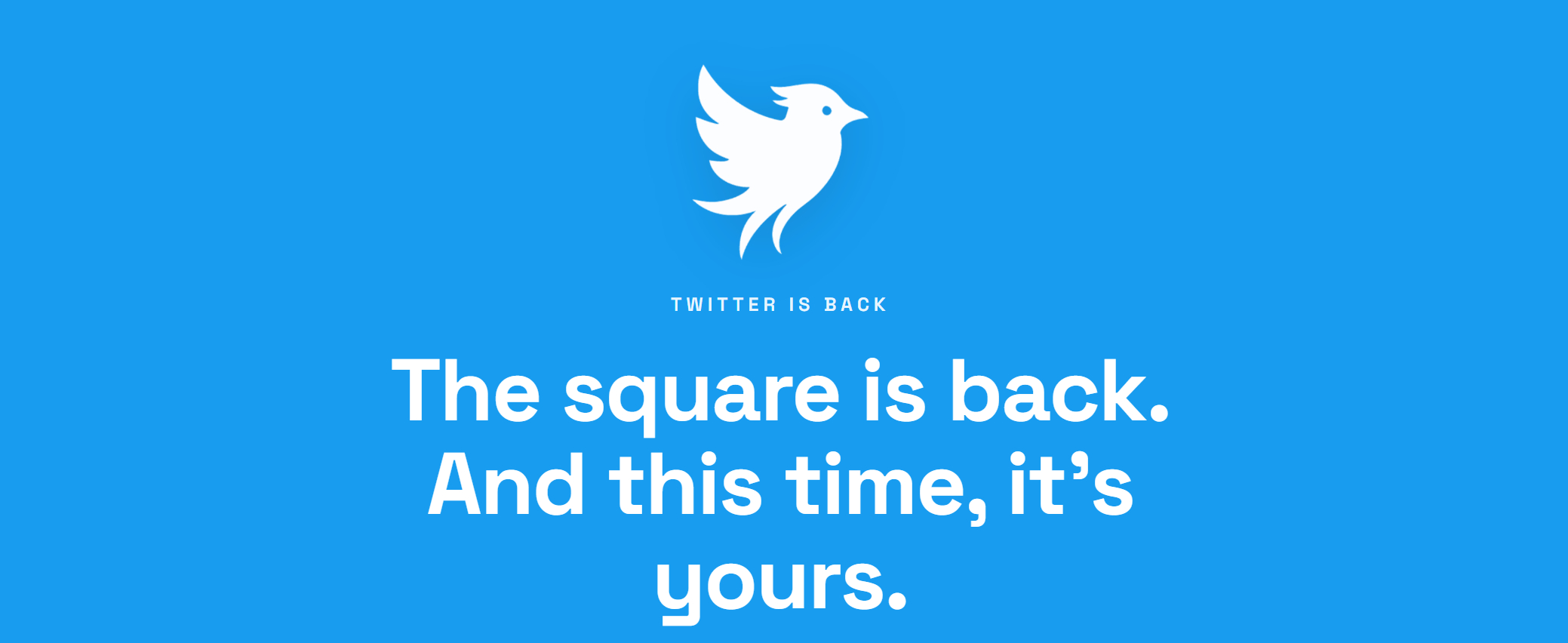
Amidst this digital upheaval, a new contender has emerged, daring to invoke the ghost of social media past. Operation Bluebird, a Virginia-based startup, has launched Twitter.now, a platform that consciously resurrects the branding and, it hopes, the spirit of the original Twitter. Their mission is audacious: to rebuild social media with an emphasis on enhanced trust and a more controlled user experience. The platform proudly displays the familiar blue color palette and, most strikingly, the iconic bird logo, positioning itself as a "reclaimed brand."
This bold move hinges on a legal argument: that the intellectual property rights to the "Twitter" name and associated trademarks were effectively abandoned when Elon Musk acquired the original platform in 2022 and rebranded it as X. Operation Bluebird asserts that this abandonment opens the door for them to legally reappropriate the brand.
Adding significant weight to this claim is the background of one of Operation Bluebird’s founders, Stephen Coates. Coates boasts an impressive tenure at the original Twitter, serving as its Associate Director of Trademarks, Domain Names, and Marketing from early 2014 to August 2016, before transitioning to Amazon. His intimate knowledge of Twitter’s brand management and intellectual property strategy lends considerable credibility to Operation Bluebird’s assertion of brand abandonment.
However, this ambitious revival has not gone unnoticed. X, the entity that now owns the former Twitter, has initiated legal proceedings, suing Operation Bluebird in Delaware. X is seeking a preliminary injunction to halt Twitter.now’s operations, arguing that the new platform is infringing upon their intellectual property. While the court has yet to issue a final written order, a tentative ruling in April by District Court Judge Colm Connolly suggested that Operation Bluebird might indeed have a legitimate case, offering a glimmer of hope for the fledgling platform.
Reimagining the Social Contract: Trust and Control at the Forefront
Stephen Coates, speaking on behalf of Operation Bluebird, is quick to clarify that Twitter.Now is not an attempt to replicate the defunct platform. Instead, the vision is to construct a fundamentally different social media model, one that directly addresses the prevalent criticisms leveled against existing major social networks. The core of this new paradigm lies in empowering users with greater agency over their digital experience.

A key innovation is the introduction of a "Trust Dial." Unlike the opaque algorithms that currently dictate content visibility on most platforms, Twitter.Now will allow users to actively manage what they see. By assigning trust levels to other users, individuals can curate their feeds, prioritizing content from sources they deem reliable and filtering out those they do not. This shift moves away from a system where content is pushed to users, towards one where users pull content based on their own judgment and preferences.
While the interface may bear a superficial resemblance to the familiar Twitter layout, with its recognizable tweet and reply mechanisms, the underlying functionality is distinct. Posts are augmented with trust signals, and the aforementioned "Trust Dial" provides a tangible control mechanism for users to shape their content consumption.
Beyond user-driven content curation, Twitter.Now is also incorporating advanced technological solutions to combat misinformation. The platform is piloting a fact-checking tool named Vera, powered by Google Gemini. This AI-driven system operates in real-time on every tweet, automatically analyzing and flagging potentially false information. This proactive approach aims to create a more trustworthy environment, where the spread of disinformation is actively curtailed.
Coates encapsulates this philosophy in a LinkedIn post: "Our governing principle is simple: freedom of speech, not freedom of reach." This statement highlights a critical distinction they aim to draw: ensuring that individuals have the right to express themselves, while simultaneously providing users with the tools to control the amplification and visibility of that speech within their own experience.
Navigating the Financial and Legal Minefield
The path to establishing Twitter.Now is not without its financial and legal hurdles. Currently, access to the platform is limited to "Early Access Founders," who pay $20 for registration, and "Fighters," who pay $40. Operation Bluebird justifies these fees as essential for maintaining independence, building the platform, deterring bots, and crucially, funding their legal defense against X. This initial revenue stream is vital for sustaining the company during its nascent stages.
The company intends to open the platform to a wider audience in the future, though the pricing model for general access remains unclear. For now, the user base is relatively small, numbering only in the hundreds. This controlled rollout, similar to the initial limited access of Bluesky, is a strategic move designed to allow the platform to manage its infrastructure effectively, build out its capabilities, and rigorously test its features without being overwhelmed.
The ultimate test for Twitter.Now lies in its ability to leverage the enduring power of the "Twitter" name. The success of reviving defunct brands, such as Polaroid and Atari, has often been driven by a strong sense of nostalgia. However, the realm of social media is a different beast. The lukewarm reception to past attempts to revive platforms like Myspace suggests that nostalgia alone may not be a sufficient catalyst for widespread adoption in this sector.
Nevertheless, the sheer volume of media attention surrounding the launch of the new Twitter indicates that the brand still carries significant weight and public interest. Furthermore, the platform is likely to attract a segment of users eager to express their dissatisfaction with Elon Musk’s ownership and management of X, providing a built-in, albeit unconventional, marketing boost.
The Lingering Question: Can Authenticity Trump Brand Recognition?
The most significant challenge facing X, and by extension, the new Twitter, is not the brand name itself. The exodus of users and advertisers from the original platform was largely driven by dissatisfaction with Musk’s ownership, his evolving content policies, and what many perceived as chaotic and unpredictable management. These are fundamental issues that transcend brand loyalty.
For Twitter.Now to succeed, it must demonstrate that it can cultivate a social platform that feels genuinely social, rather than anti-social. This means fostering a community where users feel safe, respected, and engaged. The focus on trust, control, and robust fact-checking mechanisms are promising first steps. However, the true measure of success will be its ability to build a sustainable, ethical, and user-centric social media ecosystem that can capture the hearts and minds of a discerning online populace. The phoenix may have risen, but its flight will be closely watched.