The Art of the Impossible: How Furry Puppet Studio and the Henson Lineage Redefine Modern Surrealism
In an era dominated by pixels and generative algorithms, a quiet revolution of foam, latex, and "dream fleece" is taking place in a studio in SoHo, Manhattan. Furry Puppet Studio, a design house dedicated to the handcrafted creation of custom puppets and creatures, occupies a unique niche in the contemporary art world. While their work often appears in commercial contexts—music videos, national television broadcasts, and global advertising campaigns—their output is increasingly recognized not merely as prop-making, but as a sophisticated continuation of the surrealist movement.
By bridging the gap between the tactile traditions of Jim Henson and the avant-garde provocations of André Breton, Furry Puppet Studio and its contemporaries, such as Providence’s Big Nazo, are proving that the most profound "unreality" is often that which we can physically touch.
Main Facts: The Intersection of Fabric and Philosophy
Furry Puppet Studio describes its work as "pretty unusual," a modest self-assessment for a facility that functions as a laboratory for the uncanny. Founded by Zack Buchman, the studio operates on the principle that puppetry is a medium of "the marvelous"—the surrealist concept of inserting the impossible into the mundane.

The studio’s portfolio reads like a fever dream of 21st-century pop culture:
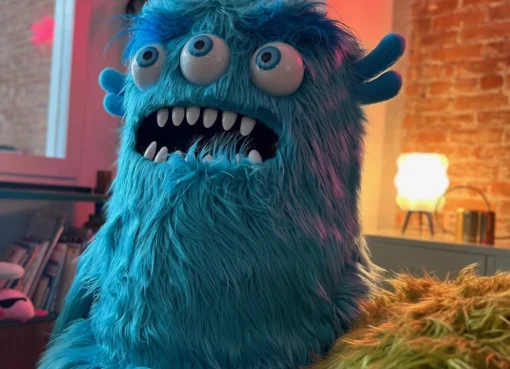
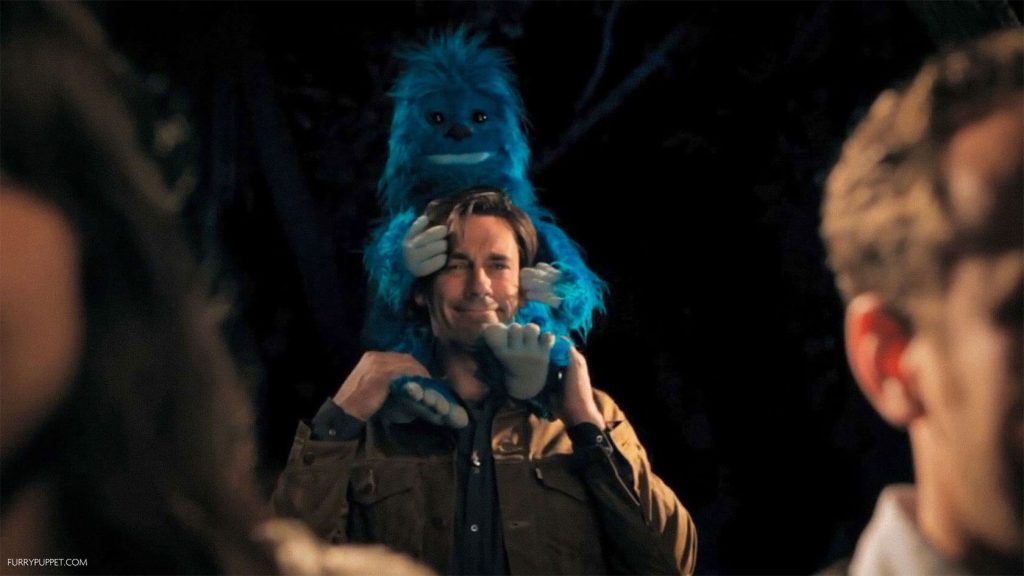
- The Yeti of the Roadside: A lovelorn, blue-furred creature created for a Herman Düne music video featuring actor Jon Hamm. The character’s stillness and physical presence on a dark road evoke a sense of "unremarkable marvelousness," where the creature is treated as a natural part of the environment.
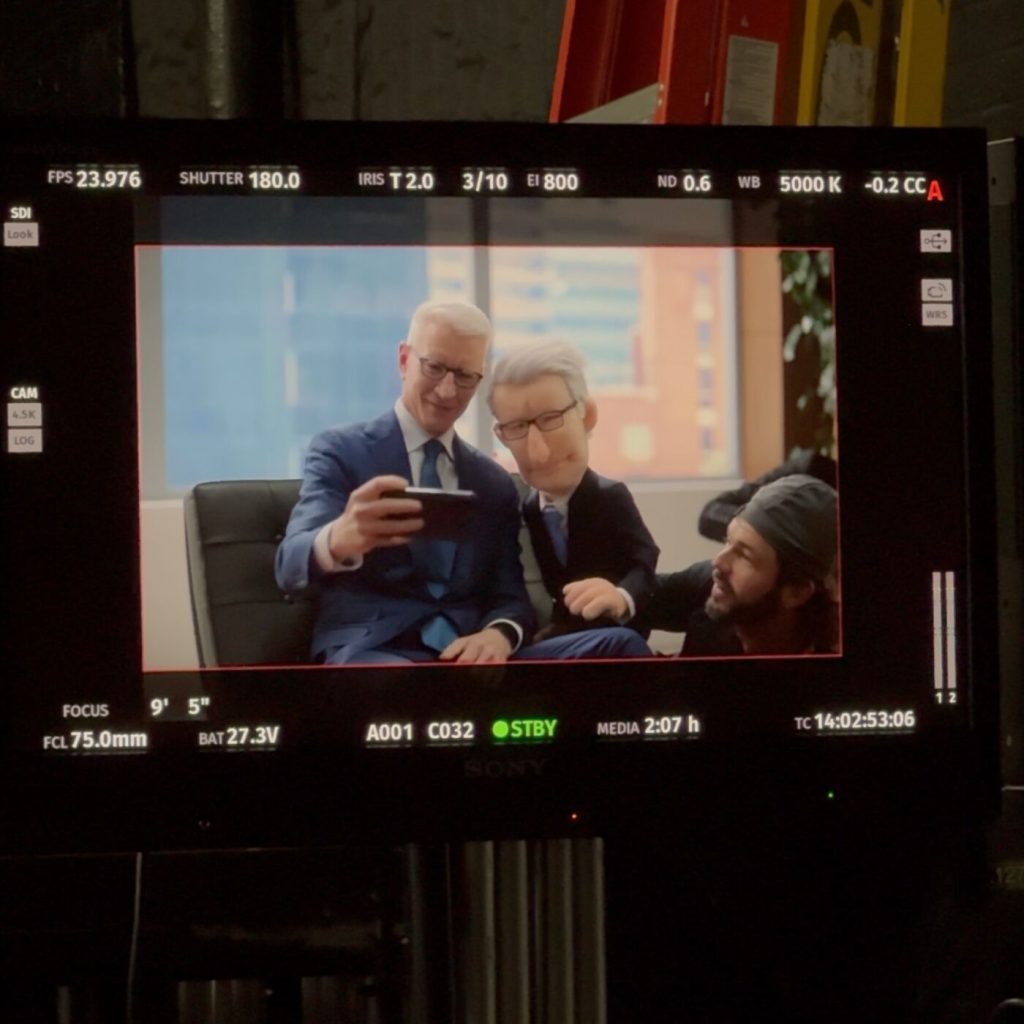
- The Doppelgänger Effect: For CNN’s New Year’s Eve broadcast, the studio produced hyper-realistic puppet doubles of Anderson Cooper and Andy Cohen. These creations tapped into the Freudian "uncanny," where the replica and the original share the same space, blurring the lines of identity.
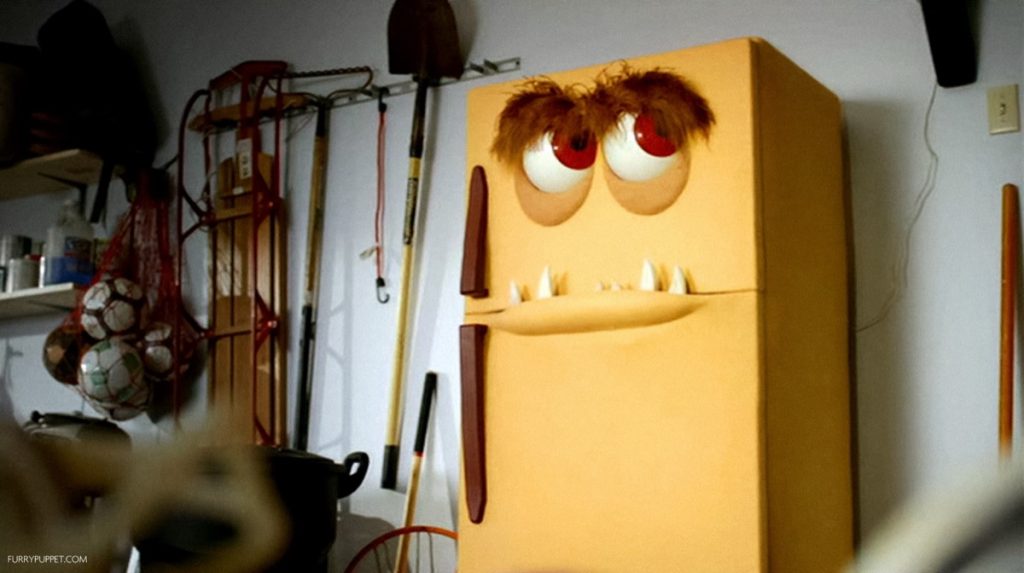
- Mechanical Animism: From refrigerators with heavy eyelids and bushy brows to oversized, one-eyed monster families, the studio specializes in "animating the everyday object"—a classic surrealist trope popularized by artists like Salvador Dalí and Meret Oppenheim.
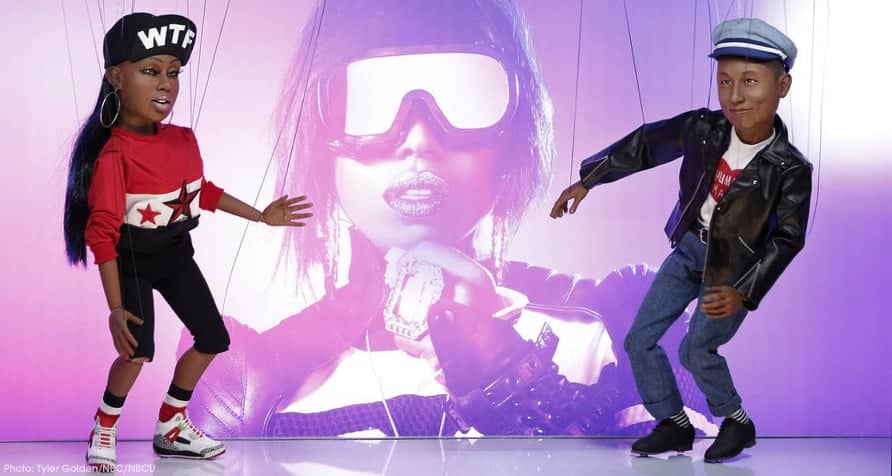
- Engineering the Performance: For Missy Elliott’s "WTF (Where They From)" music video, the studio reengineered the internal mechanics of marionettes so that professional street dancers could "drive" them, translating human kinetic energy into puppet movement.
Chronology: From Experimental Film to Street Ambush
To understand why a SoHo puppet studio belongs in a discussion about high art, one must trace the lineage of the medium from the mid-20th-century avant-garde to the present day.
1965–1982: The Henson Avant-Garde
Long before Sesame Street became a cultural institution, Jim Henson was an experimental filmmaker. In 1965, he produced Time Piece, a dialogue-free short film that was nominated for an Academy Award and screened at the Museum of Modern Art (MoMA). The film used jump cuts, rhythmic percussion, and non-sequitur imagery—such as a gorilla on a pogo stick and a cowboy shooting the Mona Lisa—to explore the passage of time. This era established the puppet as an instrument of the avant-garde, a tool for exploring the subconscious before it was ever a tool for childhood education.
1986: Big Nazo and the Public Ambush
In 1986, Erminio Pinque, a RISD-trained illustrator, founded Big Nazo in Providence, Rhode Island. Pinque’s vision was "a puppet show without a stage." By creating wearable, foam-fabricated alien creatures that roamed street parades and festivals, Big Nazo moved surrealism out of the gallery and into the path of the unsuspecting public. This "creature dance party" philosophy embraced the surrealist concept of automatism—the idea that accidents and chance encounters in the street yield more artistic truth than a controlled environment.
2000s–Present: The Furry Puppet Era
Under Zack Buchman’s leadership, Furry Puppet Studio has refined these traditions into a high-end design practice. By combining the experimental spirit of Henson with the public-facing energy of Big Nazo, Buchman has positioned the studio as a premier fabricator for the "uncanny." His decision to remain an outsider—having never attended college—allowed him to approach the craft without the baggage of traditional theatrical puppetry, focusing instead on the psychological impact of the creature’s gaze.
Supporting Data: The Mechanics of "Dream Fleece" and Hand-Carved Foam
The surreal impact of these creatures is not accidental; it is the result of rigorous, idiosyncratic technical processes. Unlike the digital effects industry, which relies on "undo" buttons and software patches, the work at Furry Puppet Studio is irreversible and tactile.
The Materiality of the Impossible
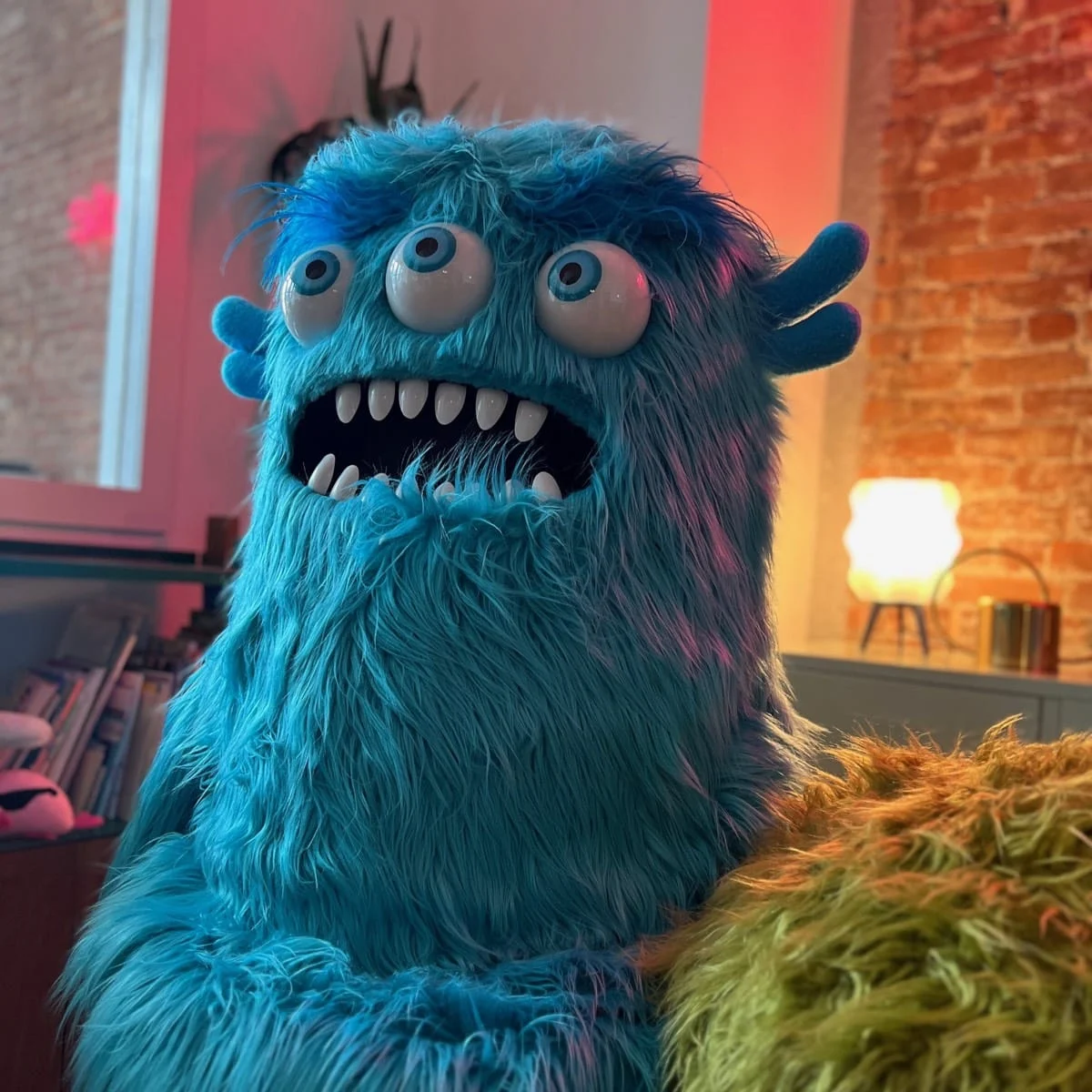
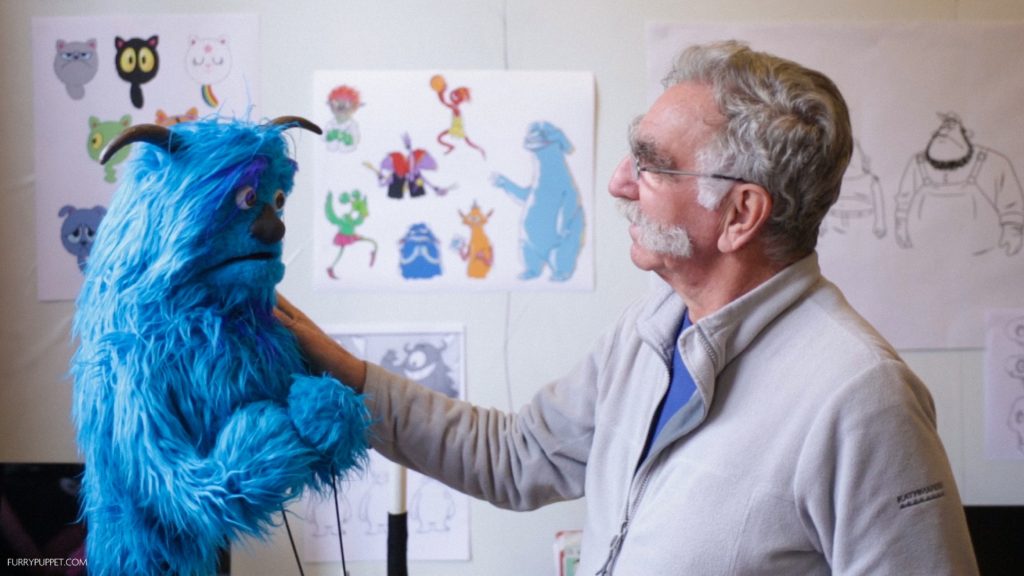
The studio manufactures its own proprietary fabric known as "dream fleece." This material is designed to catch light in a specific way, mimicking the organic texture of skin or fur while maintaining the "otherworldly" sheen necessary for a surrealist object. Every creature begins as a solid block of foam. A specialist, whom Buchman likens to a real-life Edward Scissorhands, carves the form by hand. In this process, every cut is permanent, requiring a level of confidence and "artistic nerve" that mirrors the high-stakes execution of a master oil painter.
The Hinge of Life: The Eyes
According to Buchman, the "hinge" of the entire process is the placement of the eyes. This is the final step in fabrication and the most critical. A fractional shift in the position of a 3D-printed eyeball can transform a creature’s temperament from menacing to inquisitive. It is at this precise moment that the "unconscious" object begins to look back at the viewer, fulfilling the surrealist goal of creating a being that has no right to exist but demands to be recognized as alive.
Official Responses: Perspectives from the Fabricators
The philosophy of the studio is best articulated by those who operate within its walls. The team is a cross-disciplinary collective, including mechanical engineers and legendary costume designer Polly Smith (the co-inventor of the sports bra). This diversity of expertise allows the studio to treat puppets as complex machines rather than simple toys.
Zack Buchman views the studio’s success through the lens of "disbelief." He notes that the goal is the exact instant the viewer’s brain stops hunting for the rods and wires and simply accepts the creature’s presence. "We do pretty unusual work," Buchman states, but he emphasizes that the "unusual" nature is grounded in a deep understanding of human psychology and the "Uncanny Valley"—a term coined by roboticist Masahiro Mori to describe the revulsion or attraction humans feel toward nearly-human objects.
Erminio Pinque of Big Nazo echoes this sentiment, suggesting that the power of the medium lies in its ability to be "wonderful in its failure." By moving creatures through the real world, the artist loses control, allowing the "marvelous" to erupt spontaneously—a core tenet of the original Surrealist Manifesto.
Implications: The Future of the Tactile in a Digital World
The continued relevance of Furry Puppet Studio and the Henson lineage carries significant implications for the future of visual media and art.
The Weight of Reality
As CGI becomes increasingly perfect, it ironically becomes less "real" to the human eye. Puppetry offers something digital renderings cannot: mass, warmth, and physical weight. The "surrealism you can hold" provided by Buchman and his team serves as a counter-narrative to the ephemeral nature of the digital age. The fact that an Anderson Cooper puppet or a blue yeti exists as a physical object in a SoHo room—occupying space and displacing air—gives it a psychological weight that a pixelated image lacks.
The Avant-Garde Instrument
The history of the puppet as an "avant-garde instrument" suggests that the medium is ripe for a resurgence in serious artistic circles. By stripping away the "cute" associations often found in children’s television, studios like Furry Puppet are reclaiming the puppet as a tool for exploring doppelgängers, animism, and the subconscious.
A Lesson for the New Creators
For those working in modern mediums—whether film, VR, or AI-generated art—the "foam carvers of SoHo" offer a vital lesson: the moment of "life" in an artwork is found in the imperfections and the intentionality of the gaze. The puppet makers’ three-quarters of a century of knowledge regarding the "uncanny" is now a foundational text for anyone attempting to conjure a creature out of any material, be it foam or code.
In conclusion, Furry Puppet Studio is not merely a vendor for the entertainment industry; it is a bastion of tactile surrealism. By maintaining a room filled with foam shavings, hand-sculpted eyes, and "dream fleece" on Broadway, they ensure that the "marvelous" remains a physical, breathing part of our modern landscape. As we look forward, the lineage from Henson to Buchman reminds us that to truly convince the mind of the impossible, you must first give it something to look at—and something that looks back.