The Blueprint of Imagination: How Concept Art World Shapes the Future of Global Entertainment
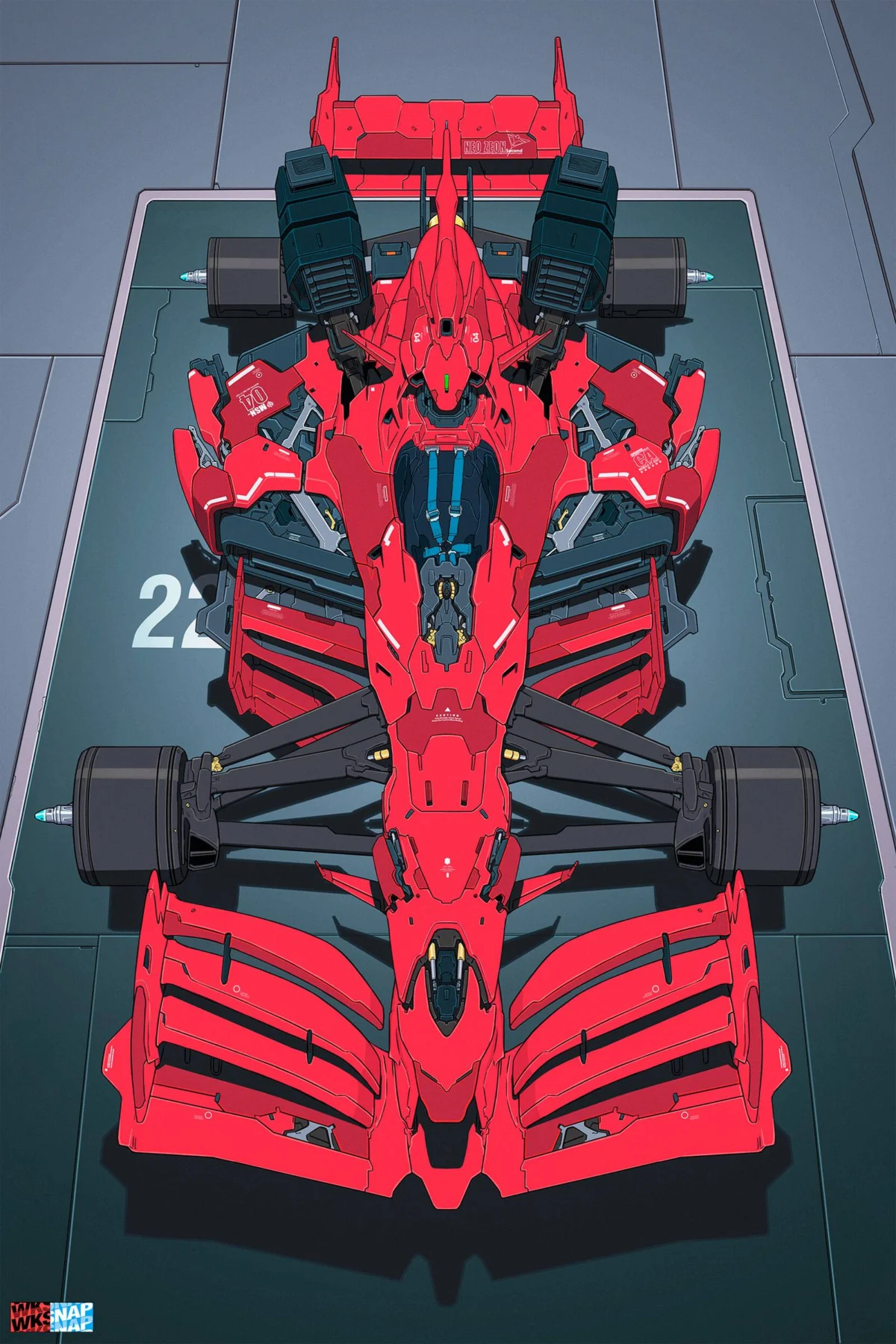
In the contemporary landscape of high-budget filmmaking, triple-A gaming, and cutting-edge animation, the initial spark of a project is rarely found in a script alone. Instead, it is forged in the digital brushes and charcoal strokes of concept artists. Concept Art World (CAW), a premier digital repository and industry watchdog, has recently highlighted a series of pivotal contributions from world-class artists that underscore the evolving nature of visual development. From the visceral, ancient landscapes of God of War: Ascension to the vibrant, stylized chaos of Madagascar 3: Europe’s Most Wanted, the work showcased by CAW serves as a testament to the human creativity that drives billion-dollar franchises.
As the industry grapples with the rapid integration of generative technology, CAW has also taken a definitive stand, implementing strict prohibitions against the use of its curated content for the training of Artificial Intelligence (AI) systems. This move highlights a growing tension between traditional artistry and technological automation, marking a significant moment in the chronology of digital media.
Main Facts: The Pillars of Visual Development
Concept Art World functions as more than just a gallery; it is a critical infrastructure for the entertainment industry. By featuring high-quality artwork, artist spotlights, and industry news, the platform provides a bridge between aspiring talent and seasoned professionals. The recent spotlighting of artists such as Saiful Haque, Anthony Jones, Travis Koller, and Eytan Zana illustrates the diverse range of styles required to sustain modern media.
The Role of the Concept Artist
A concept artist is tasked with "solving the visual problems" of a production before a single frame of film is shot or a line of code is written. They define the mood, the color palette, the architecture, and the character silhouettes. When CAW features the work of Anthony Jones for God of War: Ascension, they are showcasing the foundational visual language that defines one of Sony’s most successful intellectual properties. Similarly, the inclusion of Travis Koller’s work on Madagascar 3 highlights the technical rigor required for high-end character-driven animation.
The Anti-AI Directive
A core fact emerging from CAW’s recent updates is the explicit protection of intellectual property. The organization has stated: "All images are © by the artist(s) or their respective copyright holders. Any training of AI systems using this content is strictly prohibited." This policy reflects a broader industry movement to protect the "human element" of design from being commodified by machine learning algorithms that often scrape data without consent or compensation.
Chronology: From Sketchbook to Screen
The evolution of concept art has moved in tandem with the technological capabilities of hardware. To understand the significance of the artists featured on Concept Art World, one must look at the timeline of their contributions to major media milestones.
2012: The Stylized Peak of Madagascar 3
In 2012, DreamWorks Animation released Madagascar 3: Europe’s Most Wanted. Travis Koller, a veteran in the field, was instrumental in translating the film’s frantic, "squash-and-stretch" energy into visual designs. This period marked a transition where animated films moved away from simple realism toward a more sophisticated, "painterly" aesthetic that required a deeper understanding of traditional art principles applied to 3D environments.
2013: The Gritty Realism of God of War: Ascension
A year later, the gaming world saw the release of God of War: Ascension. Anthony Jones, working with Santa Monica Studio, pushed the boundaries of creature design and epic scale. His work during this era helped define the "Pre-Sequel" look, maintaining the brutalist architecture and mythic proportions that fans expected while refining the textures for the PlayStation 3’s peak performance years.
The Mid-2010s to Present: The Rise of Curated Portals
As the 2010s progressed, platforms like Concept Art World became essential. With the explosion of social media, the need for a centralized, professional-grade filter became apparent. Artists like Eytan Zana (known for his work with Naughty Dog on The Last of Us and Uncharted) and Saiful Haque became household names within the industry, their portfolios serving as the gold standard for environment design and visual storytelling.
Supporting Data: The Economic and Educational Impact
The importance of the work featured on CAW is backed by the sheer scale of the industries these artists support.
- Gaming Market Growth: The global video game market is projected to surpass $200 billion by 2025. Visual development is the primary driver of consumer engagement in this sector; a game’s "look" is often its most significant selling point.
- VFX and Animation: The global animation and VFX market was valued at approximately $160 billion in 2023. Artists like Travis Koller contribute to films that routinely gross over $500 million at the global box office.
- Educational Reach: Concept Art World is not merely a news site but a pedagogical tool. By offering tutorials and artist spotlights, it feeds the talent pipeline. The industry currently faces a high demand for "Technical Artists"—those who can bridge the gap between pure illustration and game engine implementation.
The data suggests that while AI tools are becoming more prevalent, the demand for "Lead Concept Artists"—those who can provide a cohesive vision and creative direction—remains at an all-time high. Companies are increasingly looking for artists who can demonstrate a unique "hand" or style that cannot be replicated by generic prompts.
Official Responses: Protection of the Creative Class
The stance taken by Concept Art World regarding AI training is an "official response" to the existential threat many artists feel. This is not an isolated sentiment. Major unions and guilds, including the Concept Art Association (CAA), have been lobbying for stricter regulations regarding how digital art is used to train Large Language Models (LLMs) and Image Generators.
In their official statement, CAW emphasizes that they are a "trusted resource for creative professionals." By banning AI training on their site, they are effectively creating a "walled garden" for human talent. This is a strategic move to ensure that the platform remains a safe space for artists to share their work without fearing that their unique style will be ingested and synthesized by a competitor’s software.
Industry veterans featured on the site, such as Eytan Zana, have often spoken in interviews about the "soul" of a painting—the intentionality behind a brushstroke that conveys emotion or narrative. The official stance of CAW is a formalization of this philosophy: that art is a product of human experience, not just a data point to be processed.
Implications: The Future of the Visual Arts
The implications of the current trajectory of the concept art industry are twofold: one involving the preservation of craft and the other involving the evolution of the artist’s role.
The Preservation of Intellectual Property
As Concept Art World leads the charge in prohibiting AI scraping, we may see a shift in how digital art is hosted globally. We might enter an era of "Authorized Portfolios," where artists only host their work on platforms that offer legal and technical protection against unauthorized AI training. This could lead to a more fragmented but more secure digital art ecosystem.
The Evolution into "Creative Directors"
The artists of the future—inspired by the likes of Saiful Haque and Anthony Jones—will likely need to move beyond being "image makers." They will need to become world-builders and creative directors. As basic rendering becomes faster through technology, the value of the "Concept" in "Concept Art" becomes more precious. The ability to conceptualize a world that feels lived-in, culturally resonant, and narratively sound is something that requires a human understanding of history, psychology, and aesthetics.
Closing Thoughts
Concept Art World remains a beacon for the visual development community. By showcasing the intricate work behind titles like God of War and Madagascar, and by taking a firm ethical stand on the use of technology, the platform ensures that the "Blueprint of Imagination" remains firmly in human hands. As we look toward 2026 and beyond, the role of the concept artist will continue to be the most vital link in the chain of entertainment production, turning the impossible into the visible.
The legacies of Travis Koller, Anthony Jones, and their peers are not just found in the films and games we enjoy, but in the standard of excellence they set for the next generation of visual storytellers. Through platforms like CAW, that excellence is preserved, protected, and promoted to a global audience.