A Legacy of Innovation: Tracing the Evolution of the Game Developers Conference
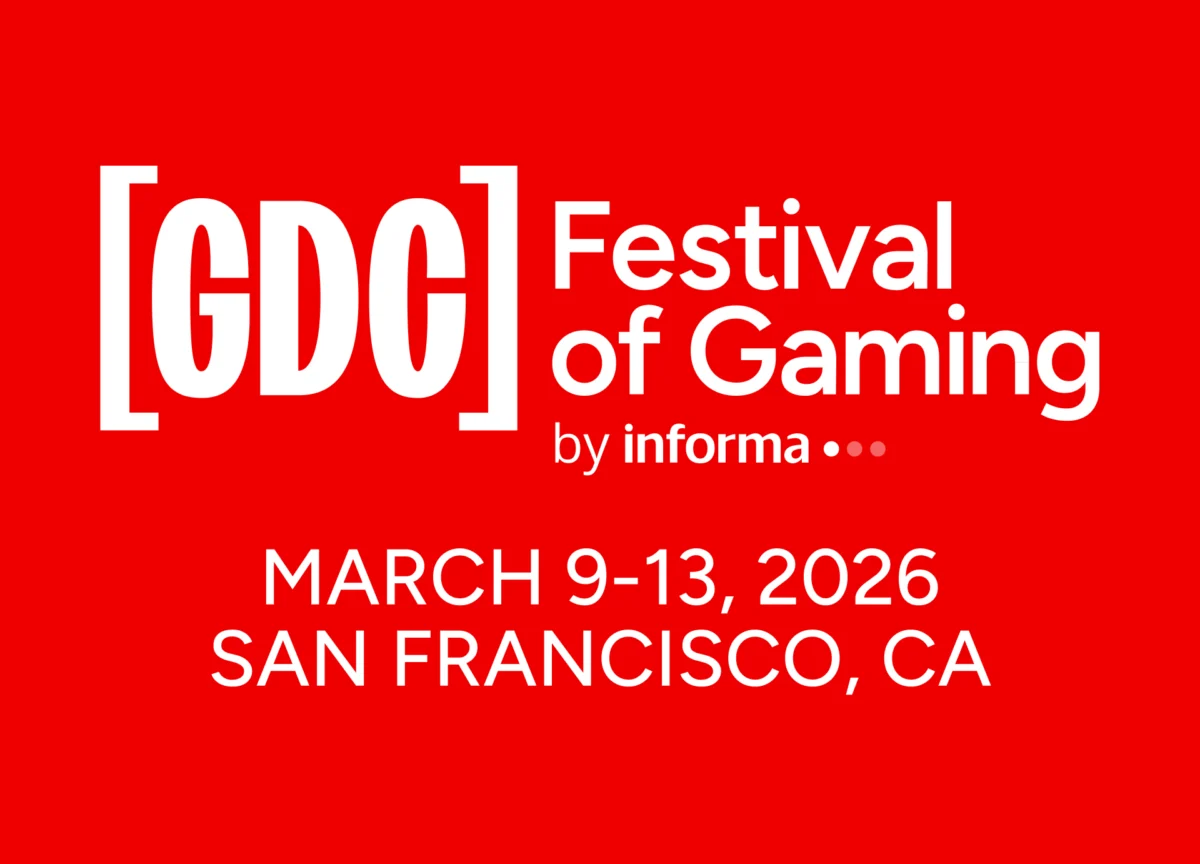
San Francisco, CA – The Game Developers Conference (GDC) stands as an undeniable titan in the global landscape of interactive entertainment, a yearly pilgrimage for the brightest minds in game development. For decades, this esteemed event has served as a nexus for innovation, collaboration, and the exchange of cutting-edge knowledge, shaping the very trajectory of the industry. While the specifics of its past agendas and attendee lists are often kept behind a "members-only" digital curtain, the sheer breadth of its historical presence, stretching back to the mid-1990s, underscores its enduring significance. This article delves into the rich tapestry of GDC’s history, examining its evolution through a chronological lens, exploring key trends, and considering its profound implications for the future of gaming.

The Unfolding Narrative: A Chronological Journey Through GDC’s Evolution
The Game Developers Conference has not merely been a passive observer of the gaming industry’s metamorphosis; it has been an active catalyst. Its history is a testament to the rapid advancements in technology, the shifting paradigms of game design, and the increasing diversification of the development community.
Early Foundations (Mid-1990s – Early 2000s): The Dawn of a New Era
The earliest iterations of GDC, then known as the Computer Game Developers Conference (CGDC) and later the Game Developers Conference, laid the groundwork for what would become a cornerstone event. In these formative years, the conference likely focused on the burgeoning PC gaming market, addressing the challenges and opportunities presented by evolving hardware, operating systems, and game engines. Discussions would have revolved around fundamental programming techniques, early forms of 3D graphics, and the nascent world of online multiplayer. The inclusion of events like GDC 1996 and CGDC 1996 signifies a growing recognition of the need for a dedicated forum for game creators.

As the new millennium dawned, GDC began to solidify its identity. The early 2000s saw the rise of the PlayStation 2, Xbox, and GameCube, ushering in an era of more powerful consoles and sophisticated game development. GDC 2001 through GDC 2004 likely featured sessions on console development pipelines, advanced graphics techniques, AI programming, and the initial explorations into physics engines. The emergence of "GDC Austin/Online" in the mid-2000s (GDC Austin/Online 2007, GDC Austin/Online 2008, GDC Austin/Online 2009) suggests an early acknowledgment of the growing importance of online gaming and the need for a more distributed or specialized approach to content.

Expansion and Diversification (Mid-2000s – Early 2010s): Broadening Horizons
The mid-to-late 2000s witnessed a significant expansion of GDC’s scope. The establishment of GDC Europe (starting with GDC Europe 2009) signaled an internationalization of the conference, recognizing the global nature of game development. Events like GDC Canada (GDC Canada 2009, GDC Canada 2010) further emphasized this growing reach.

This period also saw the increasing prominence of mobile gaming. The advent of smartphones and app stores dramatically changed the industry landscape, and GDC began to reflect this shift. Sessions likely started to address mobile development challenges, monetization strategies, and the unique design considerations for smaller screens and touch interfaces. GDC 2010 and GDC 2011 would have been crucial in navigating this new frontier.
.jpg)
The emergence of GDC Online (GDC Online 2010, GDC Online 2011) and specialized events like GDC China (GDC China 2010, GDC China 2011, GDC China 2012) highlight a strategic move towards catering to specific market segments and technological advancements. The focus on online services, persistent worlds, and the business models surrounding them would have been paramount.

The Rise of New Technologies and Platforms (2010s – Present): Embracing the Future
The 2010s marked a period of explosive innovation, with GDC at the forefront of these transformations. The rise of indie game development, fueled by digital distribution platforms like Steam, saw an increasing number of independent creators attending and presenting at GDC. Sessions likely focused on tools and techniques for smaller teams, marketing strategies for independent studios, and the unique creative freedoms afforded by the indie scene.
.png)
A pivotal development during this era was the emergence of Virtual Reality (VR) and Augmented Reality (AR). GDC was quick to recognize the potential of these immersive technologies, with dedicated events like VRDC (Virtual Reality Developers Conference) and XRDC (Extended Reality Developers Conference) becoming integral parts of the GDC ecosystem. VRDC @ GDC 2016, VRDC Fall 2016, and the subsequent XRDC events (XRDC 2018, XRDC 2019) demonstrate a deep commitment to exploring the frontiers of interactive experiences. Discussions would have covered everything from hardware development and SDKs to narrative design and user experience in VR/AR.

The evolution of game engines, such as Unity and Unreal Engine, continued to be a central theme. GDC 2012 through GDC 2025 and beyond would have featured extensive coverage of new engine features, optimization techniques, and best practices for leveraging these powerful tools. The increasing complexity and sophistication of game development necessitated continuous learning and adaptation, which GDC has consistently provided.

The "Showcase" events (Showcase 2021, GDC Showcase 2024) suggest a move towards more targeted or specialized presentations, perhaps focusing on specific themes, technologies, or emerging trends outside of the main GDC conference. "GD Talks" also points to a broader initiative for sharing knowledge and insights, potentially encompassing a wider range of topics or formats.

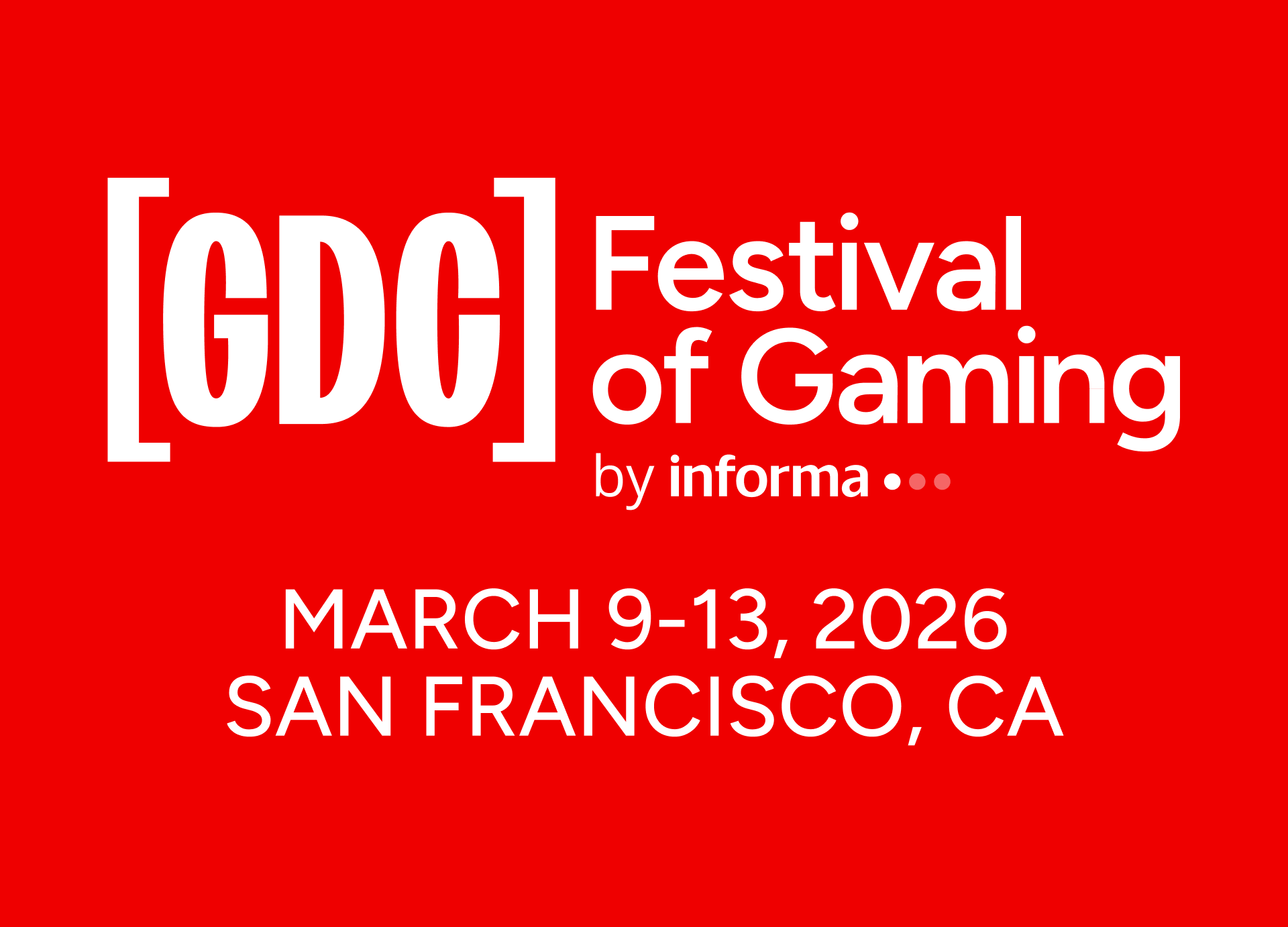
Looking ahead, GDC 2025 and GDC 2026 will undoubtedly continue to address the latest advancements in AI-driven game development, cloud gaming, cross-platform play, and the ever-evolving landscape of interactive entertainment. The inclusion of "members-only" content hints at a growing emphasis on exclusive insights and resources for the GDC community.

Supporting Data: The Unseen Pillars of GDC’s Success
While the specific content of GDC sessions and talks is often proprietary, the sheer longevity and consistent presence of the conference provide compelling indirect evidence of its value. The sustained interest from game developers, publishers, and technology providers over nearly three decades signifies a deep and ongoing need for the knowledge sharing, networking, and community building that GDC facilitates.

The expansion of GDC to include international editions like GDC Europe and GDC China, as well as specialized tracks like XRDC, indicates a successful adaptation to the global and technological diversification of the industry. This strategic growth is a direct reflection of the evolving needs of its audience and the expanding frontiers of game development.
.jpg)
The continued development of related initiatives such as "Showcase" and "GD Talks" suggests a commitment to providing diverse avenues for knowledge dissemination, catering to different learning styles and areas of interest within the game development community.

Official Responses: A Commitment to the Developer Community
While direct quotes from GDC organizers regarding specific historical content are not readily available due to the nature of the provided data, the very existence and continued operation of the conference serve as a testament to its commitment to the game development community. GDC’s consistent presence across decades, adapting to technological shifts and industry trends, demonstrates a proactive approach to supporting developers.

The organization’s efforts to host a variety of events, from the flagship GDC to specialized "Showcase" and "GD Talks," underscore a dedication to providing comprehensive resources and platforms for learning, networking, and professional development. The emphasis on "members-only" content further suggests a desire to foster a dedicated and engaged community, offering exclusive value to its participants.

Implications for the Future: Shaping the Next Generation of Interactive Experiences
The Game Developers Conference is more than just an annual event; it is a living archive of the industry’s progress and a crucial incubator for its future. The lessons learned and connections forged at GDC have a ripple effect that extends far beyond the conference halls, influencing the games we play and the technologies we interact with.

As the industry continues to push boundaries, GDC will undoubtedly remain at the forefront, providing a vital platform for developers to navigate emerging technologies like advanced AI, the metaverse, and new forms of interactive storytelling. The conference’s ability to adapt and evolve, as evidenced by its rich history, assures its continued relevance in shaping the next generation of immersive and engaging interactive experiences. The legacy of GDC is not just in the past, but in the ongoing innovation it inspires for years to come.