Navigating the Labyrinth: Microsoft’s Ever-Shifting Product Naming and the Registry Charting its Course
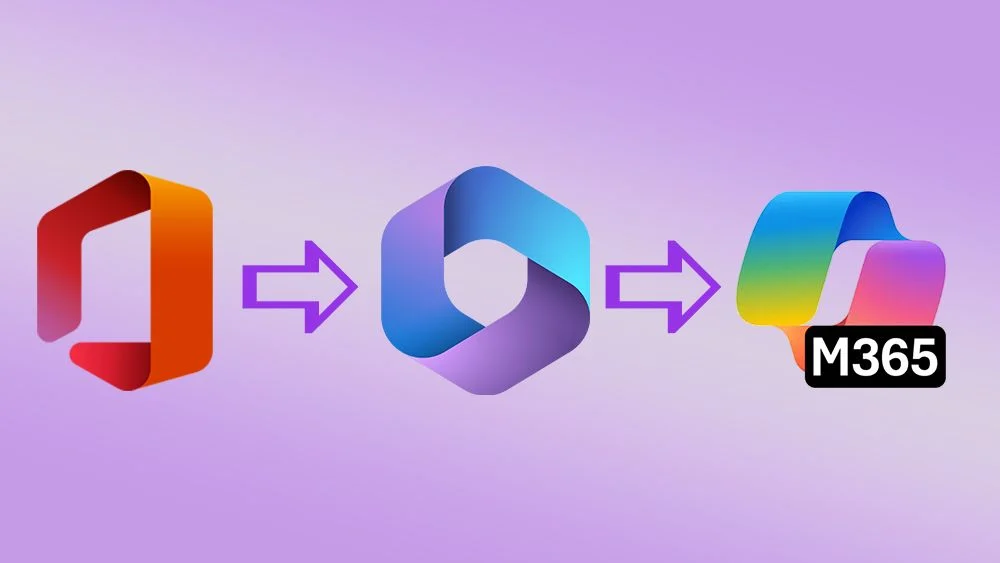
Microsoft, a titan of the tech industry, has long been known for its ambitious product development and expansive ecosystem. However, this innovation often comes hand-in-hand with a peculiar and, for many users, bewildering penchant for rebranding its offerings. From the ubiquitous Microsoft Office evolving into Microsoft 365, and then further morphing into Microsoft Copilot 365, the company’s naming conventions have frequently sparked confusion and frustration. In response to this persistent phenomenon, a dedicated resource has emerged, aiming to demystify Microsoft’s evolving brand landscape.
The Perpetual Rebrand: A User’s Lament
For years, consumers and IT professionals alike have grappled with Microsoft’s seemingly perpetual cycle of product renaming. The transition of Microsoft Office to Microsoft 365 was a significant shift, but it was only the beginning. The subsequent integration and rebranding of various functionalities under the "Copilot" umbrella, particularly with Microsoft Copilot 365, has further blurred the lines. This latest iteration shares a striking visual similarity with Microsoft’s AI chatbot, adding another layer of potential confusion for those trying to distinguish between a platform and an AI assistant.
This constant flux in product nomenclature has created a challenging environment for users attempting to stay abreast of the latest terminology. Businesses rely on accurate product identification for licensing, support, and training. End-users seek clarity to understand the tools they are using and to access relevant information. The ambiguity inherent in Microsoft’s rebranding strategies has, therefore, become a recurring source of consternation within the wider tech community.
A Crowdsourced Solution: The Microsoft Rebrand Registry
Recognizing this pervasive issue, a dedicated resource has been meticulously compiled to track and document Microsoft’s product rebrandings. The "Microsoft Rebrand Registry," an initiative spearheaded by Loryan Strant, a multi-award recipient of the Microsoft Most Valuable Professional (MVP) award, aims to provide a comprehensive and accessible guide to the company’s naming conventions.
Strant, whose previous projects include "Let Me Correct That For You," a database cataloging the full and varying capitalization styles of Microsoft product names, has approached the Rebrand Registry with a dual purpose. On one hand, it serves as a lighthearted acknowledgment of Microsoft’s often perplexing rebranding habits. On the other, it functions as a genuinely invaluable tool for users seeking to understand and navigate the complex web of Microsoft’s product identities.
The registry meticulously lists 72 currently surviving Microsoft products and, remarkably, documents the staggering 158 distinct names these products have held throughout their lifecycles. This extensive documentation highlights the sheer volume of rebranding initiatives undertaken by the tech giant. Notably, eight specific products have undergone a remarkable three distinct name changes, including prominent offerings such as Azure AI Search and the Microsoft 365 Copilot application.
Unpacking the Data: Trends and Predictions
Beyond a mere historical archive, the Microsoft Rebrand Registry offers insightful analysis into the company’s naming strategies. An integrated "analysis section" provides valuable data on which product categories have experienced the longest and shortest-lived brand names. This data-driven approach allows for a deeper understanding of Microsoft’s internal branding priorities and the factors that influence its decisions.
Furthermore, the registry attempts to forecast future rebranding efforts. These predictions are based on a sophisticated analysis of several key metrics. These include the duration for which a product’s current name has been in use, suggesting that older names might be more susceptible to change. Crucially, it also considers the frequency with which Microsoft has historically altered names within the same product family, indicating a potential pattern of iterative rebranding.
Strant’s analysis points towards an "elevated" likelihood of rebranding for several Azure-centric services and enterprise solutions. Specifically, the Azure App Service, Azure SQL Database, Azure DevOps, and Microsoft Dynamics 365 Field Service are identified as prime candidates for future name changes. This predictive element of the registry offers a proactive advantage for businesses and individuals who can anticipate and prepare for these shifts, minimizing potential disruption.
The Rationale Behind the Rebrand: A Multifaceted Approach
While the constant rebranding can be frustrating, understanding the underlying motivations provides a more nuanced perspective. Microsoft’s decisions to rename products are rarely arbitrary. Instead, they are often driven by a combination of strategic objectives, market evolution, and product development.
1. Product Evolution and Integration: As Microsoft products mature, they often undergo significant feature additions and integrations. Rebranding can be a way to signal these advancements and to better reflect the product’s current capabilities. The transition from Office to Microsoft 365, for instance, was designed to encompass a broader suite of cloud-based services beyond the traditional desktop applications. Similarly, the integration of AI capabilities into various products necessitates a renaming strategy that acknowledges these new functionalities, as seen with the introduction of "Copilot" into the naming conventions.
2. Market Positioning and Competitive Landscape: The tech industry is fiercely competitive, and product naming plays a crucial role in market positioning. Microsoft may rebrand products to differentiate them from competitors, to appeal to new market segments, or to align with emerging industry trends. The emphasis on cloud services and AI has undoubtedly influenced how Microsoft frames its offerings.
3. Simplification and Clarity (Ironically): While the outcome often appears to be the opposite, some rebranding efforts are intended to simplify and clarify. When a product suite grows complex, a consolidated or more encompassing name can, in theory, make it easier for users to understand the overall offering. The move towards Microsoft 365 aimed to create a unified brand for a suite of interconnected productivity tools.
4. Brand Synergy and Ecosystem Building: Microsoft is invested in building a cohesive brand identity across its diverse product portfolio. Rebranding can be a strategic tool to create synergy between different products and to foster a stronger sense of an integrated ecosystem. The consistent use of the "Microsoft" prefix and the integration of familiar sub-brands like "Azure" and "Dynamics" are part of this broader strategy.
5. Responding to User Feedback and Industry Shifts: While often criticized for its rebranding, Microsoft also responds to market dynamics and, to some extent, user feedback. If a name is no longer resonating with the target audience or if industry standards evolve, a rebranding can be a necessary adjustment. The increasing prominence of AI, for example, has prompted a widespread reevaluation of how technology products are named and marketed.
The Implications for Users and the Industry
The persistent nature of Microsoft’s product rebranding carries significant implications for various stakeholders:
For End-Users: The primary implication is the ongoing need for adaptation and education. Users must constantly update their understanding of product names, which can impact their ability to find relevant support, access training materials, and communicate effectively with colleagues. This can lead to increased frustration, reduced productivity, and a potential disconnect between user expectations and the actual functionality of the software.
For IT Professionals and Businesses: For IT departments, managing Microsoft product licenses, deployments, and support becomes a more complex undertaking. Keeping track of the correct product names for licensing agreements, ensuring that training programs are up-to-date, and troubleshooting issues can be more challenging when product identities are in constant flux. This can also lead to increased costs associated with IT administration and user training.
For Documentation and Training Providers: Companies and individuals that create documentation, tutorials, and training materials for Microsoft products face the continuous challenge of keeping their content current. The Microsoft Rebrand Registry, in this context, can serve as a valuable tool for these content creators to stay informed and to ensure the accuracy of their resources.
For the Broader Tech Industry: Microsoft’s rebranding habits, while specific to the company, also highlight broader trends in the tech industry. The rapid pace of innovation, the increasing importance of cloud computing and AI, and the constant drive for market differentiation all contribute to a dynamic branding landscape. The attention drawn to Microsoft’s rebrands can serve as a case study for other tech companies grappling with similar challenges.
The existence of the Microsoft Rebrand Registry is a testament to the significant impact of these naming conventions on users worldwide. It underscores the need for clearer communication and more stable product identities, even within a rapidly evolving technological environment. While Microsoft’s innovation remains a driving force, its approach to product naming continues to be a topic of considerable discussion and, for many, a source of ongoing bewilderment. As the registry continues to track and predict these shifts, it offers a much-needed beacon of clarity in the often-turbulent waters of Microsoft’s product branding.