Trapped in Time: A Comprehensive Review and Analysis of ‘Amelia’s Escape’ VR
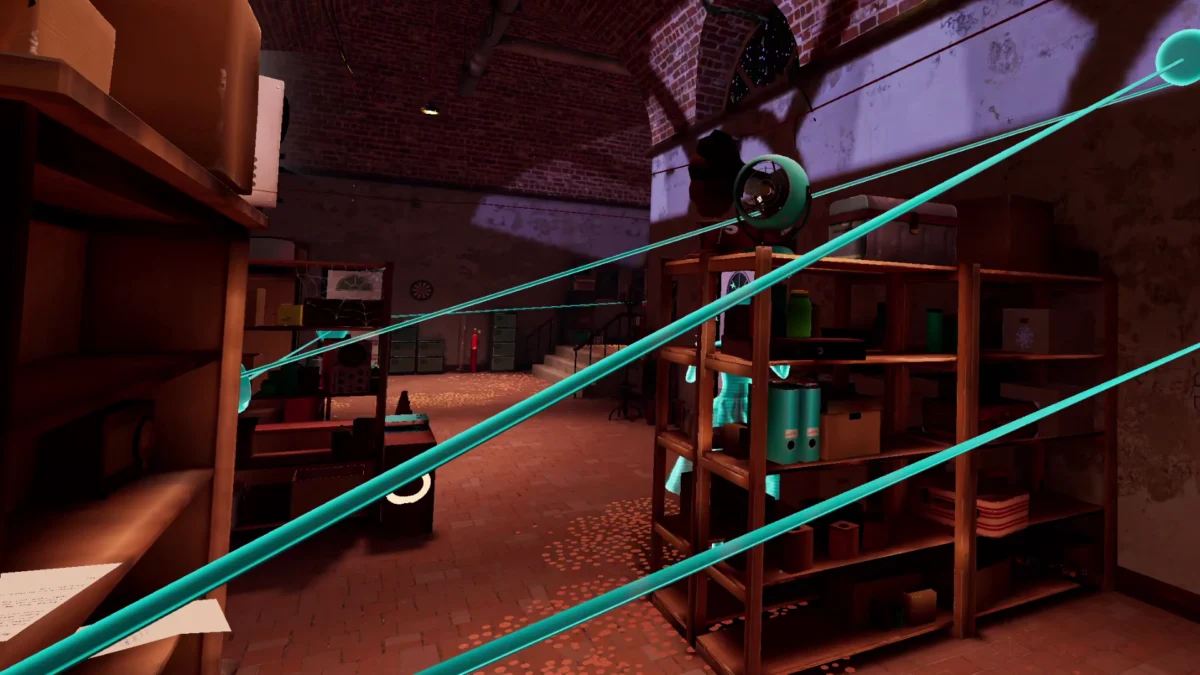
The landscape of virtual reality (VR) gaming has often been defined by its extremes. On one end of the spectrum lie the sprawling, multi-hour epics like Half-Life: Alyx or Asgard’s Wrath; on the other, the "snackable" experiences designed for quick sessions. Amelia’s Escape, the latest offering from developer Reality Syndrome Symphony, attempts to carve out a niche in the latter category. However, as players navigate its temporal puzzles and subterranean corridors, the experience raises a pressing question in the VR community: at what point does "short and sweet" become "abrupt and unfulfilled"?
Released on July 23, 2026, Amelia’s Escape arrives at a time when the escape-room genre is arguably oversaturated. To stand out, a title must offer either revolutionary mechanics or a narrative hook that lingers long after the headset is removed. While Amelia’s Escape possesses the seeds of a truly haunting sci-fi mystery, its execution is marred by a truncated runtime and technical inconsistencies that leave even the most dedicated puzzle enthusiasts wanting more.
Main Facts: The Anatomy of the Escape
Amelia’s Escape is a first-person environmental puzzle game designed specifically for the Meta Quest and SteamVR platforms. Priced at $14.99, the game positions itself as a premium indie experience.
Core Specifications:
- Developer: Reality Syndrome Symphony
- Release Date: July 23, 2026
- Price Point: $14.99 USD
- Primary Objective: Players must navigate a high-security science bunker, solving logic-based puzzles to collect multiple keycards required to unlock the final exit.
- Narrative Premise: You inhabit the role of Amelia, a young British girl whose mundane train journey is interrupted by a temporal anomaly, leading to her abduction by a scientist obsessed with the mechanics of time.
The game utilizes a "locked-room" philosophy, where the environment itself is the primary antagonist. Unlike many contemporary VR titles that guide the player through various locales, Amelia’s Escape is almost entirely localized within a single, dense laboratory setting.
Chronology of the Experience: From Train Car to Bunker
The narrative structure of Amelia’s Escape follows a linear, albeit jarring, progression. The game begins with an atmospheric sequence aboard a British passenger train. This introductory phase serves as a brief "calm before the storm," establishing Amelia’s character and the world she inhabits.
The Temporal Shift
The transition from the train to the game’s primary setting is handled through a series of striking visual effects. Players witness "blue lights and streaks" flashing around the cabin—a visual shorthand for a rift in the space-time continuum. After a series of disorienting "stops," the player awakens in a bunker-like science lab.
The Investigation Phase
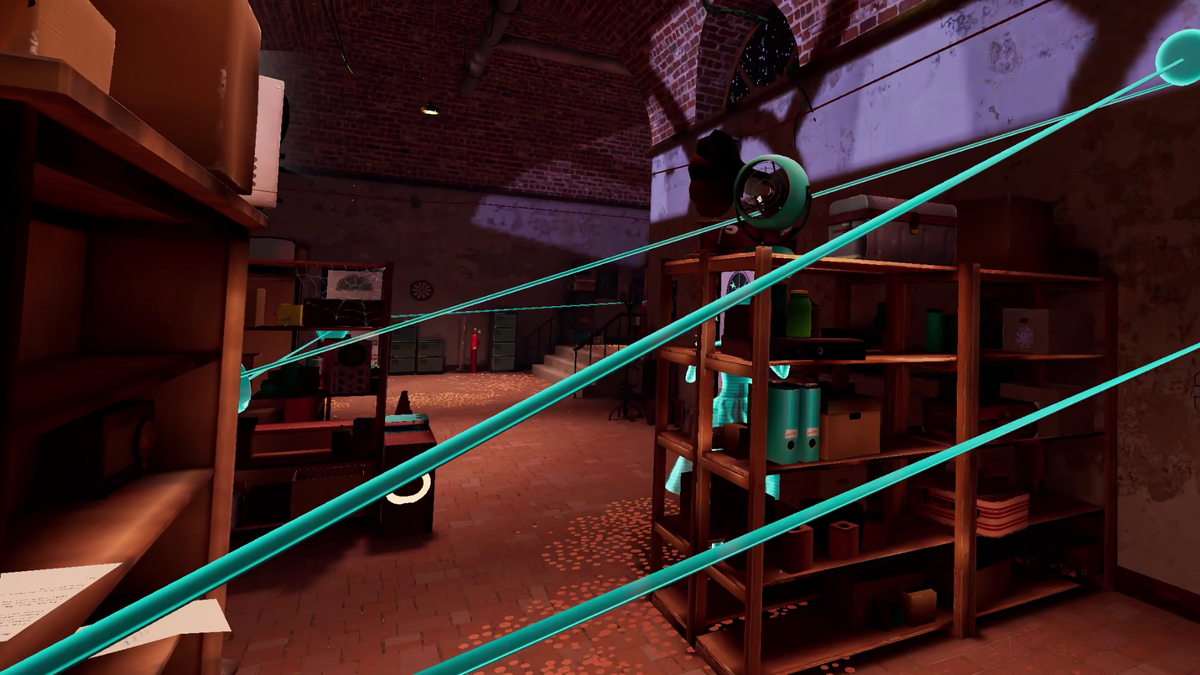
The bulk of the gameplay (approximately 45 to 60 minutes) is spent within this lab. The player’s objective is clear: find the keycards. This involves:
- Observation: Scanning the room for interactable objects.
- Logic Application: Deciphering numerical codes and environmental clues.
- Physical Manipulation: Using VR motion controls to move objects, open compartments, and trigger switches.
The Abrupt Conclusion
The game reaches its climax once the final keycard is inserted. However, rather than providing a resolution to the "mad scientist" plotline or explaining Amelia’s ultimate fate, the game concludes with a suddenness that many players have described as "incomplete." The narrative threads regarding time travel and the scientist’s motivations are left dangling, suggesting either a planned sequel or a significant reduction in the game’s original scope.
Supporting Data: Technical Performance and Gameplay Mechanics
To understand the player experience, one must look at the technical framework Reality Syndrome Symphony has employed. The review was conducted on a high-end 2026-era PC, utilizing hardware that highlights both the game’s potential and its limitations.
Hardware and Graphics
The testing rig utilized a Ryzen 7 9850X3D processor, 32GB of DDR5 RAM, and an RTX 5070 Ti GPU. Despite this significant overhead, Amelia’s Escape presents a visual fidelity that can best be described as "utilitarian." The textures in the laboratory are somewhat bland, lacking the high-fidelity grime or atmospheric lighting found in competitors like The Room VR: A Dark Matter.
One notable absence is the lack of graphical customization. Players are locked into the developer’s presets, which may pose a challenge for those on lower-end hardware or those looking to push their high-end rigs to the limit.
Interaction and Physics
The "grab" mechanics—the bread and butter of VR—are functional but lack the polish of AAA titles. While the game avoids major "jank" in most interactions, the absence of detailed hand animations or haptic feedback depth makes the world feel less tactile.
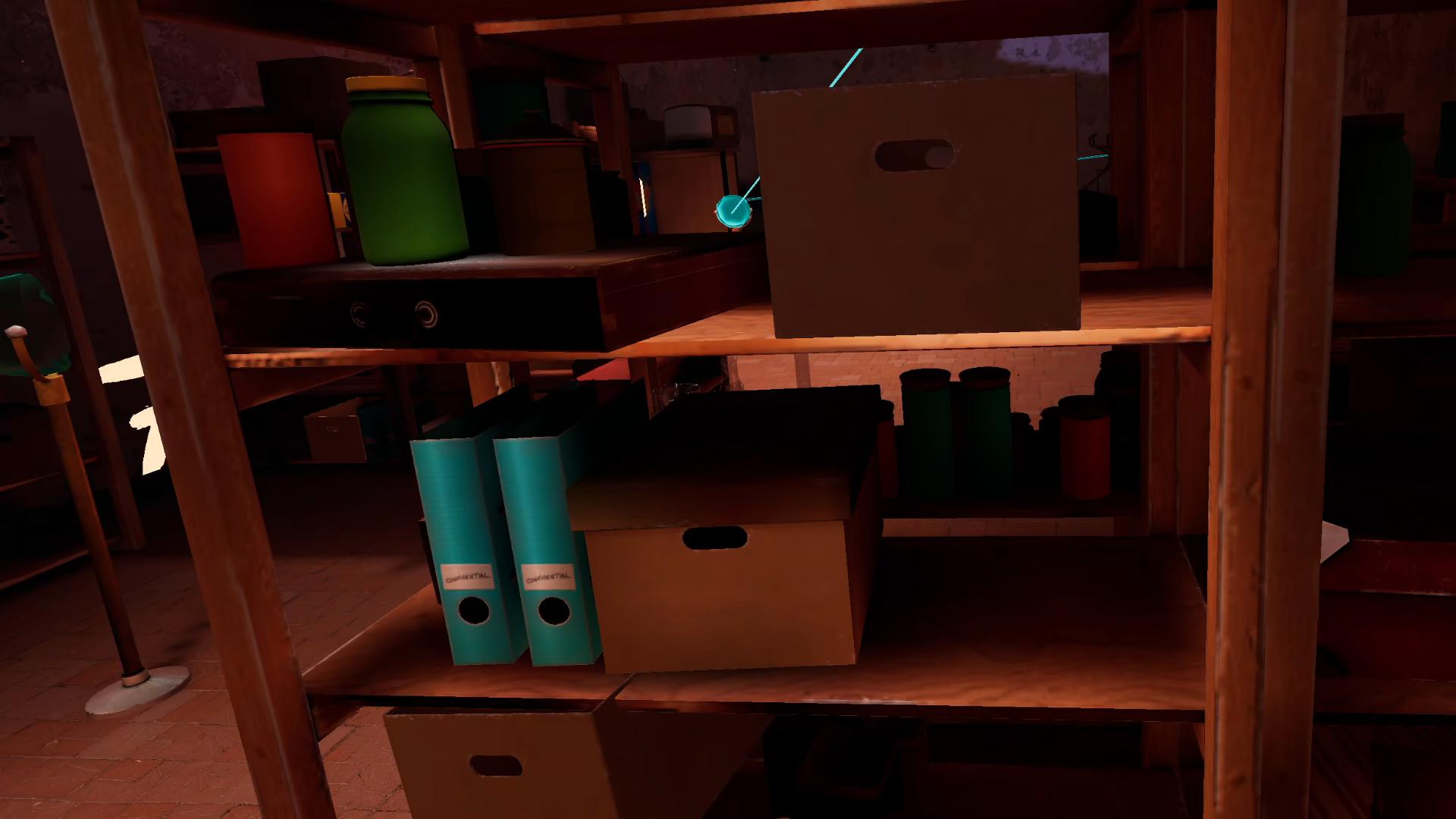
A critical data point in the user experience is the presence of physics-based bugs. During testing, a keycard—a vital progression item—clipped through the floor geometry, becoming inaccessible. Because the game relies on a single-room save state, this necessitated a full room reset. While the randomized nature of certain lockboxes and object locations added a slight layer of variety to the replay, the bug remains a significant hurdle for a game that lasts only an hour.
Locomotion and Comfort
The developer has included a standard suite of VR comfort options:
- Movement: Stick-based smooth locomotion and teleportation.
- Turning: Smooth and snap-turning options.
- Comfort Blinders: A motion vignette is available to reduce nausea during movement.
- Space Requirements: While the game supports room-scale movement, the lack of customization for the vignette and turn speeds may affect players sensitive to motion sickness.
Comparison and Context: The Short-Form VR Market
Amelia’s Escape does not exist in a vacuum. To assess its value, it must be compared to other short-form VR puzzle titles.
| Title | Length | Price | Focus |
|---|---|---|---|
| Amelia’s Escape | ~1 Hour | $14.99 | Logical, "Sit-and-Think" Puzzles |
| A Fisherman’s Tale | ~1.5 Hours | $14.99 | Perspective-based Puzzles |
| The Curious Tale of Stolen Pets | ~2 Hours | $9.99 | Casual, Diorama Puzzles |
| I Expect You To Die | ~3-4 Hours | $24.99 | Trial-and-Error, Action-Puzzle |
The data suggests that Amelia’s Escape is on the lower end of the "value-per-hour" spectrum. While games like A Fisherman’s Tale are also short, they often compensate with a complete, emotionally resonant narrative arc. Amelia’s Escape sets up a fascinating mystery—a young girl kidnapped across time—but fails to deliver the "payoff" that justifies the entry price for many casual consumers.
Official Perspectives: The Developer’s Challenge
While Reality Syndrome Symphony has not issued a formal "Post-Mortem" statement regarding the game’s length, the design of Amelia’s Escape reflects a common challenge for indie VR developers: the "Scope vs. Polish" dilemma.
The inclusion of randomized puzzle elements suggests that the developers intended for the game to have some replay value. By varying the locations of keycards and the solutions to specific codes, they attempt to extend the life of a 60-minute experience. Furthermore, the decision to focus on a single, highly interactive room—where almost every object can be picked up—indicates a preference for depth of interaction over breadth of environment.
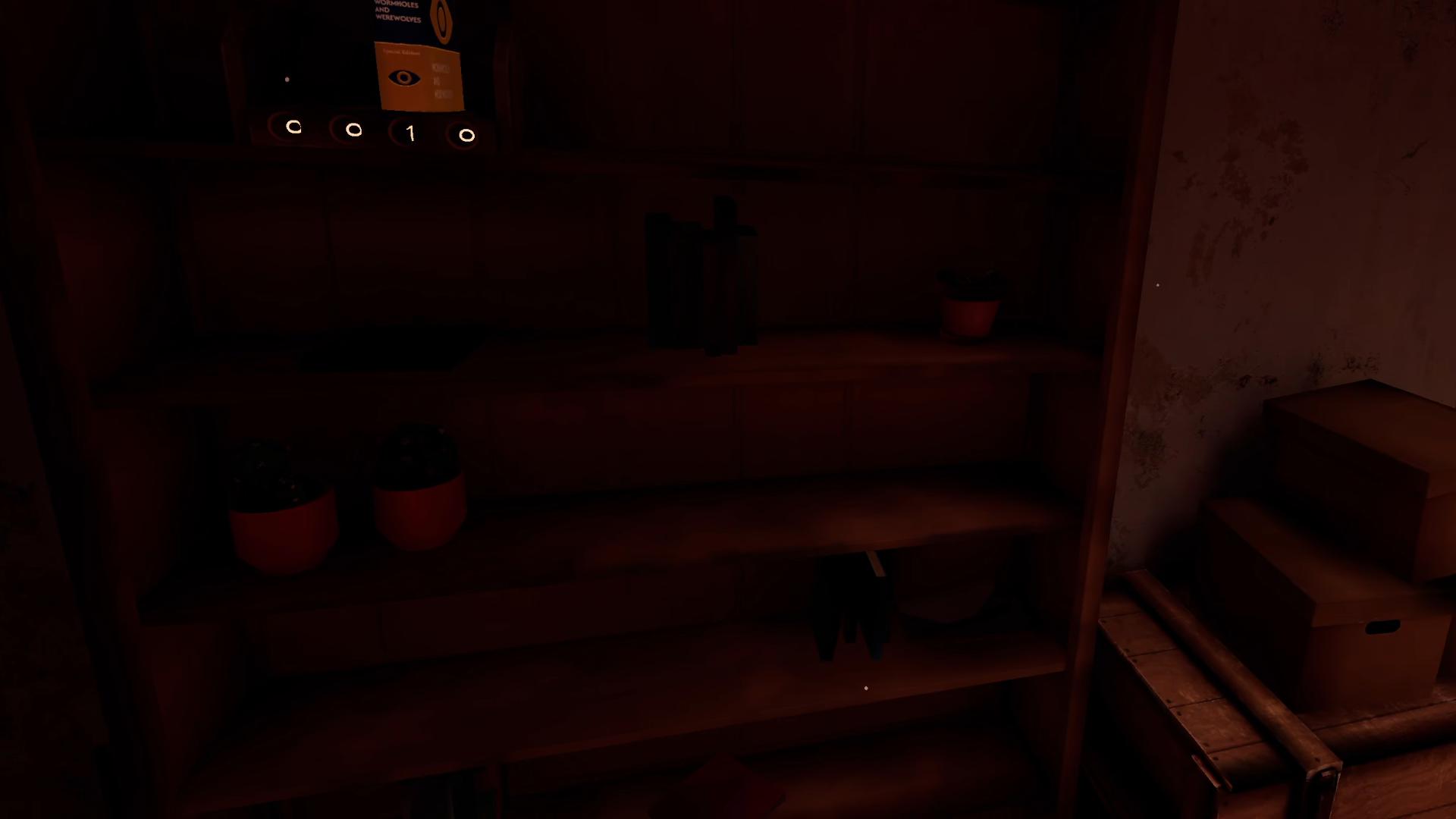
However, the "Amelia" character herself often provides too much verbal guidance. This "backseat gaming" by the protagonist is a frequent critique in modern puzzle design, as it can rob the player of the "Aha!" moment essential to the genre’s satisfaction.
Implications: The Future of Indie VR Puzzlers
The reception of Amelia’s Escape serves as a bellwether for the VR industry in 2026. It highlights several growing trends and potential pitfalls for the medium:
1. The "Episodic" Expectation
Because the story feels like the first act of a larger play, there is an unspoken implication that more content may follow. If Amelia’s Escape is intended to be Chapter 1 of a series, the $14.99 price point may be more palatable in retrospect. However, without a clear roadmap, the current product feels like a fragment.
2. The Bar for Immersion
As VR hardware becomes more powerful (evidenced by the use of the RTX 5070 Ti in testing), player expectations for visual and physical realism are rising. "Bland" visuals and clipping bugs are becoming less excusable, even for small indie teams.
3. Narrative as a Driver
The most significant takeaway from Amelia’s Escape is that VR players are increasingly looking for story-driven experiences. The fascination with Amelia’s plight shows that players are no longer satisfied with "puzzles for puzzles’ sake." They want to know why they are in the room and who is keeping them there.
Final Verdict
Amelia’s Escape is a competent, logically sound escape-room simulator that succeeds in its core mission of challenging the player’s observational skills. Its puzzles are fair, its premise is haunting, and its mechanics are accessible.
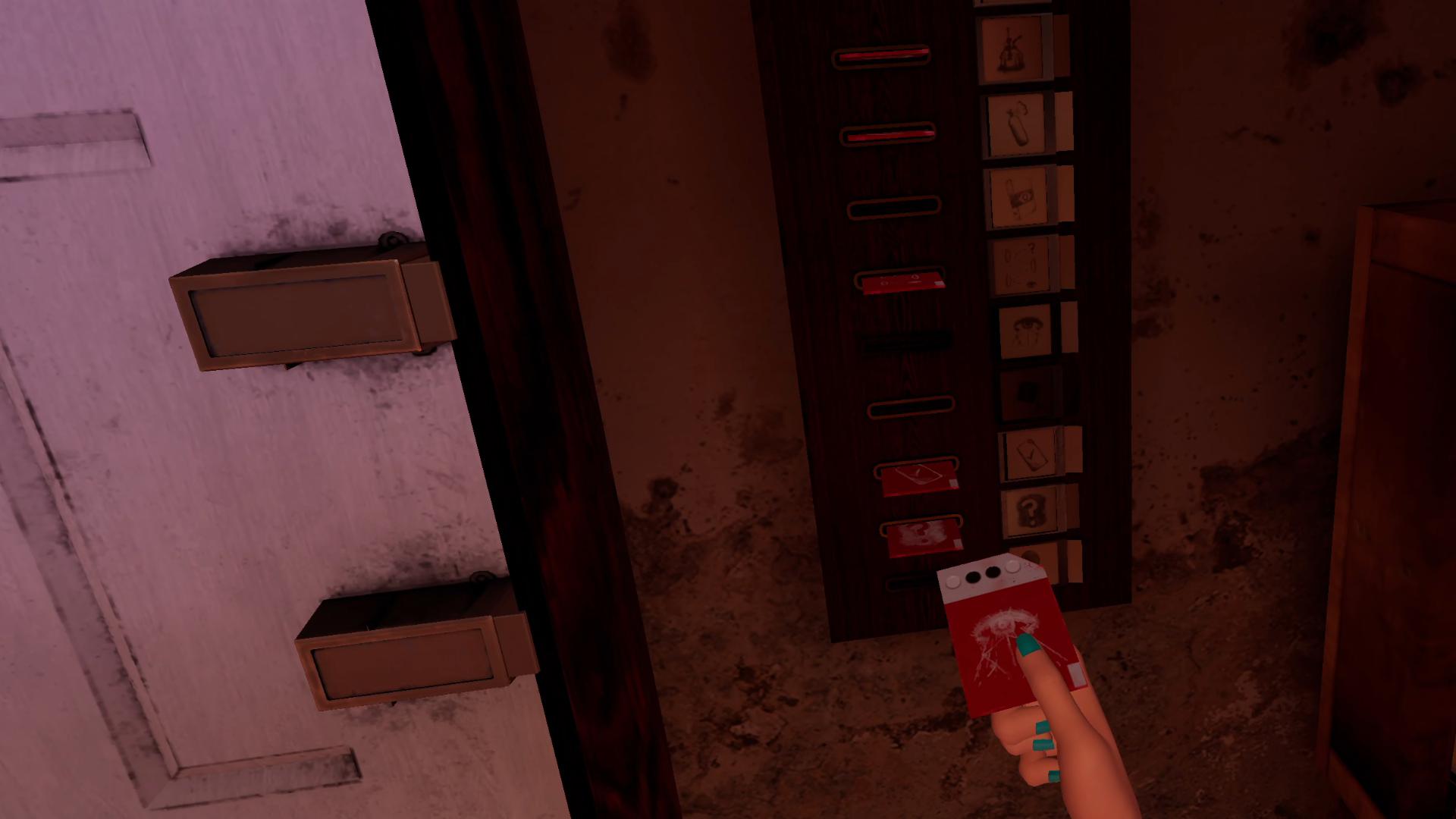
However, the game is ultimately haunted by its own brevity. For $14.99, an hour of gameplay that ends on a cliffhanger is a difficult recommendation for the general public. It remains a "hardcore puzzle gamers only" title—a brief, intriguing, yet ultimately unfulfilled glimpse into a world that deserved more time to be explored.
Final Rating: 3/5 Stars