Satoshi Kamanaka: Bridging the Worlds of Fantasy and Golden Age Illustration
Manila, Philippines – In the vibrant landscape of digital art, a unique voice is emerging from the Philippines, one that masterfully weaves together the fantastical realms of imagination with the timeless elegance of the Golden Age of illustration. Satoshi Kamanaka, a dedicated illustrator, has cultivated a distinctive artistic style that resonates with a deep appreciation for both genres. His work, characterized by its imaginative subject matter and meticulously crafted compositions, offers a captivating glimpse into his creative process and artistic vision.
Kamanaka’s artistic philosophy is elegantly simple yet profoundly impactful: "My work brings the two together. I mix fantastical subject matter with the designs and compositions of Golden Age illustrators," he explains. This fusion results in pieces that are both breathtakingly imaginative and grounded in a rich artistic heritage. His dedication to this unique approach has positioned him as a notable figure within the digital art community, and his contributions are being recognized as part of ongoing features on prominent digital artists.
The primary digital canvas for Kamanaka’s creations is Clip Studio Paint, a powerful software suite that allows him to bring his intricate visions to life with remarkable detail and fluidity. For aspiring artists seeking to emulate his success or embark on their own creative journeys, understanding the tools of the trade is paramount. Comprehensive guides to the best drawing tablets and the top laptops for drawing are invaluable resources for anyone looking to establish a robust art setup.
The Genesis of Imagination: Kamanaka’s Artistic Process
Kamanaka’s inspiration is drawn from a diverse wellspring of ideas, allowing him to construct narratives and characters that are both novel and compelling. Each piece represents a thoughtful exploration of themes and aesthetics, resulting in artworks that are not merely visually striking but also imbued with a sense of depth and storytelling.
The Iron Goblin: A Fusion of Torment and Tenacity
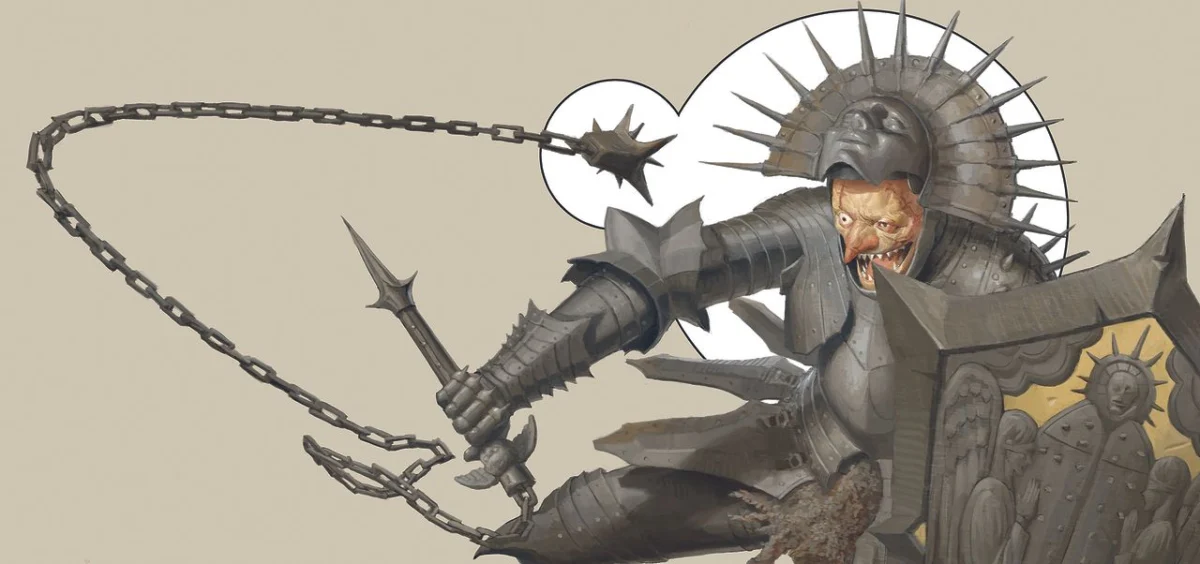
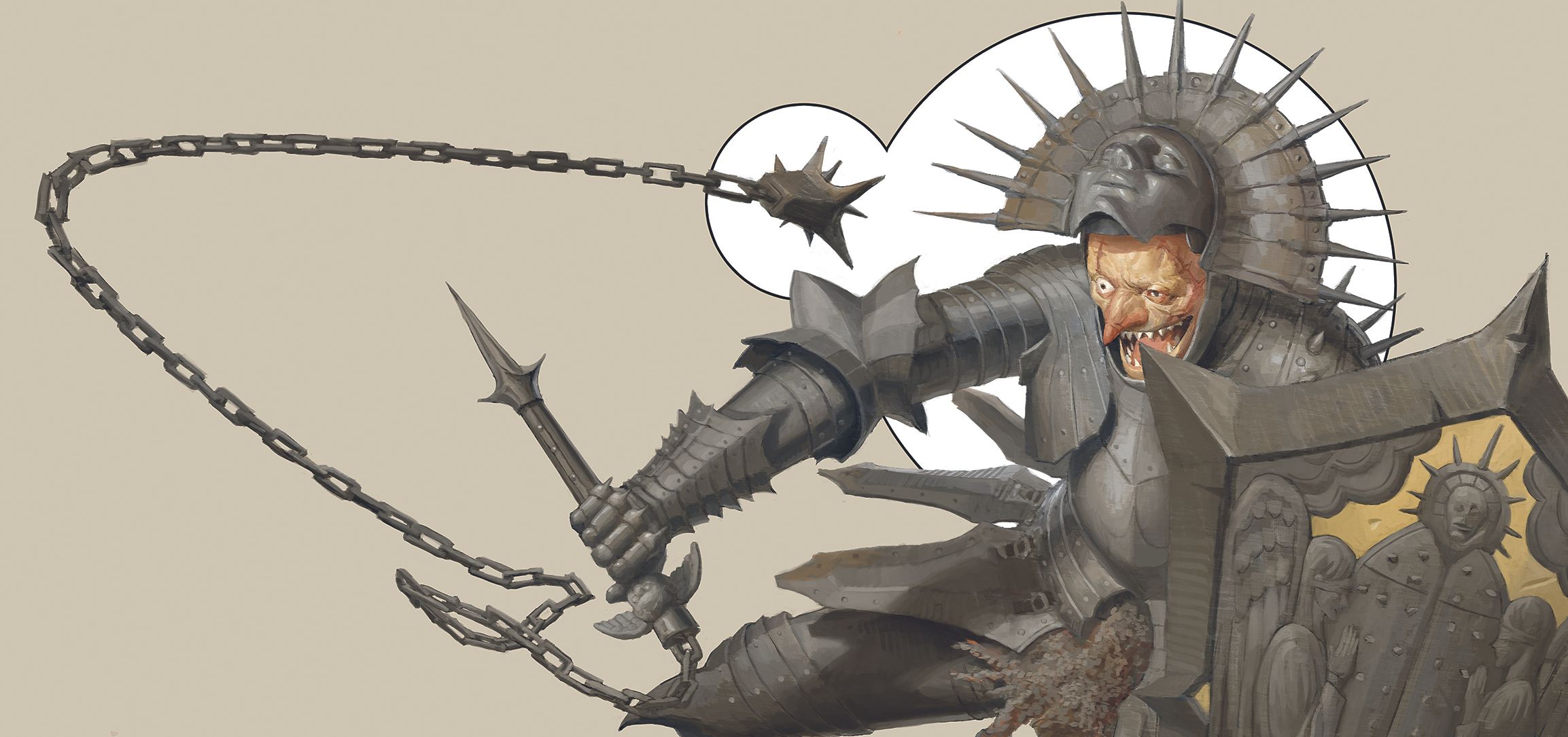
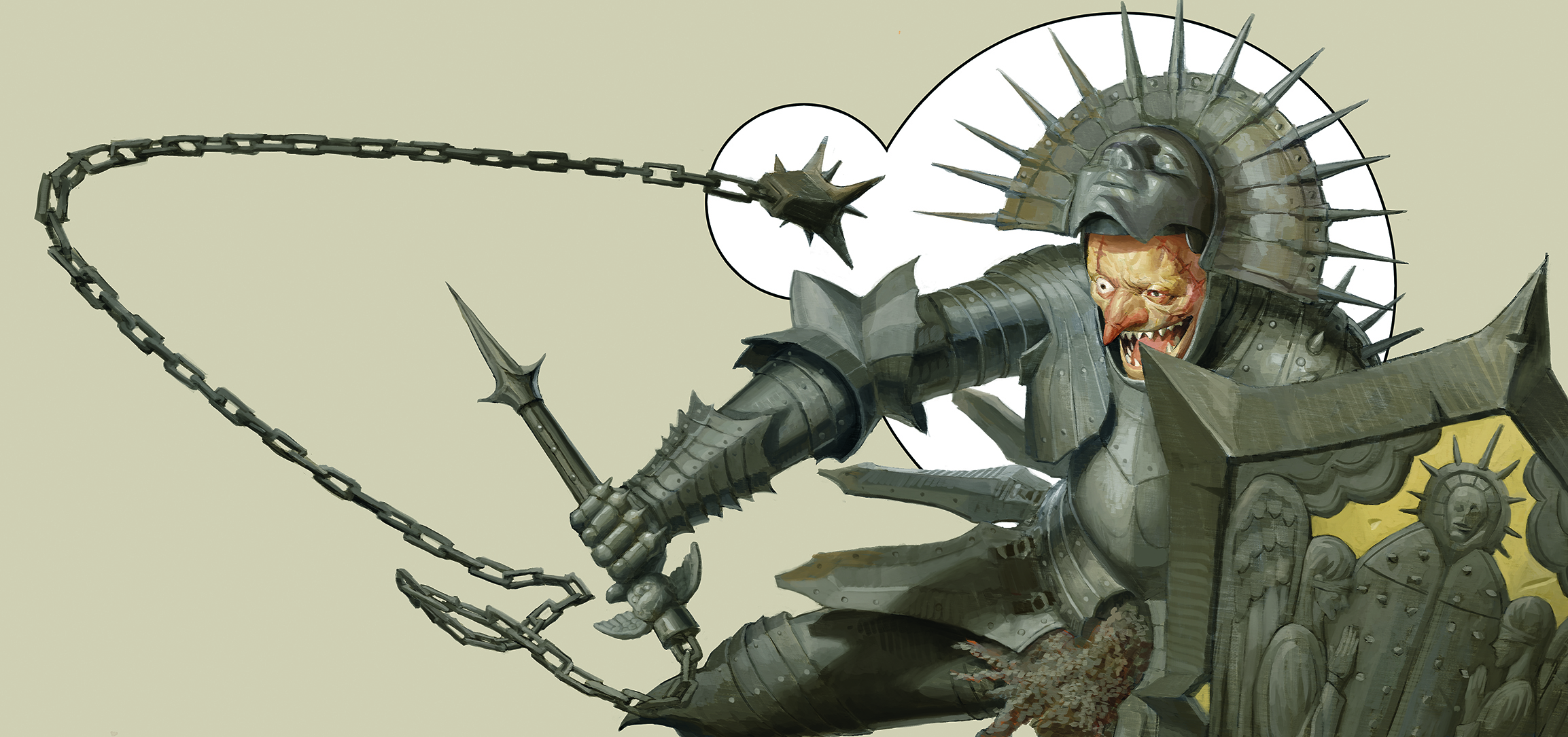
One of Kamanaka’s compelling works, "Iron Goblin," exemplifies his unique blend of influences. He elaborates on the genesis of this piece: "Ideas for my art come from different places. In this case, I was inspired by an iron maiden paired with a goblin who takes great zeal in his work." This seemingly disparate combination – a medieval torture device and a mischievous mythical creature – is transformed through Kamanaka’s artistic lens into a cohesive and intriguing character. The "iron maiden" element likely refers not to the band, but to the historical torture instrument, hinting at a darker, perhaps industrial, aesthetic. The "goblin who takes great zeal in his work" suggests a creature with an obsessive dedication to its craft, perhaps a blacksmith, tinkerer, or even a torturer himself, who finds grim satisfaction in his duties.
The visual execution of "Iron Goblin" likely showcases a meticulously rendered creature, perhaps with metallic elements integrated into its form, reflecting the "iron maiden" inspiration. The goblin’s expression and posture would convey an intense focus, a testament to its zealous nature. The composition, drawing from Golden Age illustration, would likely emphasize a strong silhouette and a sense of dynamic energy, drawing the viewer’s eye through the scene and highlighting the character’s personality. The rich textures and attention to detail, hallmarks of Kamanaka’s style, would further enhance the impact of this darkly whimsical creation.
The Hydra: Choreographing Chaos and Flow
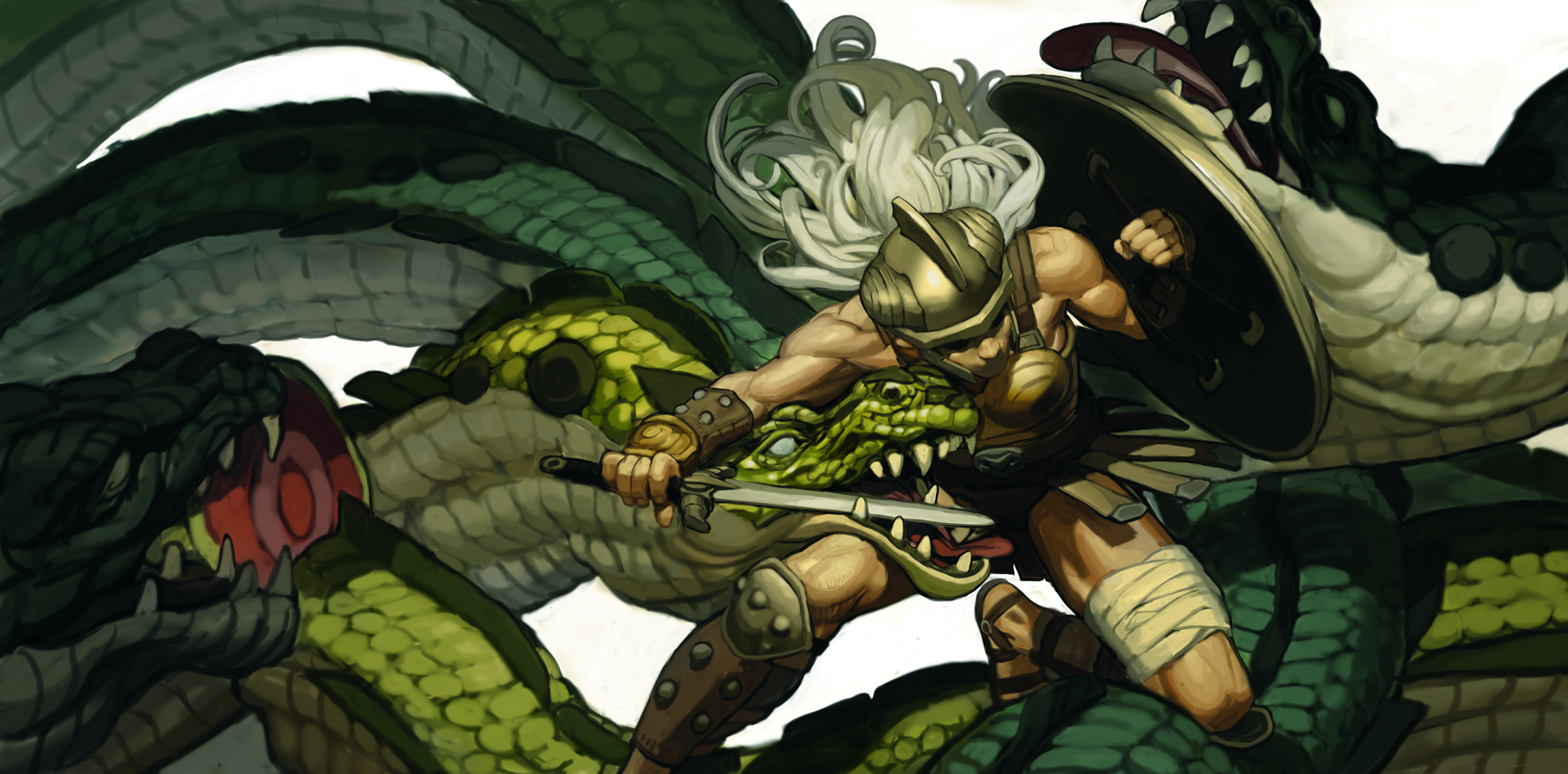
Another striking example of Kamanaka’s artistry is his interpretation of the "Hydra." In this illustration, the artist aimed to capture the visceral intensity of a classic mythological battle: "In this illustration, the focus was to create a dynamic feeling of a hero battling with a hydra, all while creating a flow and pattern with the shapes." This statement reveals Kamanaka’s keen understanding of visual rhythm and narrative momentum. The challenge of depicting a multi-headed serpent battling a hero is immense, requiring a delicate balance between chaotic action and harmonious design.
Kamanaka’s approach prioritizes not just the depiction of the struggle, but the underlying visual language. The "flow and pattern with the shapes" suggests an almost dance-like quality to the combat. The sinuous curves of the hydra’s necks and bodies would likely intertwine with the hero’s movements, creating a visual symphony of action. The composition would be carefully orchestrated to guide the viewer’s gaze through the scene, emphasizing key moments of conflict and perhaps highlighting the cyclical nature of the battle. The Golden Age influence would manifest in the deliberate placement of elements, the use of light and shadow to define form and create drama, and an overall sense of considered artistry, preventing the scene from devolving into mere visual noise. The sheer power and ferocity of the hydra, contrasted with the hero’s courage, would be brought to life through Kamanaka’s masterful rendering.
The Tree Giant: Nostalgia and Natural Grandeur
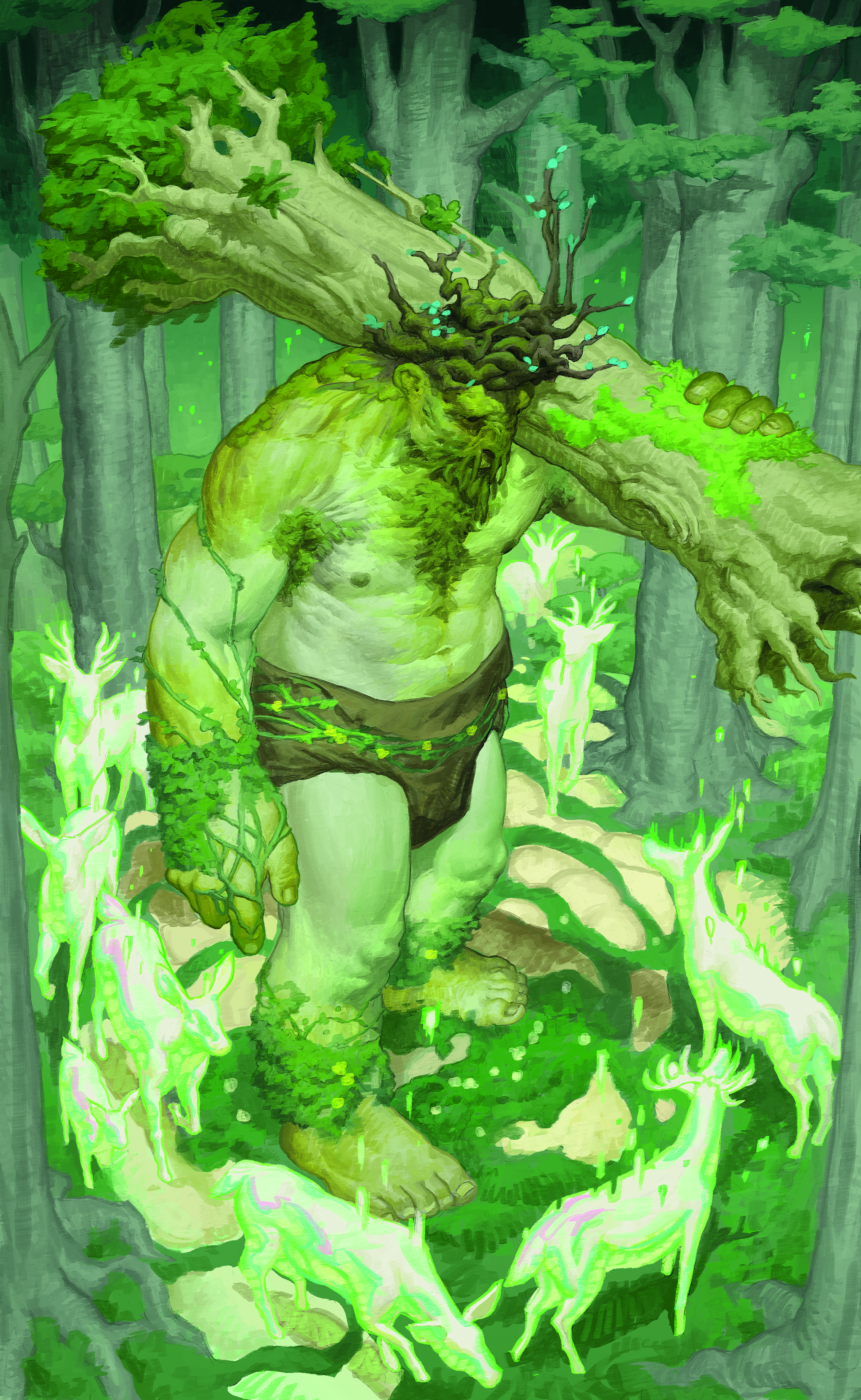
The "Tree Giant" piece further illustrates Kamanaka’s ability to evoke a sense of wonder and timelessness. He shares his intention behind this artwork: "For this piece, I wanted to depict a giant that brought forests to life. I kept some of the initial drawing/line elements to create a somewhat nostalgic, illustrative quality." This piece speaks to a more organic and perhaps benevolent aspect of fantasy. The concept of a giant embodying the life force of a forest is a powerful metaphor, suggesting a connection between colossal beings and the natural world.
The deliberate retention of "initial drawing/line elements" is a key aspect of this work’s appeal. This technique, often seen in classic illustrations, lends a hand-drawn, intimate feel to the digital creation. It hints at the foundational sketching process, allowing the viewer to appreciate the underlying structure and energy of the piece. This approach creates a "nostalgic, illustrative quality," evoking the charm and warmth of traditional art forms. The Tree Giant itself would likely be depicted with textures and forms reminiscent of bark, leaves, and earth, seamlessly blending into its woodland environment. The scale and presence of the giant would be emphasized, conveying a sense of ancient wisdom and gentle power. The overall composition would likely be serene yet majestic, inviting contemplation of the interconnectedness of life.
The Golden Age Influence: A Foundation of Illustrative Excellence
The "Golden Age of Illustration," roughly spanning from the late 19th century to the mid-20th century, was a period of extraordinary artistic output. Renowned illustrators like N.C. Wyeth, Arthur Rackham, and Howard Pyle set a high standard for visual storytelling, characterized by their mastery of composition, dramatic lighting, rich textures, and an ability to imbue their subjects with personality and emotion. These artists created iconic imagery for books, magazines, and advertisements, shaping the visual language of their time.
Kamanaka’s deliberate incorporation of these principles is evident in the foundational structure of his digital works. He doesn’t merely replicate the style but rather understands and applies the underlying principles. This involves:
- Compositional Strength: Golden Age illustrators were adept at arranging elements within a frame to create visual interest, guide the viewer’s eye, and convey a sense of depth and scale. Kamanaka employs similar techniques, ensuring that his fantastical subjects are presented in a manner that is both aesthetically pleasing and narratively effective.
- Dramatic Lighting and Shadow: The masterful use of chiaroscuro and other lighting techniques was a hallmark of the era, used to define form, create mood, and heighten the drama of a scene. Kamanaka translates these techniques into his digital medium, using light and shadow to sculpt his characters and environments.
- Rich Textures and Detail: The tactile quality of paintings and drawings from this period was often emphasized through intricate rendering of textures – the rough bark of a tree, the gleam of metal, the softness of fabric. Kamanaka’s digital brushwork and attention to detail allow him to achieve a similar richness in his own work.
- Character Expression and Storytelling: Perhaps most importantly, Golden Age illustrators were exceptional storytellers. They could convey complex emotions and narratives through the expressions and poses of their characters. Kamanaka’s illustrations often feature characters with distinct personalities, hinting at the stories behind their appearances.
Technical Prowess: Mastering the Digital Medium
While Kamanaka draws inspiration from traditional art forms, his execution is firmly rooted in the digital realm. His choice of Clip Studio Paint is strategic, as the software offers a comprehensive suite of tools optimized for illustration and comic art. These include:
- Versatile Brushes: Clip Studio Paint boasts a vast library of customizable brushes that can mimic a wide range of traditional media, from oil paints to charcoal. This allows artists like Kamanaka to achieve nuanced textures and effects.
- Vector Layers: The software’s support for vector layers offers flexibility in line work, allowing for precise adjustments and scalability without loss of quality – a crucial aspect for clean and dynamic illustrations.
- Coloring Tools: Advanced coloring tools, including sophisticated gradient maps and layer blending modes, enable artists to create rich and sophisticated color palettes, essential for bringing fantastical worlds to life.
- 3D Models and Perspective Rulers: Clip Studio Paint’s integrated 3D model import and perspective rulers significantly aid in establishing accurate and compelling spatial relationships within an artwork, a technique that would have been painstakingly achieved in traditional mediums.
The effective use of these digital tools, combined with Kamanaka’s artistic vision, allows him to bridge the gap between the tactile appeal of traditional art and the efficiency and flexibility of digital creation.
A Growing Portfolio and Artistic Trajectory
Satoshi Kamanaka’s work is a testament to the enduring power of artistic passion and the innovative spirit of contemporary digital art. By harmonizing the imaginative depths of fantasy with the refined aesthetics of the Golden Age, he has carved out a unique niche. His pieces, such as the "Iron Goblin," "Hydra," and "Tree Giant," are not just illustrations but windows into a meticulously crafted artistic universe.

Art enthusiasts and aspiring artists alike are encouraged to explore Kamanaka’s expanding portfolio. His presence on platforms like ArtStation provides a comprehensive overview of his artistic journey and evolving style. His commitment to honing his craft, utilizing powerful digital tools like Clip Studio Paint, and drawing inspiration from the masters of the past positions him as an artist to watch in the global digital art scene. As Kamanaka continues to create, his unique fusion of fantasy and classic illustration promises to inspire and captivate audiences worldwide.
Sources:
- Information provided in the original article snippet.
- General knowledge of the Golden Age of Illustration and its prominent artists.
- Features and capabilities of Clip Studio Paint.