The Satisfying Grip: Navigating the Rise of Fidget Toys and Their Impact on Modern Well-being

In an era defined by constant digital stimulation and an ever-accelerating pace of life, a quiet revolution has been unfolding in the realm of personal well-being. The humble fidget toy, once a niche curiosity, has surged into mainstream consciousness, offering a tangible and accessible solution for managing stress, enhancing focus, and providing a simple yet profound sense of satisfaction. What began as a personal discovery for some has evolved into a widespread phenomenon, prompting a closer examination of its origins, its diverse forms, and its growing significance in our daily lives.
The Personal Discovery: From Office Curiosity to Everyday Essential
The author’s initial encounter with a fidget toy encapsulates the journey many have taken. The memory of a colleague proudly displaying what appeared to be a child’s plaything in a professional setting evokes a sense of initial bewilderment. This sentiment, however, quickly gives way to understanding as the practical application and inherent satisfaction of the toy are revealed. This personal anecdote serves as a microcosm of the broader societal shift, where the perceived stigma surrounding such items has been replaced by an appreciation for their therapeutic and functional benefits.
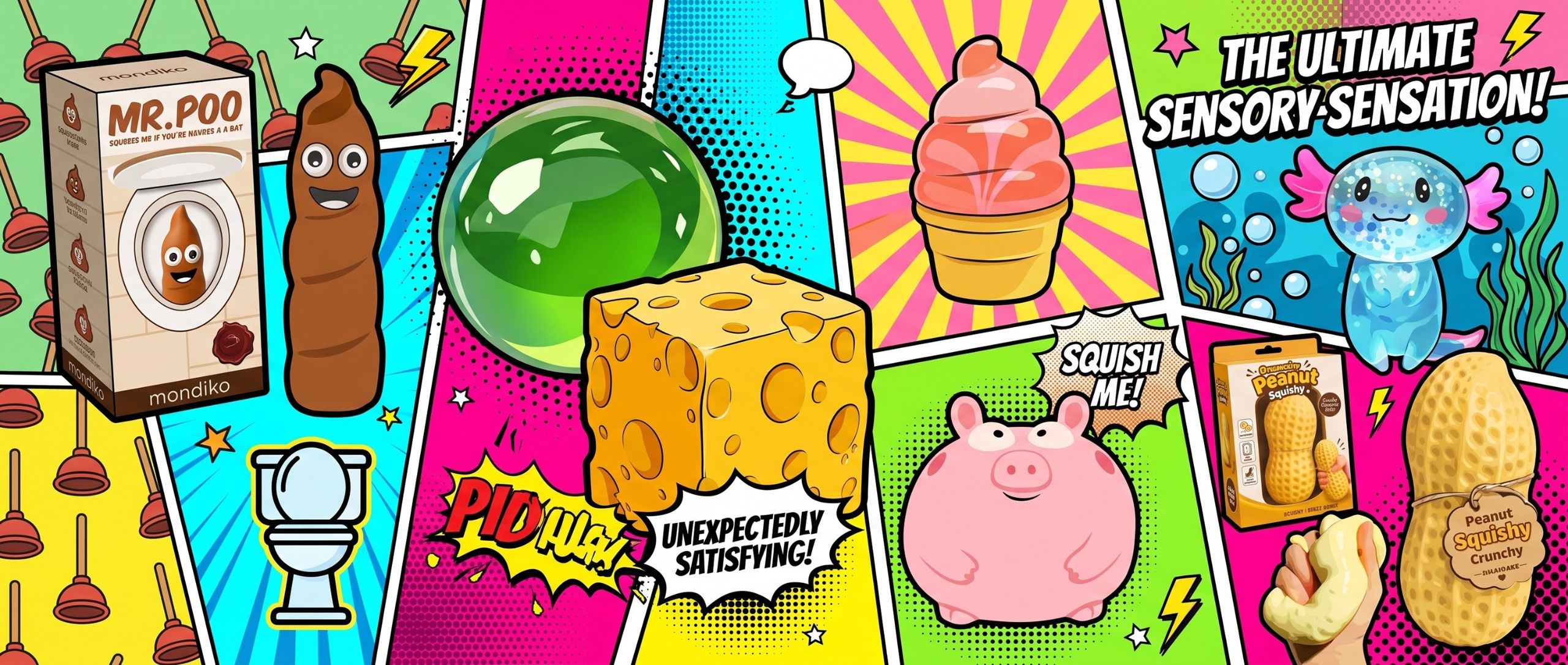
The appeal of fidget toys lies in their discreet nature and their ability to provide a much-needed sensory outlet. In a world that often demands sustained attention and mental fortitude, these small, portable devices offer a subtle yet effective way to channel nervous energy, reduce anxiety, and improve concentration. While they may not possess the immediate visual impact of a meticulously designed keyboard, their understated elegance and tactile appeal have carved out a significant niche in the market for personal wellness tools. The allure of some of the squishier varieties, with their inviting textures and vibrant colors, even borders on the edible, a testament to their playful and comforting design.
A Look Back: The Evolution of the Fidget Phenomenon
While the current wave of fidget toys might seem like a recent invention, the concept of using objects to occupy restless hands has a long and varied history. The desire to self-soothe and regulate through physical manipulation is deeply ingrained in human behavior. From ancient worry stones and prayer beads to modern-day stress balls and spinning tops, people have consistently sought out tactile objects to manage their emotions and enhance their focus.
The modern resurgence of fidget toys can be traced back to the early 2000s and the growing awareness of neurodevelopmental conditions such as Attention Deficit Hyperactivity Disorder (ADHD) and Autism Spectrum Disorder (ASD). For individuals with these conditions, sensory input can be crucial for self-regulation. Fidgeting can help to channel excess energy, improve focus on tasks, and reduce feelings of anxiety or overstimulation. Early iterations of fidget toys were often designed with these specific needs in mind, focusing on providing a variety of textures, movements, and sounds that could be both stimulating and calming.
The development of the now-iconic Fidget Cube, a multi-sided die with various tactile features like buttons, switches, and joysticks, marked a turning point. Its widespread popularity demonstrated a broader appeal beyond individuals with diagnosed conditions. The cube’s compact size, discreet design, and satisfyingly tactile components made it an attractive accessory for anyone experiencing stress, anxiety, or simply seeking a way to occupy their hands during moments of idleness.
This surge in popularity led to an explosion of innovation in the fidget toy market. Manufacturers began experimenting with a wide array of materials, designs, and functionalities. The market diversified to include:
- Spinners: Once a global craze, these multi-pronged devices allowed for continuous spinning, offering a mesmerizing visual and tactile experience.
- Pop-its: These silicone mats with an array of "bubbles" that can be pushed in and popped out provide a satisfying auditory and tactile sensation akin to bubble wrap.
- Squishy Toys: Made from soft, pliable materials like memory foam or silicone, these toys can be squeezed, stretched, and molded, offering a comforting and stress-relieving experience.
- Magnetic Balls and Rings: These allow for the creation of intricate structures and patterns, engaging both fine motor skills and spatial reasoning.
- Tactile Puzzles and Manipulatives: These range from intricate metal disentanglement puzzles to textured sensory balls, catering to a desire for more complex engagement.
The evolution of fidget toys has been driven by both technological advancements in material science and a deeper understanding of human psychology and sensory processing. What started as a simple need for tactile engagement has blossomed into a diverse market offering solutions for a wide spectrum of needs and preferences.
The Science Behind the Squeeze: Understanding the Neurological Benefits
The widespread adoption of fidget toys is not merely a passing trend; it is underpinned by an increasing understanding of their neurological and psychological benefits. While research is ongoing, several key areas highlight why these simple tools can have a significant impact on our well-being:
1. Stress and Anxiety Reduction:
At its core, fidgeting is a form of self-regulation. When we experience stress or anxiety, our bodies release hormones like cortisol. Engaging in repetitive, non-threatening physical actions, such as manipulating a fidget toy, can provide a grounding sensation. This physical activity can help to:
- Release Pent-Up Energy: Nervous energy often manifests as restlessness. Fidget toys provide a safe and acceptable outlet for this energy, preventing more disruptive behaviors.
- Distract from Worrisome Thoughts: The tactile feedback and the focus required to manipulate the toy can act as a distraction, pulling attention away from anxious thoughts and rumination.
- Stimulate the Parasympathetic Nervous System: Gentle, repetitive movements can help to activate the parasympathetic nervous system, which is responsible for the "rest and digest" response, counteracting the "fight or flight" response triggered by stress.
2. Enhanced Focus and Concentration:
Paradoxically, for some individuals, fidgeting can actually improve focus. This is particularly true for those with ADHD, where a lack of sufficient stimulation can lead to distraction and difficulty maintaining attention. Fidget toys can:
- Provide a "Background" Stimulation: By occupying the hands, fidget toys can provide a low-level sensory input that helps to "wake up" the brain and improve alertness. This can prevent the mind from wandering to less productive stimuli.
- Improve Working Memory: Some studies suggest that the physical activity associated with fidgeting can positively impact working memory, allowing individuals to better hold and process information.
- Facilitate Task Engagement: For tasks that require sustained periods of sitting or quiet concentration, a fidget toy can make the experience more bearable and less prone to boredom, thereby increasing engagement.
3. Improved Fine Motor Skills and Dexterity:
Many fidget toys, particularly those with intricate mechanisms or requiring precise manipulation, can contribute to the development and maintenance of fine motor skills. This is beneficial for:
- Children: Early development of fine motor skills is crucial for tasks like writing, drawing, and self-care.
- Adults: Maintaining dexterity can be important for professional tasks, hobbies, and overall hand health.
- Rehabilitation: In some therapeutic contexts, fidget toys can be used as part of a rehabilitation program to regain hand strength and coordination.
4. Sensory Regulation and Input:
For individuals with sensory processing differences, fidget toys can be invaluable tools for managing sensory input. They can provide:
- Proprioceptive Input: The feeling of pressure and movement in the muscles and joints, which can be calming and organizing.
- Tactile Input: The exploration of different textures and temperatures can be both stimulating and comforting.
- A Means of Self-Soothing: The repetitive nature of many fidgeting actions can create a predictable and reassuring sensory experience.
It’s important to note that the effectiveness of fidget toys can vary greatly from person to person and depends on the individual’s specific needs and the type of toy used. What might be a distraction for one person could be a focus aid for another. The key lies in finding the right tool for the right individual and situation.
The Fidget Toy Landscape: A Diverse Ecosystem of Engagement
The modern fidget toy market is a testament to human ingenuity and the diverse ways we seek comfort, focus, and satisfaction. Far from being a monolithic category, fidget toys encompass a vast and ever-expanding ecosystem of designs, materials, and functionalities, each offering a unique sensory experience.
Categorizing the Chaos: Key Types of Fidget Toys
While many toys blur the lines between categories, understanding the primary types can help navigate the market:
- Clickers and Switches: These toys mimic the satisfying action of pressing buttons or flipping switches. Examples include the Fidget Cube, stress relief buttons, and switch toys. They offer a tactile and auditory feedback that can be both engaging and calming.
- Spinners and Rotational Devices: From the ubiquitous fidget spinners to more complex gyroscopic toys, these devices provide a mesmerizing visual and tactile experience through continuous rotation. They are often praised for their ability to induce a meditative state.
- Squeezables and Manipulatives: This broad category includes stress balls, squishy toys made from foam or silicone, and putty. The act of squeezing, stretching, and molding offers a deeply satisfying tactile release and can be highly effective for stress reduction.
- Texture-Based Toys: These toys focus on providing a variety of tactile sensations, such as textured balls, sensory strips, or items with different surfaces. They are particularly beneficial for individuals who seek rich sensory input.
- Puzzle and Dexterity Toys: These are more complex fidgets that involve manipulation, problem-solving, and fine motor skill engagement. Examples include metal disentanglement puzzles, mini Rubik’s cubes, and gear-based toys.
- Wearable Fidgets: Increasingly, fidget functionalities are being integrated into wearable items like bracelets, rings, and even clothing accessories. This allows for discreet and constant access to fidgeting.
Material Matters: The Tactile Foundation
The materials used in fidget toys play a crucial role in their appeal and effectiveness:
- Silicone: Offers a smooth, pliable, and durable surface, often used in pop-its and squishy toys. It’s easy to clean and comes in a wide range of colors.
- Foam: Provides a softer, more compressible texture, ideal for stress balls and some squishy toys. It offers a satisfying give and can be very comforting.
- Metal: Used in puzzles and some premium spinners, metal offers a cool touch, satisfying weight, and a precise feel.
- Plastic: A versatile material used in a wide array of fidgets, from the Fidget Cube to spinners. Its durability and ability to be molded into complex shapes make it a popular choice.
- Wood: Offers a natural, warm texture and a satisfying weight, often found in more artisanal or classic fidget designs.
Aesthetic Considerations: Beyond Pure Functionality
While functionality is paramount, the aesthetics of fidget toys have also evolved. The initial perception of them as purely utilitarian objects has shifted, with many manufacturers now focusing on design. This includes:
- Color Palettes: From vibrant and playful to muted and sophisticated, color plays a significant role in the appeal of fidget toys.
- Form and Shape: The ergonomic design and visual appeal of a fidget toy can enhance its desirability. Some are designed to be aesthetically pleasing enough to be displayed as desk accessories.
- The "Edible" Appeal: As noted, some squishy toys are so visually appealing and texturally inviting that they can evoke a sense of indulgence, albeit a non-consumable one. This highlights the sophisticated design that is now being incorporated into these products.
The sheer diversity of the fidget toy market ensures that there is a suitable option for nearly everyone, catering to different sensory preferences, functional needs, and aesthetic tastes. This breadth of choice is a key factor in its sustained popularity and its integration into various aspects of daily life.
Official Responses and Societal Integration: From Classroom to Office
The widespread embrace of fidget toys has prompted responses and adaptations from various institutions and sectors of society. What was once met with skepticism is now increasingly recognized for its potential benefits, leading to a gradual integration into environments where focus and well-being are paramount.
Educational Settings: A Tool for Learning and Focus
In classrooms, the use of fidget toys has evolved from outright bans to more nuanced approaches. Educators and child psychologists have increasingly acknowledged that for some students, particularly those with ADHD, sensory processing disorder, or anxiety, fidgeting can be a crucial tool for:
- Improving Classroom Engagement: By providing a controlled outlet for restless energy, fidget toys can help students stay seated, attentive, and engaged in lessons.
- Reducing Disruptions: When used appropriately, fidget toys can prevent more disruptive behaviors stemming from an inability to sit still or manage nervous energy.
- Supporting Learning: For some students, the tactile input from a fidget toy can actually enhance their ability to process information and retain knowledge.
Many schools now have policies in place that allow for the use of "quiet" or "discreet" fidget tools in the classroom. The emphasis is often on ensuring that the toys do not distract other students or become a source of noise. The types of fidgets permitted are typically those that are small, silent, and do not require visual attention.
Workplace Adaptations: Enhancing Productivity and Well-being
The professional world is also increasingly recognizing the value of fidget toys. In offices and other work environments, these tools are being adopted to:
- Manage Workplace Stress: The high-pressure nature of many modern jobs can lead to significant stress and anxiety. Fidget toys offer a discreet and readily available method for employees to self-soothe during demanding periods.
- Boost Productivity: For tasks requiring prolonged concentration, such as coding, writing, or data analysis, fidgeting can help maintain focus and prevent mental fatigue.
- Promote a Culture of Well-being: Companies are beginning to understand that supporting employee mental health and well-being can lead to increased productivity and reduced burnout. Providing access to tools that aid in stress management and focus can be a part of this initiative.
Some forward-thinking organizations are even incorporating fidget toys into their office supply budgets or creating "calm-down corners" equipped with various sensory tools. This signals a shift towards a more holistic approach to employee welfare, where mental and emotional well-being are prioritized alongside physical comfort.
Mental Health Professionals: A Complementary Therapeutic Tool
Mental health professionals are also increasingly incorporating fidget toys into their therapeutic practices. They are seen as valuable tools for:
- Facilitating Communication: For individuals who struggle with verbalizing their feelings, the act of fidgeting can help to ease anxiety and make them more open to discussing their experiences.
- Grounding Techniques: Fidget toys can be used as part of grounding exercises to help individuals manage panic attacks or overwhelming emotions by focusing on tangible sensory input.
- Building Self-Regulation Skills: Therapists can guide clients in using fidget toys to develop a better understanding of their own triggers and to practice self-soothing strategies.
The acceptance and integration of fidget toys across these diverse sectors highlight a growing societal awareness of the importance of sensory input and self-regulation in overall well-being. What was once considered a novelty is now being recognized as a legitimate tool for enhancing focus, reducing stress, and improving the quality of life for a wide range of individuals.
The Lasting Impact: Fidget Toys as a Modern Wellness Staple
The journey of the fidget toy, from a curious office accessory to a ubiquitous tool for well-being, reflects a broader societal shift towards prioritizing mental health and self-care. While their initial surge in popularity might have been fueled by trends, their enduring appeal lies in their fundamental ability to address a universal human need: the desire for tactile engagement and emotional regulation.
The diverse landscape of fidget toys, encompassing everything from the satisfying click of a button to the calming squeeze of a squishy object, demonstrates the multifaceted nature of human sensory experience. Each toy offers a unique pathway to alleviate stress, sharpen focus, or simply provide a moment of mindful distraction in an increasingly demanding world.
As research continues to illuminate the neurological underpinnings of fidgeting, its role as a legitimate wellness tool is likely to solidify further. The integration of fidget toys into educational settings, workplaces, and therapeutic practices underscores a growing understanding that small, tangible interventions can have a profound impact on our ability to learn, work, and thrive.
In conclusion, the rise of fidget toys is more than just a fad; it is a testament to our innate need for sensory engagement and our ongoing quest for tools that enhance our mental and emotional well-being. As we continue to navigate the complexities of modern life, these seemingly simple objects will likely remain a valued and accessible resource, offering a satisfying grip on our well-being, one fidget at a time.