The Electric Toothbrush That Became an Unlikely Art Tool: Dyson CameraJet Sparks Creative Outcry
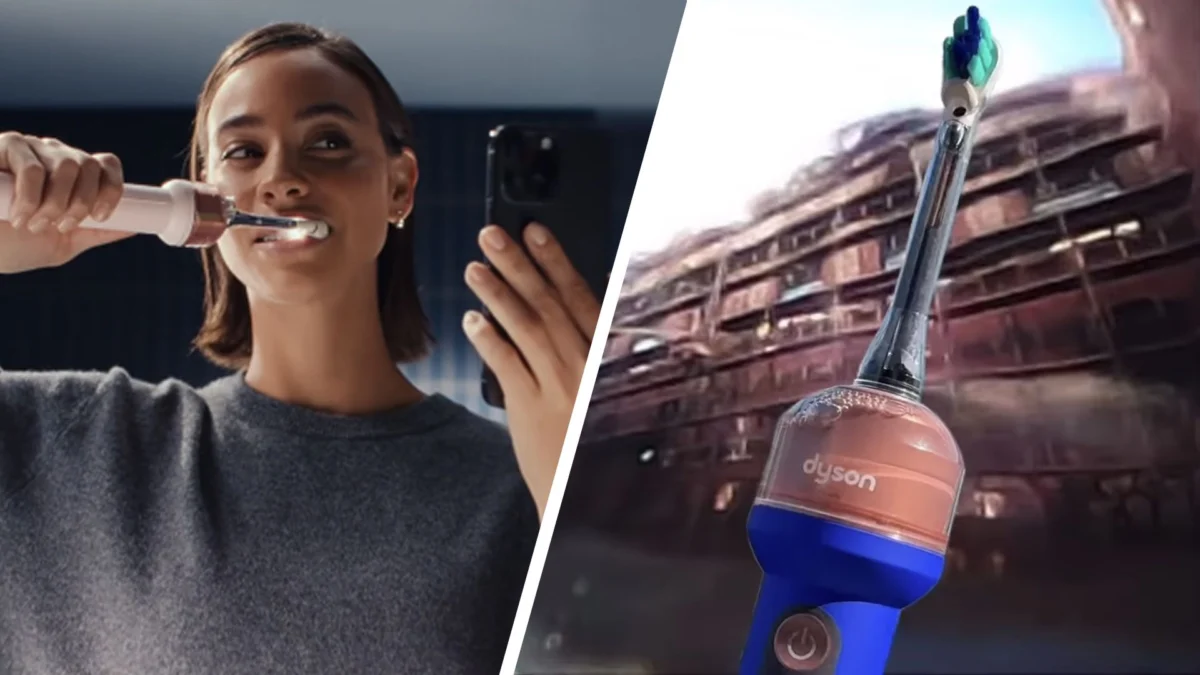
London, UK – In a move that has both baffled and amused the tech and photography worlds, Dyson, a company synonymous with innovative home appliances, has inadvertently unleashed a new contender in the realm of creative expression. The Dyson CameraJet, an electric toothbrush boasting an integrated camera, has transcended its intended oral hygiene purpose to become an unexpected tool for street photography. This development has not only overshadowed the highly anticipated iPhone 18 Pro release but also ignited a conversation about the ever-blurring lines between consumer electronics and artistic mediums.
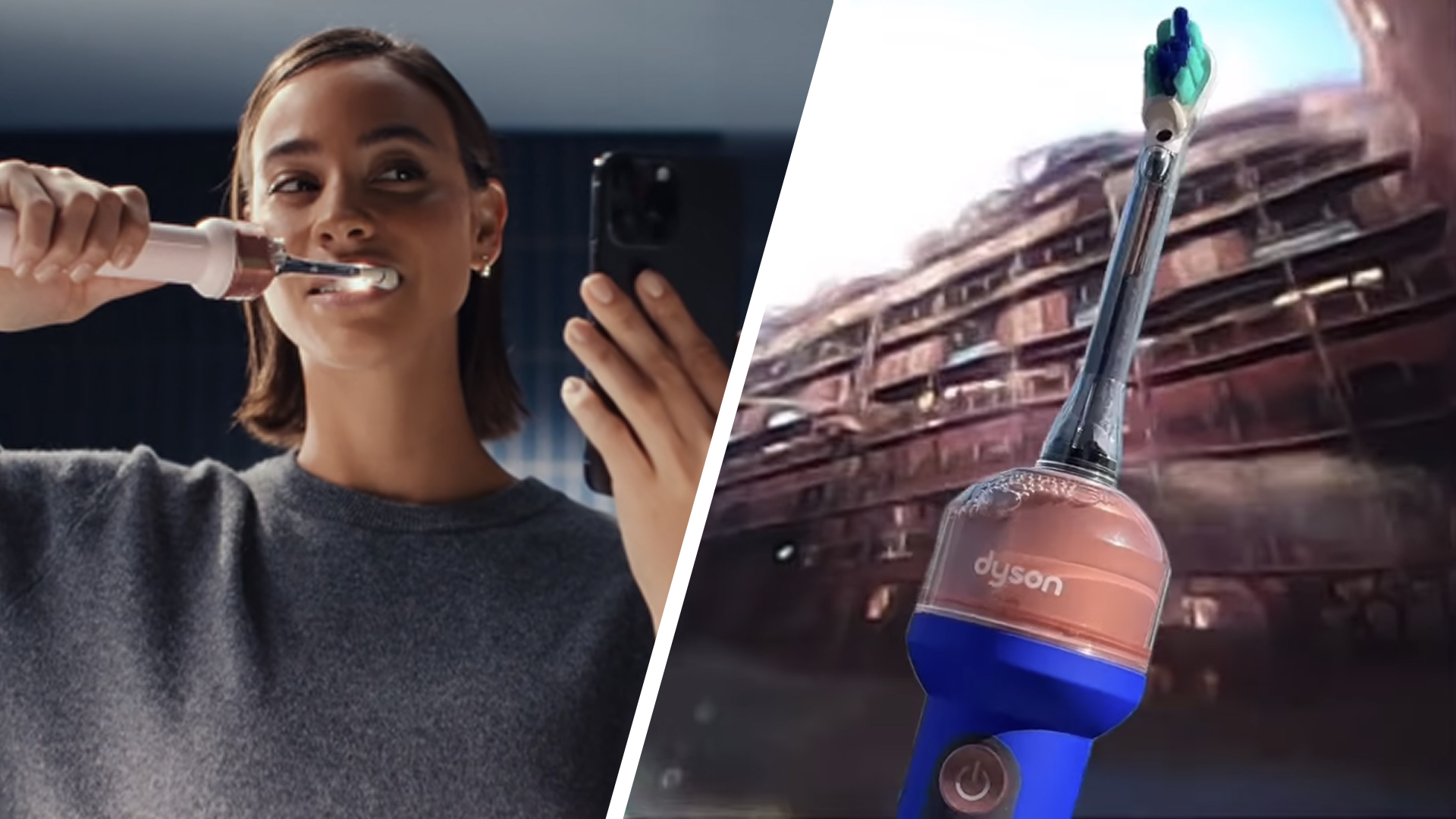
Initially conceived as a revolutionary device for monitoring brushing technique and potentially enhancing oral health through visual feedback, the CameraJet’s unique feature set has been reinterpreted by a resourceful creative, transforming a personal grooming gadget into a digital camera capable of producing strikingly evocative urban imagery. The resulting photographs, characterized by distorted perspectives and unpredictable color palettes, have captured the imagination and demonstrated the potent adage that innovation can often arise from the most unconventional applications.
The Unforeseen Genesis of a "Camera Toothbrush"
The concept of an electric toothbrush with a built-in camera sounds, at first glance, like a product of science fiction or perhaps a niche market catering to a very specific, and likely small, demographic. Dyson, a company that has consistently pushed boundaries in product design and engineering, has once again proven its ability to surprise. The Dyson CameraJet, while ostensibly designed to offer users unprecedented insight into their oral care routines, has presented a unique technological proposition: a device that bridges the gap between personal grooming and digital imaging.
The official rationale behind the camera integration is to provide users with a visual guide to ensure thorough cleaning. By allowing individuals to see exactly where they are brushing, Dyson aims to elevate the efficacy of their electric toothbrushes. However, it is this very camera, a feature that might have been perceived as superfluous by many, that has caught the eye of a more unconventional audience.
The implications of such a device for oral health are, of course, the primary intended benefit. In an era where data-driven insights are increasingly valued, the ability to visually track and improve one’s brushing habits holds significant appeal. The accompanying MyDyson app, designed to sync with the toothbrush, not only provides brushing data but, as has been discovered, offers a pathway to capture images.
A Photographer’s Ingenuity: Redefining the "Shot on a Toothbrush" Narrative
The story of the Dyson CameraJet’s artistic emergence began with a creative individual under the Instagram handle "All Gear No Skill." This account, known for sharing insights into hardware and editing techniques, stumbled upon an entirely novel application for the $499 device. While the CameraJet is not designed to natively record images for later download in the traditional sense, the photographer ingeniously utilized the accompanying MyDyson app to capture screenshots.
This method, though rudimentary, proved remarkably effective. By leveraging the app’s interface, the photographer was able to essentially use the toothbrush’s camera as a point-and-shoot device, albeit with a significant twist. The resulting images are far from conventional. They often exhibit a dreamy, sometimes elegiac quality, a testament to the unique perspective offered by the camera’s fisheye lens. The colors are unpredictable, occasionally veering into an almost infrared-like aesthetic, lending a surreal and dreamlike atmosphere to the urban landscapes captured.
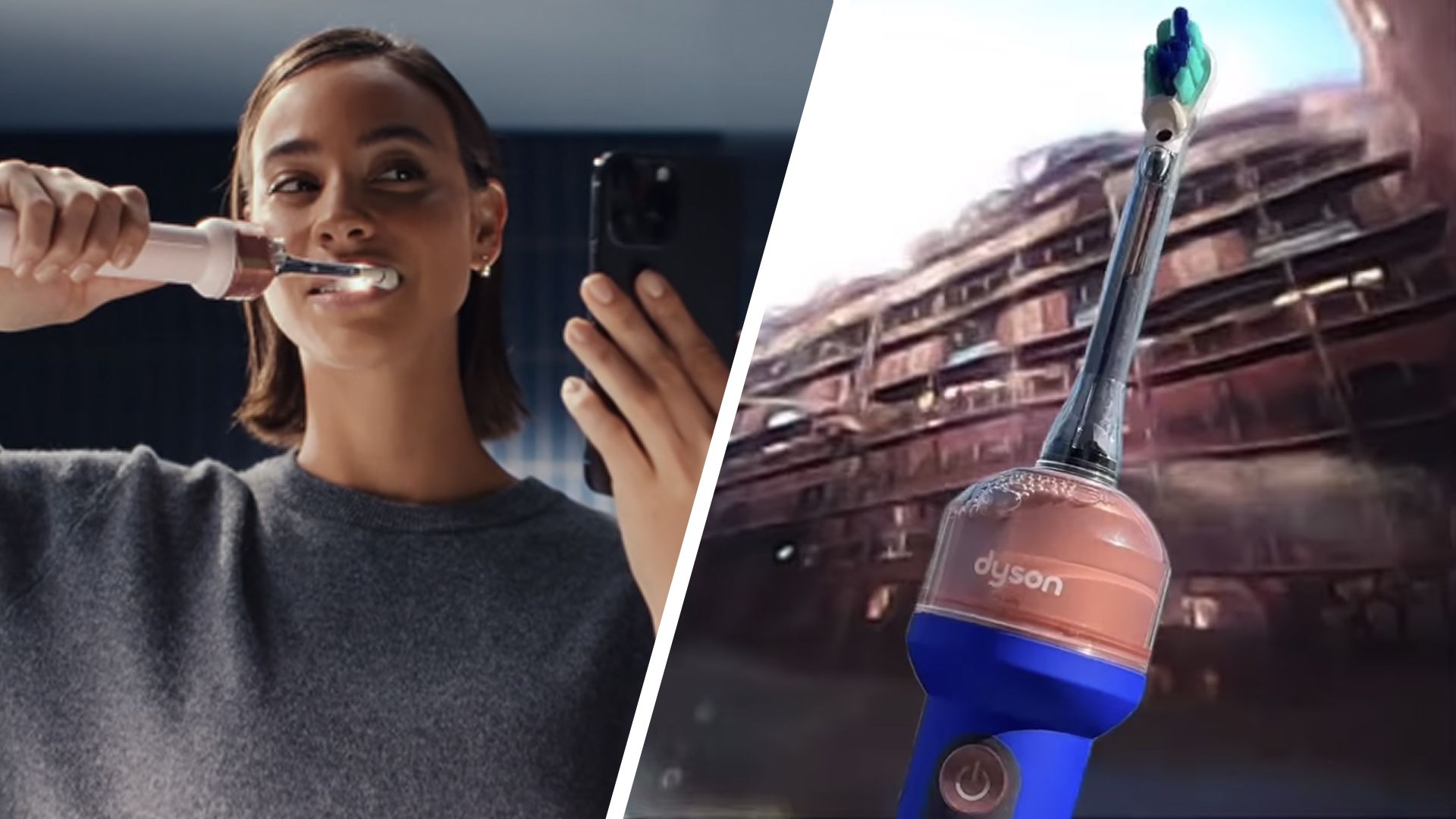
The photographer’s initiative has not only brought attention to the CameraJet but has also highlighted the inherent creativity that can emerge when technology is pushed beyond its intended boundaries. This unexpected artistic foray has led to speculation about a potential "Shot on a Toothbrush" advertising campaign from Dyson, a notion that underscores the surprising and impactful nature of this discovery.
The Technicalities of Toothbrush Photography
The process, as described, involves using the MyDyson app to access the camera feed from the toothbrush. Rather than saving high-resolution images directly, the photographer captures screenshots of the live feed as they maneuver the device to frame their shots. This approach introduces several interesting limitations and characteristics:
- Resolution and Quality: Screenshots, by their nature, may not offer the same level of detail or dynamic range as images captured directly by a dedicated camera. However, the distortion and unique color rendition can, in this case, be seen as artistic assets rather than drawbacks.
- Lens Characteristics: The fisheye lens, likely integrated to provide a wide field of view for oral hygiene monitoring, contributes significantly to the characteristic distortion and expansive perspective of the photographs. This wide-angle view can be challenging to control but also offers opportunities for dramatic and unusual compositions.
- Color Rendition: The unpredictable color shifts observed in the images suggest that the camera’s sensor and processing are not optimized for standard photographic accuracy. Instead, they produce a distinctive visual signature that adds to the artistic appeal.
- User Interface as a Tool: The reliance on screenshots from the app introduces a layer of interaction with the device’s user interface, further blurring the lines between photography and digital interaction.
The Broader Implications: Where Does Technology End and Art Begin?
The emergence of the Dyson CameraJet as an art tool raises profound questions about the nature of creative technology and the role of the artist. In an age saturated with high-end cameras and sophisticated editing software, it is refreshing to see innovation emerge from an unlikely source.
1. Democratization of Creativity: The fact that a relatively affordable (in the context of professional camera gear) and unconventional device can produce compelling art speaks to the increasing democratization of creative tools. While the intent behind the CameraJet was not artistic, its accessibility and unique output have opened new avenues for expression.
2. The "Happy Accident" in Innovation: This situation exemplifies the concept of "serendipity" in technological development. Dyson likely never envisioned their toothbrush being used for street photography, yet this unintended application has garnered significant attention and sparked a creative dialogue. It underscores the importance of open-ended design and the potential for users to discover novel uses for existing technologies.
3. The Shifting Landscape of Photography: The iPhone 18 Pro’s release, a major event in the smartphone photography world, has been eclipsed by a toothbrush. This highlights how the definition of a "camera" is constantly evolving. The quality of the lens, the sensor, and the processing are no longer the sole determinants of photographic potential. User ingenuity and the unique characteristics of a device can also play a crucial role.
4. The Purpose of Technology: The CameraJet’s journey prompts a re-evaluation of the purpose of technology. While its primary function is clear, its secondary application demonstrates that technology can transcend its initial design brief and serve unexpected, even artistic, purposes. This encourages a more holistic view of how we interact with and utilize the devices around us.
5. The Future of "Smart" Devices: As more everyday objects become "smart" and incorporate cameras and connectivity, we can anticipate further instances of unconventional uses. This could range from smart appliances being repurposed for creative endeavors to the development of entirely new forms of artistic expression that leverage the unique capabilities of interconnected devices.
Dyson’s Response and the Market Reaction
As of the publication of this article, Dyson has not issued an official statement regarding the use of the CameraJet for photography. The company’s focus remains on the oral hygiene benefits of the device. However, the growing buzz surrounding the "toothbrush photographer" is likely to attract their attention. It remains to be seen whether Dyson will embrace this unexpected artistic turn or maintain a strictly functional perspective on their product.
The market reaction, particularly in the US and UK, has been notable. The Dyson CameraJet is currently sold out in both regions, suggesting a significant consumer interest, though it is unclear how much of this demand is driven by the photography angle versus the core oral hygiene proposition. This scarcity further amplifies the intrigue surrounding the device and its newfound creative appeal.
The author of the original article humorously speculates on the intended use of the camera, suggesting it might be for influencers documenting their morning routines or for users of augmented reality glasses. While these possibilities highlight the somewhat peculiar nature of a camera on a toothbrush, the reality of its artistic application is far more compelling.
Conclusion: A Brush with Artistic Brilliance
The Dyson CameraJet stands as a testament to the unpredictable nature of innovation and the boundless creativity of the human spirit. What began as a sophisticated tool for dental care has been transformed by an artist’s vision into an instrument capable of capturing the ephemeral beauty of urban life. This unlikely symbiosis between a personal grooming device and a creative medium challenges our preconceived notions of what constitutes a "camera" and where artistic potential can be found.
As the dust settles from the iPhone 18 Pro launch, it is the humble electric toothbrush, equipped with an unforeseen photographic capability, that has truly captured the imagination. The "Shot on a Toothbrush" phenomenon is a potent reminder that inspiration can strike from the most unexpected places, and that sometimes, the most revolutionary artistic tools are those that were never intended to be used as such. The future may well hold more such delightful surprises as technology continues to evolve and integrate into every facet of our lives, inviting us to explore its potential beyond its initial design.