Parker Pen’s Accidental Masterclass: How a Viral Spec Ad Campaign Reshaped Brand Engagement

In an era increasingly dominated by algorithmic content and the pervasive influence of artificial intelligence, a seemingly simple ballpoint pen has become the unlikely protagonist of a marketing phenomenon. The Parker Pen Company, a venerable brand steeped in history, has found itself at the epicenter of a viral creative challenge that has not only revitalized its public image but also provided a compelling case study in the power of authentic social media engagement and agile brand management. What began as a single, unsolicited "spec ad" on LinkedIn has blossomed into a global competition, culminating in a spectacular display on a digital billboard in the heart of New York City’s iconic Times Square, showcasing the collective creativity of hundreds of aspiring and established artists.
This remarkable journey underscores a fundamental truth in modern marketing: the most impactful campaigns can often arise from unexpected sources, demanding a brand’s ability to listen, adapt, and embrace opportunities with remarkable speed. The Parker #SellMeThisPen challenge serves as a potent reminder that genuine human creativity, when amplified by strategic digital engagement, can cut through the noise and forge powerful connections with consumers.
The Spark of Genius: An Unsolicited Spec Ad Ignites a Movement
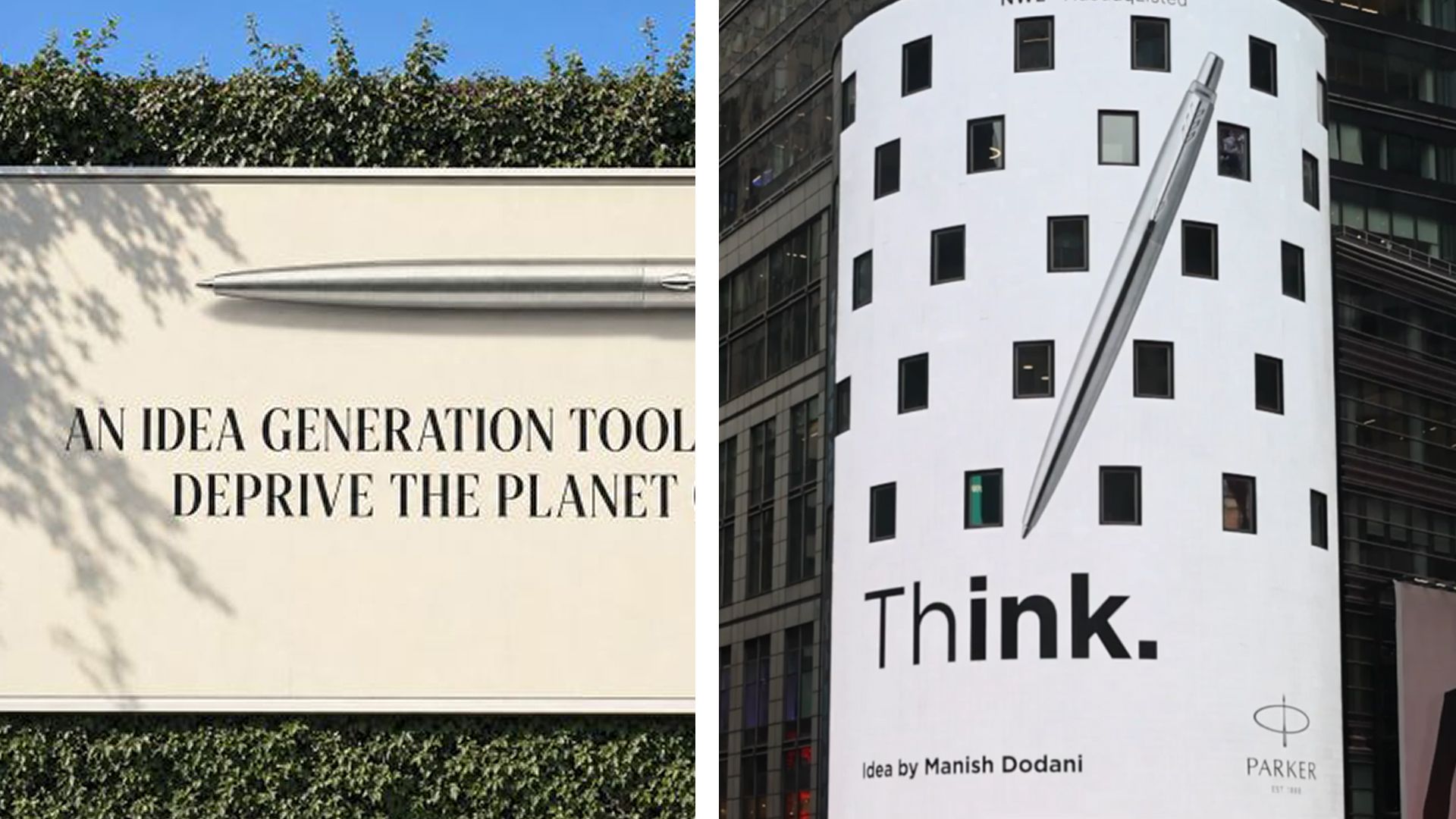
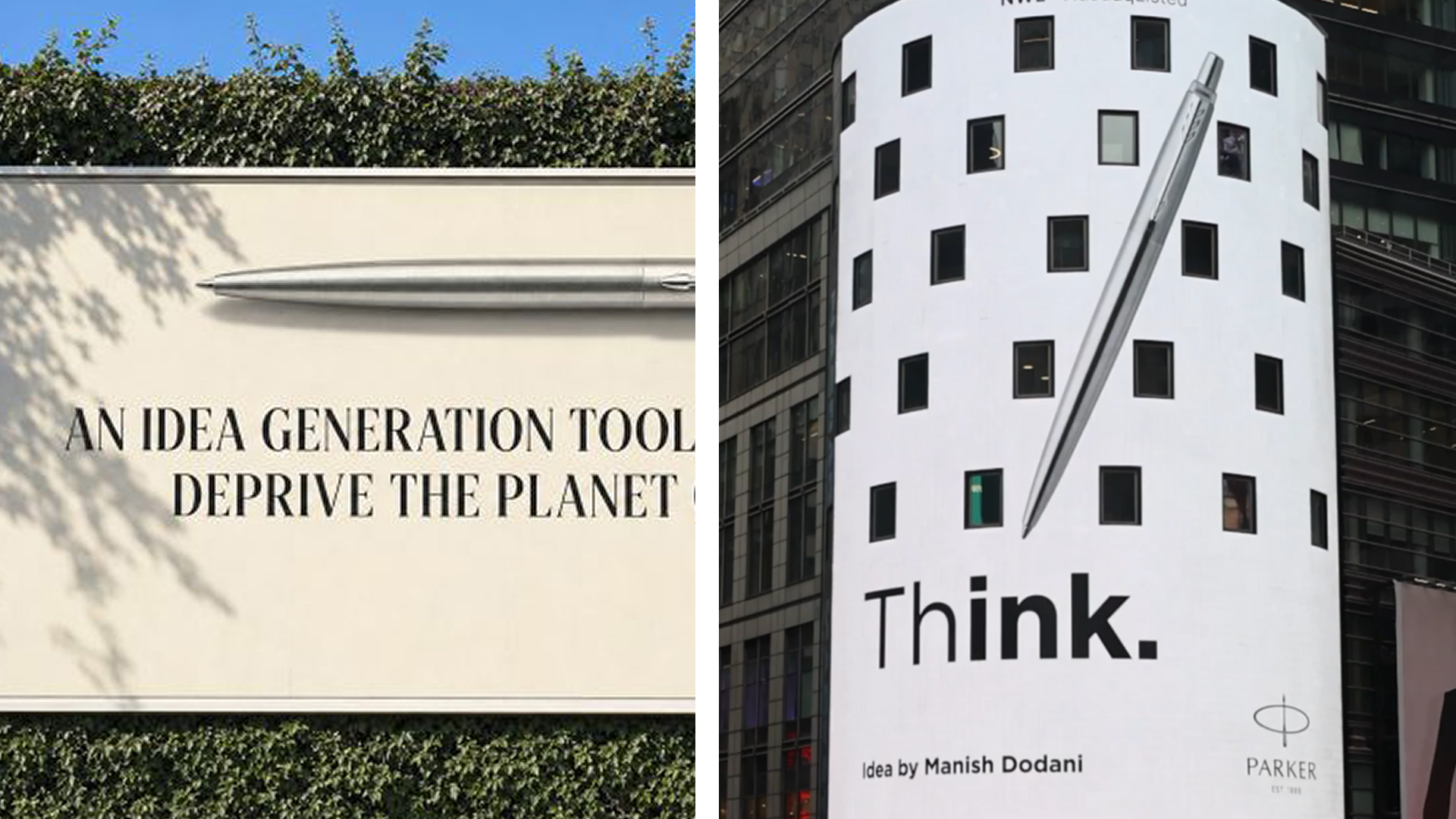
The genesis of this unprecedented campaign can be traced back to a single LinkedIn post by Kushagra Oberoi, a freelance copywriter and creative strategist. In a move that epitomizes the power of speculative advertising, Oberoi crafted an "anti-AI campaign ad idea" for Parker. His creative, which deftly positioned the traditional ballpoint pen as a symbol of human thought and authenticity in an increasingly automated world, resonated deeply with the online community. The post quickly gained traction, amassing thousands of likes and shares, and inadvertently setting in motion a chain of events that would redefine the brand’s marketing trajectory.
Oberoi’s concept was not just visually striking; it tapped into a prevailing sentiment about the potential dehumanizing effects of AI. By framing the pen as a tool for genuine human expression, a counterpoint to the sterile efficiency of artificial intelligence, he struck a chord. This timely and insightful perspective offered a fresh narrative for a brand that, while established, might have been perceived as a relic in the fast-paced digital age. The sheer volume of positive engagement suggested that Oberoi’s idea was more than just a personal project; it was a concept with broad appeal and significant marketing potential.
From Social Media Buzz to a Global Creative Competition
The overwhelming success of Oberoi’s initial post did not go unnoticed. Recognizing the burgeoning interest and the fertile ground for further creative exploration, One Minute Briefs, a platform dedicated to sparking creative challenges, in collaboration with Andrew Tindall, Chief Growth Officer at System 1 (a company specializing in predictive ad testing), seized the opportunity. They launched a formal call for submissions, inviting creatives worldwide to participate in the #SellMeThisPen challenge.
The response was nothing short of extraordinary. Hundreds of submissions, estimated to be around 350, flooded in from every corner of the globe. This deluge of creativity showcased the diverse interpretations and innovative approaches that designers and copywriters brought to the simple prompt: reimagine the Parker pen for a modern audience. The challenge provided a democratic platform, allowing individuals from various backgrounds and experience levels to contribute their unique perspectives and artistic talents. It transformed a single spec ad into a global collaborative effort, demonstrating the immense creative capital that exists within the online community, waiting for the right catalyst.
Rigorous Evaluation: Testing Concepts for Consumer Resonance
To ensure that the most impactful and consumer-relevant ideas were identified, the #SellMeThisPen challenge incorporated a rigorous evaluation process. A shortlist of ten submissions was carefully selected from the hundreds of entries. These finalists were then put through System 1’s sophisticated ad testing platform. This data-driven approach allowed for an objective assessment of each concept’s potential to connect with audiences, measure emotional response, and predict advertising effectiveness.
This crucial step moved the challenge beyond subjective artistic merit and into the realm of quantifiable marketing impact. By leveraging System 1’s expertise, the organizers could identify not just visually appealing ads but those that possessed the strategic depth and emotional resonance to genuinely move consumers. This blend of creative intuition and scientific validation ensured that the final selection represented the best of what the global creative community had to offer.
The Winning Concept: "Think" Emerges Victorious
Among the ten shortlisted concepts, the minimalist yet profound "Think" campaign, conceptualized by Simon Sinclair and Manish Dodani, emerged as the undisputed winner. This design elegantly distilled the essence of the pen’s purpose – to facilitate thought, creativity, and introspection. Its simplicity belied its power, offering a timeless message that contrasted sharply with the often-overwrought nature of contemporary advertising.
The "Think" concept’s triumph highlighted the enduring appeal of clarity and conciseness. In a world saturated with information, a message that encourages pause and reflection can be incredibly powerful. Sinclair and Dodani’s work demonstrated an understanding of how to imbue a seemingly ordinary object with profound meaning, positioning the Parker pen not just as a writing instrument but as a catalyst for human intellect.
From Digital Billboard to Times Square Spectacle: A Brand Embraces the Crowd
The story took an even more remarkable turn when Parker’s parent company, Newell Brands, decided to elevate the challenge from a digital contest to a tangible, high-profile advertising campaign. Just days after the competition concluded, the brand made the bold decision to feature all ten shortlisted ads on a prominent digital billboard in Times Square, New York City. This iconic location, a global hub for advertising and media, provided an unparalleled platform for the crowd-sourced creatives.
This move was a testament to Parker’s astute understanding of the opportunity presented. Instead of simply acknowledging the winning concept, they chose to celebrate the collective effort of all the finalists. Each of the ten selected ads was displayed, with the originator of each idea being prominently credited. This act of magnanimity not only honored the individual creatives but also amplified the sense of community and shared success that the challenge had fostered. The brand became an accidental beneficiary of a vast pool of independent creative talent, transforming a social media buzz into a globally recognized advertising spectacle.
The Accidental Beneficiary: A Masterclass in Crowd-Sourced Advertising
The Parker #SellMeThisPen challenge stands as a powerful exemplar of how brands can leverage the power of crowd-sourced advertising. By actively engaging with user-generated content and demonstrating a willingness to embrace external creativity, Parker inadvertently tapped into a wellspring of innovative ideas. The brand received a diverse range of concepts, each offering a unique perspective on its products and brand identity, all without the traditional costs and constraints of commissioning a large-scale advertising campaign.
The decision to invest real media in one of the world’s most iconic advertising locations for these independently generated ideas underscores a significant shift in marketing strategy. It highlights the value of authenticity and the power of the collective voice. Parker didn’t just run ads; they showcased a curated selection of genuine creative responses, lending an inherent credibility and organic appeal to their campaign. This approach fostered a sense of ownership and participation among the creative community, turning them into vocal advocates for the brand.
Implications and Lessons Learned: Relevancy in a Changing World
The #SellMeThisPen challenge offers a wealth of insights for brands navigating the complexities of the modern marketing landscape:
H2: The Enduring Power of Human Creativity in the Age of AI
At its core, the campaign was a powerful affirmation of human ingenuity in the face of advancing artificial intelligence. Oberoi’s initial "anti-AI" sentiment resonated because it spoke to a desire for authentic human connection and expression. The success of the challenge demonstrates that while AI can be a powerful tool, it cannot replicate the nuanced understanding, emotional depth, and unique perspectives that human creatives bring to the table. Brands that can effectively champion and showcase human creativity will likely forge stronger, more meaningful connections with their audiences.
H2: The Strategic Value of Social Media Listening and Engagement
Parker’s response to the viral spec ad exemplifies the importance of active social media listening. The brand and its parent company were not passive observers; they recognized the momentum and swiftly mobilized to capitalize on it. Their genuine engagement – from acknowledging the initial post to launching a formal challenge and ultimately investing in media placement – transformed a serendipitous event into a strategic marketing triumph. This agility and responsiveness are crucial in today’s fast-paced digital environment, where opportunities can emerge and dissipate with remarkable speed.
H3: Crowd-Sourcing as a Powerful Tool for Ideation and Innovation
The #SellMeThisPen challenge showcases the immense potential of crowd-sourcing for generating fresh ideas and fostering innovation. By opening up the creative process to a global community, Parker benefited from a diversity of thought and a breadth of creative output that would be difficult to achieve through traditional methods. This democratized approach not only yielded a wealth of compelling concepts but also built a community of engaged individuals who felt a sense of ownership and connection to the brand.
H3: Repositioning for Relevance: Timeless Appeal in Modern Contexts
The challenge provided an opportunity for Parker to reposition itself and reaffirm its relevance in a rapidly evolving world. The winning "Think" concept, in particular, underscored the timeless value of human thought and expression, positioning the pen as a tool for creativity and introspection rather than merely a writing instrument. This ability to adapt and find new meanings for established products is critical for brands seeking to remain pertinent in changing times. The campaign successfully reminded consumers of the enduring appeal of analog tools in a digital age.
H3: The Unforeseen Benefits of Spontaneity and Authenticity
The success of this campaign underscores the significant benefits that can arise from embracing spontaneity and authenticity. The challenge was not meticulously planned from the outset; it evolved organically from a single creative spark. Parker’s willingness to pivot and embrace this organic growth, rather than adhering to a rigid marketing plan, allowed for a more genuine and impactful campaign. The authentic nature of the user-generated content and the brand’s genuine appreciation for the creatives contributed to its widespread appeal and positive reception.
A Renewed Appreciation for the Written Word
Beyond the marketing implications, the #SellMeThisPen challenge has also sparked a personal reflection on the value of handwriting. The author’s closing sentiment, "it’s genuinely made me consider going back to using a pen more often, before I forget how to write by hand," resonates with a growing sentiment of rediscovering analog experiences in a digitally saturated world. This unexpected outcome speaks to the campaign’s ability to connect with consumers on a deeper, more personal level, reminding them of the tactile pleasure and contemplative nature of writing by hand.
In conclusion, the Parker Pen Company’s #SellMeThisPen challenge stands as a remarkable testament to the power of collective creativity, strategic social media engagement, and agile brand management. It demonstrates that even established brands can find new life and relevance by embracing innovation, listening to their audience, and daring to be spontaneous. This viral phenomenon has not only generated significant buzz for Parker but has also provided an invaluable blueprint for brands seeking to connect with consumers in authentic and impactful ways in the 21st century.