The New Frontline of Virtual Reality: How Combat Waffle Studios is Fighting the VR Cheating Epidemic
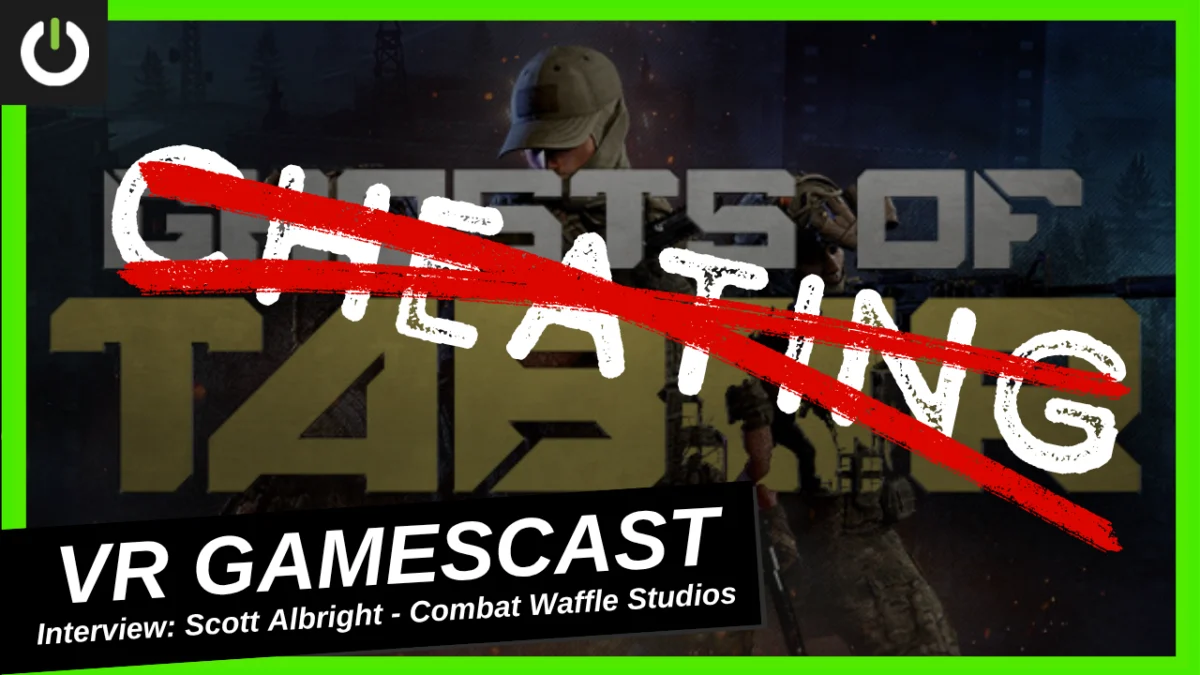
In the rapidly evolving landscape of virtual reality (VR) gaming, the stakes for fair play have never been higher. As immersive environments become more sophisticated, so too do the methods used by those looking to exploit them. For Scott Albright, the founder of Combat Waffle Studios—the developer behind the hit VR extraction shooter Ghosts of Tabor—the battle against cheaters is not just a technical necessity; it is a fight for the survival of the medium’s integrity.
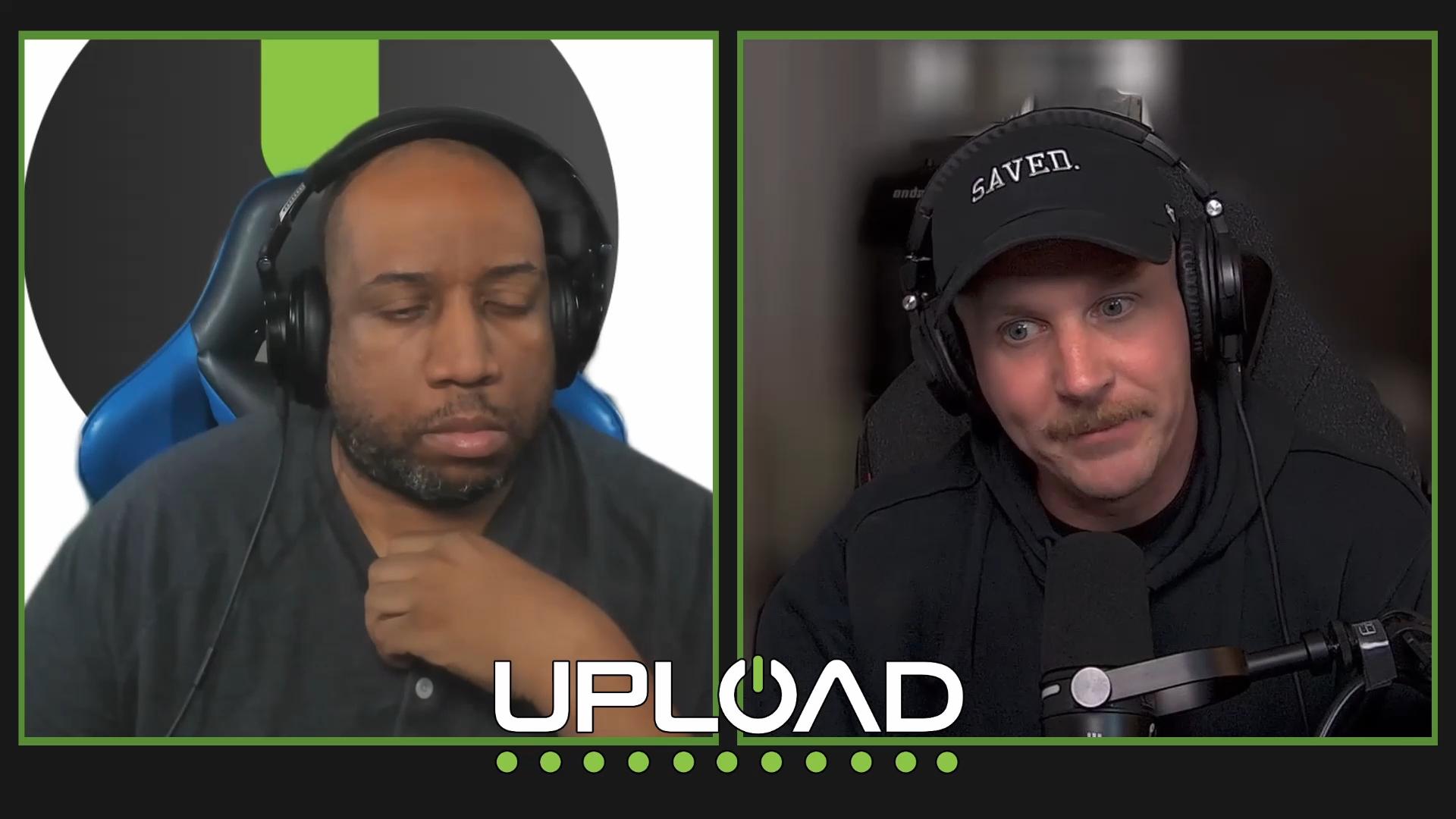
In a recent comprehensive interview on the UploadVR Gamescast, Albright pulled back the curtain on Tomahawk, a proprietary anti-cheat solution developed in-house by Combat Waffle Studios. His insights reveal a stark reality: the current industry leaders in hardware and security are failing to keep pace with the ingenuity of malicious actors, forcing independent developers to take the law into their own hands.
Main Facts: The Birth of Tomahawk and the Failure of Big Tech
The central revelation of Albright’s discourse is the existence and efficacy of Tomahawk. Unlike traditional anti-cheat software designed for PC environments, Tomahawk was built from the ground up specifically for the unique architecture of standalone VR headsets.
The Gap in the Market
According to Albright, the primary catalyst for Tomahawk’s development was a total vacuum in the security market. Major anti-cheat platforms like BattlEye and Easy Anti-Cheat (EAC), which are industry standards for PC gaming, are not natively compatible with standalone VR environments (such as the Meta Quest ecosystem). While these tools function when a VR headset is tethered to a powerful PC, they offer no protection for the millions of users playing natively on mobile-chipset-driven hardware.
A Proprietary Solution
Tomahawk is now protecting over 2.6 million accounts across various titles. It serves as a specialized shield that monitors the integrity of the game’s files and the state of the hardware itself. Its primary function is to detect and block "rooted" devices and modified Android Package Kits (APKs)—the file format used to install applications on standalone VR headsets.
Chronology: From Victim to Vanguard
The journey to Tomahawk’s inception follows a classic "cat-and-mouse" narrative, beginning with the early days of Ghosts of Tabor and culminating in a radical hiring strategy.
Phase 1: The "Script Kiddie" Influx
Shortly after Ghosts of Tabor entered the public eye, the development team noticed a surge in suspicious behavior. Albright describes these attackers as "skids" or script kids—young users who use AI-driven tools to bypass basic security measures. These players weren’t necessarily master coders; they were simply leveraging the inherent weaknesses of the Meta Quest’s native security, known as Meta Attestation.
Phase 2: The Failure of Meta Attestation
Combat Waffle Studios initially relied on Meta’s provided security tools. However, Albright’s team quickly discovered that Meta Attestation was "absolutely horrible" and easily bypassed "in the blink of an eye." When the studio realized that the platform holder would not provide a more robust solution, they reached a turning point: they had to build their own or watch their community dissolve under the weight of unfair play.
Phase 3: Hiring the Enemy
In a move reminiscent of federal law enforcement tactics, Albright decided that the best way to catch a thief was to hire one. The Tomahawk development team was birthed from the very people who were previously the biggest cheaters in Ghosts of Tabor.
"We did what the Feds do," Albright explained during the Gamescast. "I found our biggest cheaters and we hired them." These individuals had a history of creating cheats for massive franchises like Call of Duty and had even generated significant revenue in Bitcoin through their exploits. By turning these "black hat" hackers into "white hat" developers, Albright tapped into a deep understanding of exploit logic that traditional security engineers often lack.

Supporting Data: The Impact of Tomahawk by the Numbers
The effectiveness of Tomahawk is not merely anecdotal. Albright provided specific metrics that highlight the scale of the cheating problem in VR and the success of their intervention.
Quantifiable Success
Since the launch of the public-facing version of Tomahawk, the software has achieved the following milestones:
- Rooted Device Detection: Approximately 200 rooted headsets have been identified and blocked.
- Modified APKs: The system has successfully stopped over 4,000 users attempting to play with tampered game files.
- Attempted Cheaters: Nearly 5,000 individuals have been caught in the act of attempting to exploit game mechanics.
- Active Bans: There are currently over 1,000 active bans across Combat Waffle’s titles.
- Scale of Protection: The infrastructure currently manages security for 2.6 million individual accounts.
The AI Factor
Albright noted that the rise of generative AI has accelerated the pace of cheat development. "The kids are relentless," he remarked, noting that if these young users applied their creative problem-solving skills to academics rather than modifying games like Yeeps or Animal Company, they would be "the next Albert Einsteins." The data suggests that AI has lowered the barrier to entry, making robust anti-cheat like Tomahawk more critical than ever.
Official Responses: A Conflict with Platform Holders
One of the more controversial aspects of Albright’s interview was his account of the relationship between Combat Waffle Studios and Meta’s security teams.
Meta’s Alleged Dismissiveness
Albright claims that Combat Waffle Studios attempted to collaborate with Meta to improve the security of the Quest ecosystem. He alleges that his team provided Meta with specific methodologies on how to stop modified APKs and rooted device exploits.

"We’ve even told Meta how to do this and they refused to do it," Albright stated. He further claimed that Meta’s security team explicitly told him that cheating in standalone VR "can never happen" and that "rooted headsets could never happen." The data from Tomahawk, which has caught thousands of such instances, directly contradicts these official assertions.
The Steam Frame Challenge
Looking toward the future, Albright also addressed the upcoming "Steam Frame"—Valve’s rumored foray into a more integrated VR hardware/software interface. Based on his experience as part of the testing pilot program, Albright expressed concern regarding the open-source nature of the Frame.
"The Frame is going to be hard to stop," he admitted. Because the environment is expected to be highly permissive and potentially "rooted from Steam" by design, creating a security layer that doesn’t accidentally "brick" a user’s headset while trying to prevent cheats is a significant technical hurdle that Tomahawk is currently testing.
Implications: The Future of Fair Play in the Metaverse
The development of Tomahawk by an independent studio like Combat Waffle has profound implications for the VR industry at large.
1. The Burden of Security Shifts to Developers
Albright’s experience suggests that developers can no longer rely on platform holders (Meta, Sony, or Valve) to provide a "safe" ecosystem. As VR grows, the responsibility—and the financial cost—of maintaining integrity is falling on the studios themselves. This could create a divide where only well-funded studios can afford to maintain cheat-free environments, while smaller indies are left vulnerable.
2. The Gamification of Security
The decision to hire former cheaters highlights a psychological shift in tech recruitment. Albright noted that his security team gets the same "rush" from catching cheaters as they once did from playing the cat-and-mouse game of creating exploits. This "poacher turned gamekeeper" model may become a standard recruitment strategy for high-stakes online gaming.
3. Standalone VR’s Vulnerability
The revelation that standalone VR is essentially a "Wild West" for modified APKs and rooted devices may give pause to competitive VR leagues and high-stakes eSports. If the hardware is as easily bypassed as Albright suggests, the industry may need a fundamental rethink of how hardware-level attestation is handled.
4. Tomahawk as a Third-Party Service
With 2.6 million accounts already protected, Tomahawk has the potential to evolve from an internal tool into a licensed service for other VR developers. By filling the gap left by BattlEye and EAC, Combat Waffle Studios could become a major player in the VR infrastructure space, not just the gaming space.
Conclusion
Scott Albright’s insights paint a picture of a developer who refused to accept the limitations of the current VR ecosystem. In creating Tomahawk, Combat Waffle Studios has not only protected Ghosts of Tabor but has also exposed a significant security blind spot in the world’s most popular VR hardware. As the "relentless" efforts of script kids and hackers continue to evolve alongside AI, the survival of competitive VR may well depend on whether other developers—and platform holders—follow the trail blazed by the Tomahawk.
For those interested in the technical specifics of the platform, more information can be found at the official site, Tomahawk.gg.