A Life Painted in Dots: Remembering Yayoi Kusama, the Artist Who Found Salvation in Creation
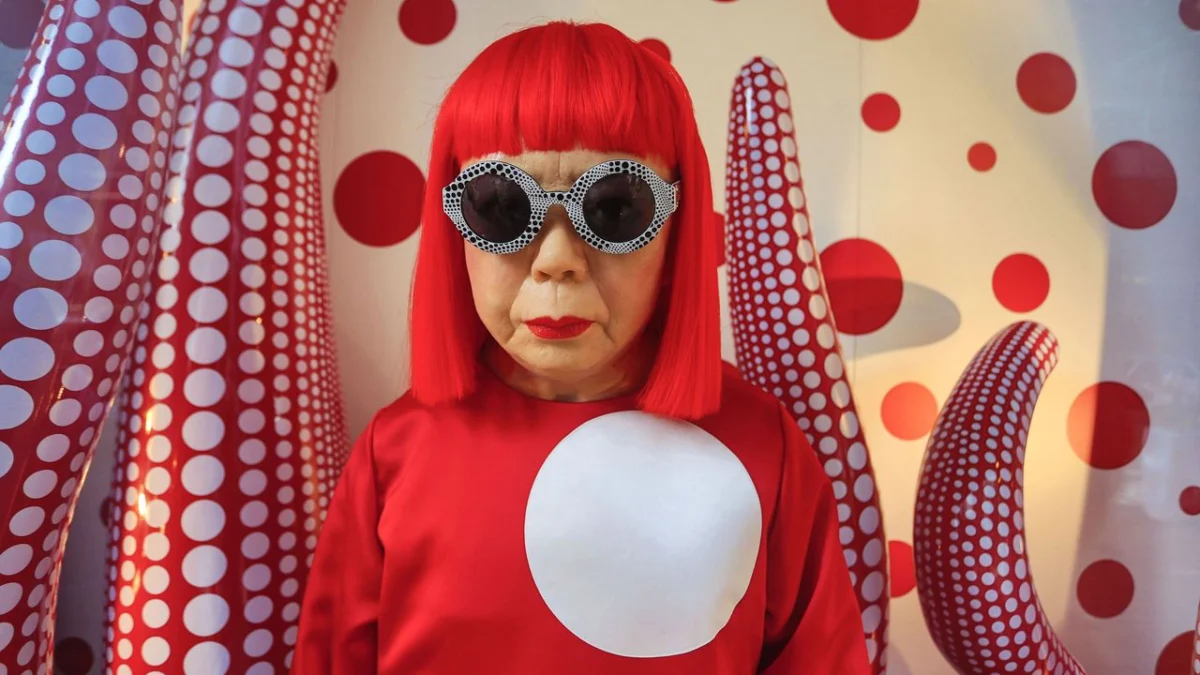
Tokyo, Japan – August 20, 2024 – The world of contemporary art is mourning the loss of Yayoi Kusama, the visionary Japanese artist whose prolific career and distinctive polka-dot motifs captivated global audiences for decades. Kusama passed away peacefully in a Tokyo hospital on August 14th, at the age of 97. Her studio confirmed the news this week, marking the end of an era defined by an unwavering dedication to art as both a therapeutic force and a profound source of joy.
For much of her extraordinary life, Kusama attributed her very survival to her relentless creative drive. She spent over five decades residing in a psychiatric facility in Tokyo, yet her artistic output never wavered. Working from a studio just across the street, she consistently articulated her practice not merely as a profession, but as a vital lifeline, the sole mechanism that allowed her to manage and transcend the debilitating pain, anxiety, and fear that had plagued her since childhood.
While her personal journey was marked by profound internal struggles, Kusama’s artistic voice, particularly when discussing her iconic polka dots, resonated with a palpable sense of glee and affection. This dual nature – art as a sanctuary and art as pure delight – was a philosophy she embraced with fierce consistency, outlasting the creative output of many of her contemporaries. Her life stands as a powerful testament to art’s capacity to serve as both a survival tool and a wellspring of boundless creativity. This article delves into the profound connection Kusama forged with her art, drawing from her own words to illuminate the enduring power of creation.
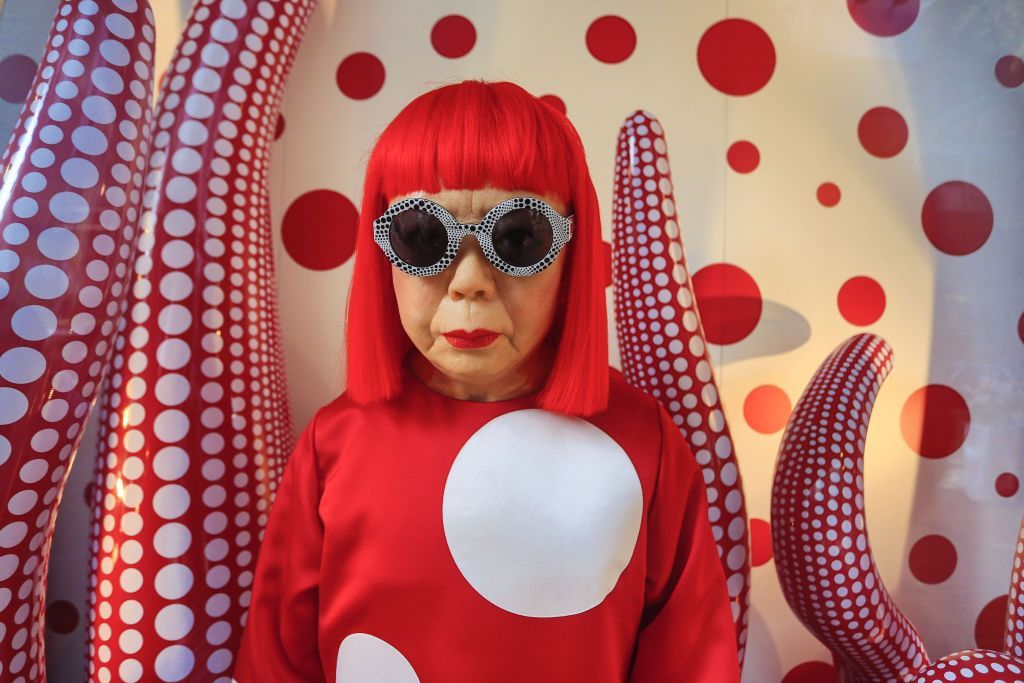
A Life Dedicated to the Canvas: The Unfolding Narrative of Yayoi Kusama
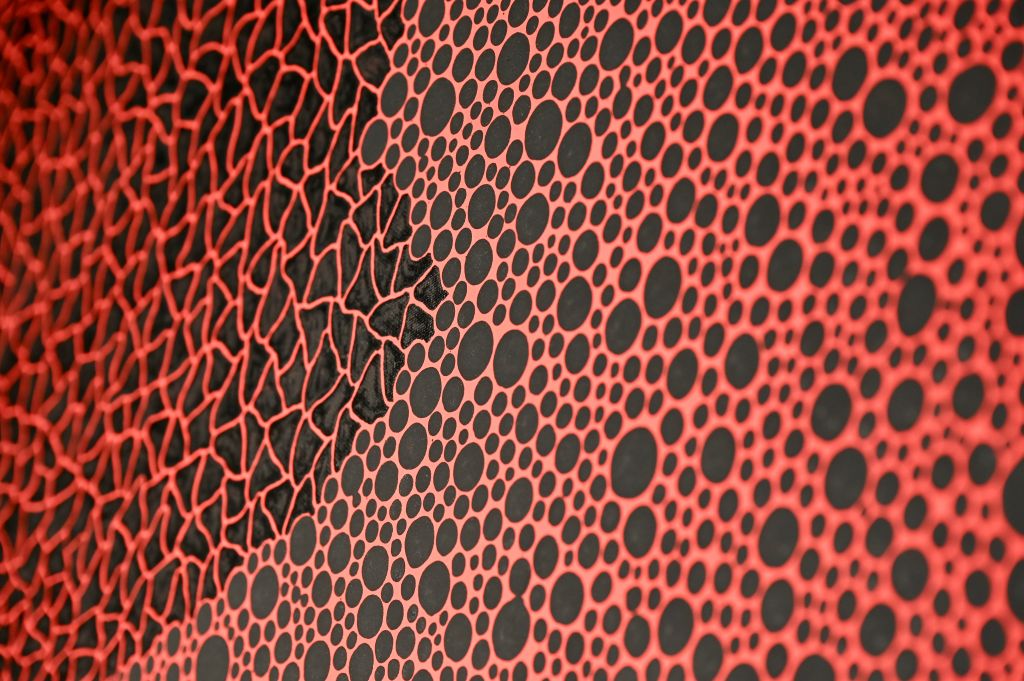
Yayoi Kusama’s journey from a challenging childhood in Matsumoto, Japan, to becoming a global art icon is a narrative woven with threads of resilience, innovation, and an almost superhuman dedication to her craft. Born in 1929, her early life was shadowed by a difficult family dynamic and the onset of hallucinations, which she later described as the genesis of her artistic vision. These visions, often involving infinite repetitions of dots and nets, became the bedrock of her artistic language.
Early Years and the Seeds of Obsession (1929-1950s): Kusama’s childhood was marked by a strict, matriarchal upbringing and strained relationships with her parents. Her mother, in particular, was described as having "tremendous authority," a stark contrast to her "dispirited" father. This environment, coupled with her early experiences of auditory and visual hallucinations, instilled in her a profound sense of unease and a need for an outlet. Art became that outlet, a way to process and externalize the overwhelming internal landscape she navigated. Despite her family’s disapproval of her artistic pursuits, Kusama persevered, attending the Kyoto Municipal School of Arts and Crafts, though she found the traditional Japanese painting techniques stifling.
The Leap to New York and the Rise of an Avant-Garde Icon (1950s-1970s): In 1957, Kusama made the momentous decision to move to New York City, the epicenter of the art world at the time. This move was a bold act of self-determination, a quest for artistic freedom and recognition that her native Japan could not yet offer. In New York, she immersed herself in the burgeoning avant-garde scene, befriending artists like Donald Judd and Andy Warhol. She quickly gained recognition for her immersive "Infinity Mirror Rooms," her soft sculptures, and her audacious happenings. Her signature polka dots, which she saw as a form of self-obliteration and a connection to the infinite, became synonymous with her work. During this period, she also began to grapple more intensely with her mental health, leading to periods of hospitalization. It was during these challenging times that her commitment to art as a therapeutic necessity solidified.
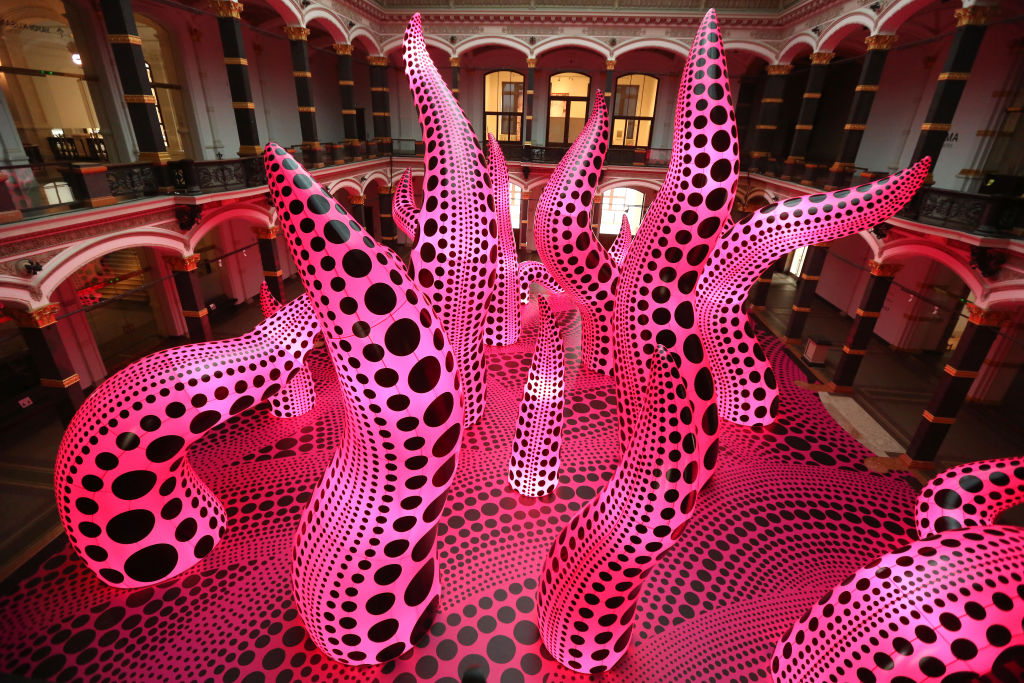
Return to Japan and Continued Evolution (1970s-Present): In 1973, Kusama returned to Japan, initially facing a period of relative obscurity. However, she continued to create, and in the 1980s, her work began to regain international acclaim. She established a studio in Tokyo, and as her fame grew, she continued to reside in a psychiatric facility, choosing to live close to her studio, a deliberate arrangement that underscored her commitment to her art. Her exhibitions became global phenomena, drawing massive crowds to institutions like the Museum of Modern Art in New York, the Tate Modern in London, and the Centre Pompidou in Paris. Her iconic pumpkins, "Infinity Mirror Rooms," and vast canvases continued to push the boundaries of contemporary art, solidifying her status as one of the most influential living artists.
Art as Sanctuary: Kusama’s Personal Philosophy of Creation
Kusama’s unwavering dedication to her art was not born of ambition for fame or fortune, but from a deep-seated need for self-preservation. Her words offer a poignant insight into the profound therapeutic power she found in the act of creation.
The Unrelenting Battle: In her autobiography, Infinity Net, Kusama candidly revealed the driving force behind her lifelong artistic endeavor: "I fight pain, anxiety, and fear every day, and the only method I have found that relieves my illness is to keep creating art." This statement encapsulates the core of her artistic practice – it was a daily, determined battle against internal demons. Art was not an escape from reality, but a direct confrontation with it, a means of channeling and managing the overwhelming forces that threatened to consume her.
Ambition and Purpose: Beyond mere survival, Kusama saw her art as a quest for truth and a fulfillment of her purpose as a human being. In a 2015 interview with Tate, she articulated this ambition with fierce determination: "I’ve sought for truth of art with an ambition and fought like hell all my life to accomplish my purpose as a human being." This reflects a profound understanding of her role as an artist, not just as a creator of objects, but as a seeker of deeper meaning and a contributor to the human experience.
Creating Until the End: A Legacy of Unwavering Output
Kusama’s commitment to her art never waned, even in her later years. Her creative spirit remained vibrant, constantly seeking new avenues of expression and a deeper connection with her audience.
A World in Awe of Life: In a 2023 interview with The Art Newspaper, timed to coincide with the publication of her M+ Hong Kong retrospective catalogue, Kusama spoke of her ongoing creative mission: "I paint every day. I am going to continue creating a world in awe of life, embracing all the messages of love, peace and universe." This statement reveals her enduring optimism and her desire to imbue her work with positive, universal themes, offering a message of hope and interconnectedness to the world.
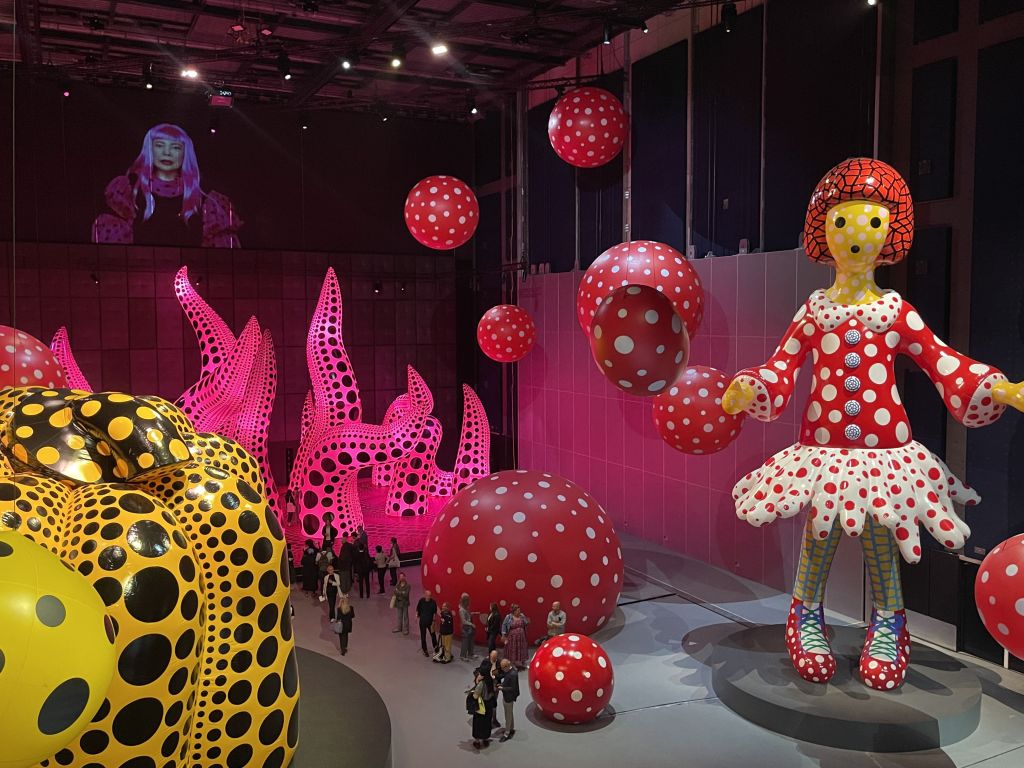
An Endless Wellspring of Ideas: Kusama famously stated that she never ran out of ideas, a testament to her boundless imagination and her ability to continuously reinvent her artistic language. "I do not feel the difference between my earlier creation and now. I never run out of ideas so I shall continue to show new things," she declared in the same 2023 interview. This perpetual wellspring of creativity ensured that her art remained fresh, dynamic, and consistently engaging throughout her career.
Art Beyond Life: Her profound belief in the enduring power of her art extended beyond her own mortality. As quoted in Artnet’s obituary this week, she asserted, "I will keep on making my art until the day I die. And even after I die, my spirit will keep creating new art." This powerful declaration speaks to a spiritual connection with her creative process, a conviction that her artistic legacy would transcend her physical existence.
Legacy and Mortality: Confronting the Infinite
Kusama’s engagement with themes of infinity and mortality was deeply intertwined. Her art, with its repetitive patterns and immersive environments, often evoked a sense of the infinite, a concept that also underpinned her contemplation of her own life and legacy.
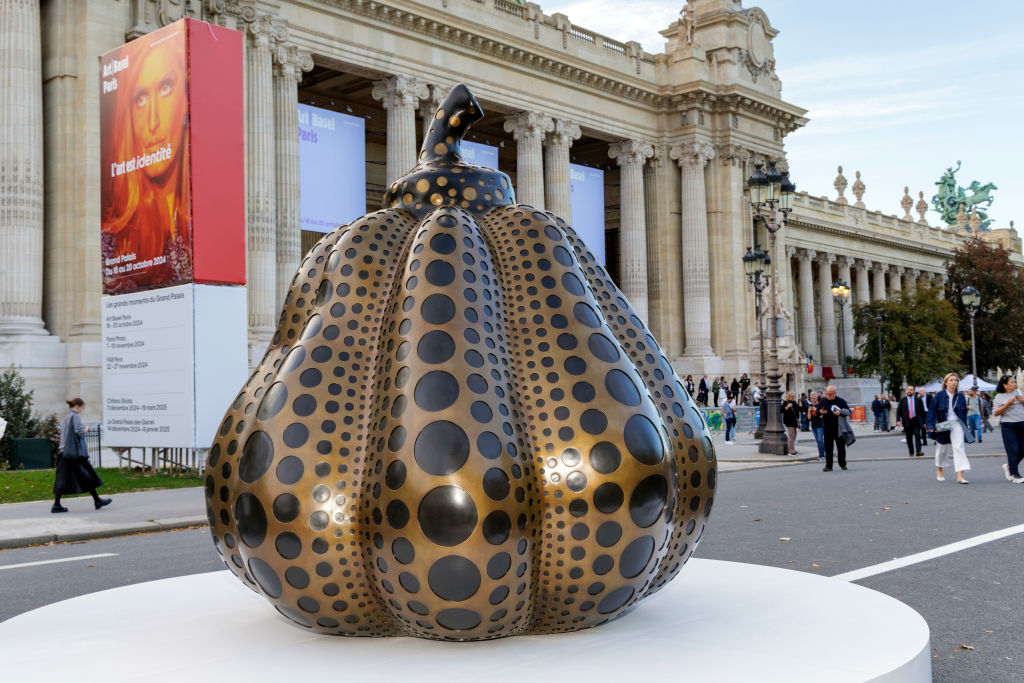
Fighting to the Death for Art: Upon receiving Japan’s prestigious Order of Culture in 2016, Kusama reflected on her life and artistic journey with characteristic candor: "I feel there is little left in my life, but I am now still fighting to the death for my art," and "I am giving all I have so that many people will continue to be interested in my art, even after I am dead." This dual focus on her present struggle and her future legacy highlights her deep commitment to ensuring her artistic voice would resonate long after she was gone.
Expanding Beyond the Canvas: Kusama’s ambition was to create art that transcended the physical confines of the canvas and the gallery space. "I want to create things that are infinite, expand beyond the canvas," she stated, as reported in an Artnet obituary. This desire for her art to permeate and transform the viewer’s experience is a hallmark of her immersive installations and her quest to create a total environment.
On Process and Pure Delight: The Joyful Essence of Polka Dots
While her struggles provided the impetus for her art, the act of creation itself was also a source of immense pleasure for Kusama. Her famous adoration for polka dots embodies this joyful aspect of her practice.
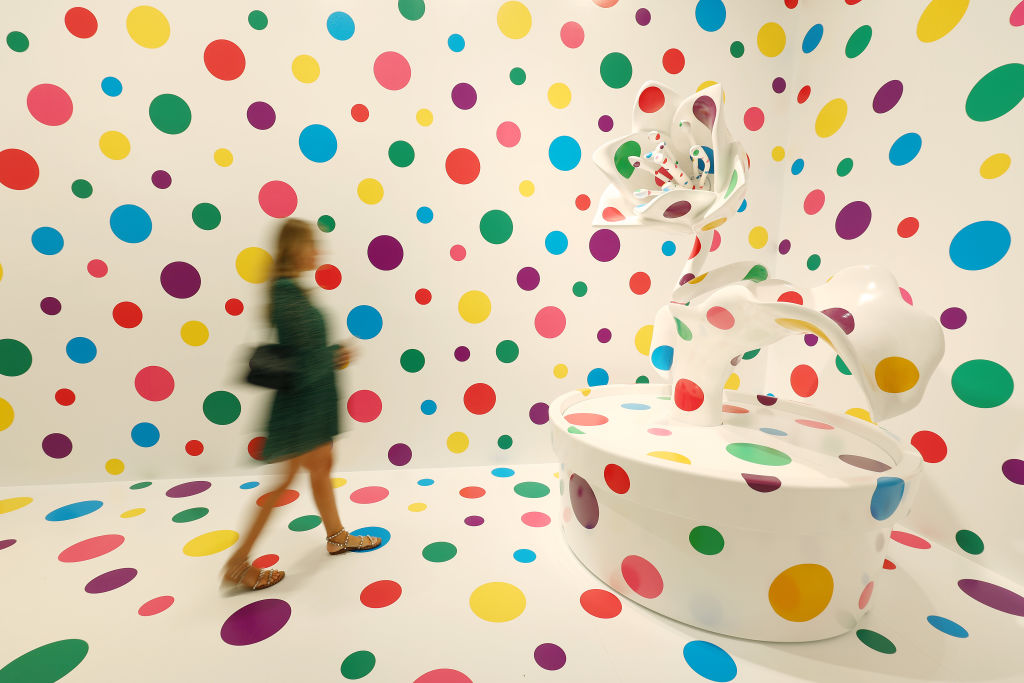
The Fabulousness of Polka Dots: Kusama’s simple yet profound statement, "Polka dots are fabulous," encapsulates the sheer delight she found in her signature motif. For her, these dots were not merely decorative; they were a language, a way to express the infinite, to dissolve the self, and to connect with a cosmic order. Her prolific output of paintings, often stating, "I want to create a thousand paintings, maybe two thousand paintings, as many as I can draw," underscores the continuous flow of creativity fueled by this simple yet potent visual element.
An Unending Commitment: Her unwavering declaration, "I will keep painting until I die," made in a 2012 interview with the Associated Press, serves as a powerful summation of her life’s work. It was a promise to herself and to the world – a promise of continuous creation, a life lived in the vibrant, pulsating rhythm of her art.
Navigating the World: Kusama’s Perspective on Life and Art
Beyond her artistic philosophy, Kusama also offered unique perspectives on her personal experiences, including her challenging upbringing and her interactions with the art world.
Independence and Self-Reliance: When asked about a feminist reading of her work, Kusama responded with characteristic independence: "I am too busy with myself to worry about a man-woman problem. Since I find a refuge in my work, I cannot be bullied by men." This statement highlights her self-sufficiency and her belief that her art provided her with an unassailable inner strength.
Childhood Hardships and Maternal Influence: Reflecting on her childhood, she offered a stark assessment of its impact: "In my childhood, I experienced so much hardship, all thanks to ‘feminism.’ My mother wielded a tremendous amount of authority and my father was always dispirited." While she used the term "feminism" in a personal context, her words point to the profound influence of strong female figures in her early life and the complex emotional landscape that shaped her.
Yayoi Kusama’s life was a profound testament to the power of art to heal, to inspire, and to endure. She spent close to a century channeling her internal world onto canvas and into immersive installations, using art as both a shield and a celebration. Her relentless pursuit of creation, right up until her final years, leaves behind a legacy that will continue to captivate and inspire generations to come, a vibrant, polka-dotted testament to the indomitable human spirit.