High-Stakes Parkour and Dieselpunk Aesthetics: An In-Depth Analysis of Vertigo Rush

The virtual reality (VR) landscape is currently witnessing a fascinating evolution in locomotion. Since the early days of teleportation-based movement—designed primarily to mitigate motion sickness—developers have grown increasingly bold. Today, the industry is seeing a resurgence of "active locomotion," where physical player movement translates directly into in-game momentum. Into this arena steps SumaLab, the indie studio previously lauded for the Crisis Brigade (also known as VRigade) series, with their latest ambitious project: Vertigo Rush.
Currently in Early Access on both Meta Quest and Steam, Vertigo Rush attempts to blend the high-intensity physical movement of games like Gorilla Tag with the structured, competitive racing of Sprint Vector. However, as the title enters the public eye, it brings with it a mixture of innovative promise and the inevitable growing pains associated with early-stage development.
Main Facts: The Launch of a New Racing Paradigm
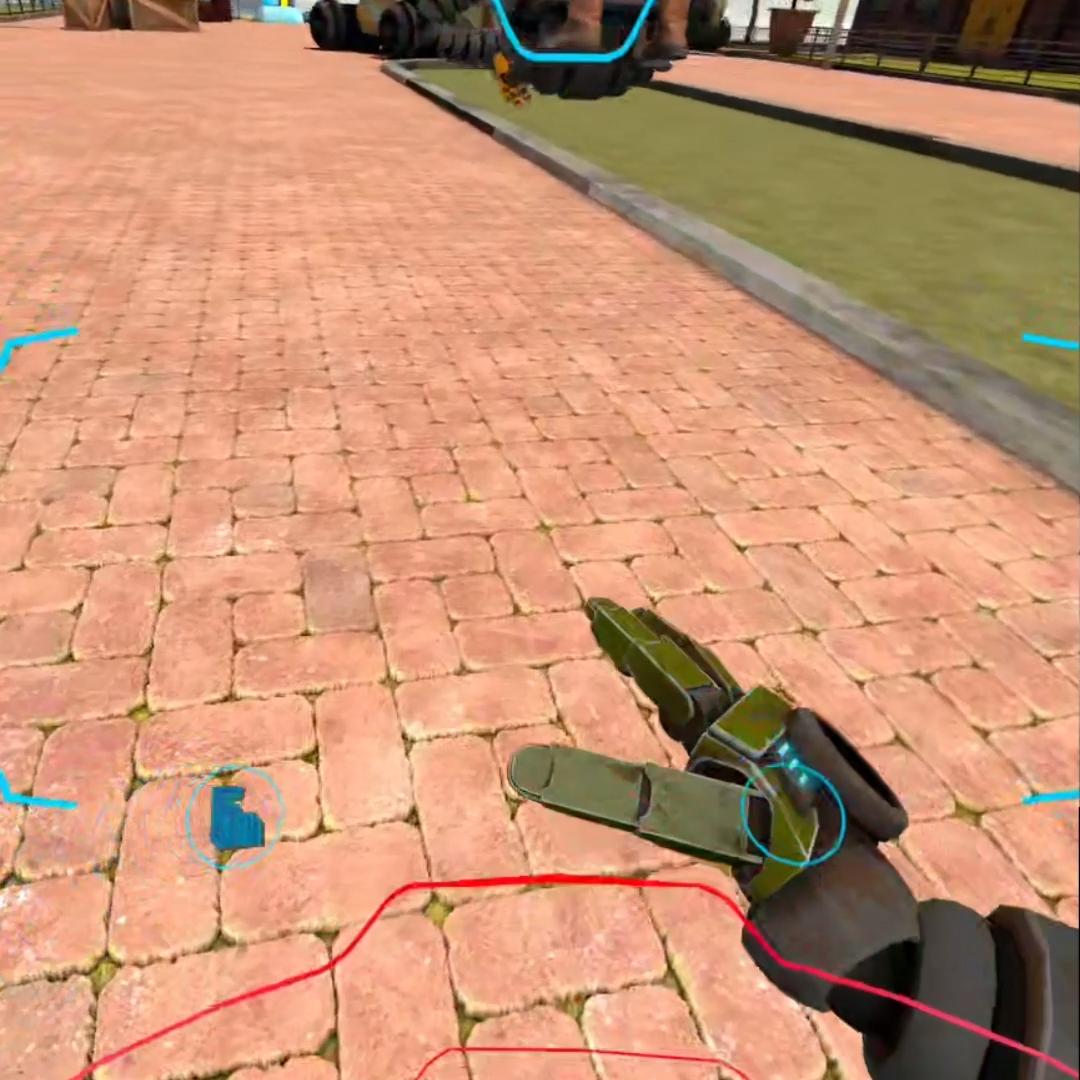
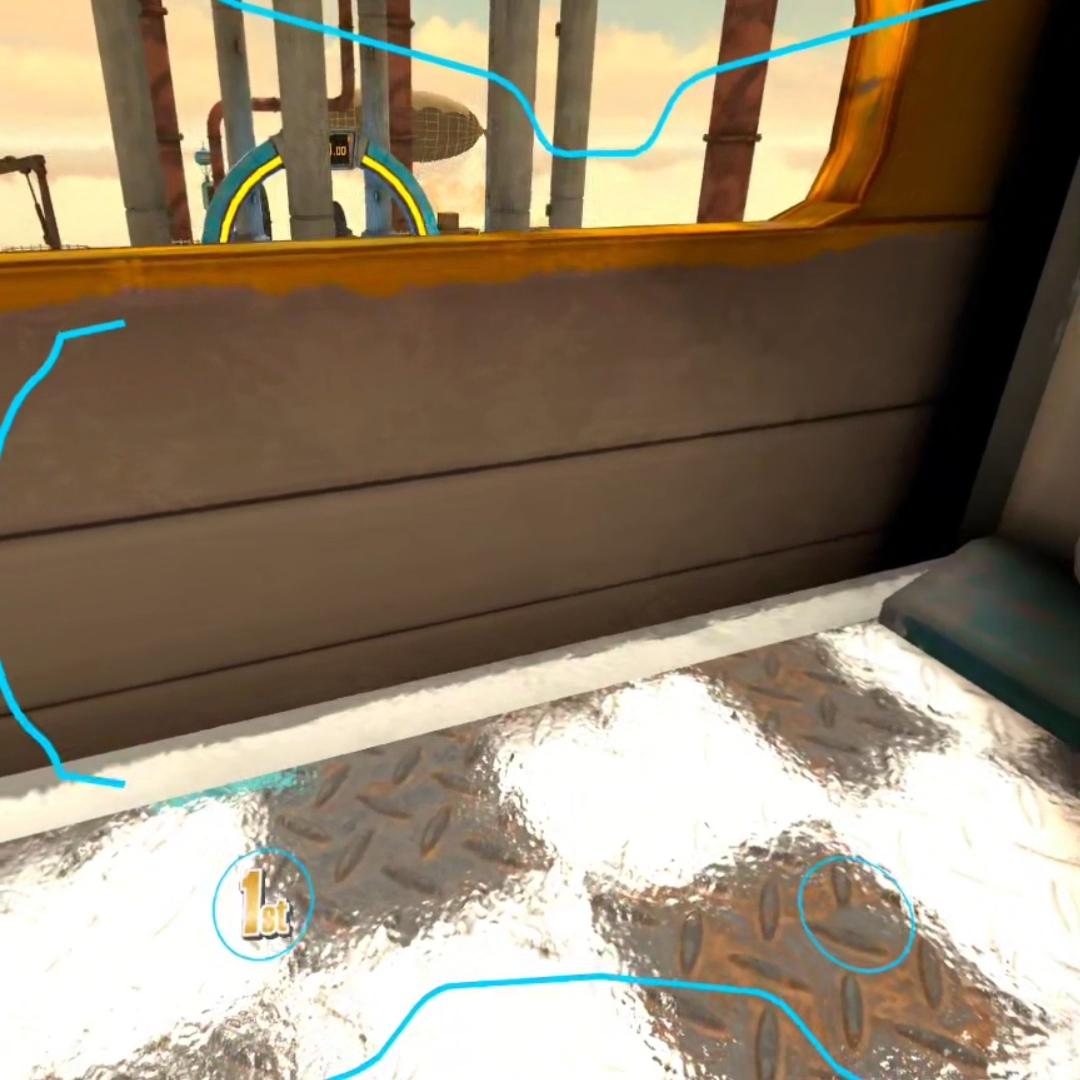
Vertigo Rush is not a traditional racing game. It eschews the sleek, aerodynamic vehicles of Wipeout or F-Zero in favor of a "dieselpunk" aesthetic that feels both nostalgic and industrial. The game positions players as pilots of parkour-capable robots, navigated through a series of urban environments characterized by extreme verticality.
Core Specifications:
- Developer: SumaLab
- Platforms: Meta Quest (released July 1, 2026), Steam (released August 25, 2026).
- Price Point: $14.99 (Early Access)
- Locomotion Style: Arm-swinging movement supplemented by climbing, vaulting, and rocket boosting.
- Current Content: Three campaign cups (three tracks each), Time Trial mode, and private multiplayer via room codes.
The game’s narrative centers on Jack, a street urchin seeking glory in "The Derby," a high-stakes racing tournament. Jack is supported by his engineer sister, Sarah, providing a narrative framework that—while secondary to the mechanics—adds a layer of charm to the industrial, rust-covered world SumaLab has constructed.
Chronology: From Light-Guns to High-Speed Parkour
The development of Vertigo Rush represents a significant pivot for SumaLab. To understand the game’s current state, one must look at the studio’s trajectory over the last several years.

- The Crisis Brigade Era (2018–2022): SumaLab established its reputation with the Crisis Brigade series. These games were love letters to classic light-gun arcade shooters like Time Crisis. They were noted for their punishing difficulty and simple, effective mechanics.
- Conceptualization (2023–2024): Following the success of their shooters, SumaLab began experimenting with locomotion-heavy prototypes. The goal was to move away from static shooting galleries and into the realm of fluid, 360-degree movement.
- Alpha Testing and "The Derby" Vision (2025): The studio began teasing a project that combined the "arm-swinging" movement popularized by Gorilla Tag with a more structured racing format.
- Meta Quest Launch (July 1, 2026): Vertigo Rush debuted on the Meta Quest Store. Initial feedback praised the art style but noted a need for more robust content.
- Steam Early Access Launch (August 25, 2026): The game expanded to PC VR, allowing for higher fidelity textures and a broader player base to stress-test the multiplayer components.
Supporting Data: Mechanics, Locomotion, and Technical Hurdles
The success of any VR racing game hinges on its locomotion system. Vertigo Rush utilizes a system where the player must physically swing their arms to simulate the running motion of the robot. While this provides an immersive workout, it introduces several technical challenges.
The Locomotion Skill Curve
In testing, the arm-swinging mechanic has proven to be "finicky." Unlike Orion Drift, which offers a more forgiving interpretation of physical movement, Vertigo Rush requires precise rhythm. If a player’s arm movements fall out of sync with the game’s internal physics engine, the robot "stalls," losing all forward momentum. While this creates a high skill ceiling—rewarding players who can maintain a perfect cadence—it can be a source of significant frustration for newcomers during the first few hours of play.
Level Design and Verticality
Data from the early tracks suggests that SumaLab’s strength lies in level geometry. The courses are not flat loops; they are three-dimensional puzzles. Players must:
- Vault over low-level obstacles.
- Climb vertical surfaces using hand-over-hand movements.
- Grind rails that offer a brief respite from physical exertion while maintaining high speeds.
- Rocket Boost across massive gaps, requiring careful resource management.
The Cosmetic vs. Functional Gap
Currently, the game features a variety of unlockable characters and robots. However, technical analysis of the game’s current build reveals that these differences are purely aesthetic. In competitive racing titles like Mario Kart, different vehicles offer varying stats (speed, acceleration, handling). In its current Early Access state, Vertigo Rush lacks this depth, meaning a "heavy" industrial bot handles identically to a "light" scout bot.
Official Responses and Developer Roadmap
While SumaLab has not released a formal "State of the Game" address following the Steam launch, their Early Access documentation and community interactions point toward a clear development philosophy.
The studio has emphasized that the "Early Access" label is being used in its truest sense: a period for mechanical refinement based on user data. SumaLab representatives have indicated that the current AI difficulty is "baseline" and intended to help players learn the tracks rather than provide a permanent challenge.
Furthermore, the lack of an open matchmaking system—currently restricted to room codes—is a deliberate choice to ensure server stability before opening the floodgates to a global player base. The developer has hinted that "Open Lobbies" and "Global Leaderboards" are high-priority items on the roadmap for late 2026.
Regarding the "finicky" movement, the studio has stated they are "fine-tuning the physics of momentum" to find a balance between a hardcore simulator and an accessible arcade racer.
Implications: The Future of VR Racing and Fitness
The release of Vertigo Rush carries several broader implications for the VR industry, specifically regarding health, social play, and the "Early Access" model.
1. The Intersection of Gaming and Fitness
Vertigo Rush belongs to a growing sub-genre of "VR Fitness" games that don’t market themselves as such. By tying high-speed racing to physical arm movement, the game encourages cardiovascular activity. If SumaLab can successfully smooth out the locomotion, Vertigo Rush could become a staple for VR users looking to combine their workout with competitive play.
2. The Comfort Barrier
The game’s intense verticality and rapid movement present a significant challenge for VR comfort. With limited comfort vignettes or "tunnel vision" options currently available, Vertigo Rush acts as a "litmus test" for a player’s "VR legs." For the genre to reach a mass audience, SumaLab will likely need to implement more robust comfort settings to accommodate those prone to motion sickness.
3. The "Early Access" Reputation
There is a growing fatigue among gamers regarding Early Access titles that remain in "development hell" for years. SumaLab’s history with Crisis Brigade—which saw consistent updates and a successful full release—provides some confidence. However, the current lack of content (only nine tracks in the campaign) means the studio must move quickly to add substance before the initial player interest wanes.
4. Family and Social Connectivity
The inclusion of family sharing is a strategic move. VR headsets are increasingly becoming household devices rather than solo enthusiast tools. By allowing families to share the game and play via room codes, SumaLab is positioning Vertigo Rush as a "Gen Alpha" friendly title, potentially capturing the same demographic that turned Gorilla Tag into a cultural phenomenon.
Conclusion: A Work in Progress with High Upside
Vertigo Rush is a charming, visually distinct entry into the VR racing genre. It captures the "dieselpunk" vibe with excellence and offers a level of verticality rarely seen in racing games. However, its current state is undeniably "lean."
The success of the game will ultimately depend on three factors:
- Refining the Locomotion: Making the arm-swinging feel more intuitive and less prone to frustrating stalls.
- Expanding Content: Adding functional differences to the robots and increasing the track count.
- Lowering the Social Friction: Implementing open matchmaking to allow for a consistent competitive scene.
For now, Vertigo Rush is a promising prototype of what the future of active VR racing could look like. It is a "buy" for those who enjoy physical VR games and have the patience for Early Access hurdles, but more casual fans may want to wait until the "The Derby" is a bit more crowded.