The Temporal Tapestry of the Pampas: Alessandra Sanguinetti’s ‘The Illusion of an Everlasting Summer’
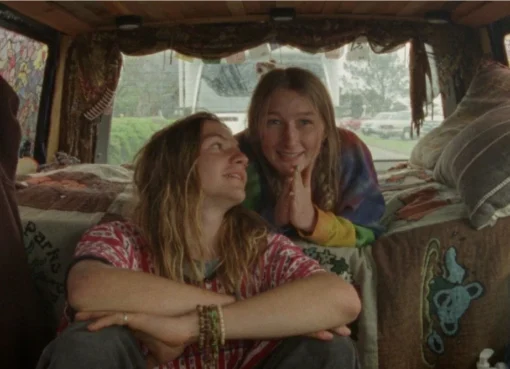
The passage of time is perhaps the most elusive subject for any artist to capture. While photography freezes a single moment and traditional cinema often compresses years into minutes through montage, few works attempt to live alongside their subjects as they transform across decades. Photographer Alessandra Sanguinetti has spent the better part of twenty-five years doing exactly that. Her debut documentary, The Illusion of an Everlasting Summer, which premiered at the 2026 Locarno International Film Festival before moving to Telluride, represents the culmination of a quarter-century of observation. It is a profound, albeit occasionally uneven, cinematic extension of her acclaimed photographic work, tracing the lives of two cousins, Guillermina and Belinda, from the innocence of childhood in the Argentine Pampas to the complex realities of their mid-thirties.
Main Facts: From Still Life to Moving Image
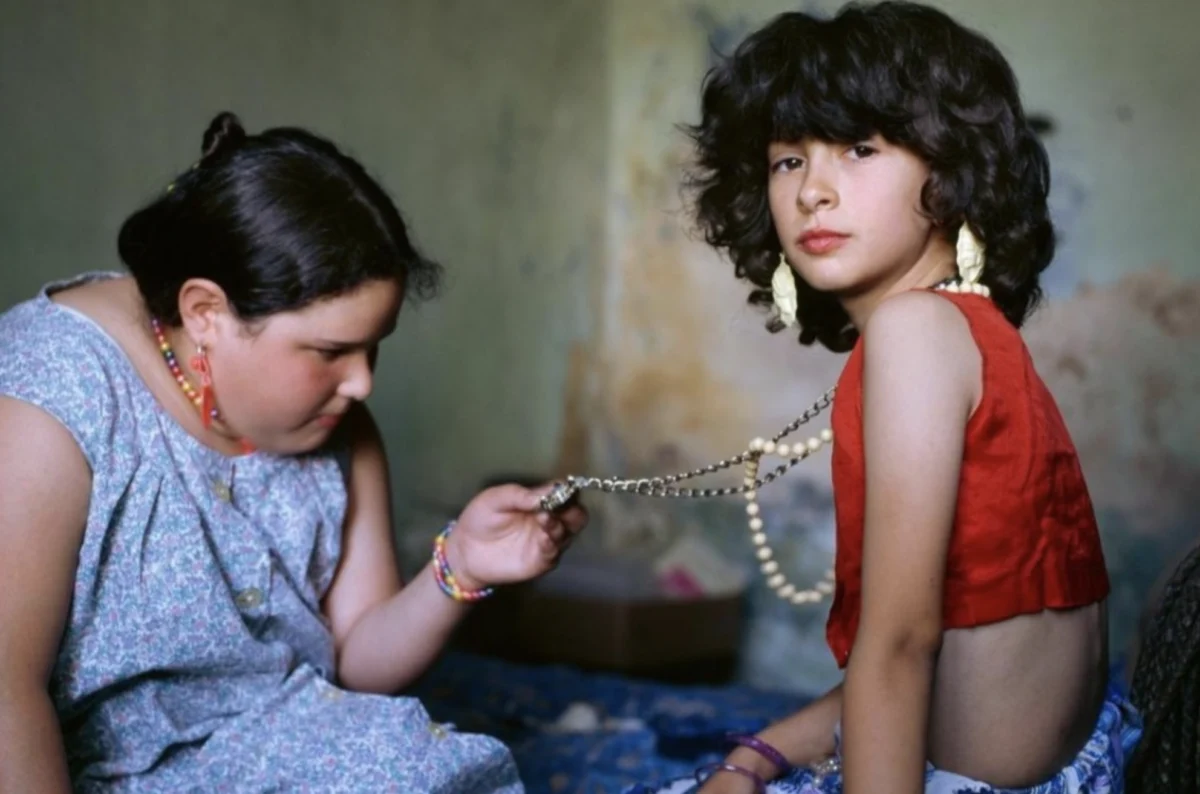
Alessandra Sanguinetti’s relationship with the Argentine countryside and its inhabitants is deep-rooted. In the late 1990s, while exploring the vast, windswept plains of the Pampas, she encountered Guillermina and Belinda. At the time, they were young girls full of the boundless energy that defines rural childhood. This encounter birthed a lifelong artistic collaboration. Sanguinetti first published two seminal photography books: the first visually chronicled the cousins’ transition from preadolescence into their teenage years, and the second followed them into their mid-twenties.
The Illusion of an Everlasting Summer is Sanguinetti’s first foray into feature-length documentary filmmaking. The film does not merely rehash her previous still-image work; rather, it incorporates archival material from those periods while pushing the narrative further into the future. By capturing the cousins as they age into their mid-30s, the film becomes a trilateral portrait of a relationship—not just between the two women, but between the subjects and the woman they affectionately call "Ale."
The documentary is a study of the "ebbs and flows" of human connection. It explores how childhood bonds are tested by the "unrelenting passage of time" and how the specific geography of the Pampas shapes the identities of those born within its borders. Currently seeking U.S. distribution, the film has already established itself as a significant entry in the genre of long-form observational documentary.
Chronology: A Twenty-Five Year Odyssey
The narrative structure of the film is divided into two distinct halves, reflecting the psychological shift from the limitlessness of youth to the constraints of adulthood.
The Era of Play (Late 1990s – Early 2000s)
The first half of the film captures Guillermina and Belinda roughly from age nine through their early teens. This is the "everlasting summer" of the title—a period characterized by a lack of self-consciousness and a surplus of imagination. The girls are seen frolicking in rivers, dancing, and poring over old family photographs.
Crucially, Sanguinetti’s presence is felt as an instigator of play. The girls perform improvised skits for her camera, including a particularly poignant scene where Guillermina portrays a grief-stricken widow at a funeral, with Belinda acting as the priest. The theatricality of these moments highlights the "joyful intervention" the girls represent in a world otherwise defined by the grueling labor of rural life.

The Transition to Reality (Mid-2000s – 2010s)
As the girls move into their late teens and early twenties, the "ossified traditions" of the Pampas begin to exert pressure. The film subtly documents how the specter of modernity begins to clash with the isolated community’s traditional values. The girls begin to voice their aspirations and fears: Guillermina expresses a desire for marriage and motherhood while fearing abandonment; Belinda dreams of acting and dance but feels the pull of the land, realizing that staying in the countryside requires either an agricultural career or marriage to a local farm boy.
The Weight of Adulthood (2020s)
The second half of the documentary moves with a swifter, more breathless pace. The languid days of childhood are replaced by the rapid-fire milestones of adult life. Editor Andrés Tamborino eschews traditional "signposting," allowing the years to bleed into one another. In one sequence, Belinda has a boyfriend; in the next, she is pregnant. Soon, Guillermina has a child of her own. The film reaches a haunting symmetry when the cousins’ own children reach the age they were when Sanguinetti first began filming them in the late 90s.
Supporting Data: Themes and Stylistic Nuance
The strength of The Illusion of an Everlasting Summer lies in its refusal to lean on the crutch of sentimentality. Sanguinetti, trusting the inherent power of her twenty-five years of footage, allows the "tragic quality" of the girls’ lives to emerge naturally.
The Landscape as Destiny
The Argentine Pampas is more than a setting; it is a character that dictates the rhythm of the film. Sanguinetti frames the girls’ presence as a "joyful intervention" into a landscape dominated by "taciturn male farmers and hunters." The film suggests that while the girls’ carefree attitudes briefly mold the vast open country in their image, the country eventually molds them back. The isolation of the plains fosters a specific kind of domesticity that eventually separates the cousins as they move to different farms and take on the burdens of motherhood and labor.
The Evolution of the Lens
Sanguinetti’s cinematography is a masterclass in balancing her background in still photography with the requirements of cinema verité. The film features "striking compositions" that feel like living photographs, yet it maintains a "freewheeling" energy during the childhood sequences.
A pivotal moment in the film’s later stages occurs when Guillermina and Belinda reunite in Paris for a gallery exhibition of Sanguinetti’s work. Seeing the two women, now weathered by the sun and the labor of the Pampas, posing for a spread in Italian Vogue creates a profound full-circle moment. It transforms their childhood "dress-up" sessions into a "professionalized" and "fruitful collaboration," validating their lives as art.
Official Responses: Critical Reception and Festival Impact
Following its premiere at Locarno and its subsequent screening at Telluride, The Illusion of an Everlasting Summer has received a generally positive, if measured, critical response.

Critical Grade: B
The consensus among critics highlights several key strengths and weaknesses:
- The Power of Trust: Critics have lauded the deep trust evident between Sanguinetti and her subjects. The "trilateral relationship" allows for an intimacy that is rarely achieved in documentaries where the filmmaker is a stranger to the community.
- Editing and Pacing: While the "hypnotic tenor" of the editing was praised for capturing the "expanse of childhood," some reviewers noted that individual sequences—specifically repeated dance scenes—can "test one’s patience." The "hasty" pace of the second half was seen as a deliberate choice to reflect the acceleration of time in adulthood, but some felt it left certain emotional beats underdeveloped.
- Lack of Sentimentality: Reviewers appreciated that Sanguinetti "evades overly sentimental traps." By not underlining the tragedy of the cousins drifting apart, the film allows the audience to feel the loss more acutely.
Implications: The Mythos of the Ordinary
The ultimate achievement of The Illusion of an Everlasting Summer is its ability to elevate "inherently unremarkable" lives to "cinematic heights." In the vein of Richard Linklater’s Boyhood or Michael Apted’s Up series, Sanguinetti’s work suggests that any life, when observed with enough patience and empathy, takes on a mythic quality.
The Role of the Profiler
The film serves as an "active dialogue" between the profiler and the subject. Sanguinetti’s camera is not a passive observer; it is an "intermediary" that both records and shapes the lives it follows. The fact that the cousins ended up in Italian Vogue or at a Paris gallery is a direct result of Sanguinetti’s gaze, creating a meta-narrative about how being "seen" by an artist changes the trajectory of a life.
A Document of Vanishing Traditions
Beyond the personal story of Guillermina and Belinda, the film stands as a historical document of the Argentine Pampas. It captures a world of "western spaces defined by ossified traditions" at a time when modernity is beginning to alter the social fabric. As young people leave the countryside for cities, the film preserves the specific textures of rural Argentine life—the rituals of the hunt, the isolation of the plains, and the enduring strength of familial bonds.
In conclusion, while The Illusion of an Everlasting Summer may occasionally falter in its pacing, it remains a staggering achievement of long-term documentary filmmaking. It is a poignant reminder that while summers may end and cousins may drift apart, the act of witnessing—of truly seeing another person over the course of a lifetime—is an enduring form of love. Alessandra Sanguinetti has not just made a film; she has created a living archive of the human spirit’s resilience against the tide of time.