
Geopolitical Brinkmanship: The Escalating Tensions in Iran and the Strategic Pivot to Cuba
Introduction: A Mirage of Peace Amidst Global Volatility
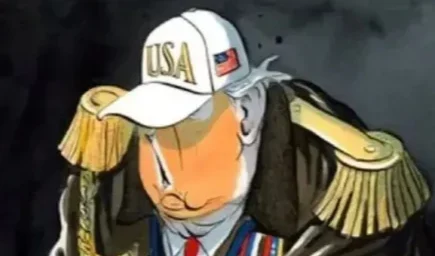
The landscape of international diplomacy is currently navigating a period of profound instability, characterized by a series of high-stakes maneuvers that critics describe as a blend of "alternative geography" and "hallucinatory" statecraft. At the center of this storm is the Trump administration’s multifaceted approach to the Middle East and a sudden, aggressive pivot toward Cuba. While official rhetoric maintains a commitment to regional stability and "peace deals," the ground reality suggests a deteriorating situation marked by resumed military strikes, economic paralysis, and the imposition of diplomatic "poison pills" that threaten to dismantle decades of international consensus.
As the United States grapples with the fallout of a collapsed nuclear framework with Iran, it simultaneously invokes historical precedents to justify potential interventions in the Caribbean. This analysis explores the core facts of these developments, the chronological breakdown of the current crises, and the far-reaching implications for the global economy and international security.
Main Facts: The Collapse of Diplomacy and the Rise of Unilateralism
The current geopolitical crisis is defined by three primary developments: the functional death of the Joint Comprehensive Plan of Action (JCPOA), the imposition of the Abraham Accords as a prerequisite for Middle Eastern peace, and the sudden escalation of rhetoric regarding an invasion of Cuba.
The JCPOA and the "Poison Pill"
The Joint Comprehensive Plan of Action, once the cornerstone of Western-Iranian relations, has been relegated to what observers describe as "paper at the bottom of a cage." While the administration has frequently characterized the deal as a failure—often utilizing debunked claims regarding "pallets of cash" (which were, in fact, unfrozen Iranian assets)—the vacuum left by its absence has not been filled by a more robust agreement. Instead, the administration has demanded that Arab nations sign on to the Abraham Accords as a non-negotiable component of any new Iran peace deal. Analysts describe this as a "poison pill," given that such a requirement is politically untenable for the vast majority of Arab populations and would likely lead to the immediate destabilization of any participating regional government.
Military Resumption and Collateral Damage
Despite the declaration of a ceasefire, U.S. military operations have resumed in the region. The Pentagon characterizes these as "self-defense strikes" targeting military infrastructure. However, the human cost of these operations has come under intense scrutiny. A notable tragedy occurred in Minab, where an elementary school was struck by U.S. ordnance. While officials claim the strike was a mistake based on outdated intelligence, the incident has fueled anti-American sentiment and complicated any path toward a diplomatic resolution.
The Cuba Distraction
In a move that has surprised many veteran diplomats, the administration has begun signaling a potential invasion and "subjugation" of Cuba. This shift in focus is viewed by political opponents as a strategic distraction from domestic controversies, specifically the ongoing revelations found in the Epstein files. By invoking the 1996 shoot-down of exile-piloted planes and historical grievances dating back to the Castro revolution, the administration is attempting to build a casus belli for a "quick victory" over a smaller nation to offset the perceived failures in the Middle East.
Chronology: From the Nuclear Deal to the Brink of War
To understand the current state of affairs, one must trace the timeline of escalating tensions:
- 2018–2020: Withdrawal and "Maximum Pressure": The U.S. unilaterally withdrew from the JCPOA, initiating a "maximum pressure" campaign of sanctions. This era was marked by heightened rhetoric but maintained a semblance of the status quo in the Strait of Hormuz.
- The Abraham Accords Integration: As the administration sought to redefine Middle Eastern alliances, it began linking regional trade and security agreements to the recognition of Israel. This shift marginalized the Palestinian issue and created a new, more rigid framework for diplomacy.
- The Hormuz Demonstration: Iran, responding to increased pressure, demonstrated its ability to effectively shut down the Strait of Hormuz. This move showed the world how easily the Iranian military could paralyze the global economy by choking the world’s most vital oil artery.
- The Failed Ceasefire (Current Year): Following a brief period of de-escalation, the U.S. resumed "self-defense" bombings. This period included the disastrous Minab school attack, which effectively ended any hope of a "peace mirage" being sustained.
- The Cuban Pivot: Parallel to the Iranian crisis, the administration began reviving Cold War-era rhetoric regarding Cuba, suggesting that the "liberation" of the island is a matter of national security, citing events from 30 years ago as current justification.
Supporting Data: Economic Paralysis and the "Helium Crisis"
The implications of these foreign policy decisions extend far beyond the battlefield. The global economy is currently feeling the "whirlwind" resulting from the wind sown by the Trump and Netanyahu administrations.
The Strait of Hormuz and Energy Prices
The threat to the Strait of Hormuz has led to a sustained spike in global oil prices. However, the impact is not limited to petroleum. The region is a critical hub for global shipping, and the threat of "self-defense" actions from either side has led to a massive increase in maritime insurance premiums, driving up the cost of all imported goods.
The Helium and Fertilizer Shortages
A less discussed but equally critical consequence is the disruption of the supply of liquid helium. Iran and its neighbors are key players in the production of noble gases. The current instability has led to a global shortage of liquid helium, which is essential for the operation of MRI (Magnetic Resonance Imaging) machines. This has created a burgeoning healthcare crisis in developed nations as medical diagnostic capabilities begin to erode.
Furthermore, the conflict has disrupted the production and export of fertilizers. With the planting season approaching in many parts of the world, agricultural experts warn that these shortages will lead to significantly lower crop yields, impacting global food security and causing a sharp increase in food prices by the end of the fiscal year.
The Geography Gap
Critics, including George Conway, have pointed to a "grasp of alternative geography" within the administration. This lack of basic geopolitical literacy—exemplified by the inability to accurately place nations on a map—has led to strategic blunders. If a leader cannot grasp the physical and cultural proximity of the nations they are targeting, the risk of "mistakes" like the Minab school attack increases exponentially.
Official Responses: A Divided World
The international community remains deeply divided over the administration’s tactics.
- The Iranian Government: Tehran has characterized the U.S. actions as "Yankee imperialism" and has vowed to act in self-defense. They maintain that the U.S. is the primary aggressor and that any disruption to the Strait of Hormuz is a direct consequence of American economic warfare.
- Arab Nations: While some leaders have expressed interest in the economic benefits of the Abraham Accords, the requirement to sign them as part of an Iran peace deal has been met with silence or quiet rejection. The fear of domestic uprisings remains the primary deterrent for these governments.
- The Domestic Opposition: Figures like George Conway and various political cartoonists have used satire and documentation to highlight what they see as the "hallucinatory" nature of the President’s foreign policy. They argue that the administration is "sowing the wind" and that the American public will be the ones to reap the economic and social whirlwind.
- The Cuban Response: Havana has remained defiant, dismissing the threat of invasion as a desperate attempt by a "failing, flailing" administration to distract from domestic scandals.
Implications: Reaping the Whirlwind
The current trajectory suggests a period of prolonged global instability with several key implications:
1. The Erosion of U.S. Diplomatic Credibility
By tying peace deals to "poison pills" like the Abraham Accords and ignoring the frameworks of previous treaties (JCPOA), the U.S. is signaling to the world that its word is only as good as the current administration’s whim. This makes future negotiations with any nation—be it North Korea, Russia, or China—significantly more difficult.
2. The Risk of a "Splendid Little War" in Cuba
The pivot to Cuba carries the risk of a repeat of the 1898 Spanish-American War or the 1961 Bay of Pigs disaster. Historians suspect the sinking of the USS Maine was an internal disaster, yet it was used as a pretext for war. Similarly, using a 30-year-old airplane shoot-down as a pretext for modern intervention is seen as a "stretch" that could lead to a protracted and unnecessary conflict.
3. Long-Term Economic Degradation
The "whirlwind" of fertilizer shortages, helium scarcity, and high energy prices will not be reversed quickly. Even if a ceasefire were to hold tomorrow, the supply chains have been fractured. The increase in the price of food and the degradation of medical infrastructure will likely be the most lasting legacy of this period of brinkmanship.
4. Domestic Distraction vs. Reality
The use of foreign conflict to distract from domestic issues (such as the Epstein files) is a tactic as old as the "filibusters" of the 19th century. However, in an era of instant information, the ability to maintain such a distraction is limited. As the "flying shrapnel" of these policies begins to hit home in the form of inflation and economic hardship, the "mirage" of a successful foreign policy will likely evaporate, leaving behind a reality that is far more dangerous than the one the administration sought to escape.
In conclusion, the administration’s current path is one of high-risk gambles and historical echoes. Whether through a "hallucinated" peace in the Middle East or a "distractionary" war in the Caribbean, the consequences of these actions are no longer confined to the boardroom or the situation room—they are being felt at the grocery store, the hospital, and the gas pump. The world is watching to see if the "dove of peace" can survive the gilded cage of its own making, or if the cage itself is about to be shattered by the very forces it sought to contain.



Leave a Comment