Forty Years of Adventure: A Deep Dive into the Dragon Quest Anniversary VR Exhibition

Main Facts: A New Frontier for the "National RPG"
In the four decades since its inception, the Dragon Quest series has transcended its origins as a humble 8-bit digital adventure to become what is frequently referred to as Japan’s "national RPG." What began as a series of handwritten notes by creator Yuji Horii—scrawled on stationery at the offices of the publisher Enix—has evolved into a multi-billion dollar global franchise. To commemorate this forty-year milestone, Square Enix and its partners have launched "Dragon Quest: The Dive," an ambitious, technology-driven exhibition currently hosted in the Harajuku district of Tokyo.
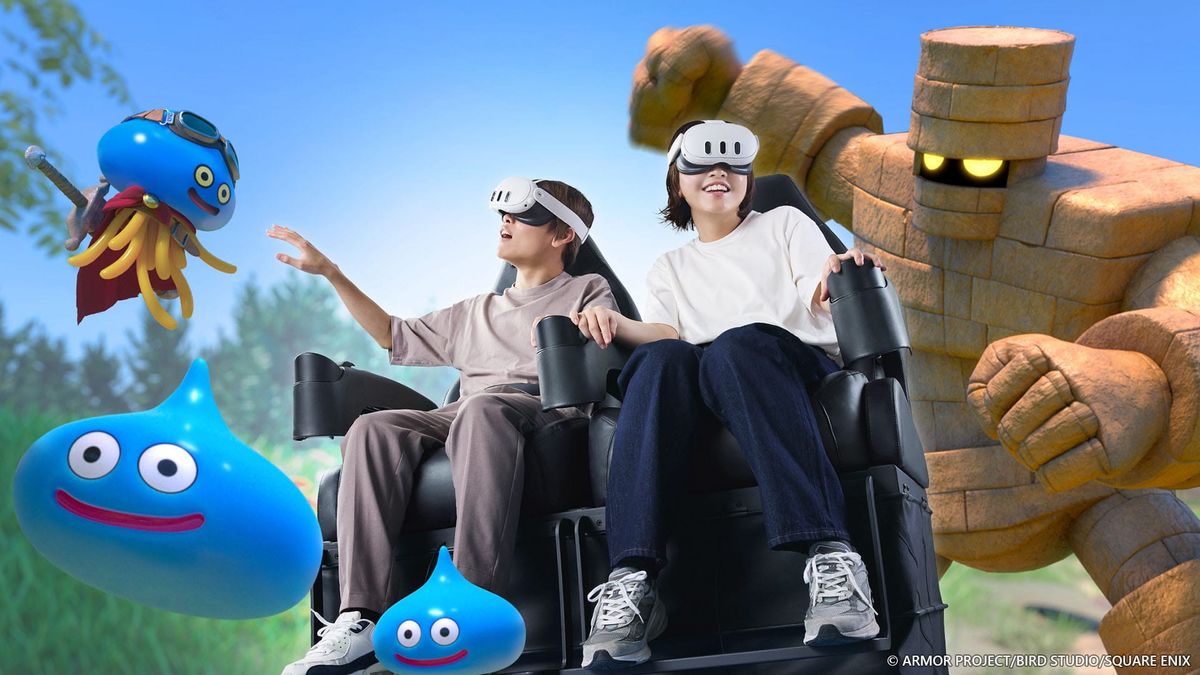
Unlike traditional retrospective galleries that rely solely on static displays and plaques, "The Dive" attempts to bridge the gap between historical preservation and modern immersion. The centerpiece of the event is a high-fidelity Virtual Reality (VR) experience that utilizes Meta Quest 3 headsets paired with sophisticated 4DX-style motion seating. This attraction aims to place the player directly into the vibrant, monster-filled world of Alefgard and beyond, marking a significant shift in how legacy gaming IPs are celebrated in the 21st century.
However, the exhibition has sparked a nuanced debate among fans and industry analysts. While the technological prowess of the VR segment is undeniable, the steep entry price of 4,400 yen (approximately $30 USD) and the relatively brief nature of the physical archives have raised questions regarding the value proposition of such high-tech "pop-up" museums.
Chronology: From Penciled Proposals to Virtual Realities
The journey to "Dragon Quest: The Dive" is a timeline that mirrors the evolution of the video game industry itself.
The 1980s: The Genesis of the JRPG
In the mid-1980s, Yuji Horii, working with the developer Chunsoft, sought to simplify the complex mechanics of Western RPGs like Wizardry and Ultima for a Japanese audience. The original proposal documents, featured in the final section of the current exhibition, show the early involvement of Akira Toriyama—the legendary creator of Dragon Ball—as the character and monster designer. This collaboration, along with the classical compositions of Koichi Sugiyama, formed the "Holy Trinity" of Japanese game design.
The 1990s and 2000s: Expansion and Global Reach
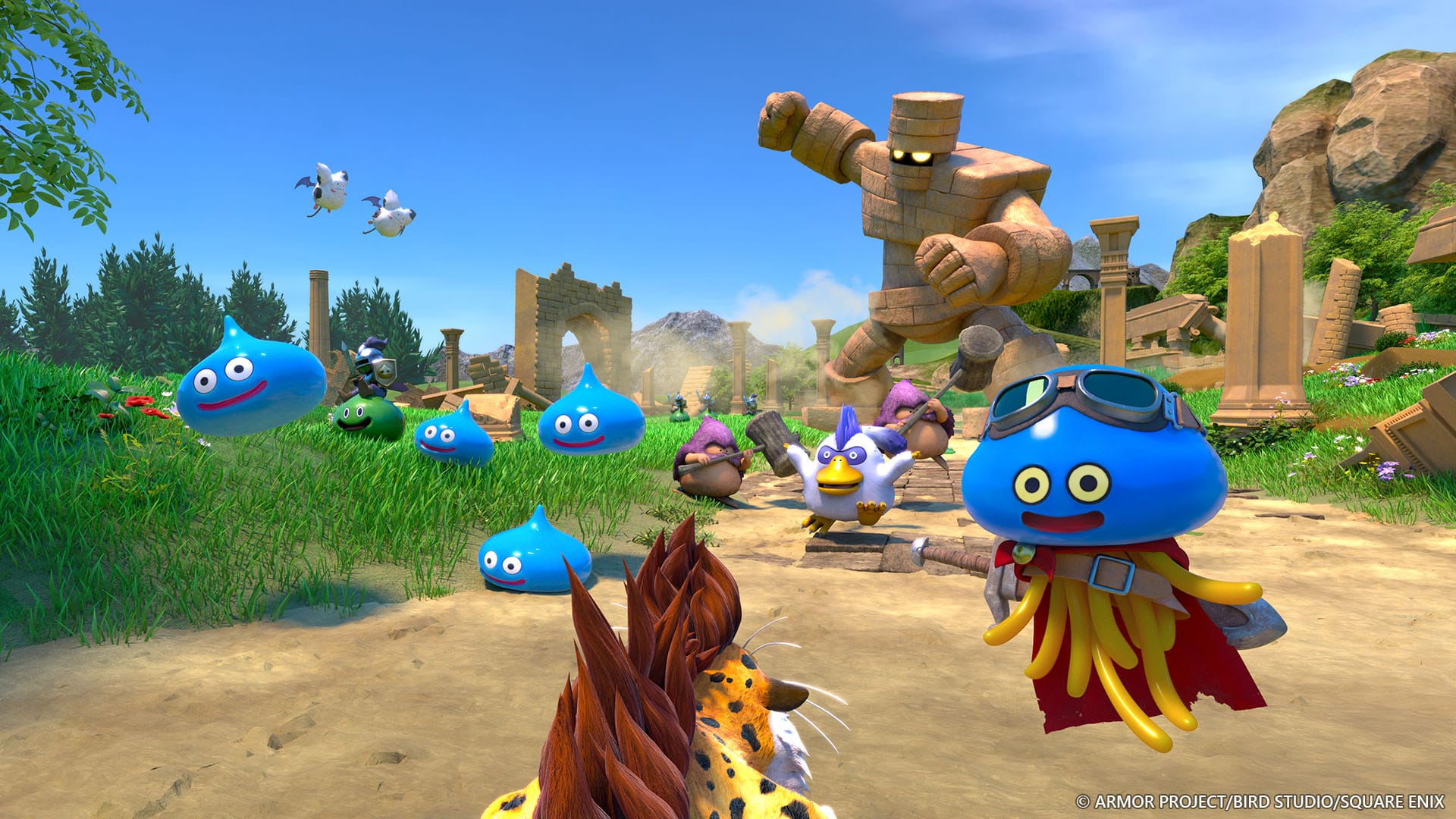
As the series moved from the Famicom to the Super Famicom and eventually the PlayStation and Nintendo DS, Dragon Quest became a cultural phenomenon. It was during this era that the series’ iconography—specifically the iconic blue Slime—became a ubiquitous symbol of gaming culture. The franchise’s history is a record of consistency, maintaining its turn-based roots even as rivals pivoted to action-oriented gameplay.
2024–2026: The Legacy in Transition
The recent years have been bittersweet for the franchise. The passing of character designer Akira Toriyama in early 2024 sent shockwaves through the global creative community. "Dragon Quest: The Dive" serves as one of the first major public celebrations of the series following his death, featuring what are believed to be some of his final contributions to the upcoming Dragon Quest XII: The Flames of Fate. The exhibition represents the franchise’s attempt to look forward to the future of immersive tech while grappling with the loss of its foundational aesthetic architect.
Supporting Data: The Architecture of the Exhibition
"Dragon Quest: The Dive" is structured into three distinct zones, each designed to elicit a different emotional and intellectual response from the visitor.
Zone 1: The Immersive Ride (The VR Attraction)
The highlight of the event is a five-minute on-rails VR experience.
- Hardware: Meta Quest 3 headsets.
- Motion Tech: 4DX-style haptic chairs that provide pitch, roll, and heave, simulating the sensation of riding a "Killer Panther" or falling through ravines.
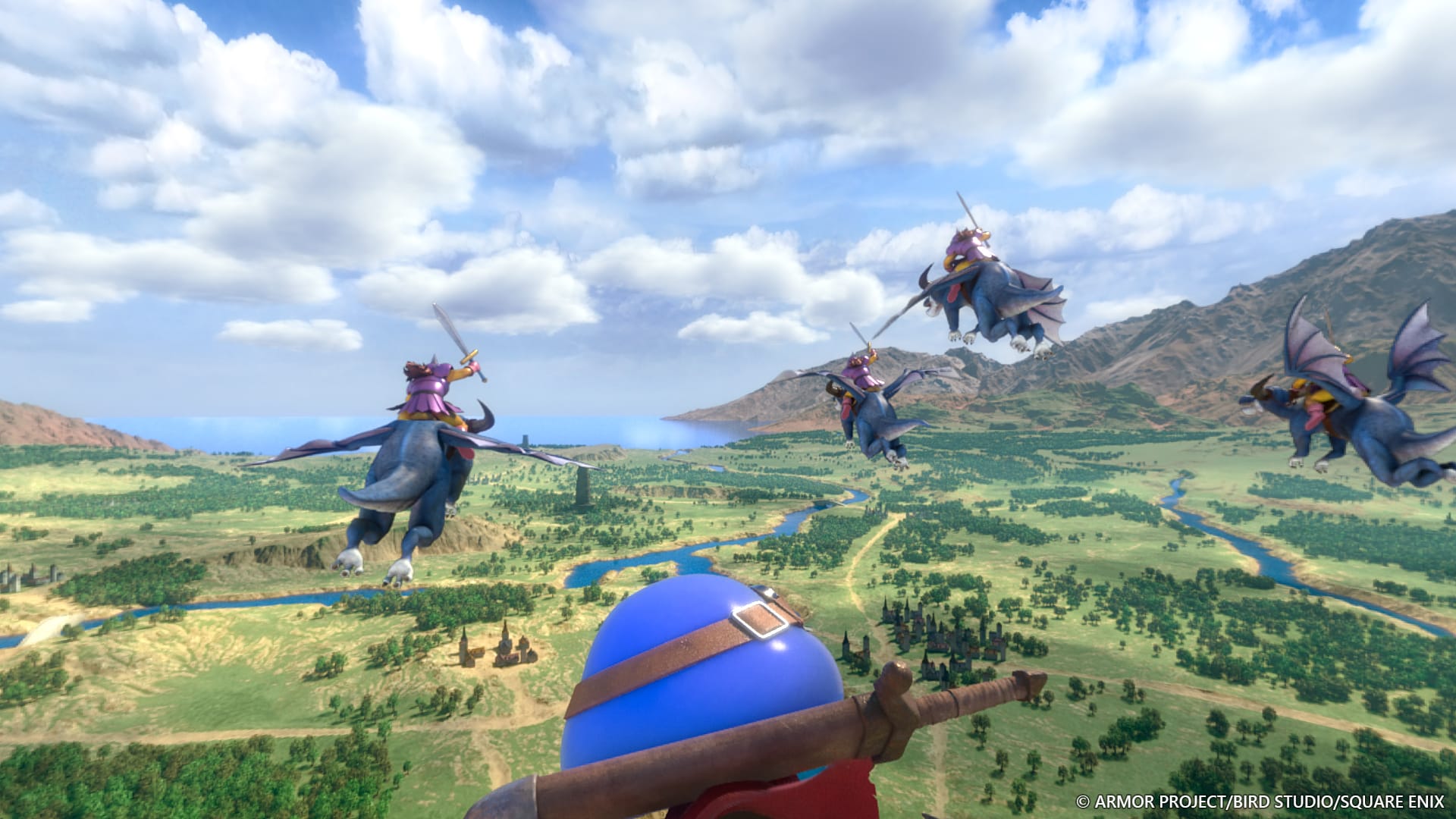
- Narrative: Guests are cast as the "Hero," accompanied by a Healslime named Homita. The journey transitions from a peaceful forest to a harrowing flight on a Hades Condor, ending in a climactic confrontation with the Underworld Lord, Estark.
- Key Feature: The "Resonance" mechanic, where a simple wooden sword transforms into the legendary Sword of Erdrick (Loto) through visual and haptic cues.
Zone 2: The Living World (Tactile and Photo Ops)
This middle section focuses on the sensory experience of the Dragon Quest universe.
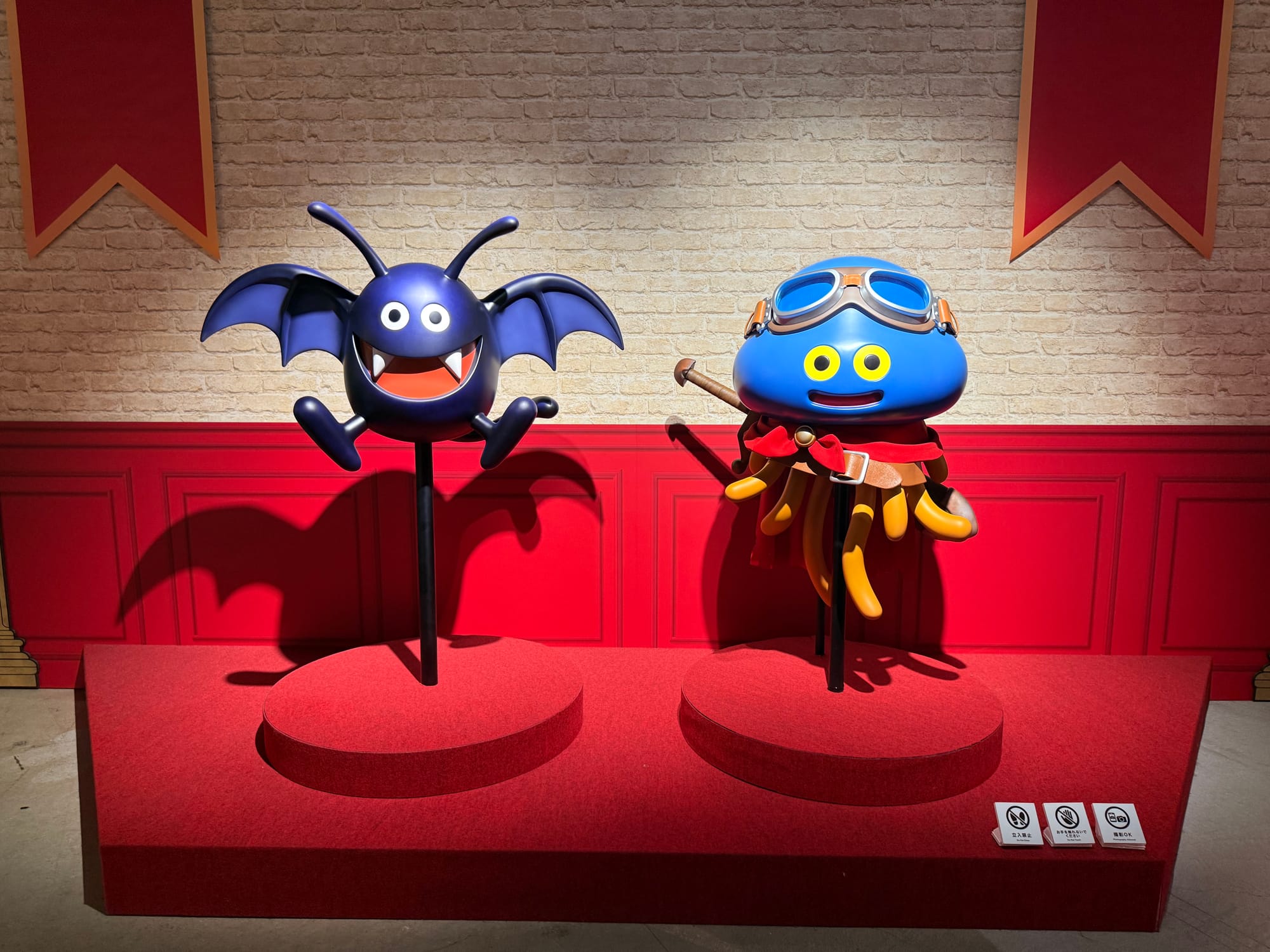
- Tactile Displays: For the first time, fans can feel the "texture" of the world. Inflatable Slimes are available for interaction, while "Rockbombs" are equipped with internal heating elements to simulate a volcanic, living creature.
- Augmented Persona: Visitors undergo a digital scan that assigns them a "kin monster" or class from the series’ history (ranging from Golems to the series’ famous Bunny Girls).
- Future Tease: A guarded look at the protagonist of Dragon Quest XII, highlighting the "darker, more adult" tone promised for the next mainline entry.
Zone 3: The Vault (Archival History)
The final room is a strict "no-photography" zone containing the series’ "holy relics."
- Original Proposals: Hand-written notes by Yuji Horii on Chunsoft/Enix stationery.
- Toriyama Sketches: The original ink-and-wash drawings of the Slime, which Toriyama famously redesigned from Horii’s initial "bloody puddle" concept into the cute, teardrop shape known today.
- Musical Notation: Original scores by Koichi Sugiyama, showing the orchestral foundations of the game’s MIDI soundtracks.
Official Responses and Design Philosophy
While Square Enix has not issued a formal rebuttal to the criticisms regarding ticket prices, the design philosophy of the exhibition suggests a pivot toward "Experience-Based Commemoration."
Internal design notes and promotional materials indicate that the curators wanted to avoid a "dry, academic" recap of the series. The goal was to "Capture the feeling of being a Dragon Quest fan." By using VR, the developers aimed to simulate the childhood wonder of first entering a digital world, rather than just looking at the code that built it.
Industry experts note that this reflects a broader trend in Japanese "IP Tourism." With the success of "Dragon Quest Island" at the Nijigen no Mori theme park on Awaji Island, Square Enix is increasingly viewing its franchises as physical destinations. "The Dive" acts as a portable, high-tech version of this strategy, testing whether fans are willing to pay premium prices for short-form, high-intensity immersive content in urban centers like Harajuku and Shinjuku.
Implications: The Future of the Museum and the Brand
The "Dragon Quest: The Dive" exhibition carries significant implications for the future of the video game industry and the preservation of digital culture.
1. The Cost of Immersion
At 4,400 yen for a roughly 30-to-45-minute total experience, "The Dive" sits at the high end of the market. Comparable VR experiences in Tokyo, such as those at the Shinjuku Kabukicho Tower or the "Tyffonium" in Odaiba, often offer more interactivity or longer runtimes for half the price. This suggests that "brand tax" is becoming a factor in digital exhibitions. If successful, this could set a new pricing floor for future pop-up events involving major IPs like Final Fantasy or Monster Hunter.
2. VR as the New "Retrospective"
The use of VR to replace traditional introductory films marks a shift in museum curation. Instead of watching a video about the history of the series, visitors live a condensed version of it. However, the reliance on technology also exposes the fragility of the physical components. If the VR is the main draw, the remaining archival sections can feel sparse. For a 40th anniversary, some fans may have expected a more comprehensive look at all eleven mainline games, rather than an archive focused almost exclusively on the first 1986 title.
3. The Toriyama Legacy
The exhibition serves as a poignant reminder of Akira Toriyama’s impact. The sight of his original sketches alongside the high-definition VR models highlights the timelessness of his designs. As the series moves toward Dragon Quest XII and beyond, the challenge for Square Enix will be maintaining this "soul" without the direct hand of its original artist. "The Dive" proves that Toriyama’s monsters can survive the transition to ultra-realistic VR, but it also underscores the void his passing has left.
4. Integration with Urban Tourism
By placing this exhibition in Harajuku—a hub of youth fashion and international tourism—Square Enix is signaling that Dragon Quest is no longer just for the "salaryman" generation that grew up with the Famicom. It is a lifestyle brand. The integration of 4DX technology and VR headsets suggests that the future of gaming anniversaries lies not in books or soundtracks, but in "Themed Entertainment" that competes with theme parks.
Conclusion
"Dragon Quest: The Dive" is a bold, if flawed, experiment in how to celebrate a legacy. It succeeds brilliantly in making the player feel the weight of a Hero’s sword and the thrill of a flight across Alefgard. It fails, however, to provide the depth of historical context that a forty-year anniversary arguably deserves for its premium price point.
As a "test run" for future immersive installations, it is a triumph of technology and art. As a museum, it is a reminder that while VR can transport us to another world, the "nerdy necessities"—the handwritten notes, the balance tables, and the ink sketches—remain the true heart of the adventure. For the fans who have spent forty years saving the world, "The Dive" is a fleeting, expensive, but undeniably magical glimpse into the future of the franchise.