Betrayal in the Emerald City: A Deep Dive into ‘Lanterns’ Episode 4, “The Weenie”

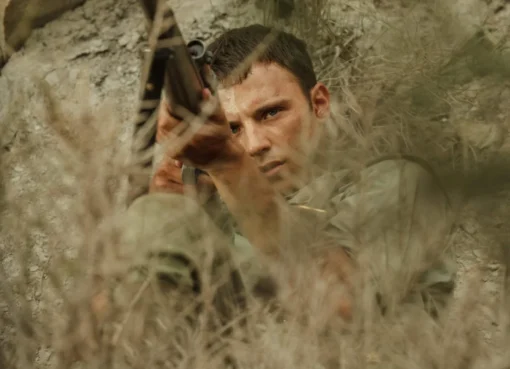
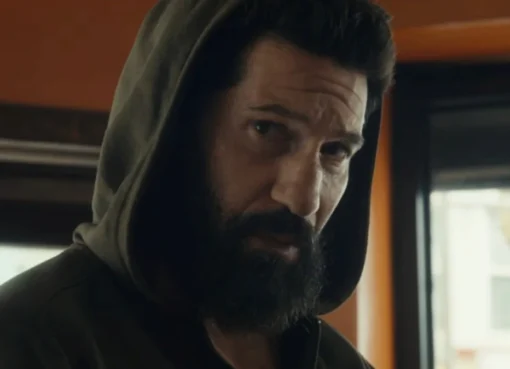
The mid-season pivot of HBO’s Lanterns has arrived with the force of a high-speed collision. Episode 4, titled “The Weenie,” marks a definitive fracture in the burgeoning partnership between Hal Jordan (Kyle Chandler) and John Stewart (Aaron Pierre). What began as a gritty, terrestrial-bound procedural has evolved into a complex psychological chess match, where the line between mentorship and manipulation has completely evaporated. Written by Breannah Gibson and directed by Geeta Vasant Patel, the episode serves as a masterclass in tension, using a blend of Disney-inspired architectural theory and deep-seated DC Comics lore to propel the narrative toward a dark second half of the season.
Main Facts: The Fracture of Trust
The central conflict of “The Weenie” revolves around the concept of the "Manhunter"—an extraterrestrial threat capable of perfect mimicry and emotional manipulation. While the previous episodes focused on the "how" of the investigation, Episode 4 shifts the focus to the "who" and the "why," ultimately revealing that the greatest threat to the Green Lanterns may not be the monsters they hunt, but the lack of transparency between the partners themselves.
Key developments include:

- The Sinestro Influence: Hal Jordan seeks counsel from his disgraced former mentor, Sinestro (Ulrich Thomsen), who provides a cynical blueprint for handling John Stewart.
- The "Weenie" Metaphor: The episode utilizes Walt Disney’s architectural concept of a "weenie"—a focal point designed to lead a crowd—to illustrate how the Lanterns are being lured into a trap.
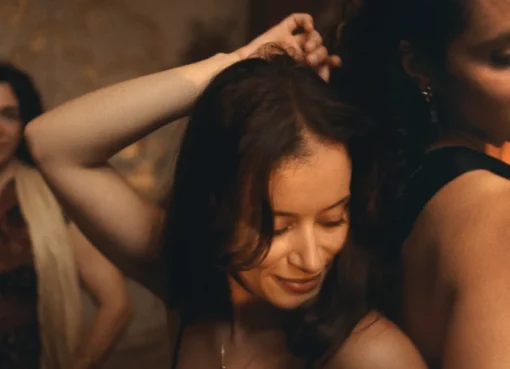
- The Zoe Reveal: Evidence strongly suggests that Zoe (Poorna Jagannathan), John’s romantic interest, is the Manhunter currently hiding in Rushville.
- The Final Betrayal: The episode concludes with Hal Jordan intentionally crashing a rental car with John inside, incapacitating his partner so he can meet with an alien hit squad alone.
Chronology: A Descent into Deception
The Prologue: A Mentor’s Poison
The episode opens by revisiting the conversation teased at the end of Episode 2. Hal Jordan visits Sinestro, whose fall from grace looms large over the series. Sinestro’s assessment of the situation is cold and pragmatic: he views John Stewart not as a partner for Hal, but as a replacement that must be neutralized. Sinestro suggests a "charm offensive"—making John believe Hal has accepted him as a worthy successor—as a means of maintaining control. This interaction casts a shadow over every "kind" word Hal speaks to John for the remainder of the hour.
The Infiltration: Searching for the Focal Point
Returning to Rushville, the duo focuses on William Macon (Garret Dillahunt), the wealthy rancher whose military-style compound has become the investigation’s primary lead. It is here that the episode’s title, “The Weenie,” takes center stage. John Stewart, applying his architectural background, identifies Macon’s "weenie"—the one thing designed to draw attention away from the real secrets.
This leads them to a decoy filled with otherworldly weaponry. While the Lanterns successfully navigate the trap, they find themselves face-to-face with Macon. Dillahunt plays Macon with a terrifying nonchalance, acting as the ultimate "red flag" who hides behind the shield of local prosperity. The subsequent arrival of Sheriff Kane (Kelly Macdonald) provides a temporary reprieve, but the damage to the Lanterns’ operational security is done.

The Slaughterhouse: False Idols and Real Threats
The investigation takes a surreal turn at a local slaughterhouse, where the Lanterns encounter a figure claiming to be Hector Hammond (Jason Manuel Olazábal). In a nod to comic book history, Hammond is traditionally a major Green Lantern villain, but here he is presented as a "fake" or a low-level associate, "Hector Gutierrez," who identifies Macon as the Manhunter.
However, the episode’s subtext suggests that Hammond/Gutierrez is merely another layer of the "weenie." The real revelation occurs in the quiet moments between John and Zoe. As John sketches her from memory, the audience sees a man deeply compromised by his emotions—exactly the "weakness" Sinestro and the Guardians warned about.
The Climax: The Telephone Pole
The episode reaches its breaking point during a final car ride. Hal confronts John about his lack of honesty regarding Zoe. Hal, utilizing the deductive skills honed over years of service, realizes that Zoe’s "escape" from a previous explosion was impossible for a human. When John fails to admit his suspicions, Hal realizes the partnership is untenable. In a shocking display of "tough love" or outright villainy, Hal wraps the car around a telephone pole, leaving John behind to face the coming alien hit squad on his own terms.

Supporting Data: Lore, Architecture, and Psychology
The "Disney Weenie" in Narrative Design
The inclusion of Walt Disney’s "weenie" theory is more than a clever title; it is a thematic anchor. Disney coined the term to describe landmarks like Sleeping Beauty’s Castle—structures designed to guide guests through a park. In Lanterns, the "weenie" represents the systemic distractions of Rushville: the prosperity, the friendly rancher, and even the romantic interests. By naming the episode after this concept, the showrunners are signaling to the audience that everything we see is a curated distraction from a more sinister truth.
The Manhunter Mythology
For the uninitiated, the Manhunters in DC Comics lore were the robotic predecessors to the Green Lantern Corps. Created by the Guardians of the Universe, they eventually rebelled, concluding that "no man escapes the Manhunters." Their presence in Lanterns as a "path to power" that assimilates into communities reflects a shift from the cosmic to the conspiratorial. They are portrayed here not just as robots, but as parasitic entities that exploit the emotional vulnerabilities of their targets.
The Duality of Hal and John
The episode highlights the stark contrast in the two leads’ upbringings. Hal Jordan is the son of a man who was "fearless"—or at least performed fearlessness until it killed him. John Stewart was raised with the admission of fear, a trait the Guardians view as a defect. This episode suggests that Hal’s "fearlessness" has made him a cynical loner, while John’s "weakness" (his empathy) has made him a target for the Manhunter’s manipulation.

Official Responses: The Guardian Perspective
While the series maintains a grounded, "Prestige TV" tone, the intermittent appearances of the Guardians provide the necessary cosmic context. Guardian Lianna (Laura Linney) continues to apply pressure on John Stewart. In this episode, her "official" stance is one of cold observation. The Guardians are not interested in the safety of Rushville; they are interested in the efficiency of their tools.
Lianna’s threat to take back the ring if John does not capitulate to Hal’s replacement highlights the "corporate" nature of the Green Lantern Corps. This is not a brotherhood; it is a high-stakes employment contract where the employees are expendable.
Implications: Dark Days and Black Nights
As Lanterns moves into the second half of its eight-episode season, the status quo has been utterly demolished. The implications of “The Weenie” are far-reaching:

- The Total Erosion of Trust: Even if Hal and John reunite, the memory of the car crash and the Sinestro consultation will linger. Hal has proven he is willing to sacrifice John’s safety for the mission, and John has proven he is willing to lie to protect a potential enemy.
- The Zoe Factor: If Zoe is indeed the Manhunter, her relationship with John becomes one of the most successful infiltrations in Corps history. The psychological fallout for John, who has spent his life seeking a sense of belonging, will be devastating.
- The Arrival of the Hit Squad: With Hal flying off to meet the alien mercenaries alone, the show is poised for a major action set-piece in Episode 5. This shift will likely bring the "cosmic" elements of the show to the forefront, testing whether the small-town setting of Rushville can survive an intergalactic skirmish.
- The Sinestro Endgame: Sinestro’s involvement suggests that he is playing a longer game than simply giving advice. His fingerprints are all over Hal’s behavior in this episode, suggesting that Hal may be becoming the very thing he once fought against.
In conclusion, “The Weenie” is a pivotal hour of television that elevates Lanterns from a standard superhero adaptation to a sophisticated noir. By stripping away the emerald glow of the rings and focusing on the rot beneath the surface of a "perfect" American town, the series has found its true voice. The "dark days" promised by the episode’s closing moments are no longer a threat—they have arrived.