The Architecture of Awe: How Augmenos is Redefining Edutainment on Apple Vision Pro

The dawn of spatial computing has ushered in a transformative era for digital interaction, moving beyond the confines of two-dimensional screens into the three-dimensional reality of our physical surroundings. While much of the initial discourse surrounding the Apple Vision Pro centered on productivity and cinematic entertainment, a quieter, perhaps more profound revolution is taking place in the realm of "edutainment." Leading this charge is Miguel Garcia Gonzalez, the founder of Augmenos, whose apps Museas and Astronoma have emerged as the gold standard for how curiosity-driven learning should function in a spatial environment.
By eschewing the traditional, often "tedious" structures of digital lessons in favor of immersive, exploratory journeys, Gonzalez is demonstrating that the most effective way to teach is often to simply provide the tools for discovery.
Main Facts: A New Paradigm for Spatial Learning
The core philosophy behind the Augmenos suite is the belief that spatial applications, when designed intentionally, should feel less like a classroom and more like a curated experience. Museas and Astronoma are not merely repositories of information; they are portals.
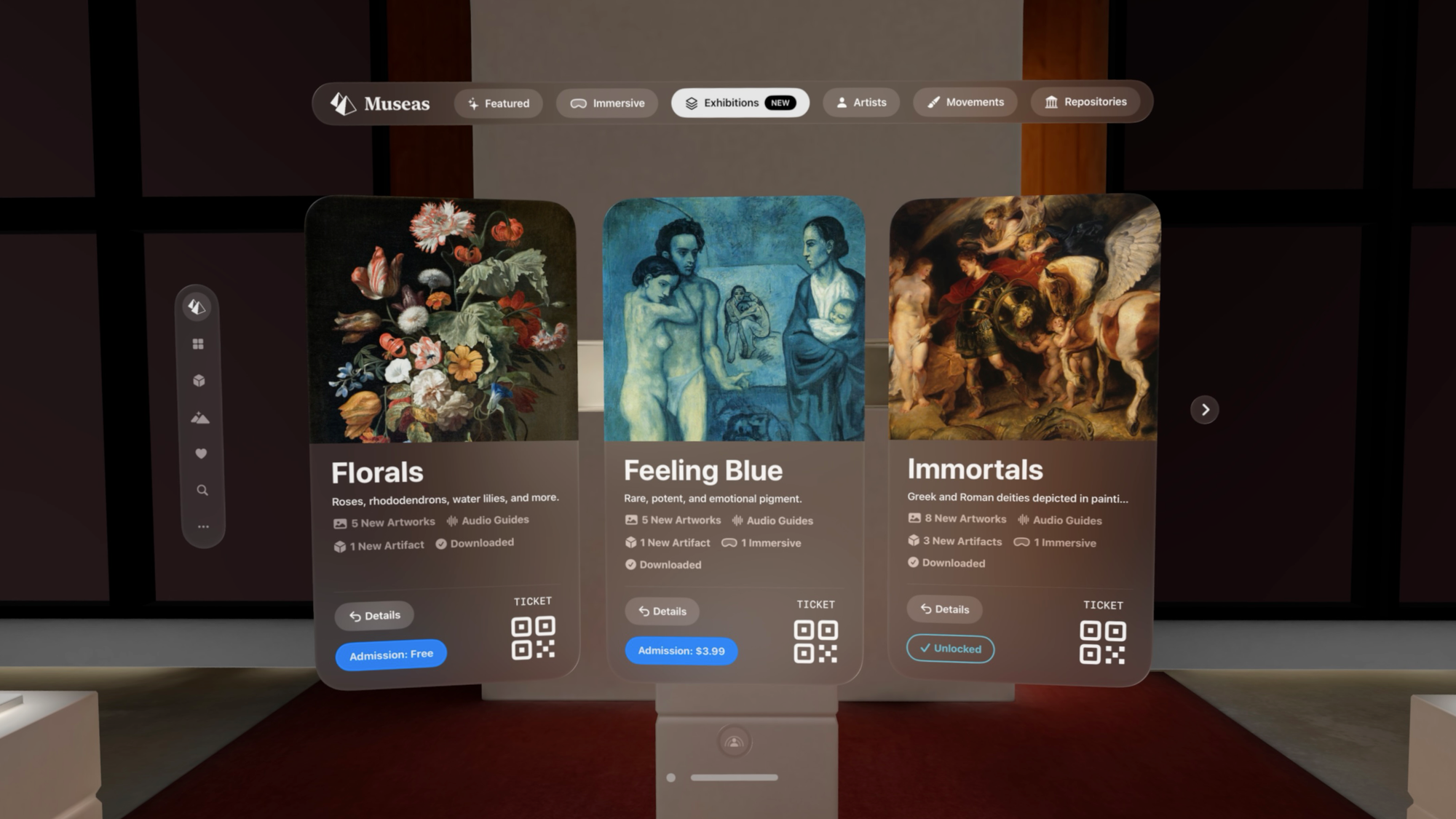
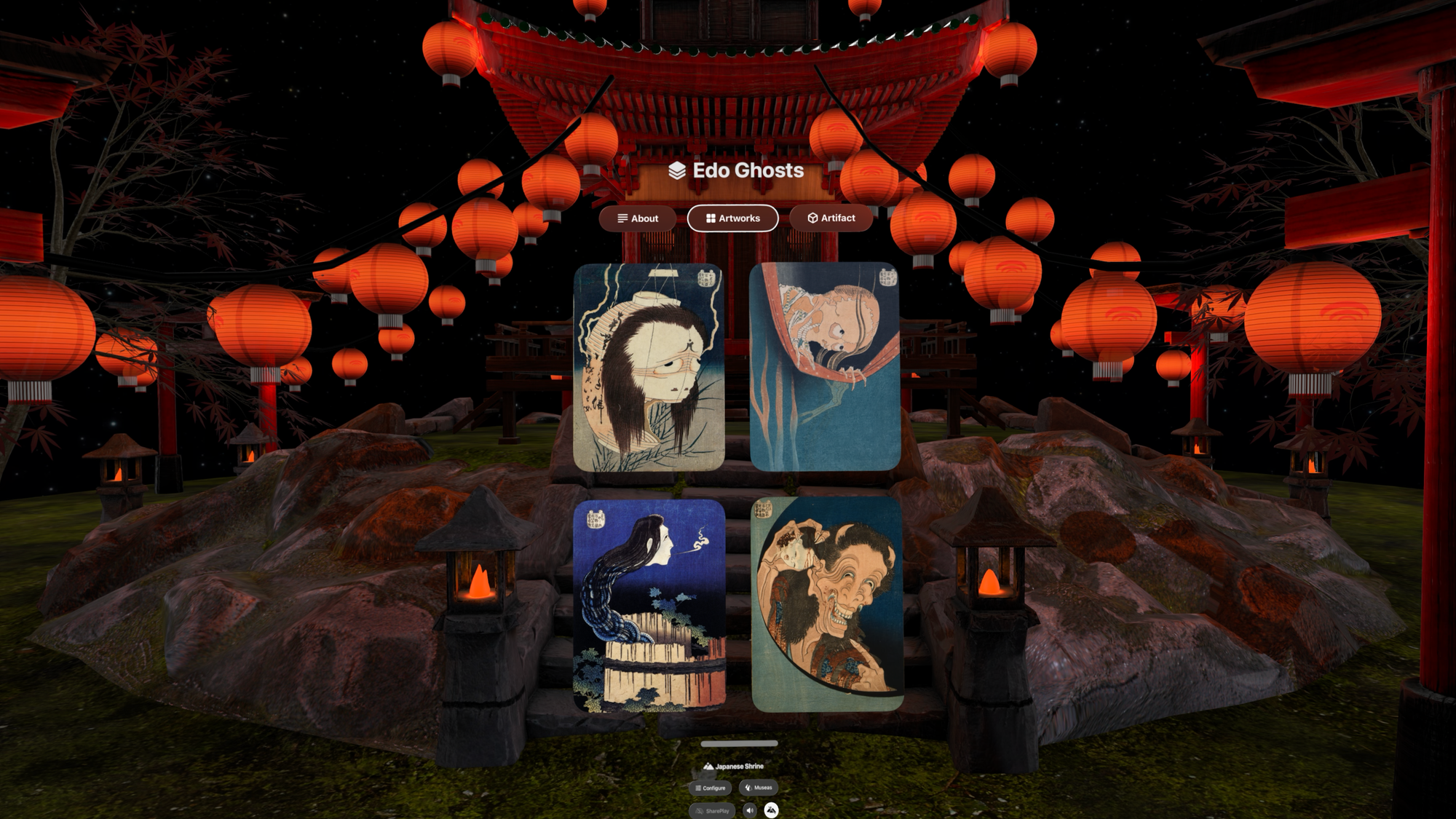
- Museas: This application serves as a bridge across centuries of art history. It leverages the high-resolution passthrough and spatial mapping of the Apple Vision Pro to bring world-renowned masterpieces into the user’s immediate environment. It allows for a level of physical proximity to art that is often impossible in a traditional museum setting due to security barriers or geographical distance.
- Astronoma: Shifting the focus from the terrestrial to the celestial, Astronoma offers a scientifically grounded exploration of the cosmos. It utilizes real-world source material, including orbital data and high-fidelity imagery from NASA, to create environments that are as educationally rigorous as they are visually stunning.
The success of these applications lies in their refusal to overwhelm the user. Instead of a linear curriculum, Gonzalez employs a "wow-first" design strategy. By capturing the user’s sense of awe through high-fidelity 3D models and atmospheric environments, the apps prime the brain for learning. The factual data—the history of a painting or the physics of a nebula—is then layered in, allowing users to peel back the levels of information at their own pace.
Chronology: From Flat Screens to Spatial Presence
The journey of Augmenos and the development of these applications mirror the broader evolution of educational technology. For decades, "edutainment" was limited by the hardware it inhabited.
- The Multimedia Era (1990s): Educational software was largely confined to CD-ROMs, where "interactivity" meant clicking a button to play a low-resolution video or trigger a text box.
- The Mobile Revolution (2010s): Tablets and smartphones brought touch interfaces, making learning more tactile but still trapping the content behind a glass pane.
- The Advent of Consumer XR (2020-2023): Early VR headsets provided immersion but often lacked the visual clarity or the "passthrough" capabilities (Mixed Reality) necessary to keep the user grounded in their own environment.
- The Launch of Apple Vision Pro (2024): The release of Apple’s spatial computer provided the necessary hardware—4K displays per eye, advanced spatial audio, and robust developer tools like RealityKit—to realize Gonzalez’s vision.
Gonzalez founded Augmenos with the specific goal of leveraging this new hardware to create "credible experiences." The development of Museas and Astronoma involved a deep dive into Apple’s newer APIs, such as Spatial Scenes, which allowed Gonzalez to convert traditional 2D archival material into 3D assets that retain their historical and scientific integrity.
Supporting Data: The Technical Architecture of Immersion
What distinguishes a "gold standard" app from a gimmick is the technical execution of its features. Gonzalez’s approach to Museas and Astronoma is rooted in a sophisticated understanding of how the Apple Vision Pro processes spatial data.
The Balance of Dimensions
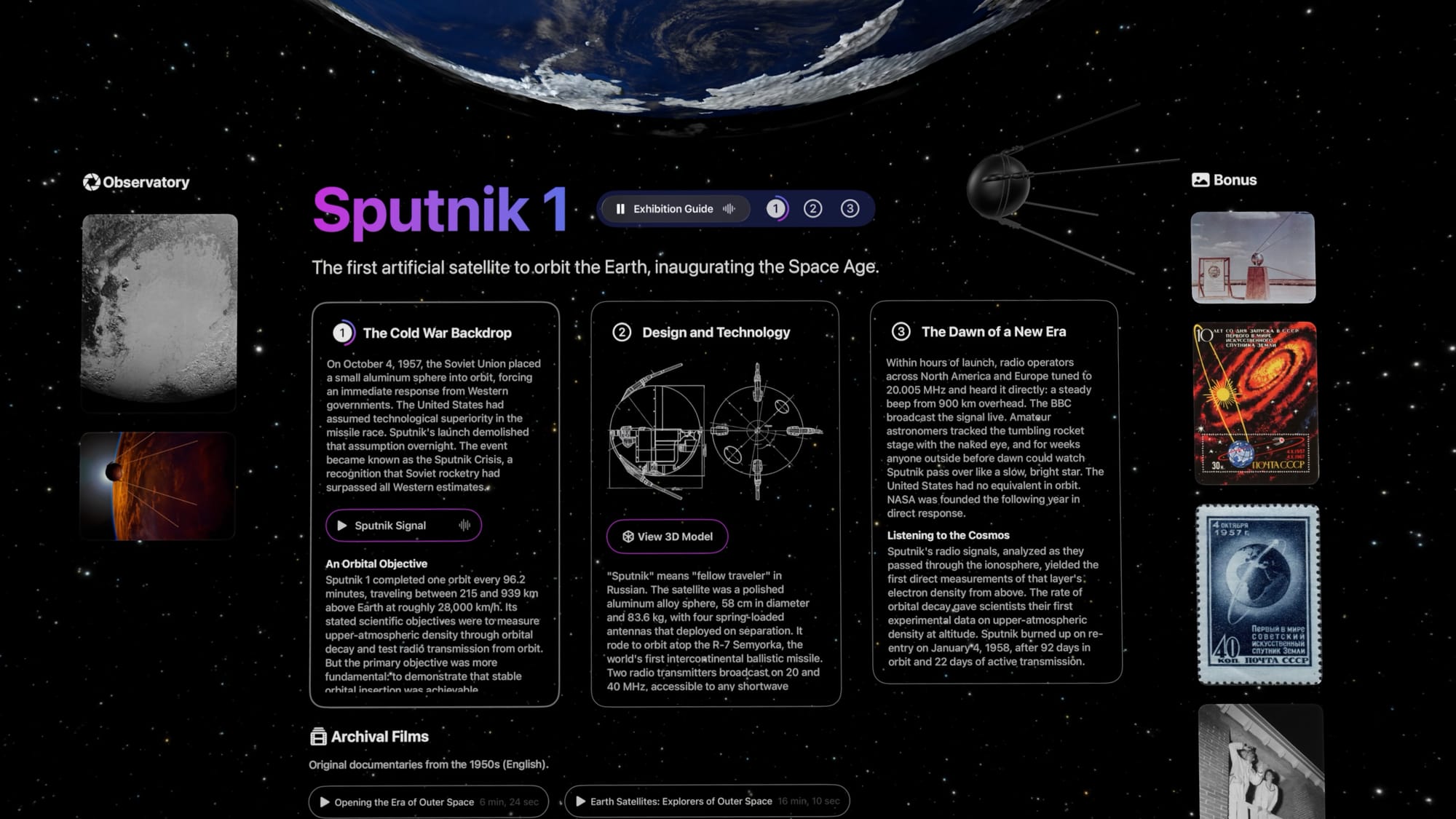
One of the most significant insights from the development of these apps is that "not everything needs to be spatial." In Astronoma, for instance, when a user examines the Sputnik 1 satellite, the spacecraft itself is rendered as a detailed 3D model that the user can walk around and inspect. However, the supplementary content—archival photographs, technical diagrams, and text-based data—is presented as planar (2D) images in spatial coordinates.

This design choice serves two purposes:
- Focus: It centers the user’s attention on the 3D "star" content without the distraction of unnecessary peripheral depth.
- Integrity: It preserves the original quality of historical 2D media, avoiding the "uncanny valley" effect that can occur when 2D photos are poorly forced into 3D shapes.
Data-Driven Environments
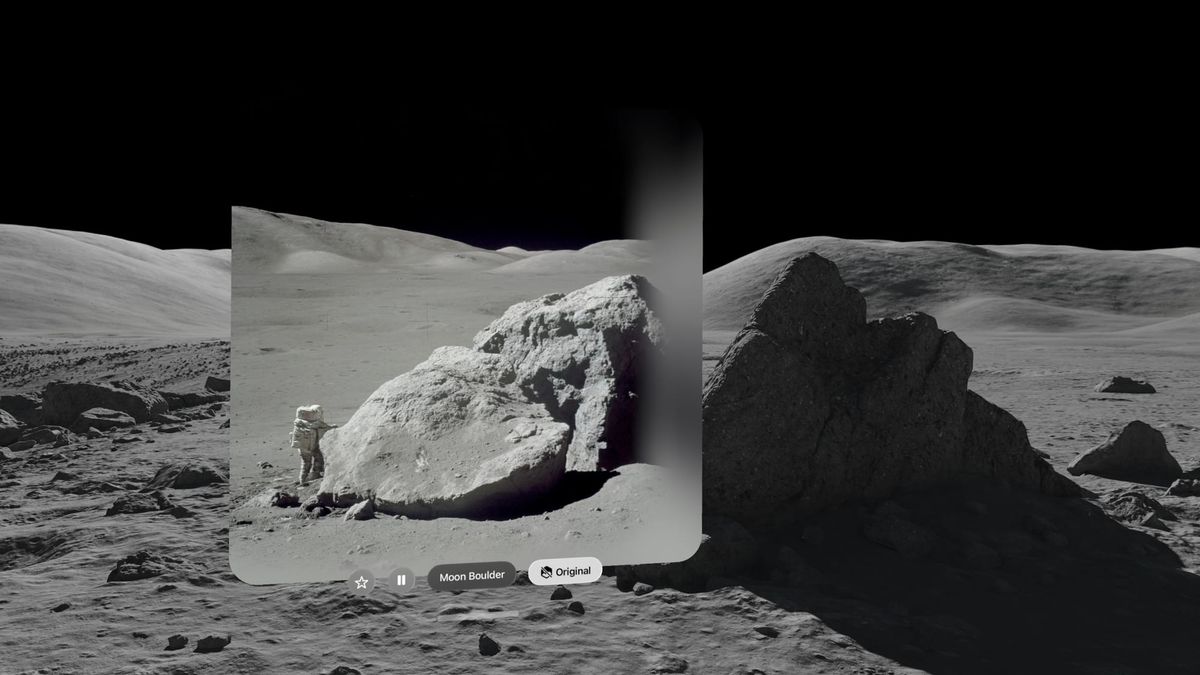
Astronoma’s "Space Station" environment is not merely a digital painting; it is a simulation. It was constructed using real International Space Station (ISS) orbital data and NASA imagery. Developed natively using Reality Composer Pro and its shader graph editor, the app allows for real-time performance optimizations. Remarkably, users can change the position of the sun in real-time, watching as the lighting across the station and the Earth below shifts dynamically, all while the system remains grounded in real science.
Atmospheric Engineering
Immersion is as much about the ears as it is about the eyes. Gonzalez uses thematic spatial audio to create emotional resonance. In Museas, the "Artifact Room" is accompanied by rhythmic drums that evoke a sense of history and ritual. In Astronoma, the "Nebula" environment features ethereal, ambient notes that emphasize the vast, silent vacuum of space. These audio cues act as "emotional anchors," making the virtual experience feel more "real" to the user’s subconscious.
Official Responses: Insights from Miguel Garcia Gonzalez
In recent interviews, Gonzalez has been vocal about the philosophy that drives Augmenos. He views the developer’s role as that of a facilitator rather than an instructor.
"Learning a new subject can be difficult, but that experience is much more engaging when done with immersive technologies," Gonzalez shared. "It shouldn’t have to feel like a tedious lesson, but rather a curious journey that you happen to learn from in the end."
He emphasizes that for edutainment to be successful, the "wow" moments must be the entry point. By starting with a sense of awe, the developer can then "let the user freely explore at the depth and scale they are naturally interested in reaching."
On the topic of authenticity, Gonzalez is uncompromising. "The purpose of my apps is to learn, and being factual is paramount," he stated. This is why Augmenos integrates real-world scans of artifacts. The goal is to provide a "hands-on" feel that no phone or tablet can replicate, helping users "literally grasp concepts better" through virtual interaction.
He also addressed the challenge of choice paralysis in spatial environments. To prevent users from feeling overwhelmed by the infinite possibilities of a 3D space, Gonzalez "compartmentalizes more specific content through exhibitions." This allows for a structured narrative flow within an otherwise free-roaming experience.
Implications: The Future of Learning and XR
The success of Museas and Astronoma has significant implications for the future of education, museum curation, and scientific communication.
1. The Democratization of Access
Spatial computing removes the geographical and financial barriers to high-level culture and science. A student in a rural area can now stand inches away from a Van Gogh or hover over the Earth from the perspective of an astronaut. This "virtual proximity" creates an emotional connection to the subject matter that textbooks cannot replicate.
2. Emotional Retention
Educational psychology has long suggested that information tied to a strong emotional or sensory experience is more likely to be retained. By using "magic-trick" design elements—the atmospheric music, the real-time lighting, the sense of scale—Augmenos apps create memories rather than just transferring data. Users aren’t just reading about Sputnik; they are experiencing it.
3. The Solo Developer as a Powerhouse
The fact that these "gold standard" apps were developed entirely by one individual, Miguel Garcia Gonzalez, speaks to the power of modern spatial development tools. With the right vision and a mastery of RealityKit and Reality Composer Pro, small studios can now produce experiences that rival the production value of much larger entities.
4. A Blueprint for Future Developers
Gonzalez has provided a roadmap for the next generation of XR creators. The lesson is clear: focus on the "star" content, use immersion to support rather than distract, and always keep the experience grounded in authenticity.
As the Apple Vision Pro ecosystem continues to mature, and as more users gain access to spatial hardware, the "edutainment" sector is poised for exponential growth. If Museas and Astronoma are any indication, the future of learning will not be found in the pages of a book, but in the curated, curious journeys we take within the walls of our own homes. By building around what people naturally want to discover, Augmenos is proving that when we give users the freedom to explore, the learning happens by itself.