The Paradox of the Virtual Bunker: A Comprehensive Analysis of ‘Amelia’s Escape’

The virtual reality landscape has long been a fertile ground for the "escape room" genre. By leveraging the medium’s inherent sense of presence, developers can transform a small digital space into a complex, tactile labyrinth. However, as the industry matures, the expectations for narrative depth and value-for-money have shifted significantly. The latest entry into this crowded market, Amelia’s Escape, developed by Reality Syndrome Symphony, serves as a fascinating case study in the tension between mechanical excellence and narrative brevity.
Released on July 23, 2026, for both SteamVR and Meta Quest platforms, Amelia’s Escape arrives with a $14.99 price tag. While it delivers a polished and logically sound puzzle experience, it ultimately leaves players grappling with a story that feels truncated, ending precisely when its world-building begins to gain momentum.
I. Main Facts: The Structural Foundations of ‘Amelia’s Escape’
At its core, Amelia’s Escape is a single-room environmental puzzle game that emphasizes observation over action. Unlike many modern VR titles that lean into "gamified" mechanics like combat or platforming, Reality Syndrome Symphony has opted for a "pure" escape room philosophy.
Product Specifications and Availability
- Amelia’s Escape
- Developer: Reality Syndrome Symphony
- Release Date: July 23, 2026
- Platforms: Meta Quest (Native), Steam (PCVR)
- Price Point: $14.99 USD
- Average Playtime: 60 to 75 minutes
- Comfort Rating: Moderate (Multiple locomotion options provided)
The game positions itself as a cerebral challenge, drawing inspiration from classics like Myst and the contemporary I Expect You To Die series. However, where those titles often utilize episodic structures or sprawling environments to justify their existence, Amelia’s Escape bets everything on a single, high-stakes bunker scenario.
II. Chronology: From the British Countryside to the Quantum Bunker
The narrative arc of Amelia’s Escape is intriguing yet frustratingly brief. The game utilizes a "cold open" technique that immediately anchors the player in the perspective of the protagonist.
The Inciting Incident: The Train Journey
The experience begins not in the titular room, but on a train. You inhabit the role of Amelia, a young British girl traveling through a scenic, if somewhat ominous, landscape. The atmosphere is initially tranquil, established through high-quality audio design and environmental cues. However, this peace is shattered by a series of supernatural phenomena. Blue lights flicker, and streaks of energy begin to distort the cabin. This sequence serves as a narrative hook, suggesting a plot involving interdimensional travel or advanced temporal displacement.
The Transition: The "Stops"
Before reaching the final location, the player experiences a series of "stops." These are brief, surreal vignettes that serve to disorient the player and build tension. It is during these transitions that the game’s primary antagonist—a seemingly "mad" scientist with an obsession for time travel—is introduced via environmental storytelling and auditory logs.
The Main Act: The Science Lab
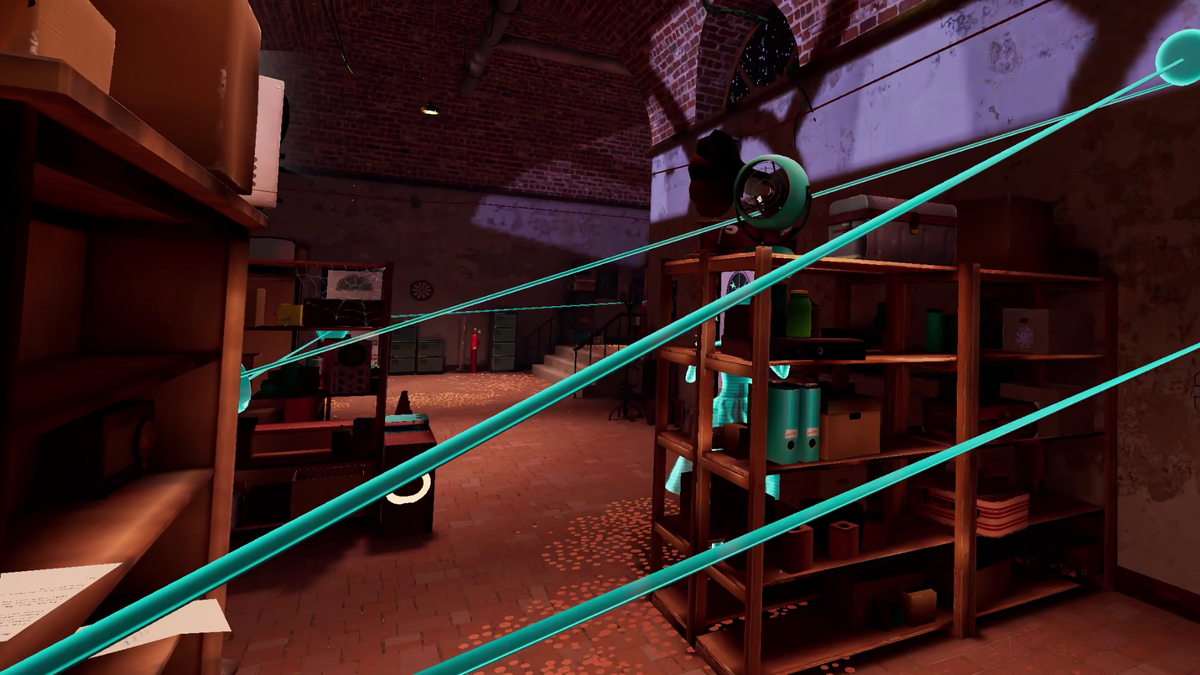
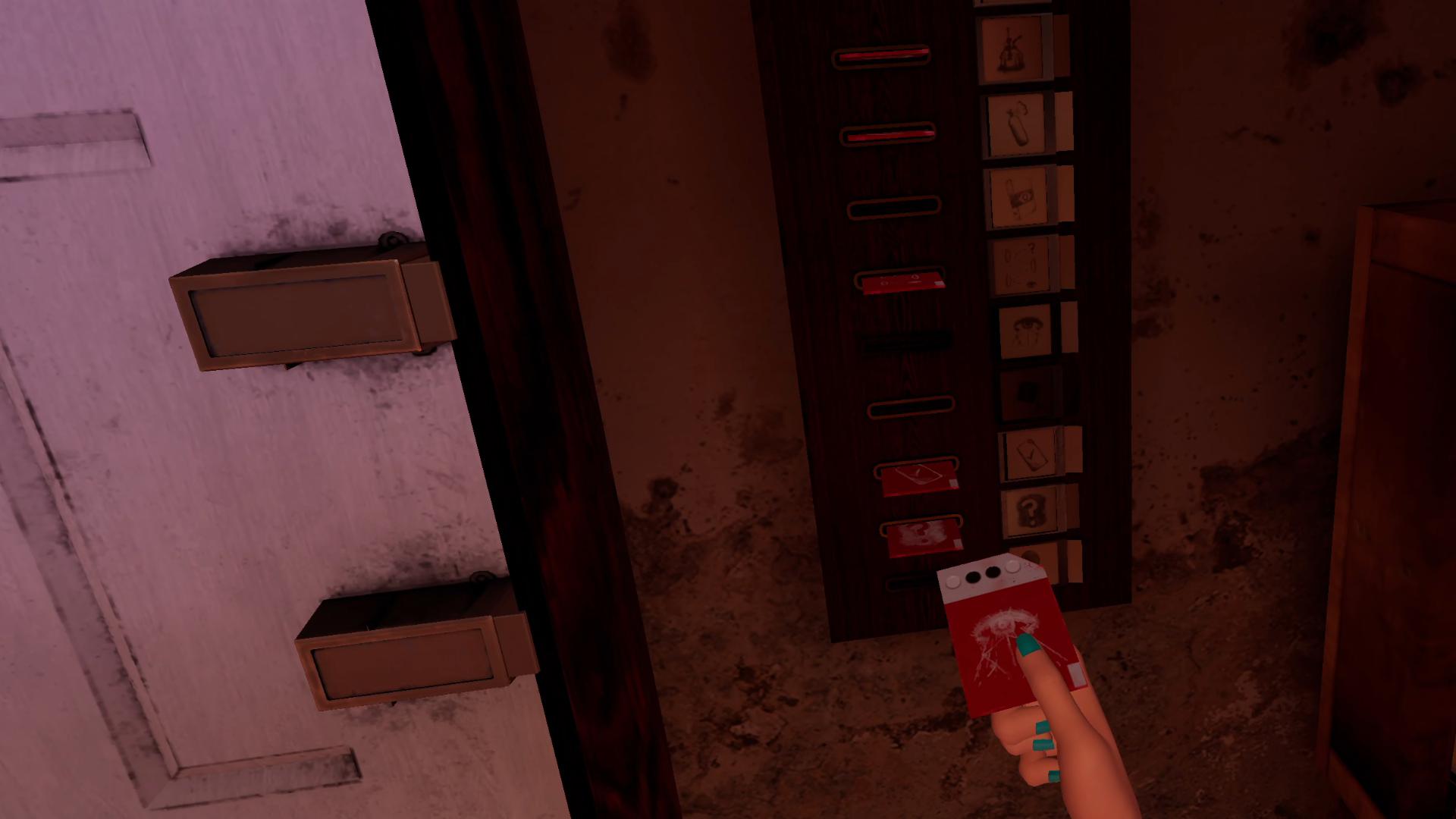
After the final transition, Amelia awakes in a bunker-like science laboratory. This single room comprises the vast majority of the gameplay. The objective is singular: find a series of hidden keycards to unlock the primary exit. The story is fed to the player through notes, discarded blueprints, and Amelia’s own internal monologues. As the player pieces together the scientist’s experiments, a larger, more terrifying conspiracy begins to emerge.
The Conclusion: The Abrupt Finale
Just as the player discovers the true nature of the bunker and Amelia’s role in the scientist’s grand design, the game concludes. The ending has been described by early adopters as a "narrative cliffhanger" that lacks a proper payoff, leaving several major plot threads—such as the origin of the blue lights and Amelia’s ultimate fate—entirely unresolved.
III. Supporting Data: Technical Performance and Design Philosophy
To understand the impact of Amelia’s Escape, one must look at the technical specifications and the design choices that define the user experience.
Hardware and Performance Benchmarks
The game was reviewed using high-end hardware to ensure that any performance issues were inherent to the software rather than the local machine. The testing environment included:
- Processor: Ryzen 7 9850X3D
- Memory: 32GB DDR5 RAM
- GPU: NVIDIA RTX 5070 Ti
- Headset: Meta Quest 3 via Virtual Desktop (Godlike Preset)
Despite the lack of in-game graphical adjustment settings, the title maintained a stable framerate on this configuration. However, the visual fidelity has been noted as "bland" by some critics. The laboratory setting, while functional, lacks the high-fidelity textures and dynamic lighting seen in competing titles like The Room VR: A Dark Matter.
Locomotion and Accessibility
Reality Syndrome Symphony has implemented a standard suite of VR comfort options, though they lack deep customization.
- Stick-Based Locomotion: Allows for smooth movement throughout the room.
- Turning Options: Both smooth and snap turning are available.
- Teleportation: A necessary inclusion for those prone to motion sickness.
- Motion Vignette: A comfort "cage" that narrows the field of view during movement.
- Roomscale: For players with sufficient physical space, the game supports full 1:1 movement, which is the recommended way to play for maximum immersion.
Puzzle Logic and Interactivity
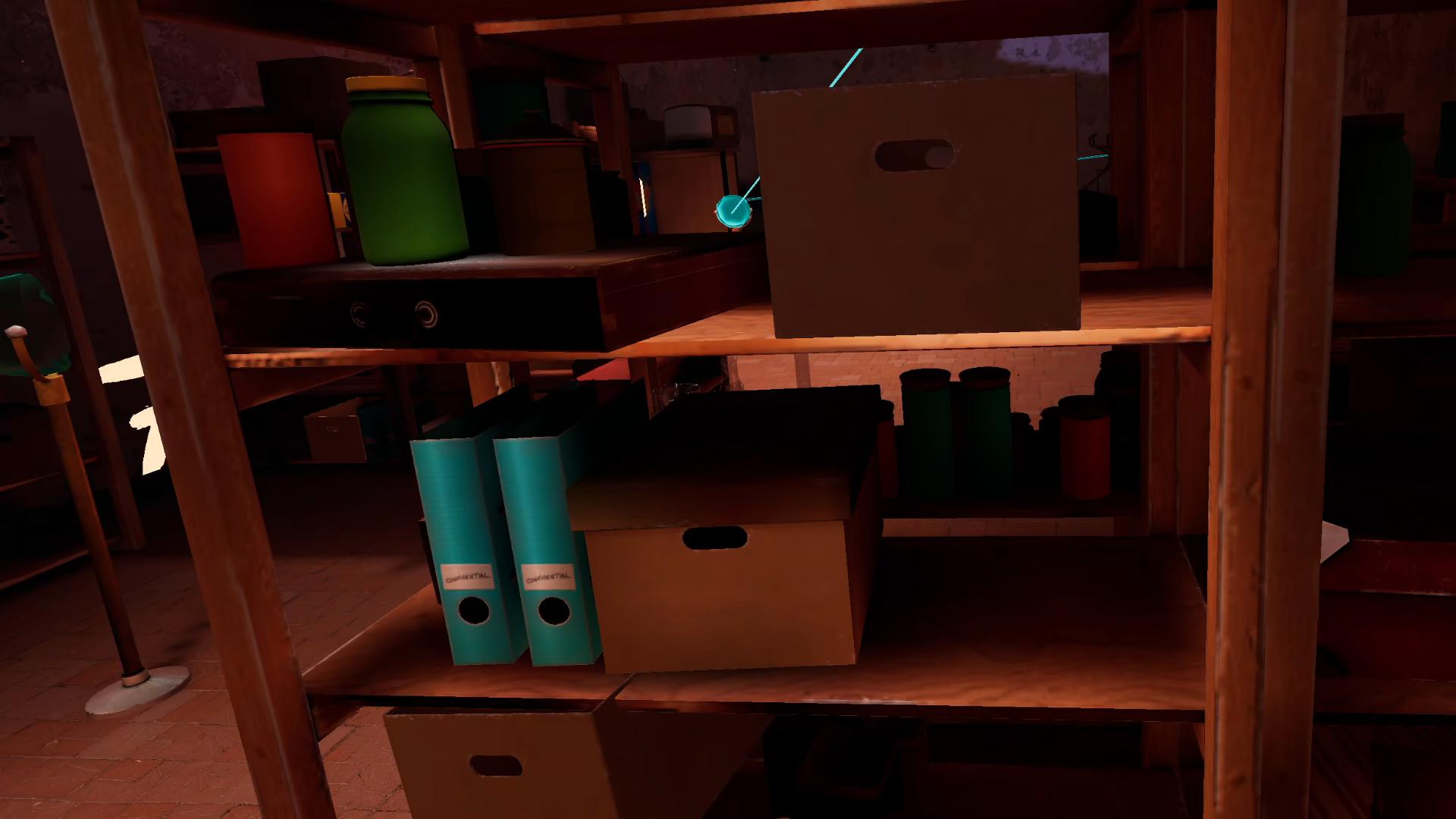
The game’s greatest strength lies in its "fair" puzzle design. Unlike many VR games that highlight interactable objects with a glow or an icon, Amelia’s Escape requires players to physically inspect almost every object. This creates a genuine sense of investigation.
- The Keycard System: The progression is gated by keycards scattered throughout the lab. While the first few are easily located, the final batch requires complex logical leaps.
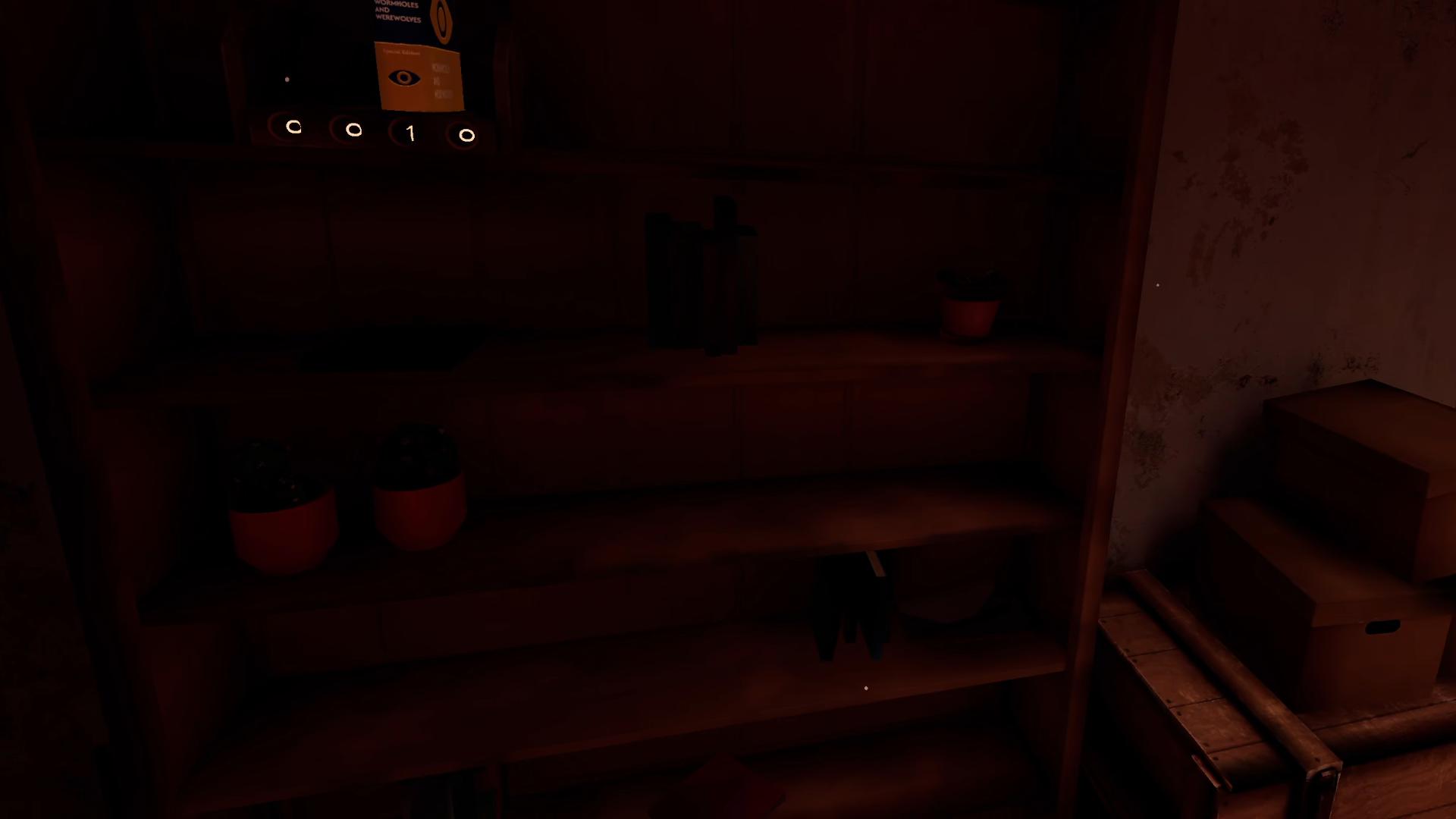
- Contextual Clues: Players must correlate numbers found on discarded notes with physical objects in the room.
- Randomization: To prevent walkthrough-reliance, some lockbox codes and object locations are randomized upon restarting the game, adding a layer of replayability, albeit a thin one given the short runtime.
IV. Official Responses and Developer Perspective
While Reality Syndrome Symphony has not issued a formal press release regarding the criticisms of the game’s length, industry analysts and developer interviews suggest a specific strategic direction.
The "Bite-Sized" VR Strategy
In the lead-up to the 2026 release, indie developers have increasingly moved toward "bite-sized" experiences. The rationale is often twofold:
- Production Costs: Creating high-fidelity VR environments is resource-intensive. By limiting the game to a single room, the developer can focus on polish and interaction physics rather than asset quantity.
- Player Retention: Data from VR platforms often shows that a significant portion of players do not finish long-form VR games due to "headset fatigue."
Addressing the "Jank"
Early patches have already been teased to address technical issues reported by players. The most prominent bug involves physics clipping, where essential items—such as the keycards—can fall through the floor geometry. Reality Syndrome Symphony has acknowledged these reports on community forums, suggesting that an update to the collision mesh is in development.
V. Implications: The Value Proposition in the 2026 VR Market
The release of Amelia’s Escape raises important questions about the evolution of the VR market and what constitutes a "fair" price for digital content.
The Runtime vs. Price Debate
At $14.99 for roughly 60 minutes of gameplay, Amelia’s Escape enters a contentious price bracket. For comparison:
- The Curious Tale of Stolen Pets offers a similar runtime but at a lower price point and with more diverse environments.
- I Expect You To Die provides multiple missions, each with its own self-contained story and "death" mechanics, offering significantly more content for a slightly higher price.
The implication for Amelia’s Escape is that it may struggle to find an audience beyond "hardcore" puzzle enthusiasts who value the quality of the logic over the quantity of the hours.
Narrative Incompleteness as a Trend
The trend of "episodic" storytelling without an explicit "Episode 1" label is becoming more common in indie VR. Amelia’s Escape feels like the prologue to a much larger adventure. While this can build anticipation for a sequel, it can also lead to consumer dissatisfaction if the first installment does not feel like a complete product. If Reality Syndrome Symphony intends to expand this into a series, the success of Amelia’s Escape will depend on how quickly they can deliver the "proper payoff" that players feel is currently missing.
Conclusion: A Specialized Recommendation
Amelia’s Escape is a game of contradictions. It features some of the most satisfying "Aha!" moments in recent VR puzzle history, yet it houses them in a visual package that feels dated and a story that ends on a whimper.
For the player who enjoys the quiet, methodical process of deconstructing a room’s secrets—reminiscent of the original Myst—there is enough here to justify a purchase, perhaps during a sale. However, for the general VR consumer looking for a meaty narrative or a visual showcase for their new hardware, Amelia’s Escape may feel like an escape that was cut short before it ever truly began.
Final Verdict: 3 out of 5 stars. Satisfying puzzles meet an unsatisfying conclusion.