The Vanguard of Visual Development: Concept Art World and the Evolving Landscape of Digital Narrative

In an era where the boundary between reality and digital imagination is increasingly blurred, platforms dedicated to the preservation and promotion of professional artistry have become essential pillars of the entertainment industry. Concept Art World (CAW), a leading online resource, continues to serve as a critical bridge between the visionary creators of Hollywood and the global gaming industry and the audiences who consume their work.
The recent highlights from the platform—featuring the matte paintings of Nicholas Hiatt for Oz the Great and Powerful and the prolific portfolios of artists like Perry Dixon Maple, Daniel Balage, and Sebastian Gromann—underscore a broader movement within the creative sector. This movement emphasizes the protection of intellectual property against the encroachment of unauthorized artificial intelligence (AI) training, while simultaneously celebrating the human ingenuity required to build immersive cinematic and digital universes.
Main Facts: A Hub for Professional Visual Development
Concept Art World functions as more than a simple gallery; it is a comprehensive repository for visual development, illustration, and conceptual design. The platform’s primary mission is to showcase high-quality artwork that informs the pre-production phases of major films, video games, and animated features.
Key highlights from the current industry spotlight include:
- The Nicholas Hiatt Retrospective: A deep dive into the matte painting techniques utilized in Disney’s Oz the Great and Powerful, illustrating the transition from traditional set design to digital environmental world-building.
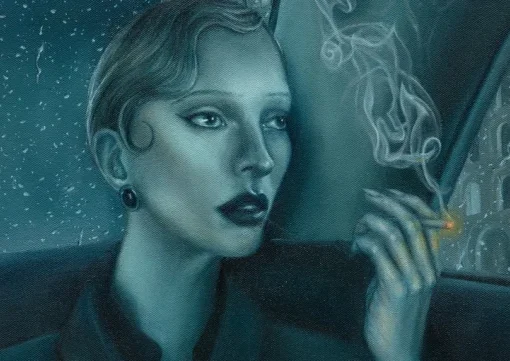
- Artist Profiles: Featured showcases of Perry Dixon Maple, Daniel Balage, and Sebastian Gromann, representing a cross-section of creature design, environmental storytelling, and industrial conceptualization.
- Intellectual Property Protection: A stringent new policy explicitly prohibiting the use of featured content for the training of AI systems, reflecting a growing industry-wide resistance to non-consensual data scraping.
- Multi-Platform Expansion: The platform’s strategic presence on emerging social networks like Bluesky, alongside established giants like LinkedIn and Instagram, indicates a shift in how creative professionals network and share intellectual property.
Chronology: From Practical Sets to Digital Vistas
The evolution of concept art as a recognized discipline has followed the technological trajectory of the entertainment industry. To understand the significance of the artists currently featured by Concept Art World, one must look at the timeline of visual development.
The Golden Age of Practicality (Pre-1990s)
In the early days of cinema, "concept art" was often synonymous with production design and physical sketches. Artists like Ralph McQuarrie (Star Wars) set the standard, creating physical paintings that directors used to build practical sets and costumes.
The Digital Transition (1990s – 2010s)
The advent of Photoshop and 3D modeling software revolutionized the field. By the time Nicholas Hiatt began working on Oz the Great and Powerful (released in 2013), the role of the "Matte Painter" had evolved. No longer were artists painting on glass panes; they were creating layered, high-resolution digital environments that integrated seamlessly with green-screen performances. Hiatt’s work on Oz represents a peak in this era, where digital "paint" was used to evoke the whimsical, saturated aesthetic of a world first imagined in 1939.
The Era of Visual Development (2015 – Present)
Today, concept art is recognized as "Visual Development" (VisDev). It is the foundational stage of any multi-billion dollar franchise. Platforms like Concept Art World emerged during this period to document this process, providing a space where artists like Sebastian Gromann and Perry Dixon Maple could showcase the iterative process of world-building before a single frame of film is shot or a line of code is written.
Supporting Data: The Value of the Concept Art Economy
The importance of the artists featured on Concept Art World is backed by the sheer scale of the industries they support.
- The Gaming Sector: The global video game market is projected to reach over $300 billion by 2026. Concept artists are the architects of this growth. For every character seen on screen, hundreds of "iterations" are produced by artists like Daniel Balage to ensure the visual language aligns with the narrative.
- The Film Industry: Visual effects (VFX) and concept design can account for up to 30-40% of a modern blockbuster’s budget. The work of Nicholas Hiatt on Oz was instrumental in creating a cohesive visual identity for a film that grossed nearly $500 million worldwide.
- The Rise of Professional Portfolios: According to industry surveys, over 70% of art directors in the entertainment industry use specialized curation sites (like CAW) to scout for talent. The featuring of Sebastian Gromann, known for his high-detail environmental work for studios like KARAKTER, serves as a direct pipeline to high-level employment in the AAA gaming space.
Official Responses: Protecting the Human Element
Perhaps the most significant development in the recent updates from Concept Art World is the explicit legal and ethical stance regarding Artificial Intelligence.
The Anti-AI Training Mandate
In an official capacity, Concept Art World has stated: "Any training of AI systems using this content is strictly prohibited." This response is a direct reaction to the "scraping" of artist portfolios by Generative AI companies to train models that can then replicate an artist’s unique style without compensation or consent.
This policy aligns Concept Art World with a growing coalition of professional organizations, including the Concept Art Association (CAA) and various labor unions, which are lobbying for stronger copyright protections in the age of machine learning. The platform emphasizes that all images are copyrighted by the artists or their respective studios, asserting that the value of the art lies in the human experience and years of technical training behind each brushstroke.
The Artist Perspective
While individual artists like Perry Dixon Maple or Nicholas Hiatt have not released synchronized statements, their presence on a platform that actively forbids AI training serves as a tacit endorsement of these protections. Industry veterans argue that while AI can be a tool for "mood boarding," it cannot replace the intentionality of a professional concept artist who understands the structural requirements of a 3D pipeline or the emotional nuance of character design.
Implications: The Future of Creative Professionalism
The curated focus of Concept Art World and its recent updates carry heavy implications for the future of the creative workforce.
1. The Migration to "Safe" Platforms
As mainstream social media platforms (such as X/Twitter and Meta) face criticism for using user data to train AI, professional artists are migrating to platforms that offer more control. CAW’s promotion of its Bluesky and LinkedIn presence suggests a future where professional networking occurs in "walled gardens"—communities where the sanctity of the artist’s work is the primary priority.
2. The Premium on Technical Mastery
The feature on Nicholas Hiatt’s matte paintings highlights a shift toward "technical mastery" as a defense against automation. Complex matte painting requires an understanding of light, perspective, and integration that current AI struggles to execute with professional-grade precision. By showcasing high-level technical work, CAW reinforces the idea that "prestige" art will remain a human-dominated field.
3. Educational Value and the Next Generation
By providing tutorials and artist spotlights, Concept Art World ensures that the "DNA" of the industry is passed down. For aspiring artists, seeing the work of Daniel Balage or Sebastian Gromann provides a roadmap of the skills required to succeed. This educational aspect is crucial for maintaining a pipeline of human talent that can navigate the complexities of modern production pipelines.
4. Intellectual Property as a Battleground
The "strictly prohibited" clause regarding AI training is likely the first of many legal skirmishes. As more high-traffic portfolios like those on CAW adopt these terms, it sets a precedent for "Opt-In" rather than "Opt-Out" data usage. This could lead to a future where AI companies must pay licensing fees to platforms or artists to use their work for training, fundamentally changing the economics of the digital art world.
Conclusion
Concept Art World remains at the forefront of the digital art industry, not merely as a gallery, but as a guardian of the professional standards that define modern entertainment. Through its celebration of artists like Nicholas Hiatt and Perry Dixon Maple, and its firm stance against the unauthorized use of creative labor, the platform highlights the ongoing tension between technological advancement and human creativity. As the industry moves toward 2026 and beyond, the role of such platforms in defining the boundaries of copyright and the value of visual storytelling will only become more vital.