Navigating the Labyrinth of the Soul: An In-Depth Preview of ‘HeartWeaver’
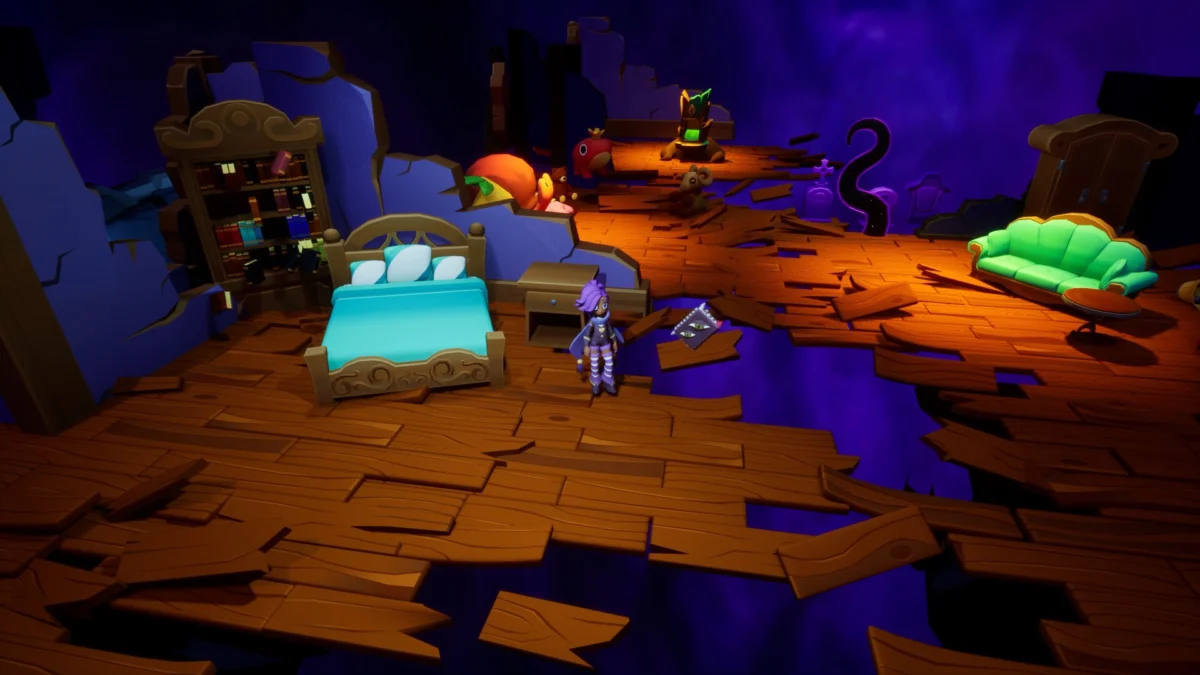
The landscape of independent video game development has increasingly shifted toward the exploration of the human condition, moving beyond simple entertainment to address complex themes of mental health, trauma, and recovery. Joining the ranks of evocative titles like Gris and Celeste is HeartWeaver, a 3D puzzle-adventure game that seeks to externalize the internal struggle for emotional clarity. Recently showcased at the Pocket Gamer Connects event, HeartWeaver offers a poignant, surreal journey through the mind of its protagonist, Ace, providing a mechanical framework for the abstract process of psychological healing.
Main Facts: The Architecture of a Fragmented Mind
At its core, HeartWeaver is a narrative-driven puzzle game that places players in the role of Ace, an individual literally trapped within the confines of their own psyche. The game’s primary objective is not merely physical escape, but emotional reconciliation. Players must navigate a series of surreal environments that represent Ace’s memories, many of which have been obscured or "overgrown" by symbolic manifestations of neglect and repression.
Key Features and Premise
- Protagonist: Ace, a character whose internal world serves as the game’s setting.
- The Guide/Antagonist: Mark, a sentient, giant book monster who acts as both a source of critical guidance and a psychological hurdle.
- Core Gameplay: A blend of 3D platforming and environmental puzzles that require the strategic use of emotional states.
- Narrative Goal: To uncover repressed memories, solve the "vines" of the mind, and guide Ace toward a state of holistic healing.
- Availability: A playable demo is currently available on Steam, with the full release pending.
The game distinguishes itself by treating emotions not as obstacles to be overcome, but as tools to be utilized. By reframing feelings like Anger, Fear, and Sadness as functional mechanics, HeartWeaver challenges the traditional gaming trope of "staying positive" to win, suggesting instead that all emotions are necessary for survival and progress.
Chronology: The Journey Through Ace’s Psyche
The progression of HeartWeaver follows a non-linear but thematic path through the different sectors of Ace’s consciousness. Based on the preview builds and gameplay showcases at Pocket Gamer Connects, the journey can be categorized into several distinct stages of psychological exploration.
Phase I: Awakening and the Encounter with Mark
The game begins with Ace in a state of disorientation. The initial environments are "fragmented," reflecting a mind that has compartmentalized its experiences to avoid pain. Early in this journey, players encounter Mark. Unlike traditional helpful NPCs, Mark is a "book monster" characterized by a harsh, critical demeanor.
Mark represents the "inner critic"—the voice of logic that is often right but lacks empathy. Interactions with Mark are mandatory for progression, forcing the player (and Ace) to confront uncomfortable truths and criticisms. This dynamic sets the tone for the game: healing is not a comfortable process, and the truth often comes from sources we find "annoying" or difficult to face.
Phase II: The Overgrown Memories
As the player moves deeper into the mind, they encounter "vines" that choke specific memories. These vines represent the biological and psychological act of repression—the mind’s attempt to hide trauma by burying it. The player’s task is to "destroy" these vines, not through combat, but through the resolution of environmental puzzles.
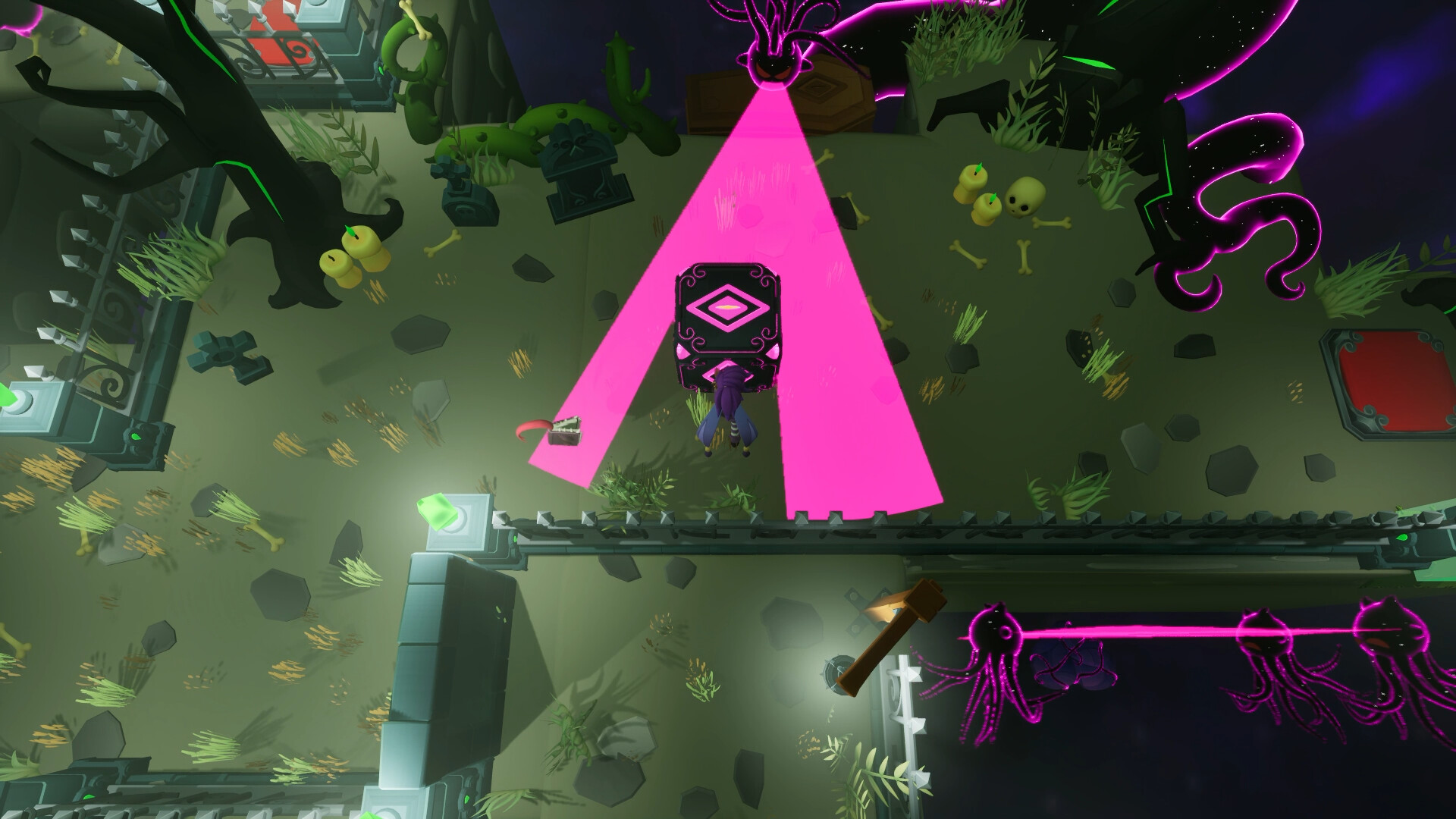
This phase introduces the octopus monsters, which serve as gatekeepers. Unlike the vines, these creatures cannot be destroyed; they must be understood and bypassed. This symbolizes the aspects of one’s past or personality that cannot be deleted, only managed.
Phase III: Integration and Healing
The final stages of the game (as teased in the demo and trailers) involve the synthesis of different emotional abilities. The world begins to transition from a series of disconnected islands to a more cohesive landscape. The ultimate goal is to reach a "place of healing" where Ace no longer needs to repress their history to function in the present.
Supporting Data: The Mechanics of Emotion
The most innovative aspect of HeartWeaver is its "Emotional Ability" system. In many adventure games, status effects like "fear" or "anger" are debuffs that hinder the player. In HeartWeaver, these are the primary methods of interaction with the world.
The Emotional Toolkit
The game utilizes three primary emotional states, each tied to a specific gameplay mechanic:
- Sadness (Time Dilation): When channeling sadness, Ace can slow down time. This mechanic allows players to navigate fast-moving platforms or bypass rapid obstacles. It suggests that sadness, while heavy, allows for a slower, more contemplative pace that reveals details otherwise missed in the rush of life.
- Fear (Astral Projection): Fear allows Ace to "leave their body." This mechanic is used for scouting dangerous areas or activating switches that are physically unreachable. It mirrors the psychological phenomenon of dissociation—a common defense mechanism where the mind detaches from the body during moments of high stress.
- Anger (Kinetic Force): Anger provides the ability to push objects away with significant force. This is used for clearing paths and solving physics-based puzzles. It represents the outward energy of anger, which, when directed properly, can remove barriers and create space.
Environmental Storytelling
The visual data presented in the game uses a specific color palette and architectural style to denote different mental states. Fragmented floating islands suggest a lack of "grounding," while the presence of the octopus monsters and thick vines provides a visual shorthand for the weight of the subconscious. The "book monster" design of Mark is particularly significant, suggesting a repository of history that is both burdensome and essential.
Official Responses: The Creative Philosophy
During the presentation at Pocket Gamer Connects, the development team and observers highlighted the core philosophy driving HeartWeaver. While the game is a "puzzle adventure" on the surface, its developers emphasize that the narrative is a metaphor for the therapeutic process.
The Meaning Behind the Game
The developers have indicated that the game’s world is intentionally "fragmented" because a mind in crisis does not experience life as a linear narrative. The inclusion of Mark, the harsh critic, was a deliberate design choice to reflect the reality of self-improvement: it often involves listening to the parts of ourselves we would rather ignore.
The "official" stance on the game’s difficulty and puzzle design is that they are meant to be challenging but not punishing. The puzzles are designed to mirror the "work" of therapy—requiring patience, the revisiting of old areas (memories), and the application of different emotional perspectives to find a solution. The overarching message communicated by the creators is one of "healing without repression."
Feedback from the Showcase
Early impressions from the Pocket Gamer Connects demo suggest that players found the emotional mechanics intuitive but emotionally resonant. The friction between the player and the character Mark was noted as a highlight, as it successfully evoked the feeling of dealing with a difficult but necessary internal voice.
Implications: Gaming as a Tool for Empathy
The development and upcoming release of HeartWeaver have broader implications for the gaming industry and the discourse surrounding mental health.
1. The Normalization of Complex Emotions
By turning "negative" emotions into essential tools, HeartWeaver contributes to a cultural shift that views anger, fear, and sadness as valid and useful components of the human experience. This moves away from the "toxic positivity" often found in media, where the goal is simply to eliminate bad feelings.
2. Interactive Therapy
While not a replacement for professional help, games like HeartWeaver serve as "empathy machines." They allow players to practice navigating difficult psychological terrain in a safe, controlled environment. The mechanic of "leaving one’s body" through fear or "slowing time" through sadness provides a vocabulary for players to understand their own reactions to stress.
3. The Evolution of the Puzzle Genre
HeartWeaver represents an evolution in the 3D puzzle-adventure genre. It moves beyond the logic-based puzzles of games like Portal or The Witness to include "emotional logic." To solve a puzzle in HeartWeaver, a player must ask not just "What lever do I pull?" but "How should I feel to get past this?"
4. Indie Innovation in Narrative Design
The game’s success at events like Pocket Gamer Connects underscores the vital role of indie developers in pushing narrative boundaries. Without the pressure of AAA "mass appeal," indie studios are free to explore niche, deeply personal subjects that resonate on a universal level.
Conclusion
HeartWeaver stands as a promising addition to the growing library of "serious" games that do not sacrifice gameplay for their message. By weaving complex psychological themes into the very fabric of its 3D puzzles, it offers players a unique opportunity to explore the architecture of the mind. As Ace works to clear the vines of repression and balance the caustic wisdom of Mark, players are reminded that the path to healing is rarely a straight line, but a puzzle well worth solving.
The demo is currently available on Steam, inviting players to step into Ace’s mind and begin the process of weaving a healthier heart ahead of the game’s full commercial launch.