Mastering the Arcane: Spellbound Studio Launches Open Playtest for VR Dark Fantasy RPG ‘Vaelorys’
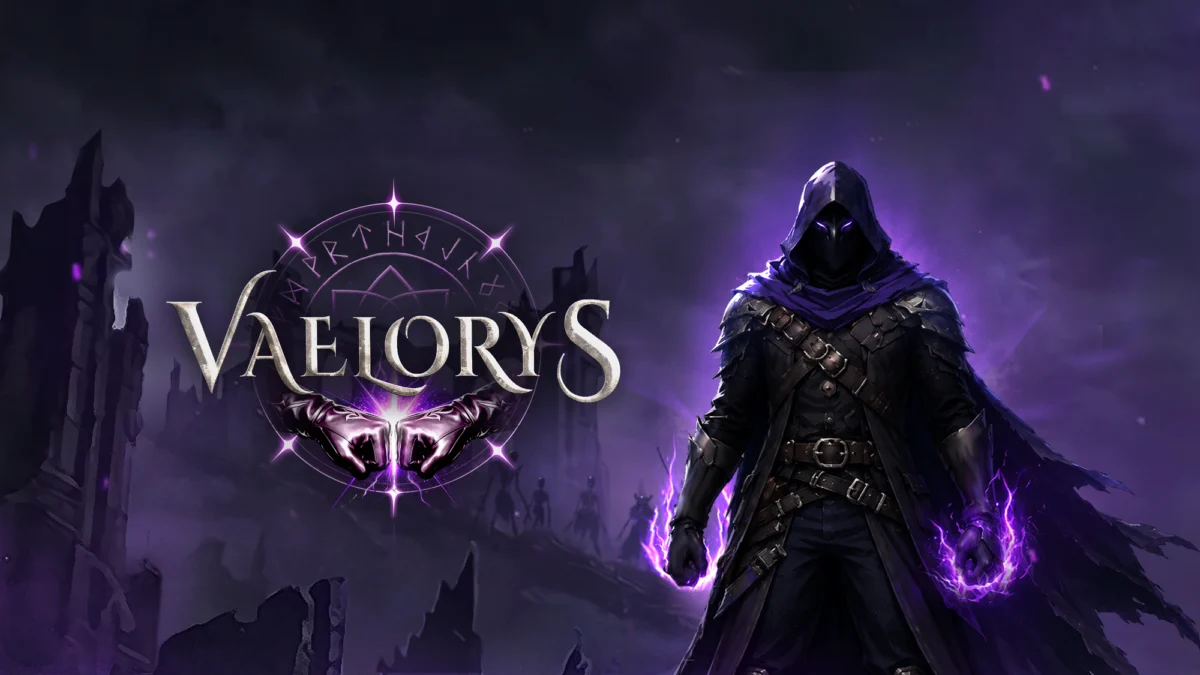
The virtual reality landscape is currently witnessing a renaissance of the "dungeon crawler" genre. As hardware capabilities expand with the Meta Quest 3 and the continued popularity of the Quest 2, developers are pushing the boundaries of what is possible in standalone VR. Leading this new wave of immersive experiences is Spellbound Studio with their latest project, Vaelorys. Inspired by the dark, loot-driven mechanics of the Diablo franchise, Vaelorys aims to redefine how players interact with magic through a physical, gesture-based combat system.
As of September 7, Spellbound Studio has officially opened the gates to its world, inviting the community to participate in a limited-time playtest that runs through September 21. This move marks a critical milestone in the game’s development, offering a glimpse into a title that promises to blend high-stakes hack-and-slash action with the deep customization of a traditional role-playing game (RPG).
Main Facts: A New Vision for VR Spellcasting
Vaelorys is not merely another fantasy title in a crowded market; it is a calculated attempt to bring the "loot-and-level" addiction of classic ARPGs (Action Role-Playing Games) into a fully spatial environment. At its core, the game focuses on three pillars: physical immersion, progression-based depth, and environmental replayability.
The Gesture-Based Combat Engine
The standout feature of Vaelorys is its departure from traditional button-mapping for combat. In many VR titles, casting a spell is as simple as a trigger pull. In Vaelorys, magic is earned through movement. Players must perform specific physical gestures to conjure spells, a mechanic designed to bridge the gap between the player and their in-game avatar. This system demands both precision and speed, particularly when facing the "waves of enemies" described by the developers. By requiring players to physically manifest their power, Spellbound Studio is tapping into the visceral satisfaction that has made titles like Blade & Sorcery or The Wizards staples of the VR diet.
Progression and Customization
To mirror the depth of its "Diablo-inspired" roots, Vaelorys features a robust skill tree and an extensive library of unlockable content. At launch, the game is expected to feature:
- 30 Unique Spells: These are not static abilities but can be upgraded and evolved as the player progresses.
- Full Skill Tree: A progression system that allows players to specialize their "build," whether focusing on raw damage, defensive wards, or utility magic.
- Loot and Artifacts: The gameplay loop revolves around clearing dungeons and wilderness areas to find gear that enhances stats and provides passive bonuses.
Platform and Availability
The game is being developed specifically for the Meta Quest ecosystem. The current playtest is accessible via Meta Quest’s channel access invitation system, a method increasingly used by indie developers to stress-test servers and gather telemetry data without the pressure of a full public launch.
Chronology: The Road to Winter Early Access
The development of Vaelorys has followed a strategic path aimed at community integration. Understanding the timeline of the current playtest and the projected release window is essential for players looking to influence the game’s final state.
- Pre-Development and Concept: Spellbound Studio identified a gap in the VR market for a high-fidelity, dark fantasy RPG that focused on "grindable" content—the kind of game where a player can spend hundreds of hours perfecting a character build.
- September 7, 2024: The official commencement of the open playtest. This phase was designed to introduce the core mechanics to a wider audience beyond internal testers.
- September 7 – September 21, 2024: The active playtest window. During these fourteen days, the studio is monitoring player movement, spell-casting accuracy, and the "loot drop" balance to ensure the game remains challenging yet rewarding.
- Post-September 21, 2024: Data analysis phase. Spellbound Studio will retreat to digest the feedback and telemetry gathered during the two-week window.
- Winter 2024/2025: The projected release of Vaelorys into Early Access on the Meta Quest Store. This phase will likely see the introduction of more biomes, additional spells, and perhaps cooperative multiplayer features, depending on the success of the initial playtest.
Supporting Data: Technical Fidelity and the VR RPG Market
The decision to target the Meta Quest platform is supported by the massive install base of the Quest 2 and Quest 3 headsets. However, developing a "hack-and-slash" RPG for standalone mobile hardware presents unique technical challenges that Spellbound Studio is addressing through stylized art and optimized physics.
The "Diablo" Influence in Numbers
The "Diablo-like" genre is characterized by the "Kill, Loot, Repeat" cycle. In the VR space, this has been successfully implemented by titles like Dungeons of Eternity, which saw significant commercial success. Data suggests that VR users are increasingly moving away from short "experiences" and toward "forever games"—titles with deep progression systems that justify repeated play. With 30 spells and a full skill tree, Vaelorys is positioning itself to capture the segment of the market that demands 20+ hours of content per playthrough.
The Role of Early Access
According to industry analysts, VR titles that launch in Early Access or through Meta’s "App Lab" tend to have higher user satisfaction scores upon full release. This is because VR is a highly subjective medium; what feels comfortable to one player in terms of movement and gesture recognition may cause "sim sickness" or frustration in another. By utilizing the September playtest, Spellbound Studio is effectively "de-risking" their Winter launch.
Hardware Utilization
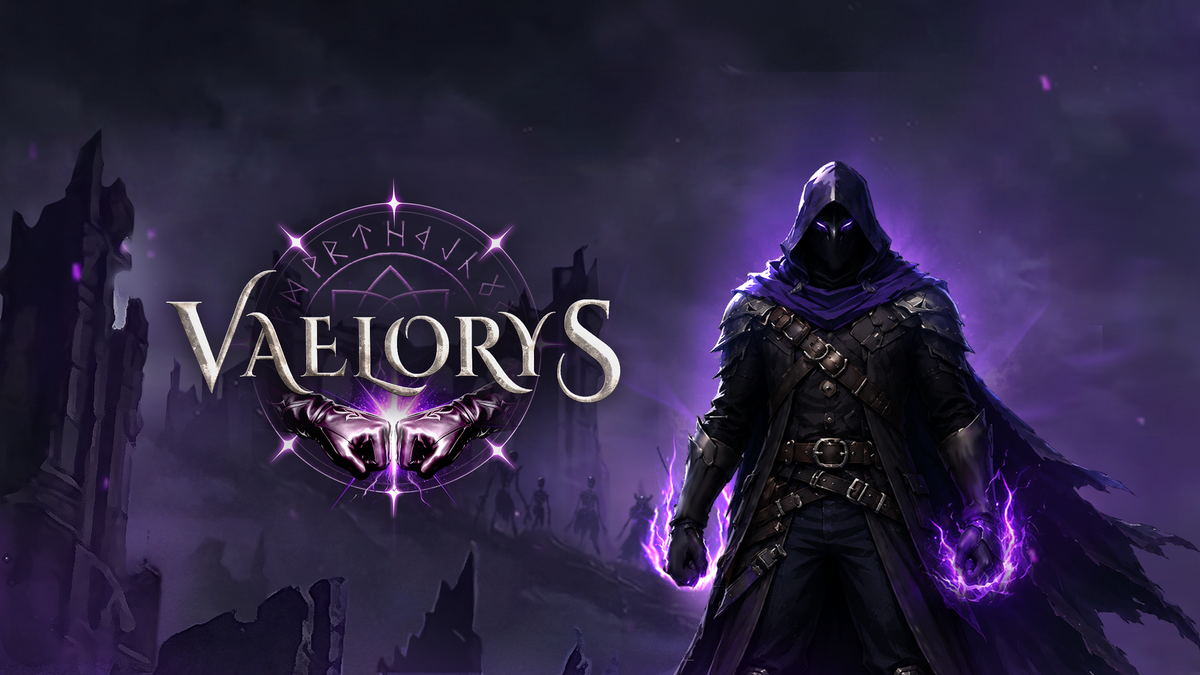
While specific resolution and frame rate targets have not been officially disclosed, the trailer suggests a focus on atmospheric lighting and particle effects. For a spell-based game, the visual feedback of magic is paramount. The Quest 3’s improved GPU allows for more complex shaders, which Vaelorys appears to leverage to make its gesture-based casting feel impactful and visually rewarding.
Official Responses: The Philosophy of Spellbound Studio
While formal press conferences are rare for indie VR studios, Spellbound Studio has been vocal in community forums and through their promotional materials about their design philosophy.
A representative for the studio emphasized that Vaelorys was born out of a desire for "physicality in magic." They noted that while sword-fighting has been perfected in VR through various physics-driven engines, magic often feels like a "point-and-click" interface. The studio’s response was to create a system where the player’s body is the wand. "We want players to feel the weight of the spell they are throwing," the studio noted in a recent community update. "If you’re casting a massive fireball, the movement should feel grand and deliberate."
Furthermore, the studio has addressed the importance of the "dark fantasy" aesthetic. In a market often saturated with colorful, "low-poly" or "cartoonish" graphics to save on processing power, Vaelorys is opting for a grittier, more mature tone. This choice is an official response to a vocal segment of the VR community that has been asking for more "Grown-up" RPG experiences that mirror the tone of Dark Souls or Diablo.
Implications: What ‘Vaelorys’ Means for the Future of VR
The emergence of Vaelorys and the success of its current playtest have several broader implications for the VR industry and the Meta Quest ecosystem.
1. The Maturity of Standalone VR
For years, the narrative was that "true" RPGs were only possible on PCVR due to the processing power required for complex AI, loot tables, and large environments. Vaelorys serves as further evidence that standalone headsets are now capable of hosting deep, mechanically complex RPGs. This shift is likely to encourage more developers to port or build original ARPG titles for the Quest, further diminishing the gap between mobile and tethered VR.
2. The Evolution of User Interface (UI)
By leaning heavily into gesture-based casting, Vaelorys is pushing the industry toward more "diegetic" interfaces—where the gameplay actions are integrated into the world rather than hidden in menus. If Vaelorys succeeds, it could set a new standard for magic systems in VR, making button-based casting feel antiquated and immersion-breaking.
3. Community-Centric Development
The two-week open playtest is a masterclass in modern community engagement. By giving players "hands-on" access for free, Spellbound Studio is building a loyal fanbase before a single dollar has been spent. This "community-first" approach is becoming the blueprint for success in the indie VR space, where word-of-mouth and Discord-driven feedback loops are more valuable than traditional advertising.
4. Competition in the Dungeon Crawler Space
The Winter Early Access launch will place Vaelorys in direct competition with established titles. However, its specific focus on spellcasting as the primary mechanic (rather than a secondary option to melee) gives it a unique "Unique Selling Proposition" (USP). Its success will depend on whether the gesture recognition is refined enough to prevent player frustration during high-intensity encounters.
Conclusion
Vaelorys represents an ambitious step forward for Spellbound Studio and a promising addition to the Meta Quest library. By combining the addictive qualities of dark fantasy loot-grinds with a physically demanding and immersive magic system, the game is poised to capture the imaginations of VR enthusiasts worldwide. As the playtest concludes on September 21, the data gathered will undoubtedly shape the "Winter Early Access" version into a more polished and formidable entry in the RPG genre. For now, the gates of Vaelorys remain open, offering a free glimpse into the future of arcane combat.