A New Frontier in the Void: Hello Games Revolutionizes Space Exploration with No Man’s Sky ‘Cosmos’ Update
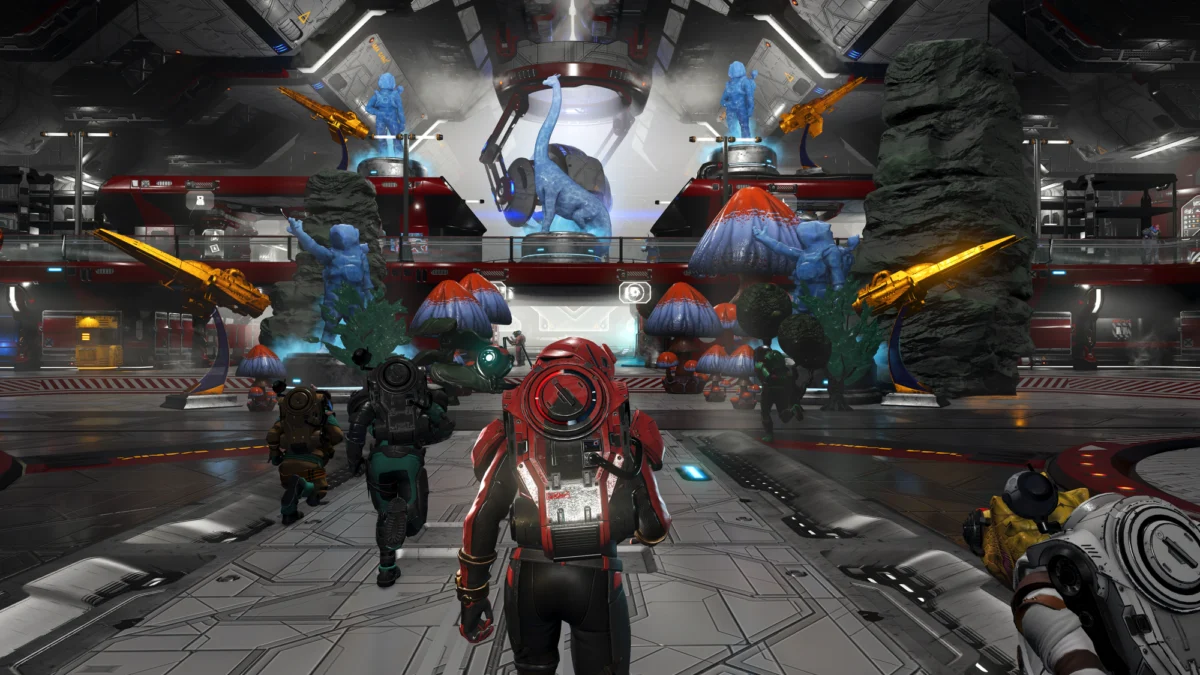
LONDON – In the decade since its tumultuous launch in 2016, No Man’s Sky has transformed from a cautionary tale of over-ambition into the gold standard for post-launch video game development. Today, Hello Games has reached a new pinnacle in this journey with the release of the "Cosmos" update. Teased during the studio’s Tenth Year Anniversary celebrations, Cosmos represents a fundamental shift in the game’s architecture, turning the "space" in this space-exploration title from a mere transitional void into a living, breathing ecosystem of discovery.
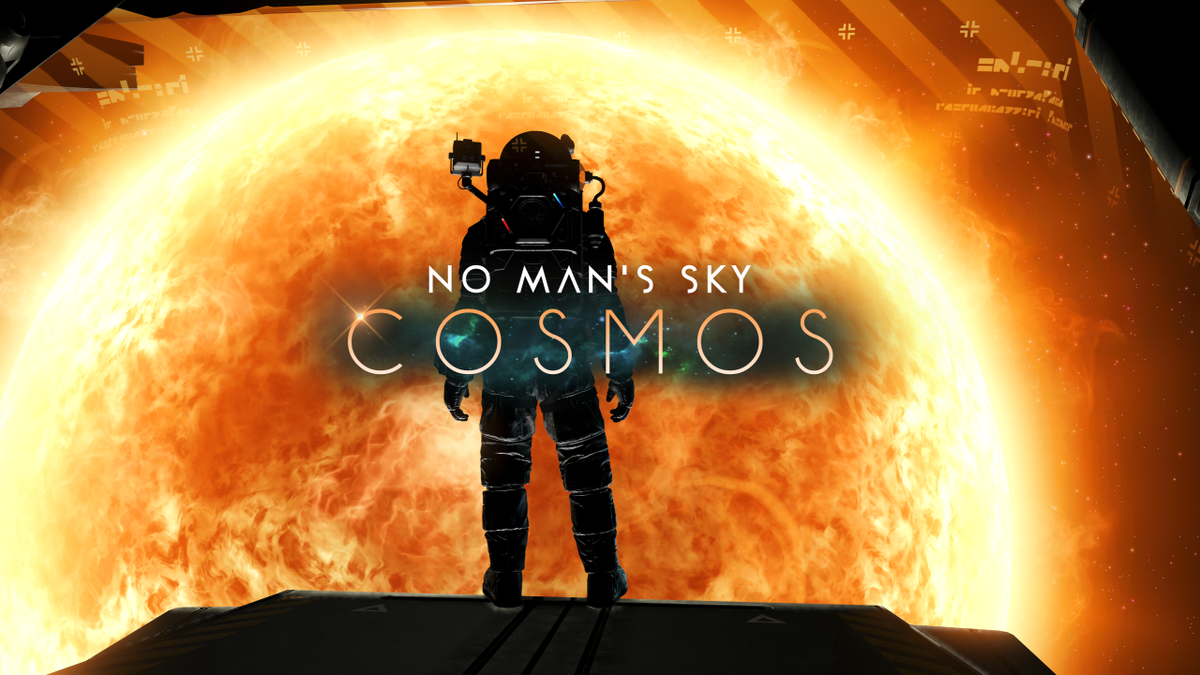
Main Facts: Reclaiming the Stars
The Cosmos update, which is available today as a free download for all existing players on Steam, PlayStation VR2, and other supported platforms, focuses almost exclusively on the "outer space" component of the procedurally generated universe. While previous updates like Origins and Worlds Part I focused heavily on planetary biomes, flora, and fauna, Cosmos addresses a long-standing critique from the community: that space itself felt empty compared to the rich environments found on planet surfaces.
Key highlights of the Cosmos update include:
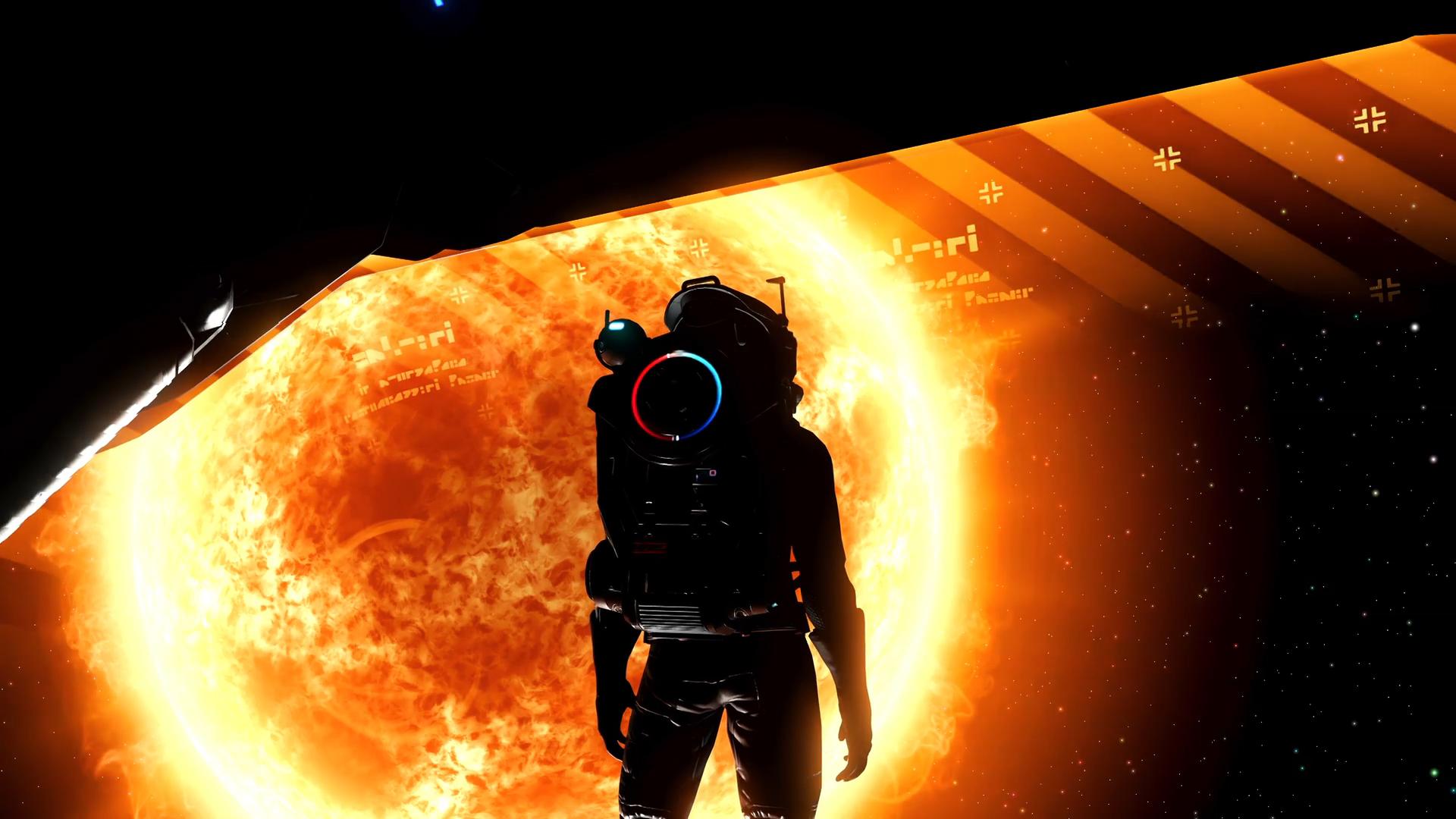
- Deep Space Scanning: A revamped scanning mechanic that allows players to identify points of interest (POIs) within a system’s vacuum, mirroring the exploration loop previously reserved for planetary surfaces.
- Enhanced Space POIs: The introduction of derelict structures, celestial anomalies, and interactive wreckage that players can scavenge and explore.
- Space-Based Construction: New tools for building and personalization, allowing players to extend their creative reach beyond freighters and planetary bases into the stars themselves.
- Technical Optimization: The implementation of PC VR eye-tracked foveated rendering, significantly boosting performance for virtual reality users.
- The "Our Journey Continues" Expedition: A new limited-time event that celebrates the game’s history by revisiting milestones from all forty major updates released since 2016.
Chronology: A Decade of Iteration
To understand the weight of the Cosmos update, one must look at the timeline of No Man’s Sky. When the game launched in August 2016, it was met with a polarized reception. While the scale was unprecedented, the gameplay loops were often criticized as shallow.
2016–2018: The Foundation Years
Hello Games responded to the initial backlash not with PR statements, but with code. The Foundation, Pathfinder, and Atlas Rises updates introduced base building, land vehicles, and a structured 30-hour narrative. By the time NEXT launched in 2018, bringing full multiplayer to the game, the narrative surrounding Hello Games began to shift from "disappointment" to "redemption."
2019–2023: Expanding the Scope
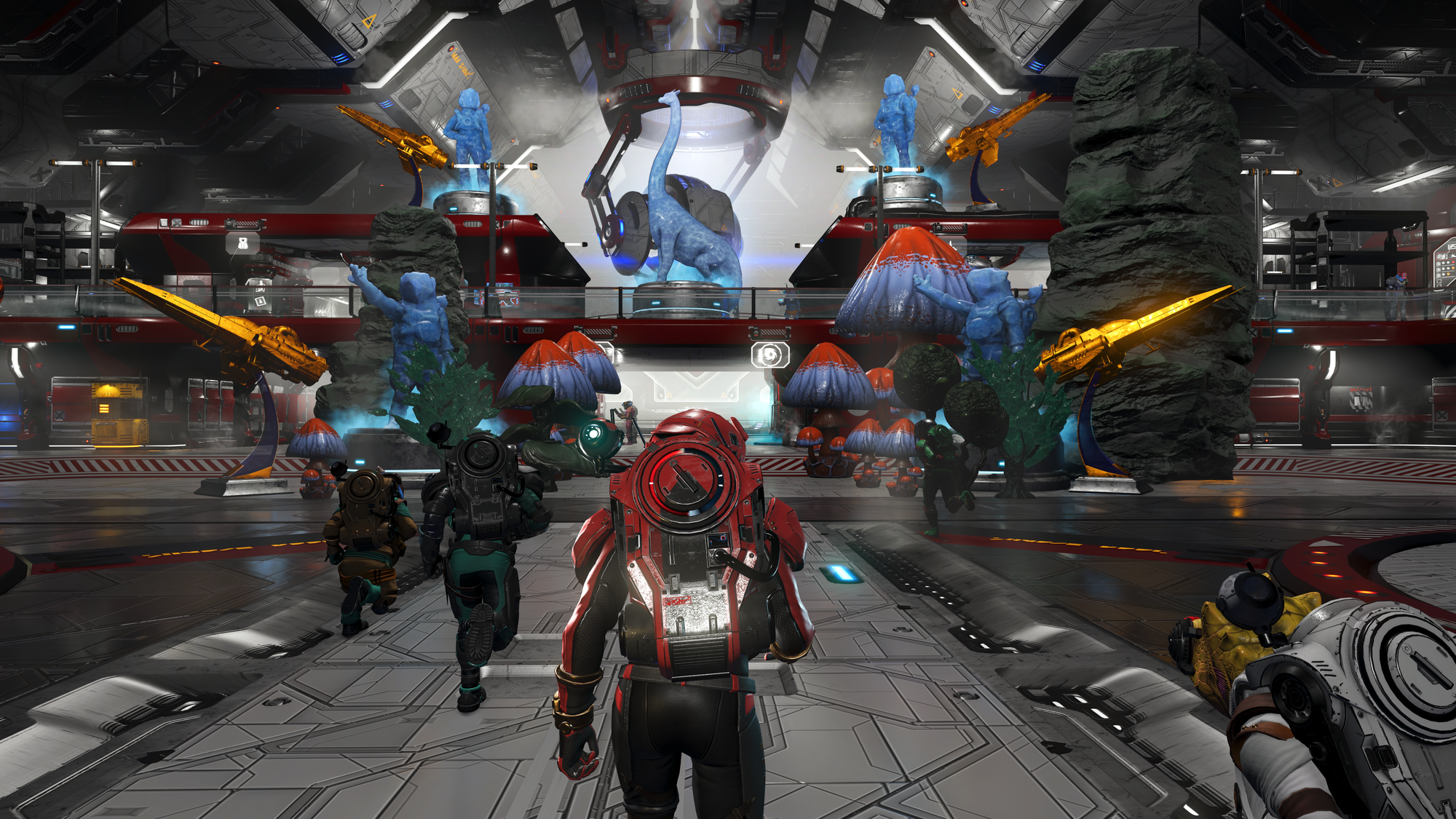
Updates like Beyond (VR support), Origins (doubling variety), and Frontiers (planetary settlements) expanded the game’s breadth. However, the space between planets remained largely a highway—a place to engage pulse drives to get from Point A to Point B.
2024–2026: The Anniversary Era
Leading up to the tenth anniversary, Hello Games released the Worlds update, which utilized new technology to overhaul water physics, clouds, and planetary shadows. Following the Worlds focus on "Earth-like" beauty, Cosmos was teased as the final piece of the puzzle: the revitalization of the vacuum. Today’s release marks the culmination of this two-year technical sprint, ensuring that the "Sky" in No Man’s Sky is as dense with content as the ground beneath the player’s feet.
Supporting Data: Bridging the Gap Between Planets and Stars
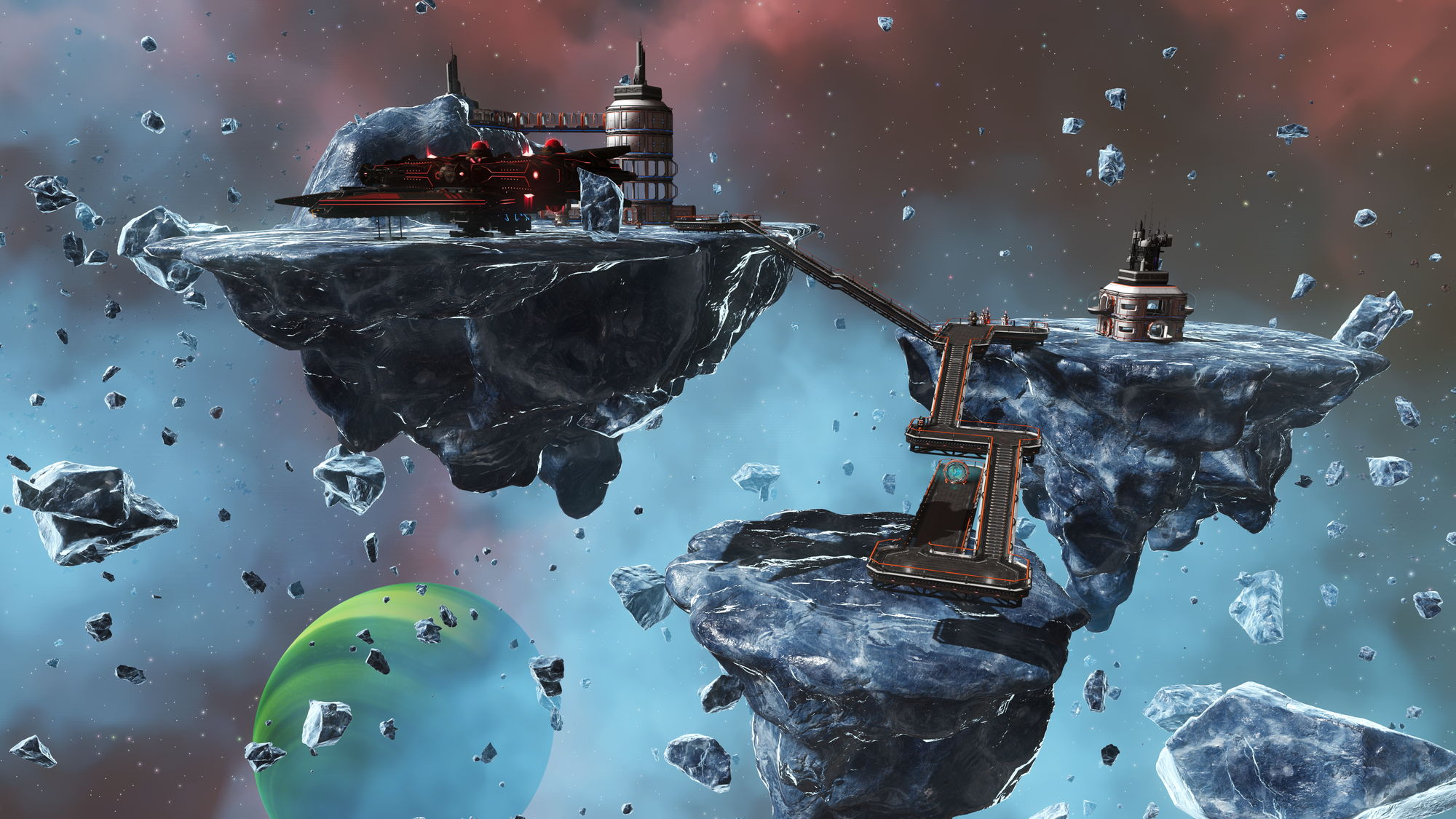
The Cosmos update introduces a mechanical parity between ground and space exploration. Internal data and player feedback suggested that while players spent roughly 70% of their time on planets, the most "cinematic" moments occurred in space. Hello Games has leaned into this by introducing "Interstellar Scavenging."
According to the patch notes, the new scanning system allows players to drop out of pulse jump to investigate "localized gravitational anomalies." These are not just random encounters; they are persistent locations within a star system that can be shared via coordinates with other players. These locations include:
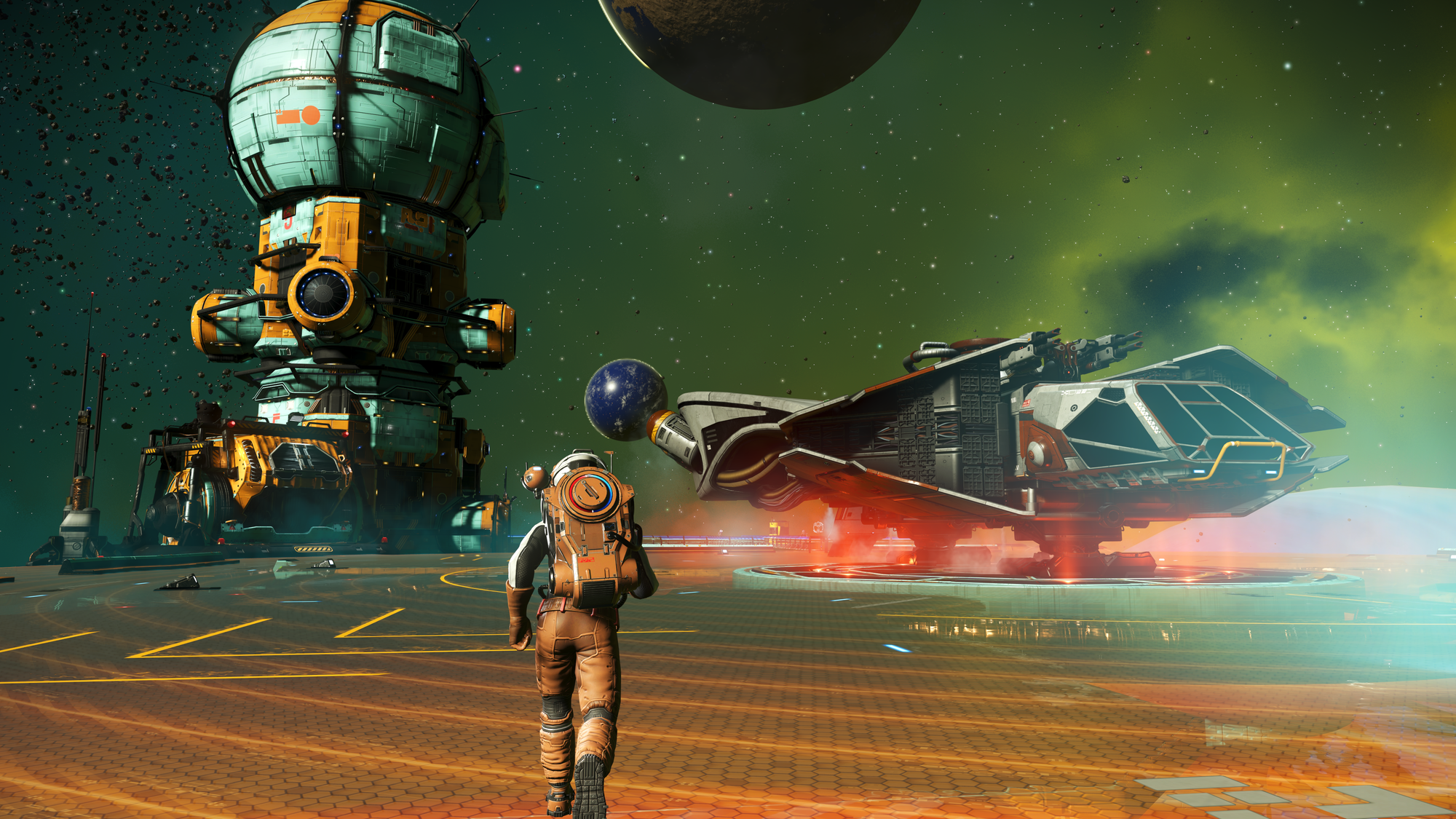
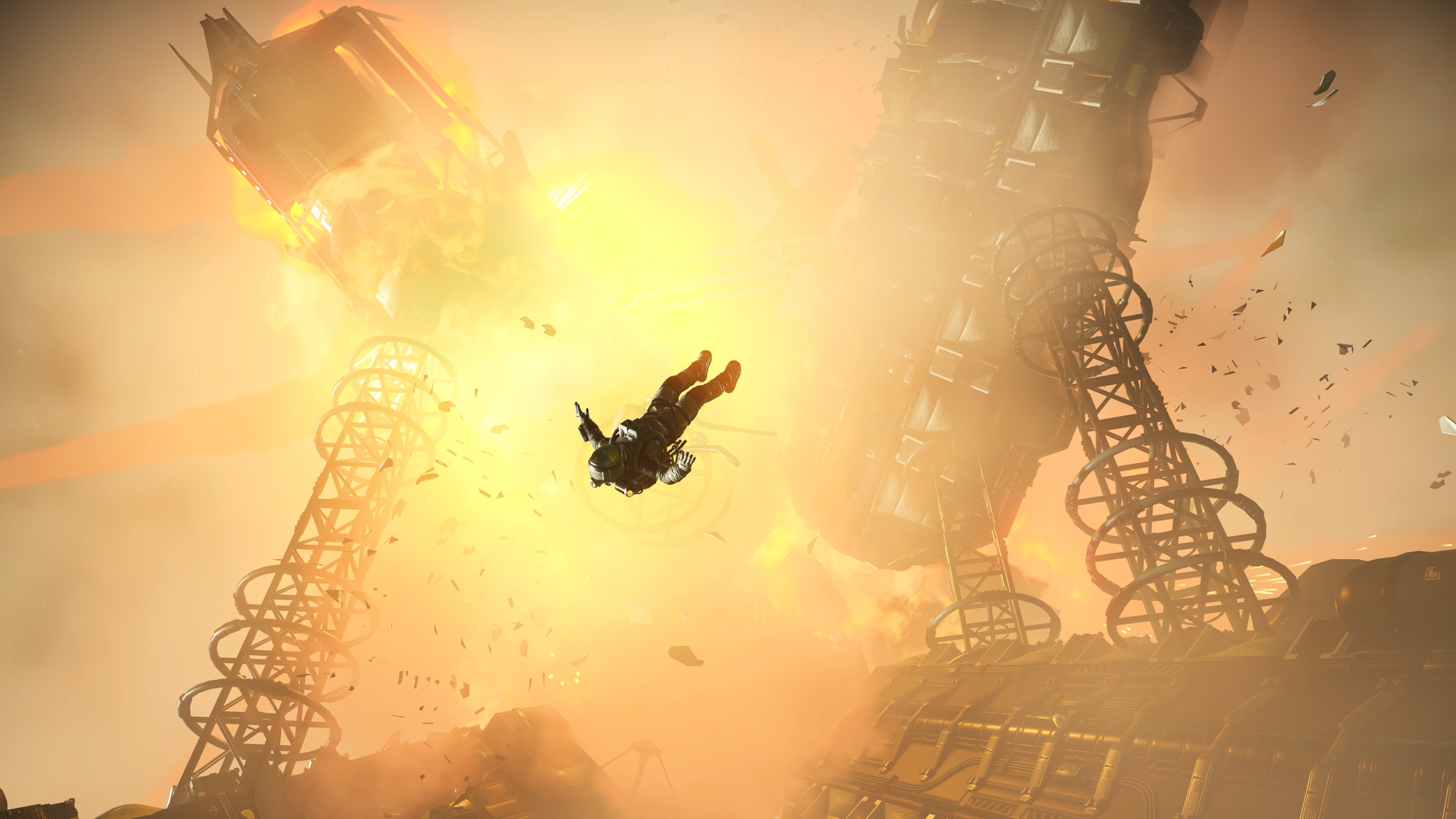
- Shattered Freighters: Unlike the derelict freighters of the Desolation update, these are open-air (or open-vacuum) wreckage sites that require EVA (Extra-Vehicular Activity) maneuvers to navigate.
- Ancient Dyson Fragments: Gigantic, ruined structures that offer rare technologies for ship customization.
- Cometary Outposts: Small, procedurally generated stations built into asteroids where players can trade with a new faction of deep-space scavengers.
On the technical side, the inclusion of eye-tracked foveated rendering for PC VR is a massive leap forward. By utilizing the eye-tracking sensors in modern headsets (such as the PS VR2 and upcoming high-end PC VR units), the game engine now renders the area the player is looking at in full resolution while reducing the detail in the periphery. This results in a reported 20-30% increase in frame rate stability, a crucial metric for a game as visually demanding as No Man’s Sky.
Official Responses: A Vision for the Next Decade
Sean Murray, founder of Hello Games, has long maintained a "show, don’t tell" policy. In a brief statement accompanying the Cosmos trailer, Murray noted that the update was designed to satisfy the "builders and the tinkerers" within the community.
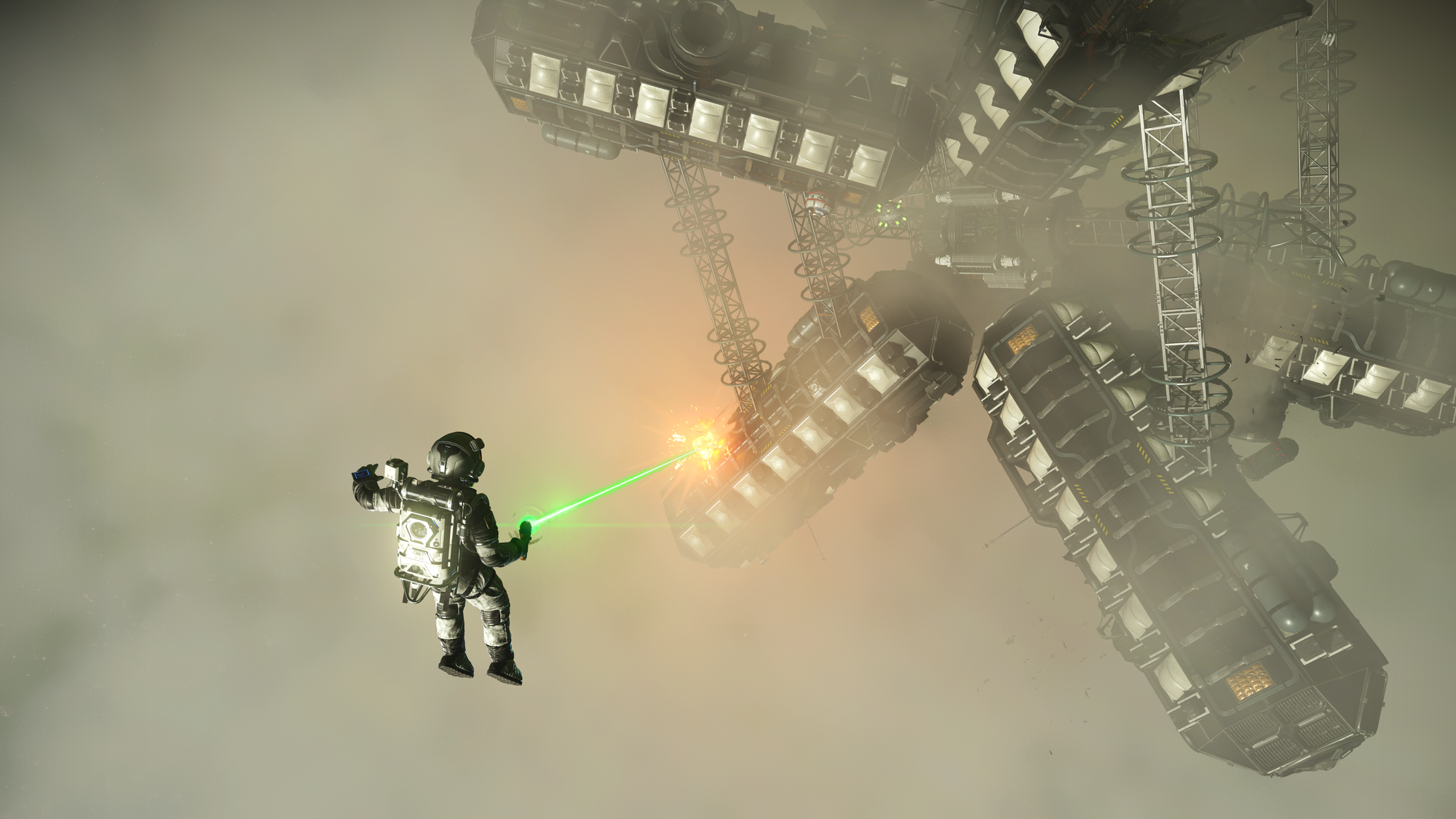
"With Cosmos, we wanted to take that feeling of being a lonely explorer in a vast universe and give it more texture," the studio stated. "For a long time, space was the bit in between the fun parts. We wanted to make space the fun part. Whether you are scavenging for parts to customize your ship or building a station that overlooks a black hole, the universe should feel like it belongs to you."
The studio also highlighted the "Our Journey Continues" expedition. By linking the milestones of this expedition to the forty previous updates, Hello Games is effectively creating a playable museum of the game’s evolution. This move has been praised by industry analysts as a brilliant way to onboard new players while rewarding the "Day One" veterans who have stayed with the title through its various iterations.
Implications: The Future of Space-Sims and Beyond
The release of Cosmos has implications that reach beyond the borders of No Man’s Sky. By successfully implementing complex building and scavenging mechanics in a seamless, procedurally generated vacuum, Hello Games is challenging the limitations of the "Space Sim" genre.
1. The Competition:
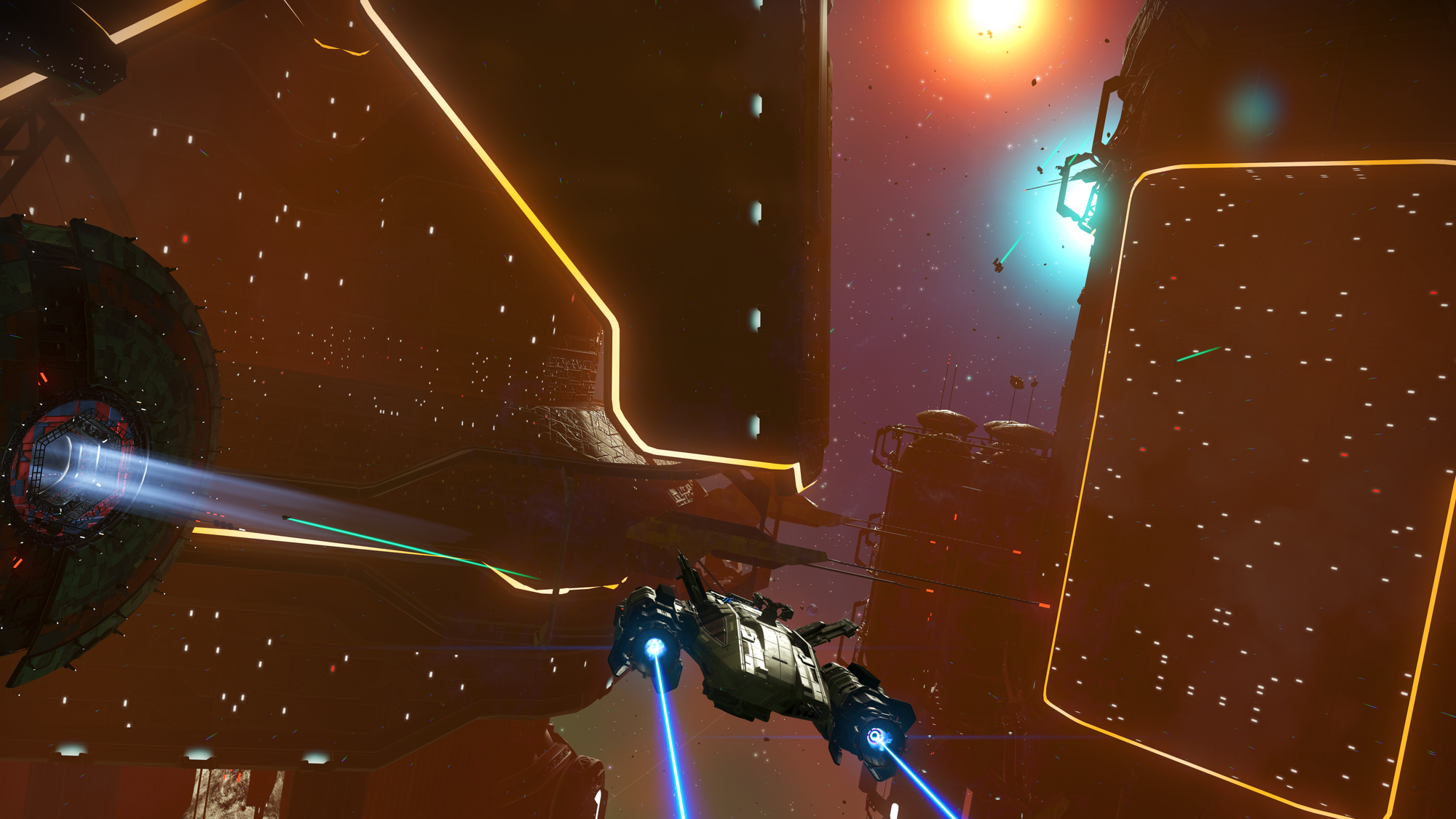
Titles like Starfield, Elite Dangerous, and Star Citizen are often compared to No Man’s Sky. While those titles lean into realism or RPG mechanics, No Man’s Sky has carved out a niche as the "creative sandbox." The Cosmos update doubles down on this, offering a level of player agency in space—such as the ability to customize "Corvette" class ships and build space-based structures—that competitors have struggled to implement at scale.
2. The VR Benchmark:
The addition of eye-tracked foveated rendering positions No Man’s Sky as a premier VR experience. As Valve is rumored to be working on its own "Steam Frame" headset, Hello Games’ proactive integration of advanced rendering techniques suggests they intend for No Man’s Sky to be a "killer app" for the next generation of hardware.
3. "Light No Fire":
The technical innovations seen in Cosmos, particularly the improved scanning and the "alive" feeling of the environment, are likely testing grounds for Hello Games’ next ambitious project, Light No Fire. By perfecting these systems in their established IP, the studio is building a robust foundation for their upcoming fantasy-themed "Earth-sized" planet game.

4. The Philosophy of the "Forever Game":
Perhaps the most significant implication is the message Cosmos sends about game longevity. In an era of "Live Service" games that are often shut down within years of launch, No Man’s Sky remains a purely buy-to-play experience with zero microtransactions, ten years into its life cycle. Cosmos proves that a dedicated developer can maintain a massive, loyal player base through consistent, high-quality free updates that fundamentally change the game for the better.
As players log in today to start the "Our Journey Continues" expedition, they aren’t just playing a game; they are participating in one of the most successful digital rehabilitations in history. Space, once a cold and empty transition in No Man’s Sky, is finally the destination.