Miniature Worlds and Digital Craftsmanship: An In-Depth Look at ‘Book Nook’
The intersection of physical hobbies and digital relaxation has birthed a new sub-genre of gaming often referred to as "tactile simulators" or "cozy puzzles." At the forefront of this movement is Malaka Games, the studio previously recognized for the successful Camper Van: Make it Home. Their latest project, Book Nook, seeks to translate the niche but visually stunning hobby of building miniature diorama shelf inserts into an interactive digital experience. Following a recent hands-on demo at Gamescom, the title has garnered significant attention for its aesthetic charm, while also highlighting the technical complexities of simulating physical assembly in a virtual space.
Main Facts: Translating a Physical Phenomenon to Steam
Book Nook is an upcoming indie puzzle game that tasks players with assembling intricate, miniature worlds designed to sit between books on a virtual shelf. These physical "book nooks" became a viral sensation on social media platforms like TikTok and Pinterest over the last several years, appealing to bibliophiles and craft enthusiasts alike. Malaka Games’ digital interpretation aims to capture the meditative quality of this hobby without the requirement of physical space, expensive kits, or messy adhesives.
Key Features of the
- Developer: Malaka Games (Creators of Camper Van: Make it Home).
- Genre: Cozy Puzzle / Tactile Simulator.
- Art Style: Bespoke hand-drawn assets that emphasize a warm, lived-in aesthetic.
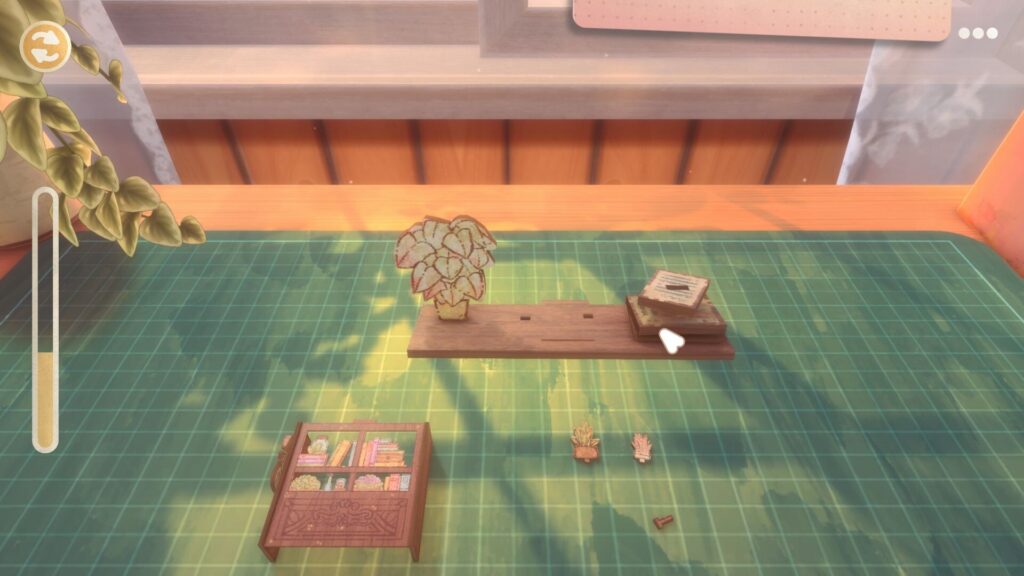
- Core Gameplay: Drag-and-drop assembly of 3D components, ranging from structural walls to tiny decorative items like plants, furniture, and lighting.
- Narrative Integration: Unlike purely mechanical puzzles, Book Nook introduces light storytelling elements, where completed scenes trigger animations and character appearances that flesh out the world within the shelf.
- Platform: Currently slated for a PC release via Steam, with a release window targeted for late 2024.
The game distinguishes itself by removing traditional gaming pressures. There are no high-score tables, no ticking clocks, and no "game over" states. Instead, the focus remains entirely on the sensory satisfaction of watching a complex structure come together piece by piece.
Chronology: From Physical Hobby to Gamescom Spotlight
The journey of Book Nook reflects the broader evolution of the "wholesome gaming" trend. To understand where the game stands today, one must look at the timeline of its inspiration and development.
2020–2022: The Rise of the Book Nook
During the global pandemic, domestic hobbies saw a massive surge. "Book nooks"—miniature alleyways, libraries, or fantasy forests tucked into bookshelves—became a staple of the "cottagecore" aesthetic. This period established a massive built-in audience for the visual language that Malaka Games would eventually adopt.
2023: The Success of Camper Van: Make it Home
Malaka Games established their reputation with Camper Van: Make it Home, a game centered on the organization and decoration of a mobile living space. The success of this title proved that there was a hungry market for games focused on "micro-organization" and domestic creativity.
Early 2024: Development and Reveal
Building on their experience with 3D spatial puzzles, the studio shifted focus to Book Nook. The official reveal trailer showcased the hand-drawn art style and the "snapping" mechanic that serves as the game’s primary interaction tool.
August 2024: The Gamescom Demo
The game was presented in a playable format at Gamescom, allowing journalists and players to experience the tactile feedback of the assembly process. While the aesthetic was universally praised, the demo revealed that the transition from 2D art to 3D interaction still required refinement, particularly regarding camera collision and physics-based snapping.
Supporting Data: Mechanics and Aesthetic Philosophy
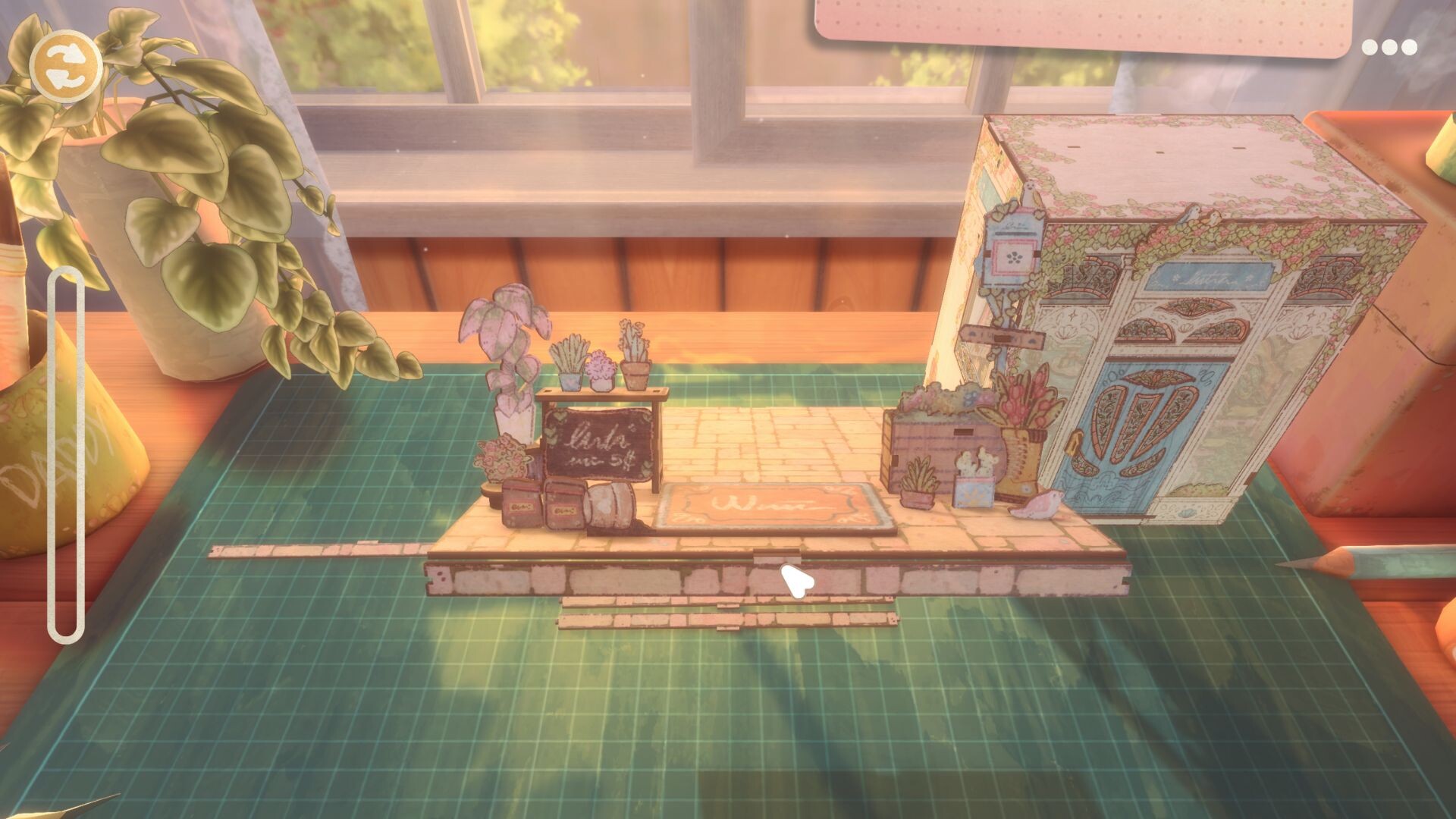
The appeal of Book Nook lies in its granular detail. In the Gamescom demo, players were tasked with building a small apartment scene. This process involves more than just placing blocks; it requires a specific order of operations that mimics real-world model building.
The Snapping Mechanic
The primary interaction involves selecting a component—such as a window frame or a tiny bookshelf—and hovering it over the main structure. When aligned correctly, the piece "snaps" into place with a satisfying visual and auditory cue. Data from player feedback suggests that this "click" is the most vital part of the "cozy" experience, providing a sense of order and completion.
Customization and Agency
While the structural components of the nooks have fixed positions to ensure the puzzle is solvable, the game offers "hotspots" for decorative items. For example, a player might have three different places to put a miniature potted plant or a choice of where to hang a tiny painting. This degree of agency allows the player to feel like a creator rather than just an assembler.
Visual Fidelity
The game utilizes a unique rendering style that blends 3D depth with hand-drawn textures. This avoids the "sterile" look often found in low-budget 3D sims. According to the developers, each asset is crafted to look like it was made of wood, paper, or clay, reinforcing the hobbyist theme.
Challenges in Development: The UX of the Miniature
Despite the charm of the demo, the hands-on experience at Gamescom highlighted the technical hurdles inherent in simulating small-scale construction. Professional critiques noted several areas where the "cozy" vibe was momentarily interrupted by technical friction.
- Camera Proximity Issues: Because the game focuses on tiny details, the camera must zoom in very close to the board. In the current build, this occasionally causes the camera to clip through objects or creates a sense of claustrophobia that can make it difficult to see where a piece is supposed to go.
- Physics and Clipping: Some larger pieces in the demo reportedly failed to snap correctly, occasionally getting "stuck" behind the main board or intersecting with other assets. In a game where the primary draw is relaxation, these mechanical hiccups can lead to unintended frustration.
- The "Close-Quarters" UX: Testers noted that being "too close" to the board sometimes obscured the larger picture, suggesting a need for more fluid camera controls or a "ghosting" feature that shows where pieces belong from a distance.
Official Responses and Developer Vision
While Malaka Games has not issued a formal press release addressing specific Gamescom bugs, their development philosophy—as stated in previous interviews and community updates—revolves around "iterative polish."
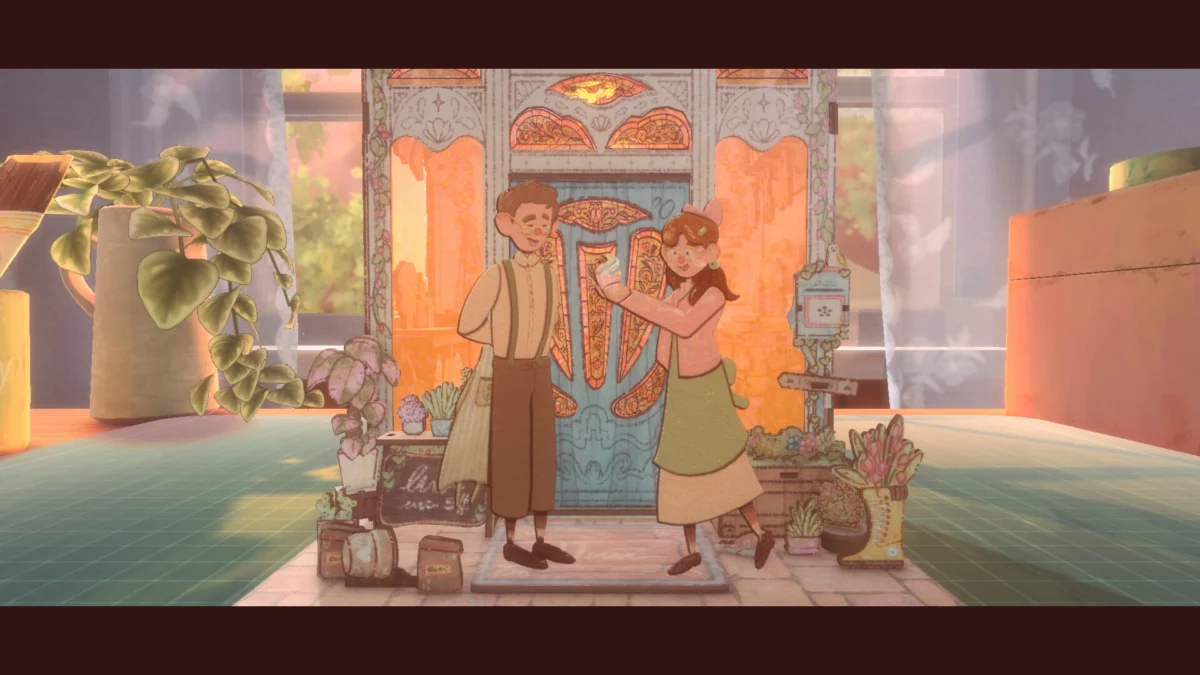
The studio has emphasized that Book Nook is designed to be an emotional experience as much as a mechanical one. In social media interactions, the developers have noted that the "characters" who appear in the nooks (such as the couple moving into the apartment) are intended to provide a sense of reward. The goal is to move beyond the "toy box" feel and into something that feels like a living, breathing world.
Regarding the technical issues noted at Gamescom, the studio has signaled through Steam community hubs that they are entering a period of intensive playtesting. Their history with Camper Van suggests a commitment to refining user interfaces based on player feedback, with a particular focus on making the "snap" physics feel more intuitive and less prone to clipping.
Implications: The Future of Tactile Simulation
The emergence of Book Nook signifies a broader shift in the gaming industry toward "non-combative" digital experiences. As the market for high-intensity, competitive games becomes increasingly saturated, titles like Book Nook, Unpacking, and A Little to the Left are carving out a significant niche.
The Psychology of "Micro-Accomplishments"
Psychologically, games like Book Nook tap into the "Flow State"—a mental state where a person is fully immersed in an activity. By breaking down a complex task (building a diorama) into small, manageable "micro-accomplishments," the game provides a dopamine loop that reduces stress.
Accessibility and the New Gamer
Book Nook also represents an entry point for "non-traditional" gamers. The intuitive nature of "putting things where they belong" requires very little literacy in gaming tropes (like mana bars or skill trees). This expands the potential market to older demographics and those who use gaming as a form of mindfulness rather than entertainment.
Final Outlook
As Book Nook heads toward its late 2024 release, it stands as a testament to the power of niche hobbies in the digital age. If Malaka Games can smooth out the technical "bits of the puzzle"—specifically the camera and physics issues identified at Gamescom—the title is poised to become a staple of the cozy gaming library. For now, the game remains a highly anticipated wishlist item for those looking to bring a little more magic to their virtual shelves.