Trails in the Sky: A Masterclass in JRPG Remakes, Balancing Nostalgia with Modern Sensibilities
The world of JRPGs is vast, and few series boast the sprawling, interconnected narrative tapestry of Nihon Falcom’s "The Legend of Heroes" franchise. With a history spanning over two decades and encompassing thirteen mainline titles, the "Trails" saga presents an unparalleled epic, akin to the Marvel Cinematic Universe in its intricate lore and character development. For newcomers daunted by this sheer scale, the unequivocal starting point has always been Trails in the Sky, the inaugural chapter that introduced players to its unique industrial fantasy realm through the eyes of Estelle Bright, a remarkably memorable protagonist for her time. However, the original PC-exclusive releases, with their charming but dated pixel art, posed a barrier to entry for many. Fortunately, Nihon Falcom has embarked on a mission to revitalize these foundational entries with sumptuous modern remakes, and the recently launched Trails in the Sky: Second Chapter stands as a testament to their masterful approach, offering a compelling case for how to honor a classic while embracing contemporary gaming standards.
The Enduring Legacy of Trails in the Sky
The original Trails in the Sky games, released in the mid-2000s, were a departure from the bombastic, high-budget spectacles often associated with the JRPG genre. Developed by Nihon Falcom, a studio known for its meticulous craftsmanship rather than gargantuan budgets, these titles prioritized narrative depth and world-building above all else. The story of Estelle Bright, a spirited 16-year-old aspiring Bracer (an itinerant adventurer and peacekeeper), unfolds within the Kingdom of Liberl. Her journey, alongside her adopted brother Joshua, is one of self-discovery, political intrigue, and the gradual unveiling of a world brimming with intricate lore, complex characters, and a palpable sense of place.
The series’ defining characteristic is its unwavering commitment to continuity. Events and character developments in one game directly impact subsequent titles, creating a narrative arc that few other franchises can rival. This interconnectedness, while a boon for long-time fans, can be intimidating for newcomers. The original Trails in the Sky games, available solely on Steam, presented a stylistic hurdle. Their 2D sprite-based graphics and static character portraits, while endearing to a niche audience, struggled to compete with the visual fidelity of contemporary 3D JRPGs. This was a consequence of Falcom’s scale; unlike industry giants like Square Enix, they hadn’t yet made the substantial leap to full 3D development in the early 2000s.
A Glimpse into the Remake Renaissance
The advent of modern remakes has breathed new life into beloved classics across all genres. Nihon Falcom’s decision to remake the Trails in the Sky trilogy was met with anticipation, and the First Chapter remake, released in 2025, garnered widespread acclaim, often cited as a benchmark for successful modernization. Now, with the release of Trails in the Sky: Second Chapter, the studio continues to demonstrate its uncanny ability to translate the essence of its cherished titles into a contemporary format. Having experienced this latest iteration and also sampled other upcoming JRPG remakes like the hypothetical Final Fantasy VII Revelation and Persona 4 Revival, the brilliance of Falcom’s approach becomes strikingly apparent. They have managed to elevate these foundational experiences without sacrificing their core identity.
From Sprites and Stills to a Vibrant 3D Anime World
The comparison to the Final Fantasy VII Remake trilogy is an understandable one, given the multi-part nature of both projects. However, the structural differences are crucial. The Trails games have always been conceived as arcs comprising multiple titles, each a self-contained narrative within the larger saga. Falcom, while lacking the immense budgets of some of their peers, has compensated with an unwavering dedication to narrative richness. Even the original games were dense with dialogue and lore, imbuing even minor NPCs with distinct personalities and backstories.
The Second Chapter remake meticulously preserves this narrative integrity. Instead of expanding the story unnecessarily, it focuses on enhancing the presentation. Players revisit familiar locations within the Kingdom of Liberl, but this time via airship, offering a new perspective on the world established in the first game. The story remains remarkably faithful to the original, a deliberate choice that underscores Falcom’s respect for their own creation.
The Visual Evolution: A Harmonious Blend of Old and New
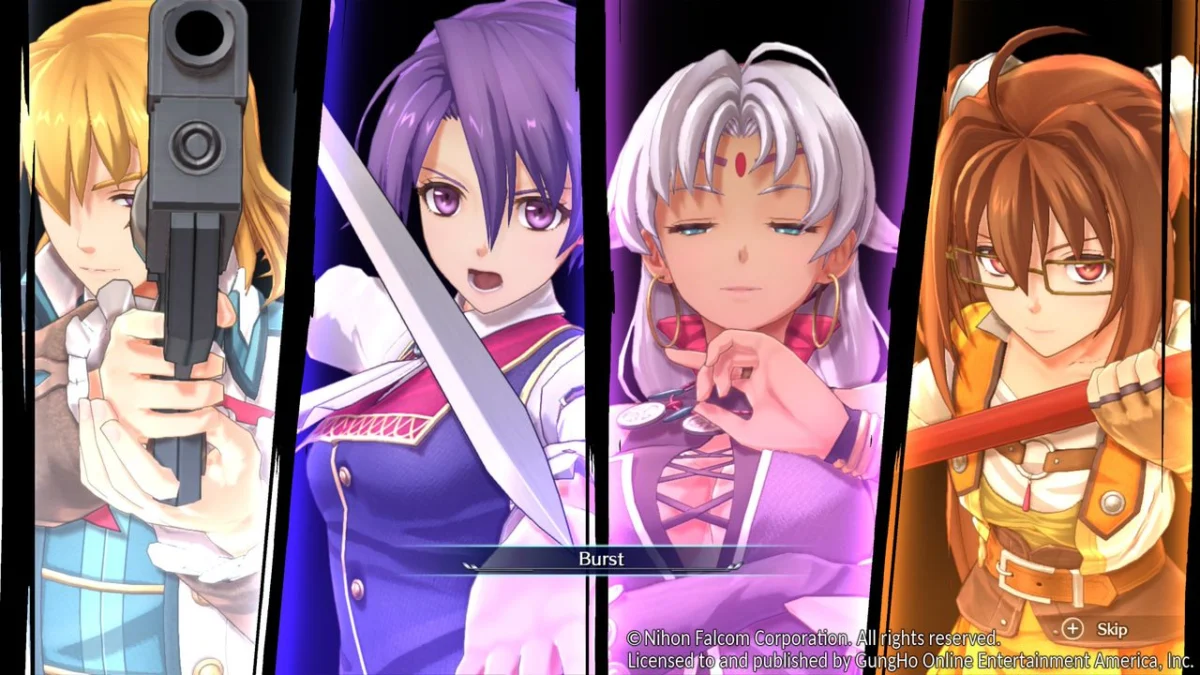
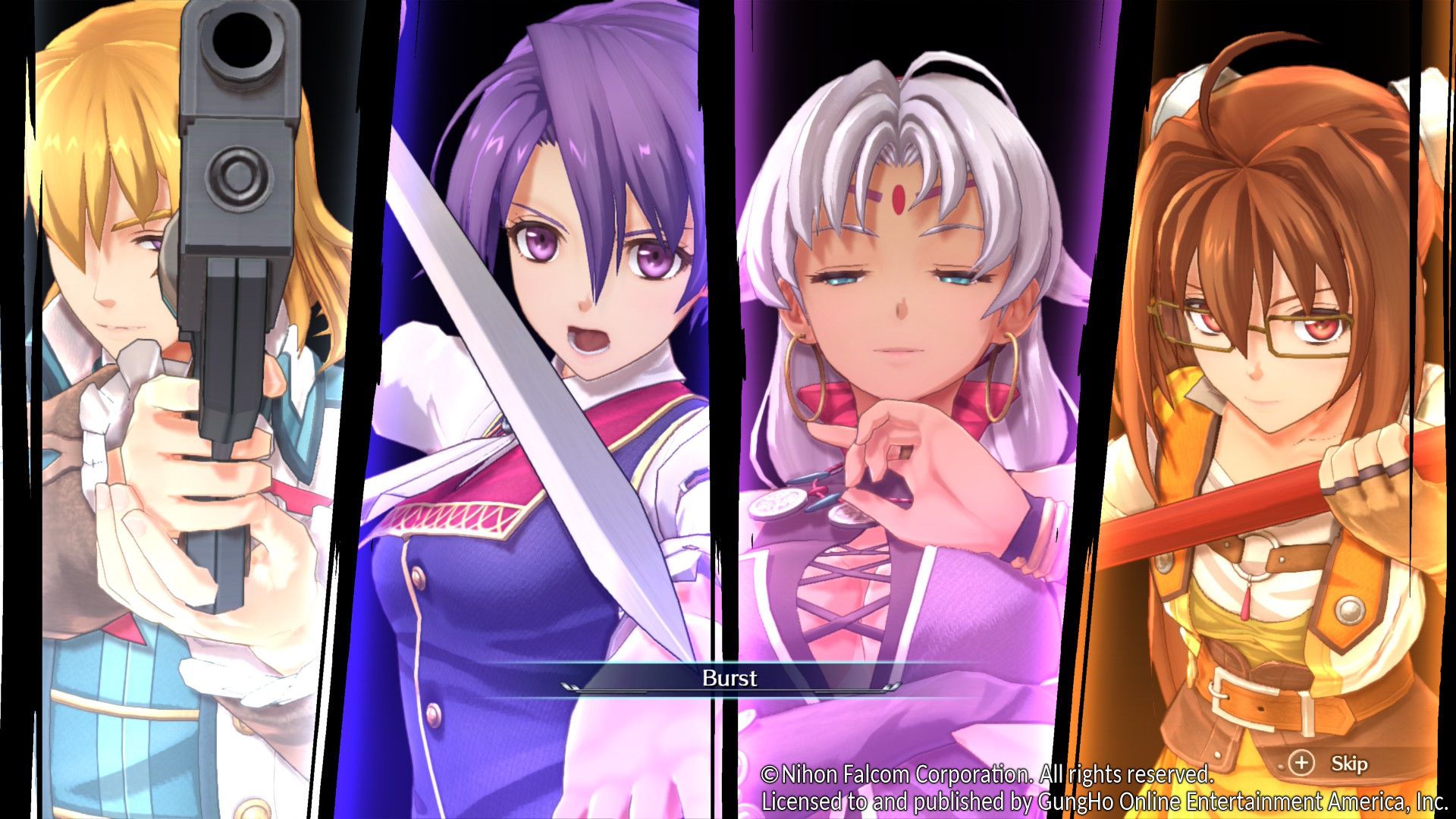
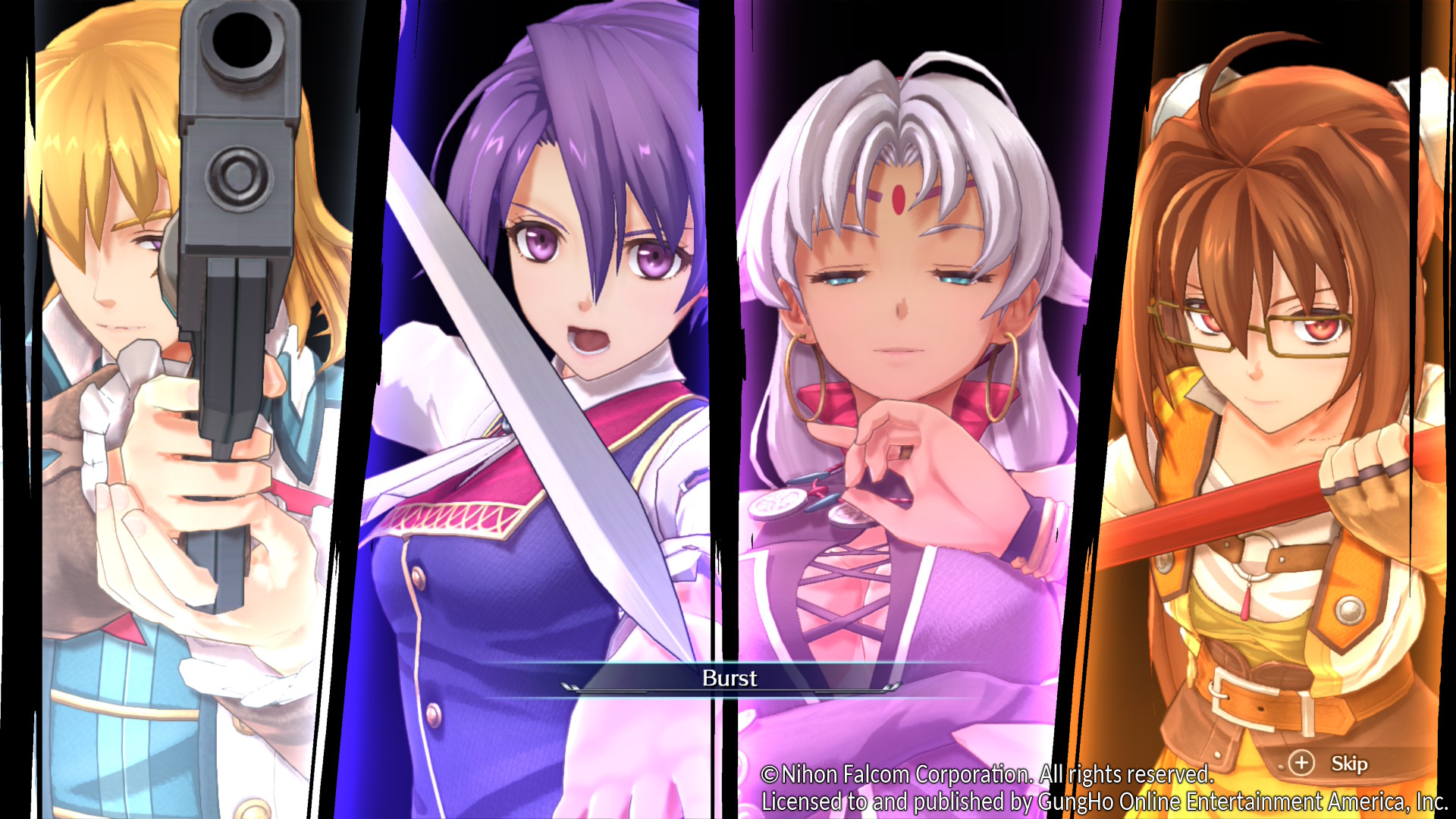
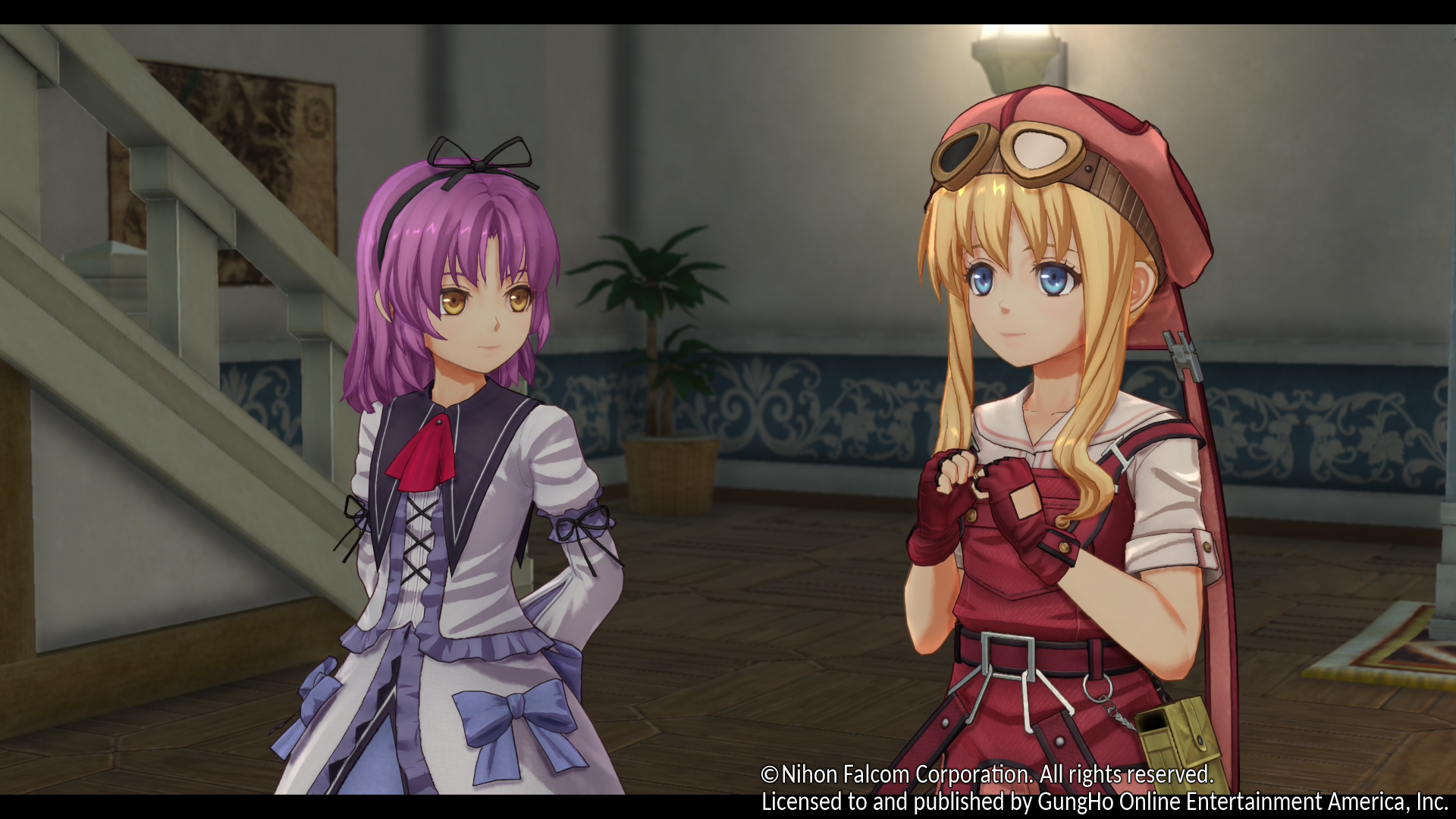
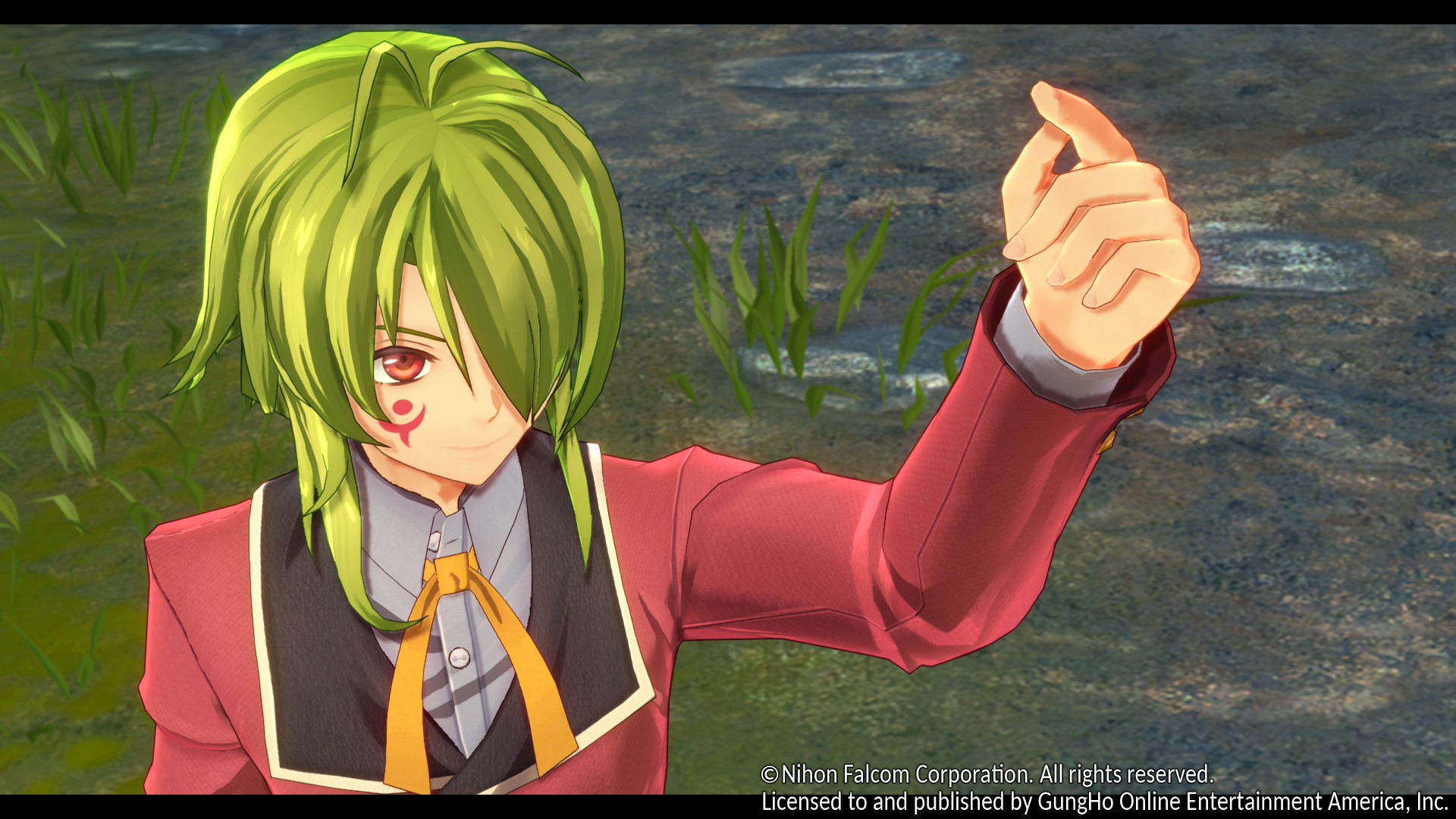
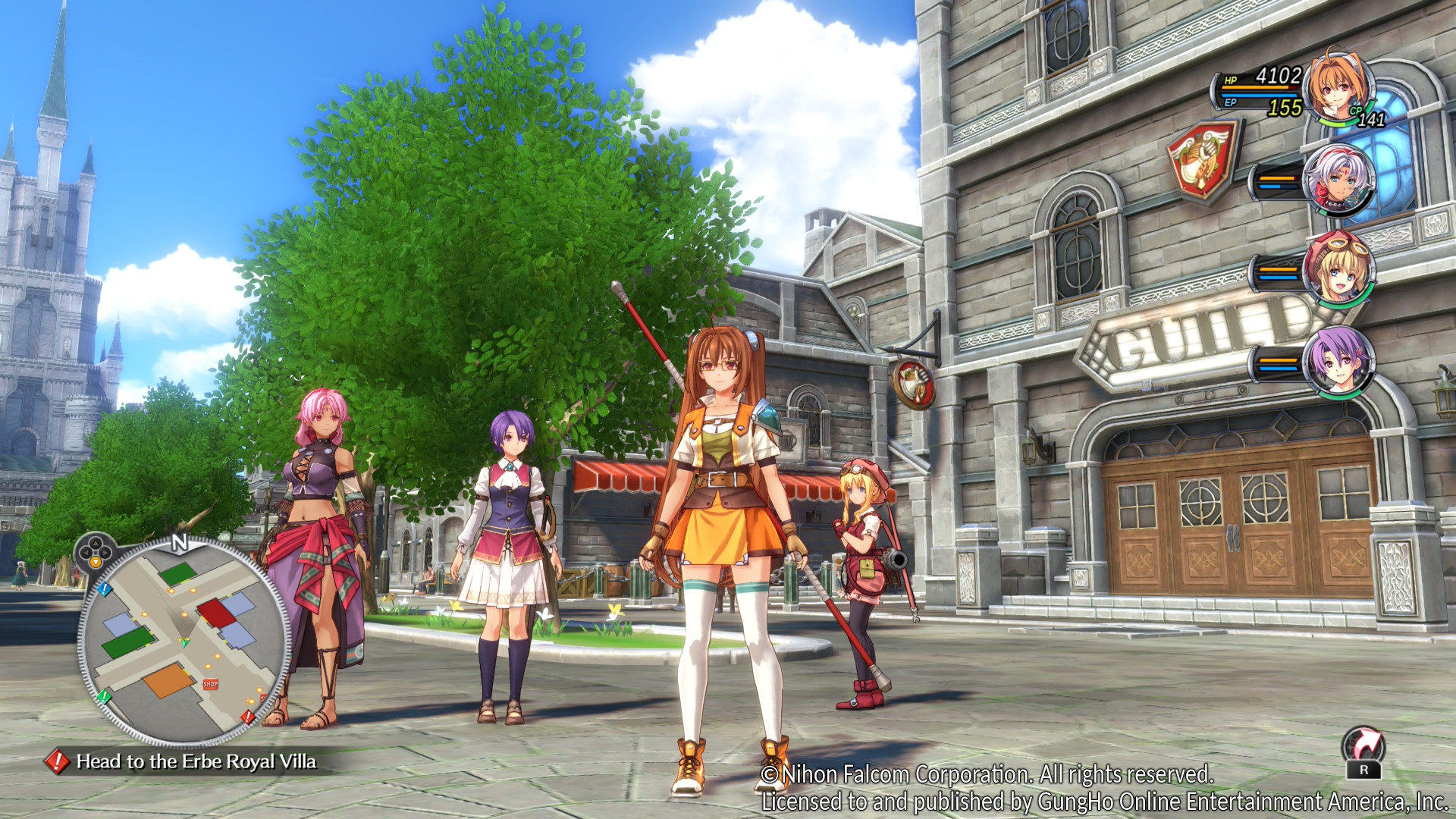
The visual transformation is perhaps the most striking aspect of the remakes. While the original games relied on detailed sprites and expressive character portraits to convey their anime aesthetic, the remakes bring these elements to life with fully realized 3D character models and environments. This allows for dynamic cutscenes that play out like a high-quality anime, complete with exaggerated facial expressions that capture the humor and drama of the narrative.
A key differentiator here is Falcom’s handling of character representation. Unlike Persona 4 Revival, which the article implies might still rely on static character portraits despite its upgraded 3D models, Trails in the Sky: Second Chapter largely dispenses with this convention. The expressive 3D models and dynamic camera work are sufficient to convey emotion and personality, creating a more immersive and visually engaging experience.
A Faithful Yet Modernized Gameplay Experience
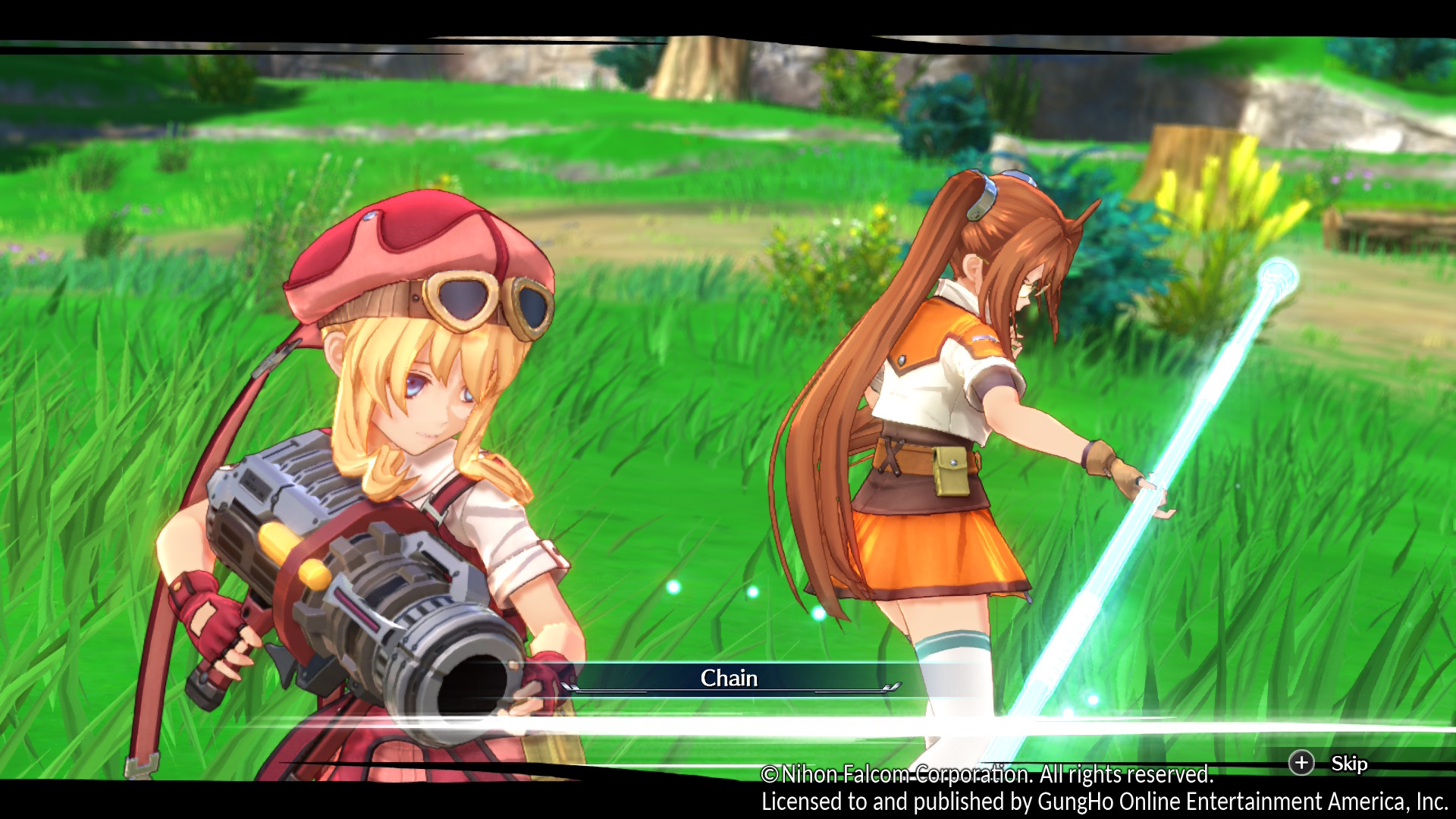
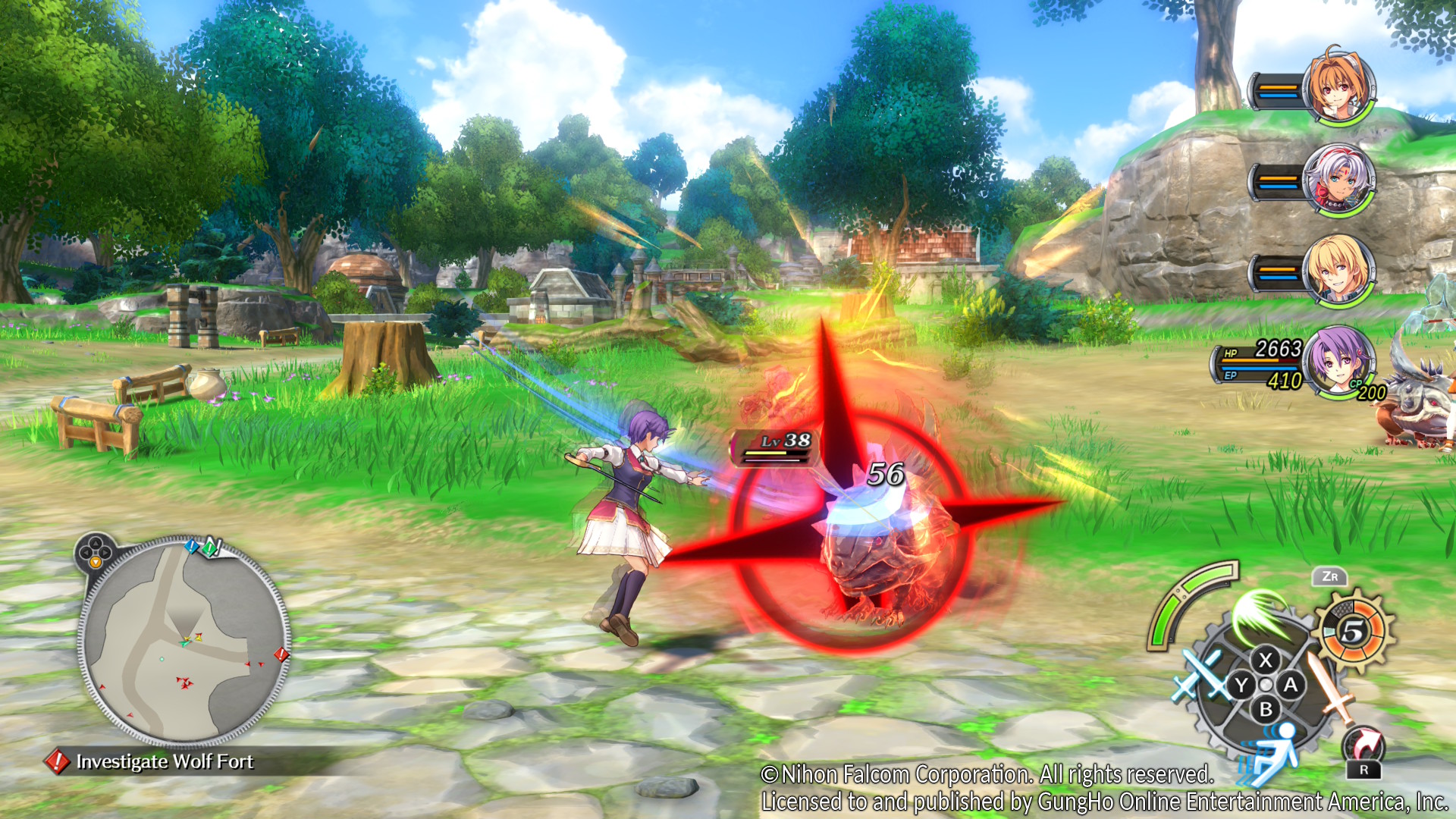
The combat system has also received a significant overhaul, incorporating a hybrid approach that blends traditional turn-based battles with real-time action. While players can opt for the familiar turn-based combat, they are often incentivized to engage in the more strategic, turn-based approach, which showcases the game’s most spectacular and over-the-top special ability animations.
Furthermore, the remakes adopt a vibrant cel-shaded aesthetic, distinct from the more realistic lighting often seen in other modern 3D JRPGs. This stylistic choice perfectly complements the coming-of-age narrative and the youthful protagonists, lending the world a brighter, more energetic feel. It’s a decision that imbues the experience with a distinct identity, setting it apart from its contemporaries.
A Bloat-Free Approach to Remaking Classics
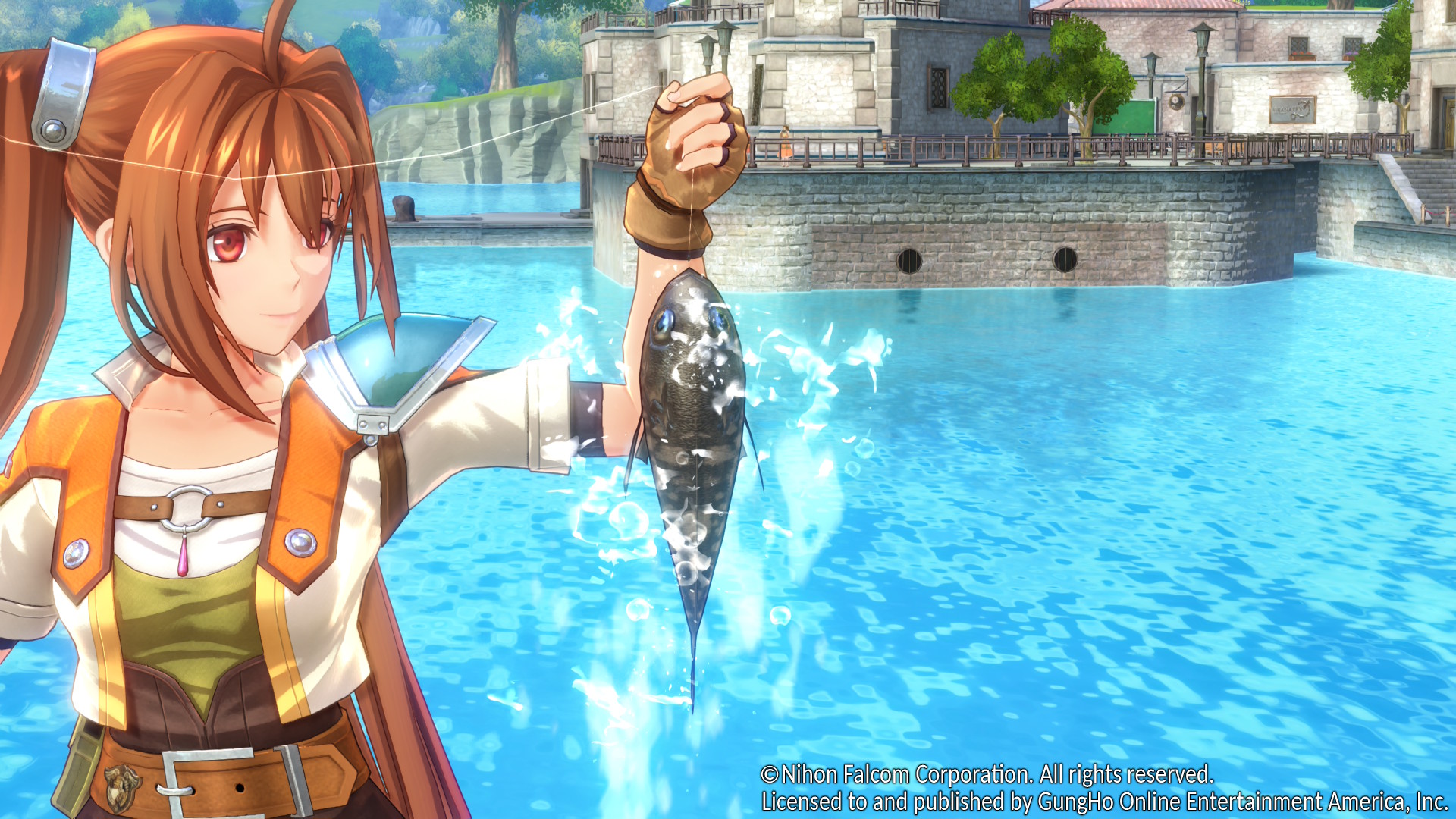
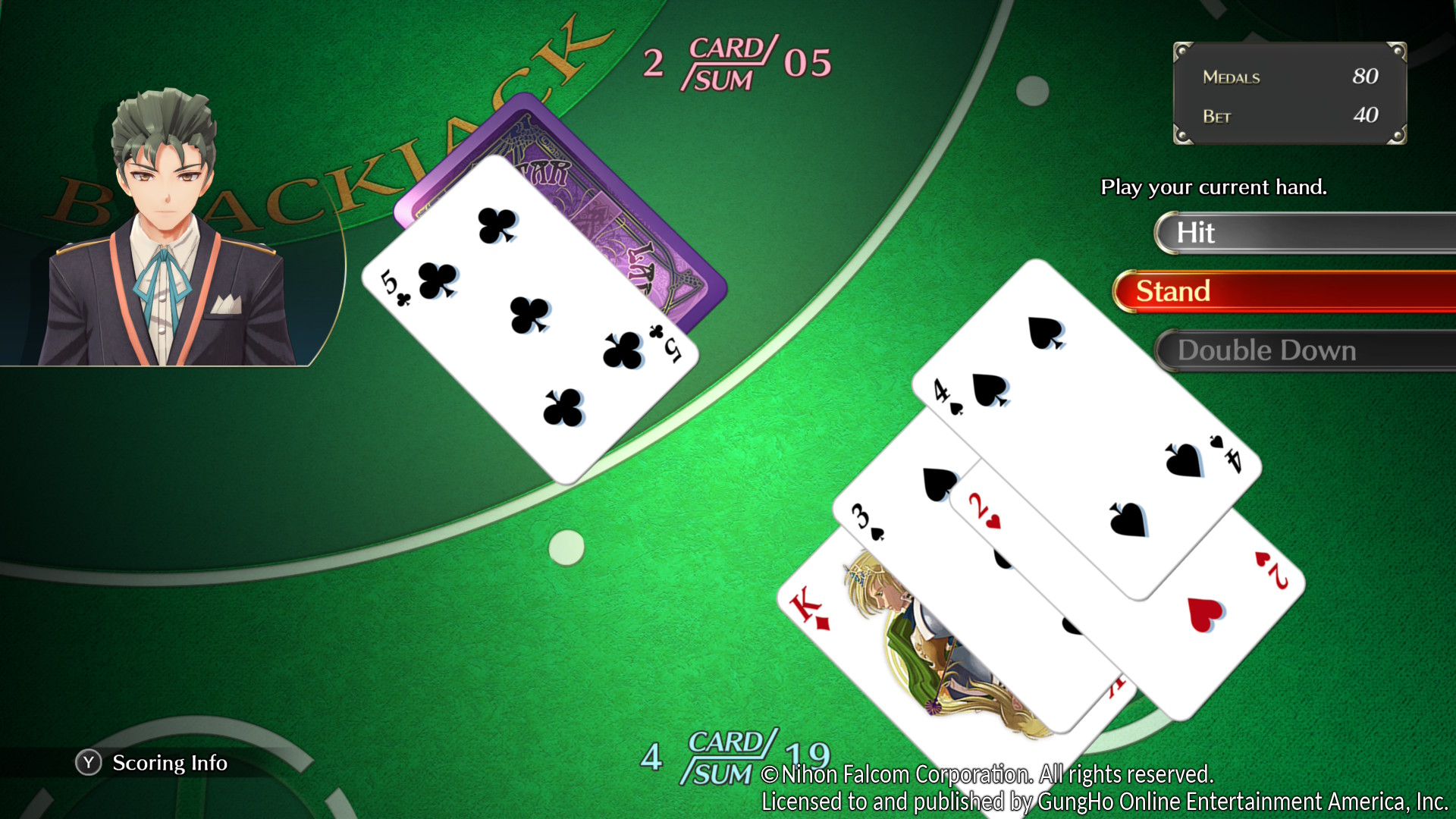
In an era where JRPGs often trend towards ballooning runtimes and the inclusion of extraneous side content, the Trails in the Sky remakes stand out for their judicious approach. Unlike other remakes that might feel compelled to add lengthy new questlines or minigames to justify their existence, Falcom has largely resisted this temptation. The minigames present in Second Chapter are faithful inclusions from the original game, rather than tacked-on additions.
This commitment to fidelity does, however, lead to a curious consequence. While the First Chapter was rated teen, the inclusion of gambling minigames in Second Chapter elevates its rating to mature. This includes a side quest where the teenage Estelle attempts to break a winning streak in poker, a minor detail that highlights the game’s adherence to its source material.
The Ingenuity of High-Speed Mode
A significant quality-of-life improvement borrowed from later Trails titles is the implementation of a high-speed mode. This feature allows players to accelerate animations, significantly streamlining the experience for those who wish to progress more rapidly through the game. Crucially, this mode respects the integrity of the voice acting; while animations are sped up, any voiced dialogue plays at its intended speed, allowing players to still appreciate the performances. This contrasts with some other remakes that might offer extreme playback speeds, potentially compromising the voice acting.
The high-speed mode strikes a delicate balance. At 1.5x speed, it’s still possible to navigate real-time battles effectively, allowing players to react to enemy attacks while still experiencing the flow of combat at an accelerated pace. This thoughtful implementation ensures that players can tailor their experience without sacrificing the core gameplay mechanics or narrative delivery.
Preserving the Essence: What Makes a Great Remake
The success of Trails in the Sky: Second Chapter lies in its unwavering respect for the original game’s narrative and its thoughtful integration of modern enhancements. Instead of reinventing or bloated the experience, Falcom has focused on faithfully preserving the core of what made the original titles so beloved, while simultaneously making them accessible and appealing to a new generation of players. This approach ensures that the remakes exist harmoniously within the broader Trails continuity, a feat that other ambitious remakes have sometimes struggled with, leading to awkward retcons or narrative inconsistencies.
While the First Chapter‘s initial localization faced minor hiccups with naming conventions and terminology, a subsequent "legacy patch" rectified these issues, ensuring consistency with the wider series – a timely fix that benefits the Second Chapter‘s release.
Looking Ahead: The Future of JRPG Remakes
As more ambitious JRPG remakes are slated for release, the benchmark set by Trails in the Sky becomes increasingly significant. The hypothetical Final Fantasy VII Revelation, with its "everything-but-the-kitchen sink" approach, risks overwhelming players with sheer volume, potentially obscuring the original game’s charm. Similarly, Persona 4 Revival, while stylish, might be seen as a less compelling proposition given the availability of its enhanced port on multiple platforms at a more accessible price point.
In contrast, the Trails in the Sky remakes exemplify what a modern remake should aspire to be. They offer a visually and mechanically updated experience that retains the narrative fidelity fans cherish, while simultaneously serving as an ideal entry point for newcomers. This careful balance ensures a smooth transition into the sprawling Trails universe, promising a consistent and rewarding journey for all players.
Trails in the Sky: Second Chapter is now available on PC, PlayStation 5, and Nintendo Switch. A free demo, with save data transferable to the full game, is also available across all platforms. This release not only honors a beloved classic but also solidifies Nihon Falcom’s reputation as masters of the JRPG remake, demonstrating that true innovation lies not in reinvention, but in thoughtful reverence.