"Sunrise on the Reaping" Campaign Blurs Lines Between Dystopian Fiction and Present Reality, Sparking Global Discourse
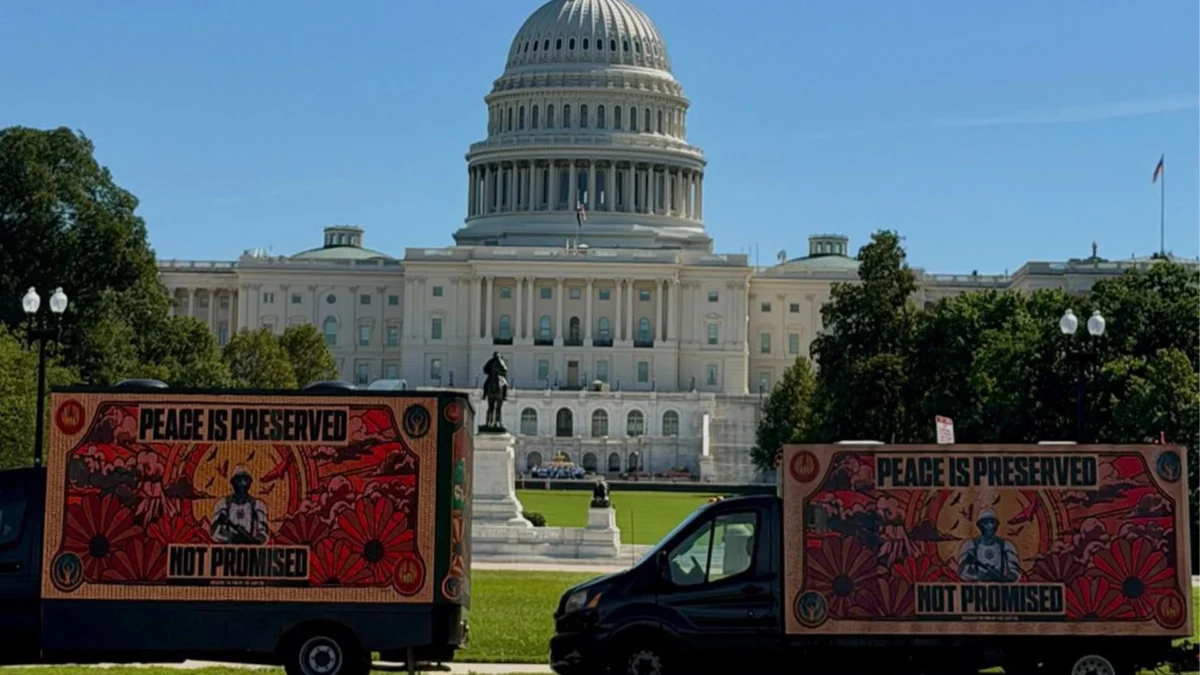
The marketing blitz for the upcoming film "The Hunger Games: Sunrise on the Reaping" has transcended traditional advertising, deploying a series of unsettling billboards and mobile displays in prominent public spaces worldwide. These installations, designed to mimic the propaganda of the fictional Capitol, have inadvertently ignited a conversation about the encroaching realities of authoritarianism and the erosion of democratic ideals, drawing eerie parallels to contemporary global events.
The campaign’s audacious strategy involves placing posters and mobile billboards that echo the oppressive messaging of Panem’s ruling elite in locations of significant political and historical importance. These include the U.S. Capitol Building in Washington D.C., NATO Headquarters in Belgium, Independence Hall in Philadelphia, and the Democracy Monument in Thailand. The visual style, reminiscent of Soviet propaganda art, features a stark depiction of a soldier against a floral backdrop, emblazoned with the chilling slogan: "Peace is preserved, not promised." The subtle inclusion of District insignias and the acknowledgment "brought to you by the Capitol" are the only overt indicators that these messages originate from a fictional narrative.
This immersive marketing approach has been met with a mixture of awe and apprehension, with many observers noting the disquieting resonance between the film’s dystopian themes and current geopolitical anxieties. The campaign’s success lies in its ability to leverage the power of context, transforming familiar public spaces into unsettling echoes of the world of Panem.
The Genesis of a Provocative Campaign
The innovative marketing strategy for "The Hunger Games: Sunrise on the Reaping" is a deliberate departure from conventional promotional tactics. Recognizing the enduring power of the Hunger Games franchise and its thematic relevance, the marketing team sought to create an experience that would deeply engage audiences and provoke thought. The core concept revolved around bringing the oppressive narrative of the Capitol directly into the audience’s reality, forcing them to confront the unsettling similarities between the fictional dystopia and their own world.
The decision to target significant public institutions was strategic. By placing Capitol propaganda outside institutions that represent governance, security, and democratic ideals, the campaign aimed to create a cognitive dissonance. The contrast between the symbols of freedom and the messaging of enforced peace was intended to be jarring, prompting reflection on the fragility of these values.
The visual aesthetic of the campaign was meticulously crafted to evoke a sense of historical unease. The inspiration drawn from Soviet propaganda posters is no accident. These posters, often characterized by bold imagery, stark color palettes, and authoritative slogans, were instrumental in shaping public opinion and reinforcing state ideology. By adopting this visual language, the "Sunrise on the Reaping" campaign effectively taps into a collective memory of authoritarian control, making the fictional Capitol’s messaging feel disturbingly authentic.
The slogan itself, "Peace is preserved, not promised," is a masterclass in Orwellian doublespeak. It suggests that peace is not a natural state to be cultivated or a right to be upheld, but rather a fragile commodity that requires constant vigilance and forceful maintenance. This sentiment aligns perfectly with the Capitol’s modus operandi – maintaining order through fear and suppression, rather than genuine consent.
A Timeline of Unsettling Appearances
The deployment of these "Capitol propaganda" installations has been a phased and calculated process, designed to build momentum and generate widespread discussion. While specific dates for the initial rollout are not publicly detailed, reports and social media chatter suggest a coordinated global effort.
Early September 2026 (Estimated): Initial sightings of the "Sunrise on the Reaping" billboards begin to emerge on social media platforms, often shared by surprised or concerned citizens. These early posts highlight the unsettling nature of the posters appearing in unexpected locations.
Mid-September 2026: The campaign gains significant traction as images of the billboards outside major international landmarks begin to circulate widely. The specific locations – the U.S. Capitol Building, NATO Headquarters, Independence Hall, and the Democracy Monument in Thailand – are consistently identified. This deliberate selection of sites amplifies the campaign’s impact, drawing immediate comparisons to contemporary political landscapes.
September 15, 2026: A pivotal moment in the campaign’s viral spread occurs with a widely shared tweet from user "@cantworkitout," which explicitly lists the locations of the Capitol posters and includes photographic evidence. This tweet, accompanied by the film’s title, acts as a catalyst for broader media attention and public debate.
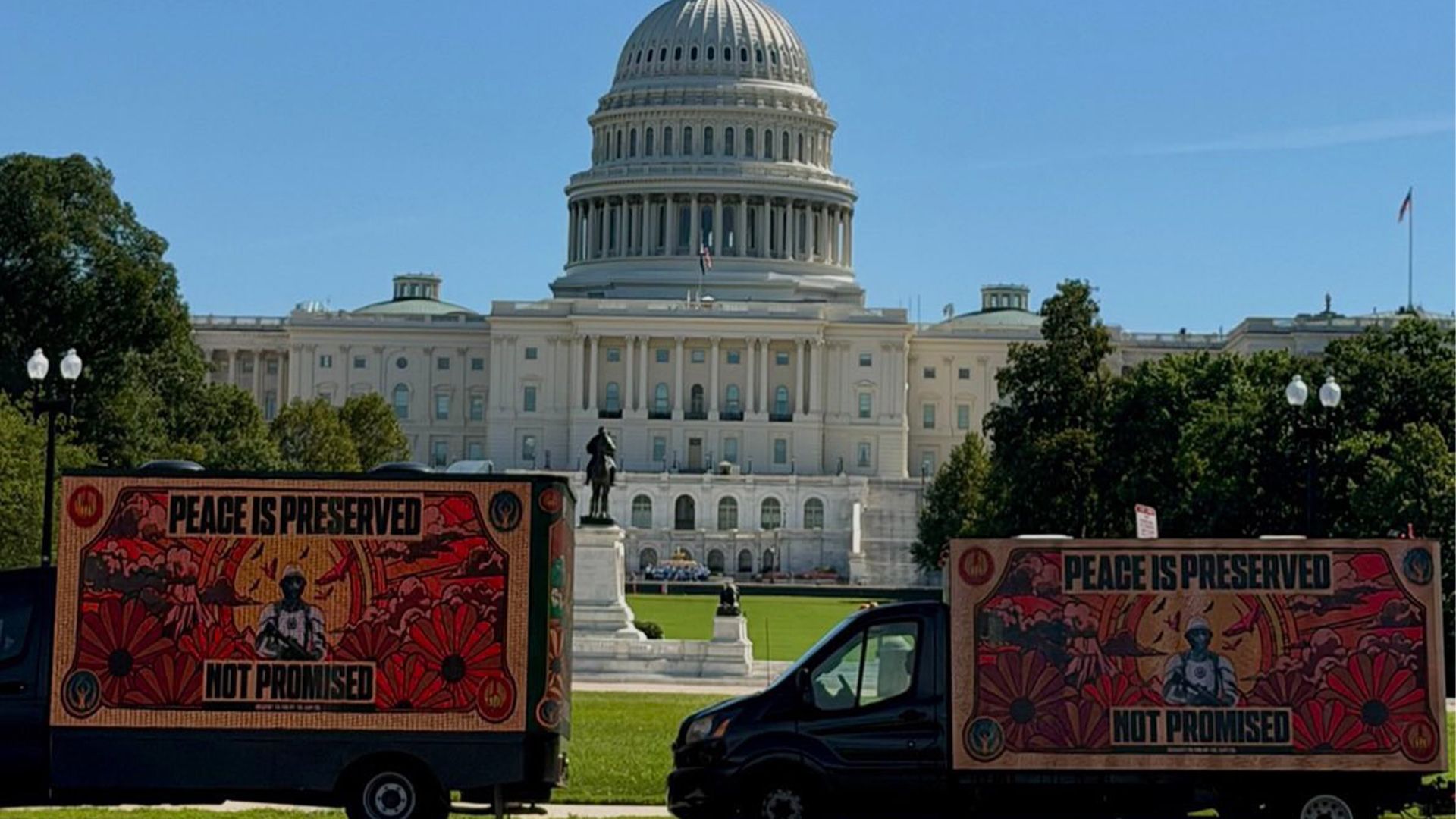
Late September 2026 Onwards: The campaign continues to be a topic of discussion across news outlets, design blogs, and social media. The effectiveness of the marketing strategy is widely acknowledged, with many praising its boldness and thematic resonance. However, the underlying message of the campaign also sparks deeper conversations about the nature of power, propaganda, and the state of democratic societies.
The "mobile billboard" aspect of the campaign likely involved strategically timed appearances in these high-profile areas, further enhancing the sense of pervasive influence. The fact that these installations were not static but could appear and disappear, much like an occupying force, adds another layer of unsettling realism.
Supporting Data: The Power of Context and Symbolism
The success of the "Sunrise on the Reaping" campaign can be analyzed through several key lenses, highlighting the psychological and sociological principles at play:
- Contextual Priming: The placement of the Capitol’s propaganda in locations symbolizing freedom and democracy creates a powerful cognitive dissonance. Studies in psychology have shown that the surrounding environment significantly influences how individuals perceive and interpret information. By placing messages of oppression in spaces of freedom, the campaign forces an uncomfortable juxtaposition, making the fictional narrative feel more immediate and relevant.
- Propaganda Aesthetics: The visual style, consciously echoing Soviet propaganda, taps into a deep-seated understanding of how authoritarian regimes communicate. This visual language is inherently associated with control, conformity, and the suppression of dissent. The bold typography, the authoritative imagery of the soldier, and the stark, declarative slogan are all hallmarks of effective propaganda designed to bypass critical thought and appeal directly to emotions and a sense of duty.
- Symbolic Resonance: The chosen locations are not arbitrary.
- U.S. Capitol Building: The seat of American legislative power, symbolizing democracy and governance.
- NATO Headquarters: A cornerstone of international security and collective defense, representing alliances and stability.
- Independence Hall: The birthplace of the United States, a potent symbol of revolutionary ideals and self-determination.
- Democracy Monument, Thailand: A significant landmark in a nation that has experienced periods of political instability and military rule, highlighting the universal struggle for democratic principles.
By situating the Capitol’s message in these symbolic spaces, the campaign implicitly questions the stability and authenticity of these ideals, suggesting that they are, like the Capitol’s peace, "preserved, not promised."
- Virality and Social Amplification: The campaign’s success is heavily reliant on its ability to go viral. The uncanny nature of the installations, combined with their provocative placement, naturally encourages sharing on social media. This user-generated content acts as a powerful, organic marketing tool, amplifying the campaign’s reach far beyond traditional advertising channels. The initial tweet from "@cantworkitout" serves as a prime example of how a single piece of amplified content can spark widespread discourse.
- Emotional Impact: The campaign elicits a range of emotions, from unease and apprehension to intellectual curiosity. This emotional engagement is far more potent than passive advertising. The feeling of being "targeted" by a fictional regime, even in a marketing context, can be deeply unsettling and memorable, fostering a stronger connection to the film’s themes.
Echoes of Authority: Official and Public Reactions
The "Sunrise on the Reaping" campaign has elicited a spectrum of reactions, from admiration for its innovative approach to concern about its unsettling implications.
From the Filmmakers and Lionsgate: While direct official statements from Lionsgate regarding the specific intent behind each placement are not readily available, the campaign’s overarching strategy points to a deliberate effort to create a dialogue. The filmmakers have consistently explored themes of political oppression, rebellion, and the manipulation of populations. This marketing campaign is a direct extension of those narrative preoccupations, aiming to immerse audiences in the film’s thematic landscape. The success of the campaign in generating buzz and discussion is undoubtedly viewed as a positive outcome, indicating that the intended impact is being achieved.
Public Discourse and Social Media: The most significant reactions have come from the public. Social media platforms have been abuzz with discussions about the campaign. Many users have praised the "genius" and "chillingly effective" nature of the advertising. Phrases like "too real," "uncomfortably accurate," and "a perfect reflection of our times" are common.
However, alongside admiration, there is a palpable sense of unease. Some individuals have expressed genuine concern, questioning the appropriateness of placing such messaging in sensitive locations. Debates have emerged about whether the campaign crosses a line, blurring the distinction between entertainment and political commentary to an uncomfortable degree.
Political Commentators and Analysts: The campaign has also caught the attention of political commentators and cultural critics. Many have analyzed the campaign as a commentary on the current state of global politics, highlighting the rise of authoritarian tendencies and the challenges to democratic institutions. The use of propaganda aesthetics in the context of real-world political discourse has been a particular point of discussion. Some argue that the campaign serves as a timely warning, while others express concern that it might inadvertently normalize or trivialize the very real threats of propaganda and state control.
Absence of Formal Condemnation (Thus Far): Notably, there have been no widespread official condemnations or demands for the removal of the installations from governmental bodies or international organizations. This is likely due to the clear branding and context provided by the film’s title, which identifies the messaging as part of a fictional narrative. While unsettling, the campaign is generally understood as a form of artistic expression and marketing, rather than genuine political propaganda. However, the ongoing discussions suggest that the line between these categories can be, and has been, provocatively blurred.
The Unfolding Implications: Fiction as a Mirror to Reality
The "Sunrise on the Reaping" marketing campaign has far-reaching implications, extending beyond its immediate purpose of promoting a film. It underscores the potent role of fiction in reflecting and commenting on societal anxieties, and it raises critical questions about the nature of power, truth, and public perception in the 21st century.
- The Erosion of Trust and the Rise of Disinformation: In an era increasingly defined by the challenges of disinformation and the manipulation of narratives, the campaign’s use of propaganda aesthetics serves as a stark reminder of how easily populations can be swayed by carefully crafted messages. The unsettling resonance of the Capitol’s slogans with contemporary political rhetoric highlights the ongoing struggle to discern truth from falsehood in the digital age. The campaign, intentionally or not, amplifies the public’s awareness of these challenges.
- The Fragility of Democratic Ideals: The placement of Capitol propaganda in the heart of democratic institutions forces a contemplation of the inherent vulnerabilities of these systems. The slogan "Peace is preserved, not promised" subtly suggests that even the most robust democracies are not guaranteed and require constant vigilance and active participation to maintain. The campaign serves as a potent, albeit fictional, case study in how dissent can be silenced and freedoms curtailed under the guise of maintaining order.
- The Power of Immersive Storytelling: This marketing initiative exemplifies the growing trend towards immersive and experiential marketing. By stepping beyond traditional advertising and creating an environment that actively engages the audience’s emotions and intellect, the campaign achieves a level of impact that static advertisements cannot match. It demonstrates how entertainment can serve as a powerful vehicle for social commentary, prompting deeper engagement with complex issues.
- A Catalyst for Dialogue: Perhaps the most significant implication of this campaign is its ability to spark widespread public discourse. By presenting a fictional threat in a real-world context, the campaign has inadvertently become a platform for discussing contemporary political concerns, the nature of authoritarianism, and the importance of safeguarding democratic values. The conversations generated by these billboards are a testament to the power of art and media to provoke thought and encourage critical engagement with the world around us.
- The Blurring Lines Between Entertainment and Reality: The campaign’s success in making audiences question the authenticity of the messaging is a double-edged sword. While it highlights the effectiveness of narrative immersion, it also raises concerns about desensitization to real-world propaganda. As fictional narratives become increasingly sophisticated in their ability to mimic reality, the challenge of distinguishing between the two becomes ever more critical.
In conclusion, "The Hunger Games: Sunrise on the Reaping" campaign has transcended its role as mere movie promotion. It has evolved into a cultural phenomenon, a chillingly effective piece of art that uses the familiar language of propaganda to hold up a mirror to our own world. The unsettling effectiveness of its installations serves as a powerful reminder that the lines between fiction and reality can be perilously thin, and that the vigilance required to preserve peace and freedom is a constant, demanding endeavor.