"Hello Wizard I Have a Problem": A New Era of Incompetent Magic and Collaborative Chaos in Tabletop RPGs
FOR IMMEDIATE RELEASE
London, UK – [Insert Current Date] – A fresh gust of arcane chaos is blowing through the tabletop roleplaying game (TRPG) scene with the emergence of "Hello Wizard I Have a Problem." This innovative game invites players into a whimsical world where powerful spellcasters are hilariously inept, promising an experience rich in collaborative storytelling, unpredictable magic, and uproarious disaster. Developed by acclaimed indie designer Sam Armstrong and featuring the distinctive artwork of Evlyn Moreau, "Hello Wizard I Have a Problem" positions itself as a delightful departure from traditional heroic narratives, embracing the absurd and the unexpected with open arms.
The game, currently concluding a successful crowdfunding campaign on Kickstarter, has garnered significant attention for its unique mechanics that place players squarely in charge of both their own magical mishaps and the narrative trajectory of their fellow sorcerers. Set to deliver physical copies to backers by June, "Hello Wizard I Have a Problem" is poised to become a staple for groups seeking a lighthearted, rules-lite TRPG experience steeped in comedic fantasy.
Main Facts: Unveiling a World of Magical Mayhem
"Hello Wizard I Have a Problem" is a groundbreaking tabletop roleplaying game designed for any number of players who yearn to embody powerful yet fundamentally incompetent spellcasters. At its core, the game is a collaborative storytelling endeavor, inviting participants to weave tales of a chaotic coven of wizards whose magical aspirations routinely clash with their practical abilities.
Drawing inspiration from the pantheon of absurdist British comedy and modern fantastical farces, including the legendary Monty Python, the surreal landscapes of The Mighty Boosh, and the mockumentary charm of "What We Do in the Shadows," the game thrives on rapid-fire scenes brimming with the strange and unforeseen. Players are not merely spectators to a GM’s narrative; instead, the roles of player character (PC) and game master (GM) are fluid, shifting between participants with each scene.
In this innovative structure, one player steps into the spotlight as their wizard, attempting to impress their peers with a display of arcane prowess. The twist, however, lies in the collective power of the other players, who collectively assume the mantle of GM. Their primary role is to determine precisely how, and often spectacularly, the active player’s spell goes awry. This central mechanic ensures that every magical attempt is a tightrope walk between potential grandeur and inevitable, hilarious failure.
A key tool in facilitating these magical misfires is the game’s "Problem Generator." Integrated directly into the rulebook, this ingenious system is capable of producing over 200,000 distinct prompts for disastrous outcomes. From summoning a flock of sentient rubber chickens instead of a fiery demon to accidentally turning the castle’s drawbridge into a giant sentient teacup, the possibilities for comedic catastrophe are virtually endless. This ensures high replayability and guarantees that no two sessions will ever unfold in quite the same way.
The ultimate objective for these bumbling mages is not grand heroism or world-saving feats, but rather the more humble ambition of impressing their fellow sorcerers. Through a loose, improv-driven "points" system, players are evaluated on their creativity, the sheer spectacle of their magical mishaps, and their ability to contribute to the unfolding comedic narrative. Once every player has had ample opportunity to command the spotlight and witness their spells unravel, the game concludes, and the most impressively (or disastrously) magical wizard is crowned.
Designed with accessibility in mind, "Hello Wizard I Have a Problem" boasts a straightforward, easy-to-learn rule system and a quick setup process, allowing groups to dive into the magical chaos with minimal delay. The comprehensive rulebook also includes a wealth of advice and optional rules, empowering players to tailor their playthroughs to their group’s specific tastes and preferences, further enhancing the game’s adaptability and longevity.
Chronology: From Concept to Crowdfunding Success
The journey of "Hello Wizard I Have a Problem" from a nascent concept to a fully realized TRPG reflects the vibrant and dynamic nature of the independent game design scene. Creator Sam Armstrong, a veteran designer known for his unique narrative approaches, began conceptualizing a game that would invert traditional fantasy tropes, celebrating failure and incompetence rather than heroic success. This idea resonated deeply with the growing appetite for narrative-focused, rules-light games that prioritize player agency and collaborative storytelling.
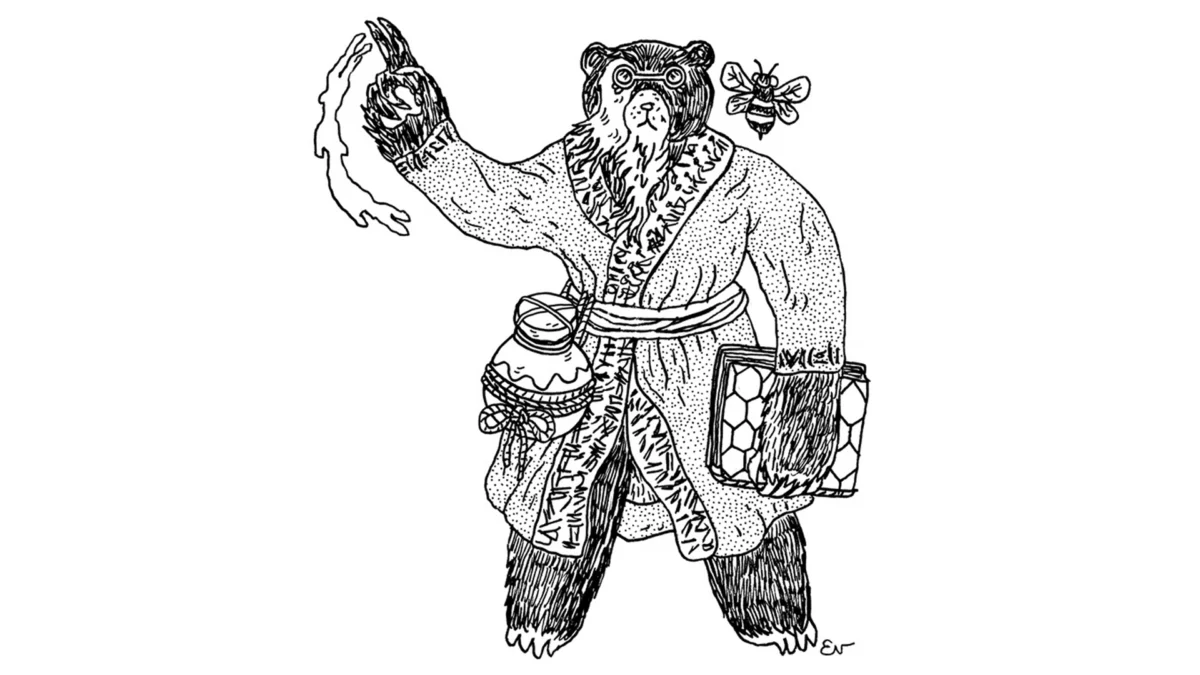
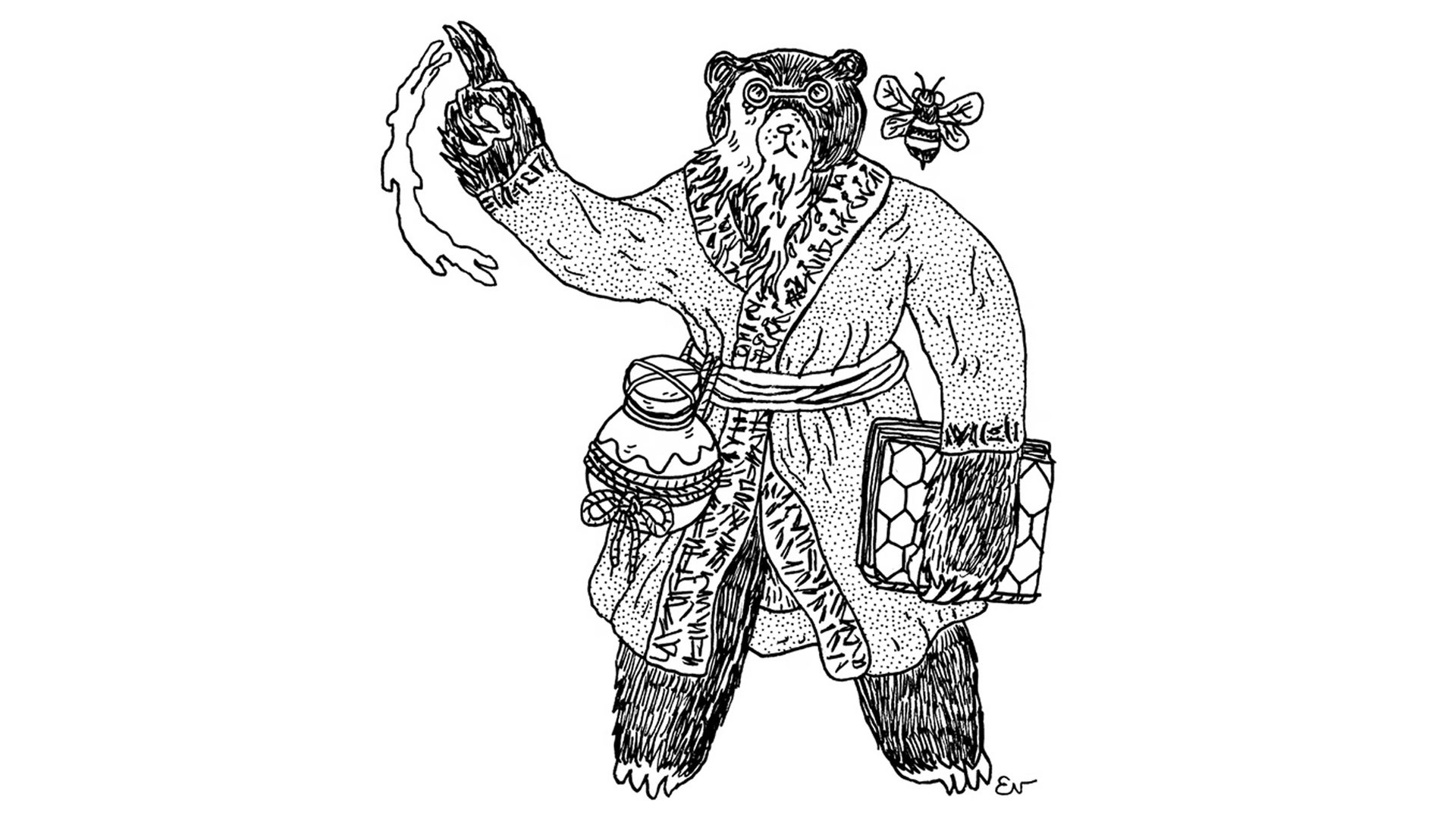
The development process involved extensive playtesting to fine-tune the collaborative GMing mechanic and refine the Problem Generator, ensuring that the system was both robust enough to provide consistent comedic outcomes and flexible enough to encourage player creativity. Armstrong’s vision was complemented by the distinctive artistic talents of Evlyn Moreau, whose unique style perfectly captured the whimsical and slightly off-kilter aesthetic required for a game about endearing, incompetent wizards. Moreau’s artwork, with its blend of charm and subtle eccentricity, has been crucial in defining the game’s visual identity and drawing players into its fantastical world.
The game’s public debut and primary funding mechanism was a Kickstarter campaign, a common and highly effective strategy for independent TRPG creators to connect directly with their audience and secure the necessary resources for production and distribution. The campaign launched with a clear set of goals, outlining the development of the rulebook, the creation of artwork, and the manufacturing of physical copies. The accessible pledge tiers, ranging from a digital PDF version to a physical rulebook, were designed to appeal to a broad spectrum of potential players and backers.
The crowdfunding initiative proved to be a resounding success, quickly surpassing its initial funding targets. This rapid uptake underscored the market’s hunger for fresh, innovative TRPG experiences, particularly those that offer a comedic twist on established genres. The campaign’s success not only guaranteed the production of "Hello Wizard I Have a Problem" but also allowed for the potential unlock of stretch goals, which could further enrich the game with additional content or supplementary materials.
As the Kickstarter campaign draws to a close, the focus shifts to the production phase. Backers who pledged for physical copies can anticipate receiving their rulebooks by June, a relatively swift turnaround indicative of a well-planned development and fulfillment strategy. For those who missed the crowdfunding window, there’s good news: Sam Armstrong has indicated the possibility of the title becoming available on his Itch.io page, a popular platform for indie game distribution. This dual availability strategy ensures that "Hello Wizard I Have a Problem" will reach a wider audience beyond its initial Kickstarter supporters, fostering a broader community around its unique brand of magical chaos.
Supporting Data: The Anatomy of Incompetence and Collaborative Comedy
"Hello Wizard I Have a Problem" doesn’t just promise comedic fantasy; it meticulously constructs a framework for it through its core mechanics and thematic influences. The game’s strength lies in its ability to harness the humor of failure, turning what would typically be a setback in other RPGs into the very engine of its entertainment.
The Appeal of the Incompetent Spellcaster:
In a genre often dominated by stoic heroes and epic quests, the concept of the "incompetent spellcaster" offers a refreshing subversion. Players aren’t striving for perfection but embracing glorious imperfection. This resonates with a broader cultural appreciation for anti-heroes and relatable flaws, making the wizards of "Hello Wizard I Have a Problem" inherently more endearing and comedic. The humor stems from the dramatic irony of immense magical potential being consistently undermined by a fundamental lack of control, foresight, or common sense. This allows players to shed the pressure of optimal play and instead revel in the creative absurdity of their characters’ blunders.
The Collaborative GMing Model:
Perhaps the most innovative aspect of "Hello Wizard I Have a Problem" is its shared GM responsibility. Unlike traditional TRPGs where a single GM crafts the world and adjudicates actions, here, the GM role is distributed among the non-active players. This not only lightens the burden on any single individual but also democratizes the narrative, fostering a genuinely collaborative storytelling environment. When a player casts a spell, the collective GM’s task is not to prevent failure, but to orchestrate it in the most imaginative and humorous way possible. This dynamic encourages rapid improvisation and a playful one-upmanship in crafting absurd consequences, ensuring that everyone is actively engaged in shaping the chaotic narrative. This model also inherently reduces barriers to entry, as new players aren’t intimidated by the singular responsibility of a traditional GM role.
The Power of the Problem Generator:
The "Problem Generator" is more than just a list of random events; it’s a sophisticated prompt engine designed to spark creativity and ensure narrative freshness. With "over 200,000" potential disastrous outcomes, the game guarantees that players will constantly face novel challenges. Imagine a wizard attempting to conjure a protective shield, only for the Problem Generator to dictate that the spell instead turns all nearby metallic objects into fluffy kittens, or causes everyone in the vicinity to uncontrollably tap dance. This level of randomness, guided by comedic intent, keeps players on their toes and prevents narrative stagnation, ensuring that each scene is a unique comedic sketch. It provides just enough structure to inspire, without stifling the improv elements.
Comedic Influences: A Deep Dive:
The explicit referencing of Monty Python, The Mighty Boosh, and "What We Do in the Shadows" is crucial to understanding the game’s comedic DNA:
- Monty Python: The game inherits Python’s signature absurdist humor, non-sequiturs, and a willingness to break narrative conventions. Just as a Python sketch can pivot from a serious discussion to a silly song or a man being attacked by a killer rabbit, "Hello Wizard" encourages abrupt, illogical, and utterly hilarious twists in its magical outcomes. There’s a self-awareness to the humor, acknowledging the silliness of the premise.
- The Mighty Boosh: From this cult classic, "Hello Wizard" draws its surrealism and whimsical character interactions. The Boosh’s world is one where logic is optional, and fantastical creatures coexist with mundane concerns. Similarly, "Hello Wizard" places powerful magic in scenarios that often result in bizarre, dreamlike, or utterly pointless outcomes, emphasizing the visual and conceptual absurdity.
- What We Do in the Shadows: The mockumentary series provides a blueprint for character-driven comedy derived from the clash between extraordinary beings and mundane problems. The vampires’ struggles with rent, chores, and bureaucratic meetings mirror the wizards’ difficulties with basic spellcasting. "Hello Wizard" thrives on this juxtaposition: grand magical gestures resulting in utterly trivial or inconvenient failures, highlighting the relatable exasperation of powerful individuals failing at simple tasks.
These influences combine to create a comedic tone that is both sophisticated in its construction and accessible in its delivery, appealing to a broad audience of comedy and fantasy enthusiasts.
Sam Armstrong’s Design Philosophy:
Sam Armstrong’s previous works, "All Bastard" and "Slasher," provide further insight into his design ethos. "All Bastard," a fantasy TRPG where players recount the glorious defeats of heroes from the perspective of the "bastards" who defeated them, demonstrates Armstrong’s penchant for narrative inversion and alternative perspectives. This parallels "Hello Wizard" in its focus on non-traditional storytelling and celebrating the "loser" rather than the victor. "Slasher," a horror RPG, showcases his versatility but also hints at a designer who enjoys exploring specific genre conventions and twisting them for unique player experiences. Armstrong consistently designs games that prioritize narrative over complex rules, encourage player collaboration, and offer fresh takes on established genres.
Evlyn Moreau’s Artistic Contribution:
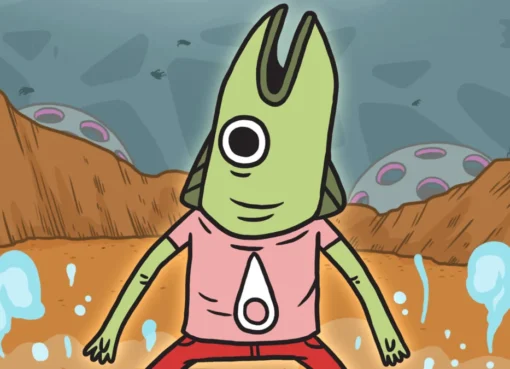
Evlyn Moreau’s distinctive illustration style, as seen in works like "Liminal High School," is perfectly suited for "Hello Wizard I Have a Problem." Her art often features expressive characters, vibrant colors, and a slightly whimsical, sometimes melancholic, aesthetic that can convey both humor and a touch of the fantastical. For "Hello Wizard," her artwork helps to establish the game’s lighthearted yet magical tone, making the incompetent wizards feel endearing rather than simply pathetic. The visual presentation is crucial for setting the mood, and Moreau’s contributions elevate the game’s overall appeal.
Official Responses: The Creators’ Vision and Community Endorsement
While "official responses" in the traditional sense of a corporate press release are less common in the indie TRPG space, the creator’s statements, the crowdfunding campaign itself, and the enthusiastic community engagement serve as powerful endorsements and articulations of the game’s vision.
Sam Armstrong, as the primary designer, has articulated his intention to create a game that is "very straightforward and intended to be easy for players to learn," emphasizing accessibility. This commitment to a low barrier to entry is a direct response to a market that increasingly values games that can be picked up and played quickly, without extensive rule memorization. His focus on "rapid scenes infused by the strange and unexpected" highlights the game’s dynamic and improvisational core, signaling to players that spontaneity and creativity are paramount.

The Kickstarter campaign page itself acts as the most comprehensive "official response," detailing the game’s mechanics, artistic direction, and funding goals. The pledge levels, offering both digital and physical copies, reflect a strategic approach to distribution, catering to different player preferences and budget points. The £8 ($10) price for a physical copy and £4 ($5) for a PDF demonstrate a conscious effort to make the game affordable and widely accessible, a common characteristic of successful indie TRPGs. The projected June delivery for physical copies further underscores the professional planning behind the project.
The rapid success of the crowdfunding campaign is, in itself, a powerful community response. The quick funding and potential achievement of stretch goals indicate a significant demand for this type of comedic, collaborative TRPG experience. Backers’ comments and social media discussions around the campaign reflect excitement for a game that promises genuine laughs and a refreshing break from more serious fantasy narratives. This collective enthusiasm from the TRPG community serves as a robust validation of Armstrong’s design vision and the game’s overall appeal.
Furthermore, Armstrong’s mention of potential future availability on his Itch.io page demonstrates a commitment to making the game accessible even after the Kickstarter concludes. Itch.io is a vital platform for independent creators, allowing them to maintain direct control over their products and connect directly with their audience, further solidifying the indie spirit of "Hello Wizard I Have a Problem."
Implications: Reshaping the Narrative of Tabletop Fantasy
"Hello Wizard I Have a Problem" carries significant implications for the broader tabletop roleplaying game landscape, particularly within the burgeoning indie scene. Its unique blend of mechanics, comedic tone, and accessibility positions it to influence future game design and attract new demographics to the hobby.
Broadening TRPG Appeal:
The game’s straightforward rules and quick setup make it an ideal entry point for newcomers to TRPGs. Many traditional RPGs, with their extensive rulebooks and complex character creation, can be intimidating. "Hello Wizard" removes these barriers, allowing players to jump straight into the fun, making it perfect for casual game nights or for introducing friends to the hobby. Its emphasis on collaborative storytelling over strict rule adherence can also appeal to individuals who enjoy improvisation, creative writing, or simply sharing laughs with friends, rather than intricate tactical combat or deep lore.
Influencing Indie Game Design:
"Hello Wizard I Have a Problem" serves as a compelling case study for the success of narrative-first, rules-light design. Its innovative collaborative GMing model challenges the traditional GM paradigm, suggesting new ways to distribute narrative authority and foster collective creativity. The Problem Generator highlights the power of procedural content generation in sparking improvisation, a technique that could be adopted and adapted by other designers seeking to enhance replayability and reduce GM prep. Its success may inspire other designers to explore more unconventional themes and mechanics, moving further away from D&D-esque high fantasy toward more niche, character-driven experiences.
The Rise of Comedic Fantasy in TRPGs:
While comedic elements have always existed in TRPGs, "Hello Wizard I Have a Problem" elevates comedic fantasy to its central pillar. By making incompetence and disaster the point of the game, it carves out a distinct niche. This could signal a growing trend where TRPGs prioritize humor and player-generated comedy as much as, if not more than, dramatic tension or heroic accomplishment. As players increasingly seek diverse experiences, games that offer guaranteed laughs and low-stakes fun will find a dedicated audience.
Community and Adaptability:
The inclusion of "advice and optional rules" in the rulebook suggests a design philosophy that encourages players to make the game their own. This fosters a strong sense of community, as groups can share their unique house rules, custom Problem Generator prompts, and memorable magical mishaps. Such adaptability ensures the game’s longevity, as players can continually refresh their experience and keep the chaos alive.
A Counter-Narrative to Power Fantasy:
In an era where many media narratives focus on wish fulfillment and power fantasies, "Hello Wizard I Have a Problem" offers a refreshing counter-narrative. It celebrates the humor inherent in human (or wizardly) fallibility. This message—that it’s okay, even hilarious, to mess up—can be surprisingly liberating and enjoyable for players tired of always having to be the hero.
In conclusion, "Hello Wizard I Have a Problem" is more than just another tabletop RPG; it’s a statement about the evolving nature of the hobby. By embracing collaborative chaos, celebrating incompetence, and anchoring itself in a rich comedic tradition, Sam Armstrong and Evlyn Moreau have crafted a game that promises not just magical adventures, but genuinely unforgettable, laughter-filled experiences. As it rolls out to players later this year, it is set to enchant, amuse, and perhaps even inspire a new generation of wonderfully inept spellcasters.