Navigating the Void: A Comprehensive Preview of ‘Sol Protocol’ and the Future of Co-op VR Roguelikes
The virtual reality landscape has long been a fertile ground for the roguelike genre. From the archery-based challenges of In Death: Unchained to the neon-soaked swordplay of Until You Fall, the "run-based" loop of dying, upgrading, and retrying fits the immersive, session-based nature of VR perfectly. However, most of these titles have focused on the solitary hero. Singular Perception, an emerging developer in the space, is looking to disrupt this trend with its upcoming title, Sol Protocol.
Positioned as a dedicated co-op action roguelike, Sol Protocol attempts to blend the high-stakes tension of space exploration with the intricate team dynamics of a bridge simulator. Following an initial hands-on period with the Early Access build on Meta Quest 3, it is clear that while the game is currently a "promising foundation," it represents a significant pivot toward multiplayer-centric design in the VR ecosystem.
Main Facts: The Core of Sol Protocol
Sol Protocol is not merely a game that includes a multiplayer mode; it is a game built entirely around the premise of collective survival. Set in the desolate reaches of deep space, players are tasked with navigating a modular starship through increasingly hazardous sectors, managing resources, and engaging in tactical combat against extraterrestrial threats.
Technical Specifications and Launch Details
- Developer: Singular Perception
- Platforms: Meta Quest 3/3S (Previewed on Quest 3), SteamVR (Upcoming)
- Release Date: September 19, 2026 (Early Access for Meta Quest); October 2026 (Early Access for Steam)
- Price Point: $11.99 USD
- Genre: Co-op Action Roguelike / Space Simulation
- Core Mechanics: Zero-gravity movement, ship-based role management, resource scavenging, and procedural exploration.
The game’s most striking feature is its uncompromising stance on social play. While many VR titles offer a solo mode with an optional "buddy system," Singular Perception has designed Sol Protocol such that the experience is hollow without a crew. This "co-op or bust" philosophy is a bold move in a market where single-player content remains the safest bet for developers.
Chronology: From Delay to Early Access
The path to the September 19 launch has been marked by the typical hurdles of independent VR development. Originally slated for a September 17 release, the developer, Singular Perception, issued a last-minute notice to media outlets and the community, delaying the launch by 48 hours to ensure a smoother initial rollout on the Meta Horizon Store.
This minor delay is symptomatic of the developer’s cautious approach to its "Early Access" status. By launching first on the Meta Quest ecosystem (specifically optimized for the Quest 3 and the newly announced Quest 3S), the studio aims to tap into the largest active VR user base before expanding to Steam in October.
The roadmap suggests a period of rapid iteration. The current build is described as "sparse in terms of scope," focusing on the core loops of navigation and combat. The coming months are expected to bring more varied sector types, additional ship components, and expanded enemy varieties. This phased rollout allows the developers to balance the delicate economy of a roguelike based on real-world player data.
Supporting Data: Deep Dive into Gameplay Mechanics
To understand Sol Protocol, one must look at its two distinct layers of gameplay: the Ship-Bridge Management and the Extravehicular Activity (EVA).
1. The Bridge: A Trifecta of Cooperation
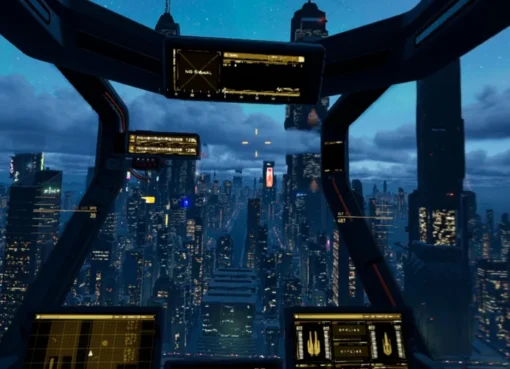
The heart of the game is the ship’s cockpit, which features three distinct stations. Unlike games where one player controls everything, Sol Protocol enforces a division of labor:
- The Captain: This role is strategic rather than tactical. The Captain sits at a console managing the ship’s energy grid. They must decide how to allocate limited power between shields, engines, the warp drive, and weapon systems. In the heat of battle, the Captain must choose between reinforcing a failing shield or dumping power into the warp drive for a desperate escape.
- The Pilot: Responsible for the physical navigation of the vessel. The Pilot must steer the craft through asteroid fields and align the ship with warp points. Crucially, in combat, the Pilot is the primary line of defense, utilizing thrusters to dodge incoming fire.
- The Gunner: Offense is handled via a head-tracking visor. The Gunner tracks enemies by physically looking at them, locking on, and unleashing the ship’s arsenal.
2. Zero-G Movement and Exploration
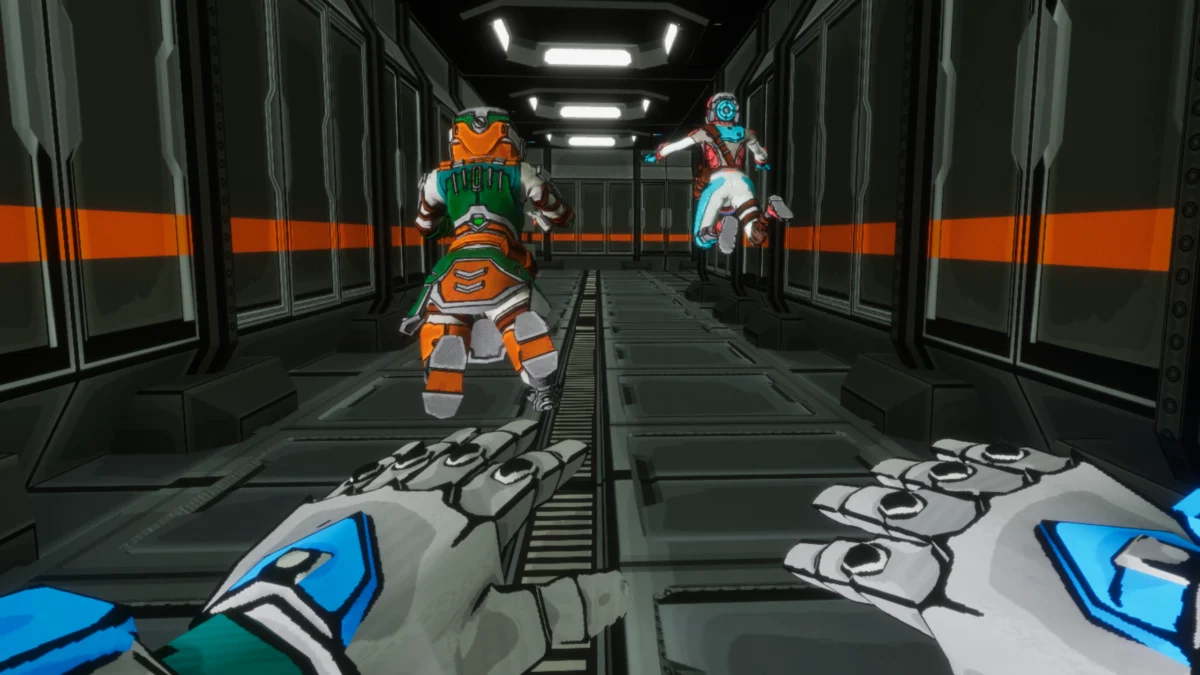
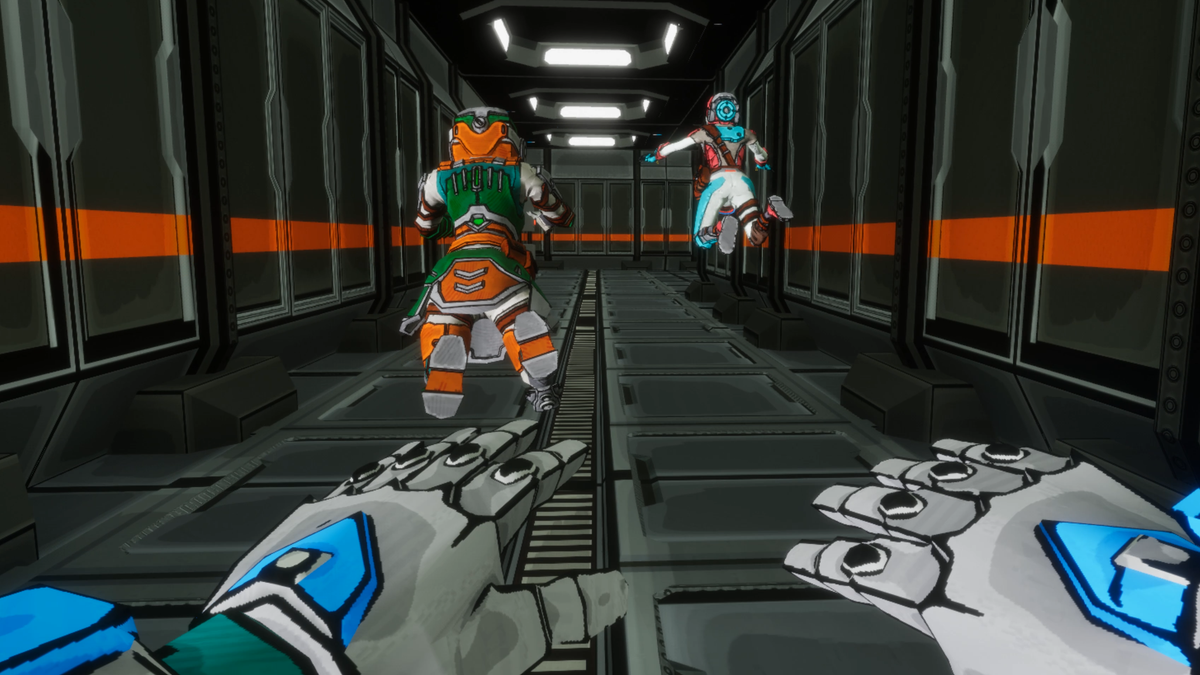
When players leave the ship to scavenge for resources—such as repair materials, energy cells, or weapon upgrades—the game shifts to a first-person zero-gravity perspective.
The control scheme for these segments is complex and requires a "VR-ready" stomach. Players use the left analog stick for horizontal strafing and the right stick for vertical elevation. Rotation is handled through a combination of face buttons and analog stick clicks, allowing for 360-degree orientation in the void. This Newtonian-adjacent movement system is essential for solving the game’s randomly generated puzzles, which often involve navigating the wreckage of derelict satellites or abandoned space stations.
3. Performance Metrics on Quest 3
In its current state, the technical performance of Sol Protocol is a mixed bag. During preview sessions on the Quest 3, the following observations were made:
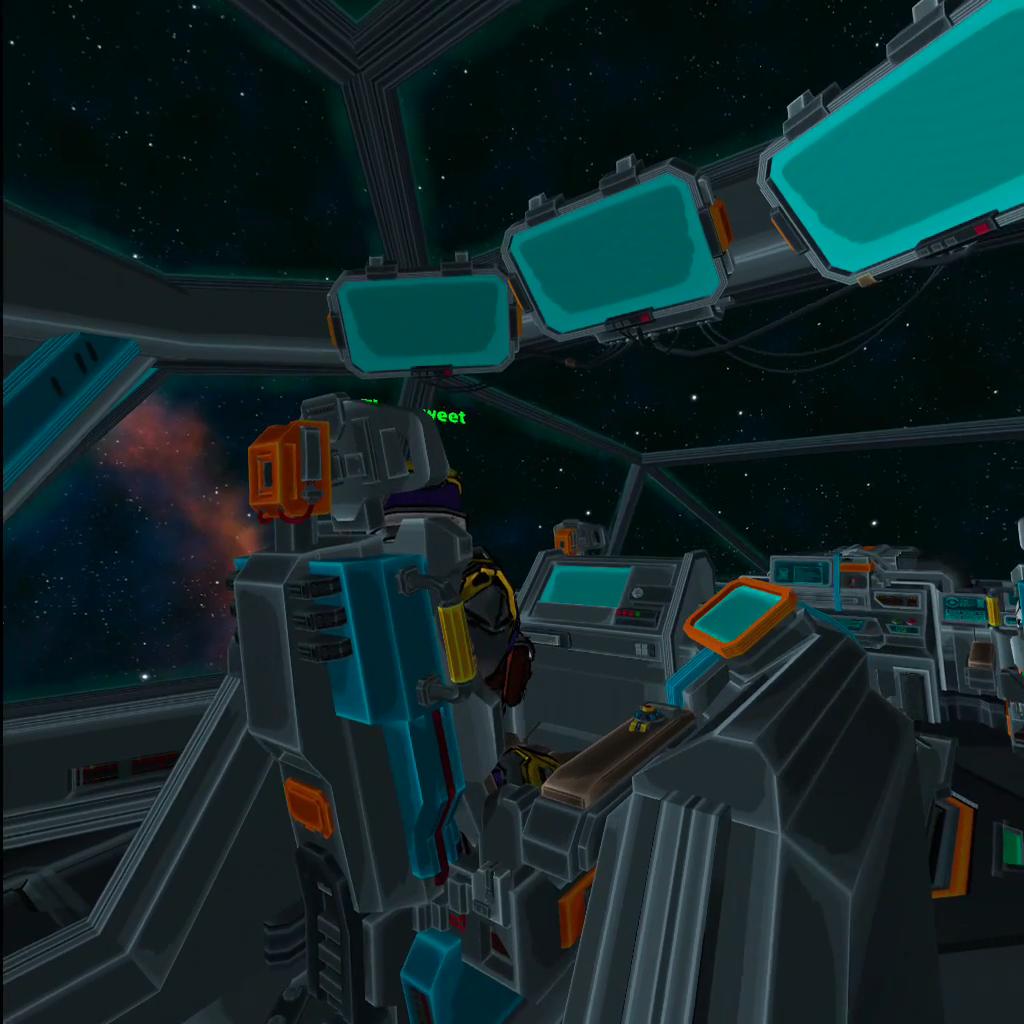
- Visual Fidelity: The game utilizes a clean, high-contrast art style that benefits the clarity of space. However, it is not pushing the hardware to its absolute limits.
- Frame Stability: There are noticeable frame drops, particularly when transitioning between warp sectors or during intense combat encounters with multiple enemy entities.
- Reprojection: The use of Application SpaceWarp (ASW) or similar reprojection techniques is evident, leading to occasional "ghosting" artifacts during fast movement.
Official Responses: The Developer’s Vision
Singular Perception has been transparent regarding the game’s current limitations. In communications regarding the delay and the Early Access launch, the studio emphasized that Sol Protocol is a "work in progress."
The developers have stated that the $11.99 price point is intentional, reflecting the foundational nature of the current content. Their goal is to build a community of "founding pilots" whose feedback will dictate the direction of future ship modules and enemy AI behaviors.
Regarding the lack of a robust single-player mode, the developer’s stance remains firm: the "magic" of the game lies in the communication between players. By forcing players to verbalize their needs—"Captain, I need more power to shields!" or "Pilot, bank left so I can get a lock!"—Singular Perception hopes to recreate the "bridge crew" fantasy that has been a staple of science fiction for decades.
Implications: The VR Roguelike Evolved?
The release of Sol Protocol carries several implications for the VR industry and the roguelike genre at large.
1. The Shift Toward Social VR
For years, VR was seen as an isolating medium. However, the success of titles like Walkabout Mini Golf and Dungeons of Eternity has proven that social interaction is a "killer app" for the hardware. Sol Protocol doubles down on this. If it succeeds, it may encourage other developers to move away from "tacked-on" multiplayer and toward games where cooperation is a core mechanical requirement.
2. The "Early Access" Gamble on Standalone VR
Launching an Early Access title on the Meta Quest Store is a different beast than on Steam. Console-like ecosystems (which the Quest mimics) usually demand a higher level of polish. By releasing a "sparse" build, Singular Perception is testing the patience of the Quest audience. If they can provide frequent updates and iron out the performance issues on the Quest 3, they could set a blueprint for how indie devs can sustain long-term development on standalone hardware.
3. Accessibility vs. Immersion
The movement mechanics in Sol Protocol represent a significant hurdle for VR newcomers. While the game includes comfort features like vignetting (tunnel vision during movement) and snap turning, the zero-gravity segments are inherently "high-intensity." The game’s success will depend on whether the depth of the co-op gameplay is enough to entice players to overcome the "VR legs" required to play it.
4. Value Proposition
At $11.99, Sol Protocol is positioned as an impulse buy. This low barrier to entry is crucial for a multiplayer-only game, as it makes it easier for a group of three friends to jump in together for under $40 total. This pricing strategy could be the key to ensuring the servers remain populated during the critical first months of Early Access.
Conclusion
Sol Protocol is a daring, if currently unpolished, experiment in cooperative virtual reality. It strips away the safety net of solo play to focus entirely on the synergy between a captain, a pilot, and a gunner. While the technical "gnarls" of frame drops and reprojection artifacts need addressing, the core loop of warping into the unknown and surviving by the skin of one’s teeth provides a rush that few other VR titles offer.
As the game moves toward its September 19 launch on Quest and its subsequent Steam release, all eyes will be on Singular Perception to see if they can turn this promising foundation into a definitive VR experience. For those with a dedicated crew and a stomach for zero-G maneuvers, Sol Protocol may just be the next great frontier.