Uli Latukefu Reportedly Cast as Ganondorf in Live-Action The Legend of Zelda Film, Fueling Speculation and Anticipation
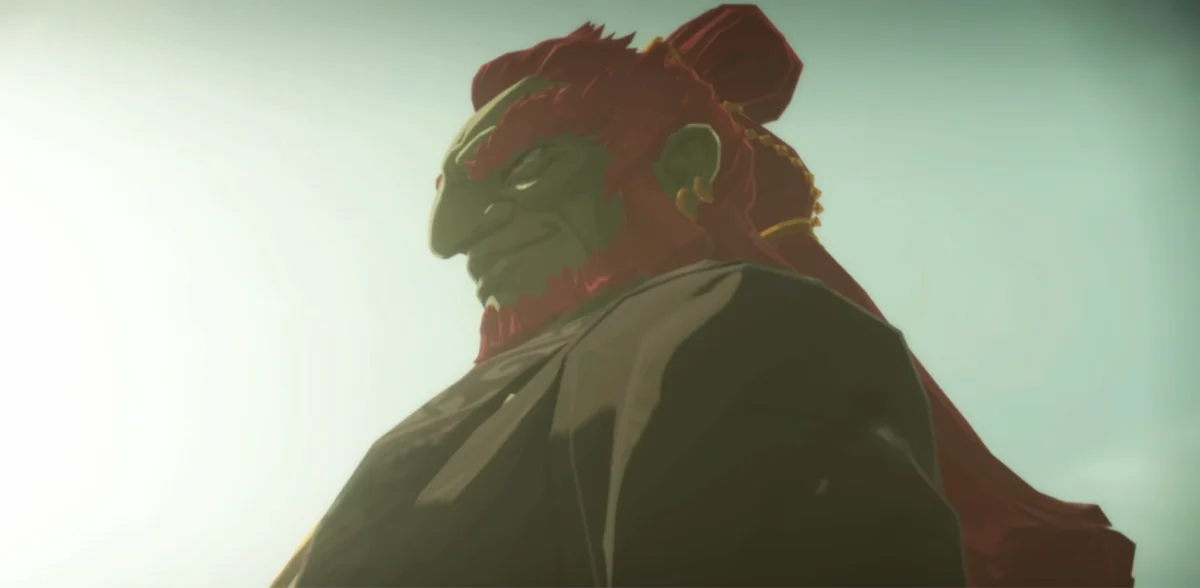
Hollywood is abuzz with unconfirmed reports that Australian actor Uli Latukefu has been tapped to portray the iconic villain Ganondorf in the highly anticipated live-action adaptation of Nintendo’s beloved The Legend of Zelda franchise. The news, initially broken by industry insider publication Deadline, has sent ripples of excitement and speculation throughout the gaming and film communities, offering the first significant peek into the secretive production of one of modern entertainment’s most colossal undertakings.
While official confirmation from Nintendo or Sony remains elusive, sources close to the production have indicated that Latukefu, known for his roles in Black Adam, Alien: Covenant, and the Young Rock series, is set to embody the King of Evil. The reported distinction of casting "Ganondorf" rather than "Ganon" hints at a nuanced portrayal of the antagonist, likely focusing on his more human, albeit menacing, form that fans have affectionately dubbed "Hansomedorf" in various iterations of the game series. This early casting detail suggests a potentially rich narrative direction for the film, slated for an April 30, 2027 release.
Main Facts: A Glimmer of the Triforce’s Darkness
The primary revelation centers on Uli Latukefu, an actor recognized for his robust physical presence and diverse acting portfolio, allegedly stepping into the formidable shoes of Ganondorf. This casting, reported by Deadline, marks the first concrete piece of personnel information to emerge from the live-action The Legend of Zelda project since its initial announcement, outside of director Wes Ball’s involvement.
Ganondorf, the primary antagonist across numerous Zelda titles, is a character synonymous with ambition, dark magic, and a relentless pursuit of the Triforce, a sacred relic capable of granting ultimate power. His existence is inextricably linked to the perpetual struggle against the hero Link and the princess Zelda, forming the core narrative cycle of the franchise. The report specifically naming "Ganondorf" suggests the film will feature his humanoid, sorcerer-king form, rather than his monstrous, pig-like beast transformation, Ganon, which he typically assumes when pushed to his limits. This distinction is crucial for fans, indicating a potential focus on his cunning, manipulative intelligence and a more grounded, character-driven conflict, at least initially.
The film itself has been shrouded in a veil of secrecy, a characteristic Nintendo approach to its high-profile projects. Despite the reported completion of principal photography, details regarding the majority of the cast, specific plot points, or the overall aesthetic remain unconfirmed. This report, therefore, serves as a significant, albeit unofficial, milestone in the film’s development, offering fans their first tangible connection to the on-screen rendition of Hyrule’s greatest threat.
Chronology: Tracing the Path to Hyrule’s Silver Screen
The journey of The Legend of Zelda from gaming console to cinematic epic has been a long and winding one, marked by years of fan dreams, rumors, and ultimately, a carefully orchestrated official announcement.
Early Rumblings and Persistent Hope: For decades, the idea of a live-action Zelda film was a recurring whisper in Hollywood corridors and a fervent desire among fans. The rich lore, iconic characters, and visually stunning world of Hyrule seemed perfectly suited for cinematic translation. However, Nintendo, historically protective of its intellectual properties, remained cautious after various less-than-stellar video game adaptations by other studios. The infamous 1993 Super Mario Bros. movie served as a cautionary tale, instilling in Nintendo a deep reluctance to cede creative control.
The Nintendo Shift: A New Era of Adaptations: A significant turning point arrived with the critical and commercial success of Illumination’s animated The Super Mario Bros. Movie in 2023. This collaboration, where Nintendo legend Shigeru Miyamoto served as producer, demonstrated a new willingness and capability within the company to successfully adapt its properties for broader audiences while maintaining creative integrity. The Mario film’s triumph seemingly paved the way for other beloved franchises.
The Official Greenlight: In November 2023, the long-held dream became a reality. Nintendo officially announced a live-action The Legend of Zelda film, to be directed by Wes Ball, known for his work on The Maze Runner trilogy. Avi Arad, a veteran producer with extensive experience in comic book adaptations, was also attached to the project. Miyamoto himself confirmed his involvement as a producer, signaling Nintendo’s continued hands-on approach. This announcement was met with widespread jubilation, tempered by the immense pressure on the filmmakers to deliver an adaptation worthy of the series’ legacy.
A Swift and Secretive Production: Following the announcement, details remained scarce. However, industry chatter and social media activity from director Wes Ball occasionally hinted at rapid progress. Ball expressed his deep respect for the source material and his ambition to create a "grounded, tangible" fantasy film. The current report of Uli Latukefu’s casting comes amidst claims that the film has already wrapped principal photography, an astonishing pace given the initial announcement timeline and the typical production schedule for fantasy epics. This swiftness, combined with the extreme secrecy surrounding the cast, crew, and filming locations, only amplifies the intrigue and anticipation for the project. Latukefu’s reported casting now stands as the most substantial piece of the puzzle to emerge from this highly guarded production, offering a tantalizing glimpse into the film’s potential direction and character focus.
Supporting Data: Unpacking the Details and Broader Context
The reported casting of Uli Latukefu as Ganondorf brings with it a wealth of implications and prompts a deeper dive into the actor’s profile, the character’s multifaceted nature, and the broader landscape of video game adaptations.
Uli Latukefu: A Forceful Presence for the King of Evil
Uli Latukefu is an actor whose resume showcases both physical prowess and dramatic range. His roles in:
- Black Adam (2022): Latukefu played the character of Ishmael Gregor / Sabbac, a physically imposing antagonist. This experience in a major superhero film, portraying a character with supernatural abilities and a formidable presence, directly aligns with the demands of playing Ganondorf. It demonstrates his capability to handle large-scale action sequences and embody a character of immense power.
- Alien: Covenant (2017): His role in this sci-fi horror sequel, while smaller, further cemented his presence in high-concept genre films. It speaks to his adaptability within different cinematic universes and his ability to contribute to ensemble casts.
- Young Rock (2021-2023): In this biographical comedy series, Latukefu portrayed a younger Dwayne "The Rock" Johnson. This role, requiring a blend of charisma, physical imitation, and comedic timing, highlights a different facet of his acting ability. While Zelda is a fantasy epic, a certain gravitas and even a subtle, menacing charm could be beneficial for Ganondorf’s character, particularly in his "Hansomedorf" persona.
Latukefu’s athletic build and commanding screen presence make him a compelling choice for Ganondorf. The "Hansomedorf" archetype, a more refined and physically attractive (in a villainous way) version of the character, has gained significant popularity among fans, particularly after his depictions in Ocarina of Time, Twilight Princess, and most recently, Tears of the Kingdom. Latukefu’s physicality aligns perfectly with this interpretation, suggesting a Ganondorf who is not just a dark sorcerer but also a powerful warrior and a charismatic leader (or manipulator).
Ganondorf vs. Ganon: A Tale of Two Forms
The distinction between Ganondorf and Ganon is a cornerstone of The Legend of Zelda lore, a nuanced point that often sparks lengthy discussions among fans.
- Ganondorf: This is the character’s humanoid form. He is a Gerudo, a race of desert-dwelling warriors traditionally composed almost entirely of women, with a single male born every century destined to be their king. Ganondorf is characterized by his imposing stature, dark skin, red hair, and powerful sorcery. He is intelligent, cunning, ruthless, and driven by an insatiable hunger for power, specifically the complete Triforce. His primary tools are dark magic, a powerful sword, and his strategic mind. Games like Ocarina of Time, The Wind Waker, Twilight Princess, and Tears of the Kingdom prominently feature Ganondorf in this form, showcasing his rise to power and his direct confrontations with Link and Zelda.
- Ganon: This is Ganondorf’s monstrous, beastly form, typically resembling a giant pig-like demon. He transforms into Ganon when his humanoid form is defeated or when he taps into the full, unrestrained power of the Triforce of Power, often as a last resort. This form represents pure, destructive force, driven by primal rage and dark magic. The transformation is a visual spectacle and a narrative turning point, signifying the final, most desperate phase of the battle. Games like A Link to the Past, Ocarina of Time‘s final boss, and Breath of the Wild‘s Calamity Ganon illustrate this destructive aspect.
The report’s emphasis on "Ganondorf" suggests the film will initially, if not primarily, focus on his humanoid form. This allows for a more complex characterization, exploring his motivations, his relationship with the Gerudo (if that aspect of the lore is included), and his philosophical clashes with Link and Zelda. It also opens the door for a truly epic transformation into Ganon in a climactic sequence, leveraging visual effects to create a memorable spectacle.
The Live-Action Video Game Adaptation Landscape
The Legend of Zelda film enters a cinematic landscape significantly different from previous decades. The "video game movie curse" appears to be breaking, with recent successes demonstrating that faithful and well-executed adaptations can thrive:
- The Super Mario Bros. Movie (2023): A massive box office hit that proved Nintendo’s properties could translate successfully to the big screen with careful handling.
- The Last of Us (2023): A critically acclaimed HBO series that showcased the potential for video games to be adapted into mature, character-driven dramas.
- Sonic the Hedgehog (2020) and Sonic the Hedgehog 2 (2022): Commercial successes that demonstrated how studios could learn from initial fan backlash and deliver films that resonate with the audience.
- Arcane (2021): A highly praised animated series based on League of Legends, highlighting the depth of storytelling possible within gaming universes.
These successes have raised the bar for The Legend of Zelda. Fans expect not just an adaptation, but a definitive cinematic experience that captures the essence, wonder, and challenge of the games. The pressure on director Wes Ball and his team is immense, and casting a key character like Ganondorf is a critical first step in setting the tone and expectations.
The Role of Visual Effects and Practicality
Ganondorf, in any form, presents a significant visual effects challenge. Latukefu’s imposing physique naturally lends itself to a less CGI-heavy approach for his humanoid form, which would be a welcome relief for many fans who prefer practical effects, makeup, and prosthetics to overly digital characters.
- Practical Effects/Makeup: For Ganondorf’s distinct facial features, skin tone, and elaborate Gerudo attire, extensive makeup and prosthetics could create a truly immersive and tangible villain. This would allow Latukefu’s performance to shine through without being obscured by digital alterations.
- CGI Enhancement: While a practical foundation would be ideal, CGI would undoubtedly be necessary for Ganondorf’s magical abilities, his powerful energy attacks, and, most certainly, his eventual transformation into Ganon. The seamless blending of practical and digital elements will be key to creating a believable and awe-inspiring antagonist.
The choice to emphasize "Ganondorf" hints at a desire to ground the character in a more human, albeit fantastical, reality, potentially allowing Latukefu to deliver a performance that blends physicality with the nuanced menace required of such an iconic villain.
Official Responses: The Silence Before the Storm
As of the time of this report, both Nintendo and Sony (the rumored distributor or production partner, though the initial announcement only mentioned Nintendo and Arad Productions) have maintained a staunch silence regarding the casting of Uli Latukefu as Ganondorf. This lack of official comment is entirely consistent with the highly secretive nature of the Legend of Zelda film production.
Nintendo, in particular, is renowned for its tight control over information regarding its intellectual properties. Leaks are rare, and official announcements are typically meticulously timed and carefully curated. The silence surrounding this report, therefore, is not an indication of its inaccuracy but rather a testament to the studio’s strategy of holding back details until they are ready for a grand reveal.
This secrecy, while frustrating for eager fans, serves several strategic purposes:
- Building Anticipation: The slow drip-feed of unconfirmed information, combined with the lack of official statements, creates a powerful sense of mystery and anticipation, keeping the film in the public consciousness without revealing too much too soon.
- Controlling the Narrative: By holding back official confirmations, Nintendo and the production team retain full control over how and when information is released, allowing them to shape public perception and manage expectations effectively.
- Protecting Creative Vision: In the early stages of production, details can change rapidly. Maintaining secrecy allows the creative team the flexibility to make adjustments without public scrutiny or premature fan reactions.
For fans, this means a continued exercise in patience. While the Deadline report is from a reputable industry source, the casting of Latukefu as Ganondorf remains unconfirmed until Nintendo or Sony issues an official statement. Given the film’s reported wrap and the April 2027 release date, it is highly probable that official casting announcements, potentially accompanied by first-look images or a teaser trailer, will emerge in the coming months. Until then, the speculation and excitement continue to build in the absence of definitive answers.
Implications: The Future of Hyrule on the Big Screen
The reported casting of Uli Latukefu as Ganondorf carries profound implications for the live-action The Legend of Zelda film, influencing everything from its narrative direction to fan reception and the broader future of video game adaptations.
Narrative Direction and Character Focus:
The explicit mention of "Ganondorf" suggests a deliberate choice to explore the character in his humanoid form, focusing on his cunning, sorcery, and ambition rather than immediately presenting him as a rampaging beast. This could mean:
- A Character-Driven Villain: Latukefu’s Ganondorf might be given a substantial backstory and motivation, perhaps delving into his origins as the King of the Gerudo and his thirst for the Triforce. This would allow for a more complex and compelling antagonist, moving beyond a simple "evil for evil’s sake" portrayal.
- Emphasis on Sorcery and Strategy: Ganondorf’s human form is often associated with powerful dark magic and strategic manipulation. The film could lean into this, showcasing his abilities as a master sorcerer who poses a magical and intellectual threat to Link and Zelda, complementing Link’s physical prowess and Zelda’s wisdom.
- The "Hansomedorf" Aesthetic: Latukefu’s physical attributes align perfectly with the fan-favorite "Hansomedorf" look, promising a visually striking and imposing villain. This choice could indicate a film aiming for a more mature, visually sophisticated fantasy aesthetic, akin to high fantasy epics.
Fan Reception and Expectations:
Casting news for such an iconic character inevitably sparks intense debate among fans. Latukefu’s reported casting has largely been met with positive initial reactions, given his imposing physique and previous roles. However, the pressure on him to deliver a performance that satisfies decades of fan expectations will be immense. The success of his portrayal will be critical to the film’s overall reception. Fans will scrutinize every detail, from his appearance to his voice and mannerisms, against the beloved game iterations.
Visuals: CGI vs. Practical Effects for a Hybrid Character:
The nature of Ganondorf’s character, with his potential for a monstrous transformation, necessitates a thoughtful approach to visual effects. Latukefu’s casting, suggesting a strong physical presence for Ganondorf, provides an opportunity to ground the character in practical effects, makeup, and prosthetics for his humanoid form. This could lead to a more tangible and immersive villain, reserving CGI for his magical powers and the eventual, awe-inspiring transformation into Ganon. A balanced approach would likely be favored, satisfying both those who appreciate practical craftsmanship and those who expect cutting-edge digital spectacle for the fantastical elements.
Implications for Other Castings and Film Tone:
If Ganondorf is indeed cast, it suggests that other major roles, including Link and Zelda, are either already filled or close to being announced. The choice of Latukefu, an actor with experience in both serious drama and action, could also provide clues about the film’s overall tone – perhaps leaning towards a grittier, more intense fantasy adventure, rather than a lighthearted romp. The article’s playful mention of "who may be playing Tingle" underscores the vastness of the Zelda universe and the myriad of character choices the filmmakers face, each with its own set of fan expectations.
The reported casting of Uli Latukefu as Ganondorf is a monumental development for The Legend of Zelda live-action film. It ignites fervent discussion, shapes early expectations, and offers the first tangible hint at the cinematic vision for Hyrule. As the April 2027 release date draws closer, the anticipation for official confirmations and further details will only continue to escalate, solidifying this film’s place as one of the most keenly watched projects in modern fantasy cinema.