A Decade of Dread: Stormind Games’ "Remothered: Red Nun’s Legacy" Culminates a Unique Horror Trilogy Rooted in Sicilian Culture
For ten years, Stormind Games has navigated the intricate landscape of the video game industry, lending its considerable talents to established intellectual properties and crafting compelling experiences. Among their notable contributions is a title born from the terrifying world of the A Quiet Place film series. Yet, the studio’s genesis and its most personal endeavor lie in its own original horror IP: Remothered. Now, after years of cultivating dread and psychological terror, the trilogy reaches its chilling conclusion with Remothered: Red Nun’s Legacy – a game that promises to be both a cathartic end to a saga and a profound exploration of its developers’ cultural roots.
While many modern survival horror titles owe a palpable debt to titans like Resident Evil and Silent Hill, Remothered: Tormented Fathers, the inaugural entry in the series, charted a different course. It emerged as a spiritual successor to the cult classic Clock Tower series, a franchise that predates even the first Resident Evil in its pioneering approach to suspenseful horror. This deliberate homage was further deepened by the game’s inspiration from the "giallo" films of Italian filmmaker Dario Argento, a lineage that resonated profoundly with the Italian studio, Stormind Games. This connection to Italian cinema and aesthetics, a cornerstone of the Remothered identity, is particularly poignant given the series’ narrative setting: Sicily, the very island where the studio is based. For Red Nun’s Legacy, director Antonio Cutrona has confirmed that the development team has embraced this geographical and cultural connection with an unprecedented level of explicit focus.
The Sicilian Shadows: Crafting an Authentic Horror Landscape
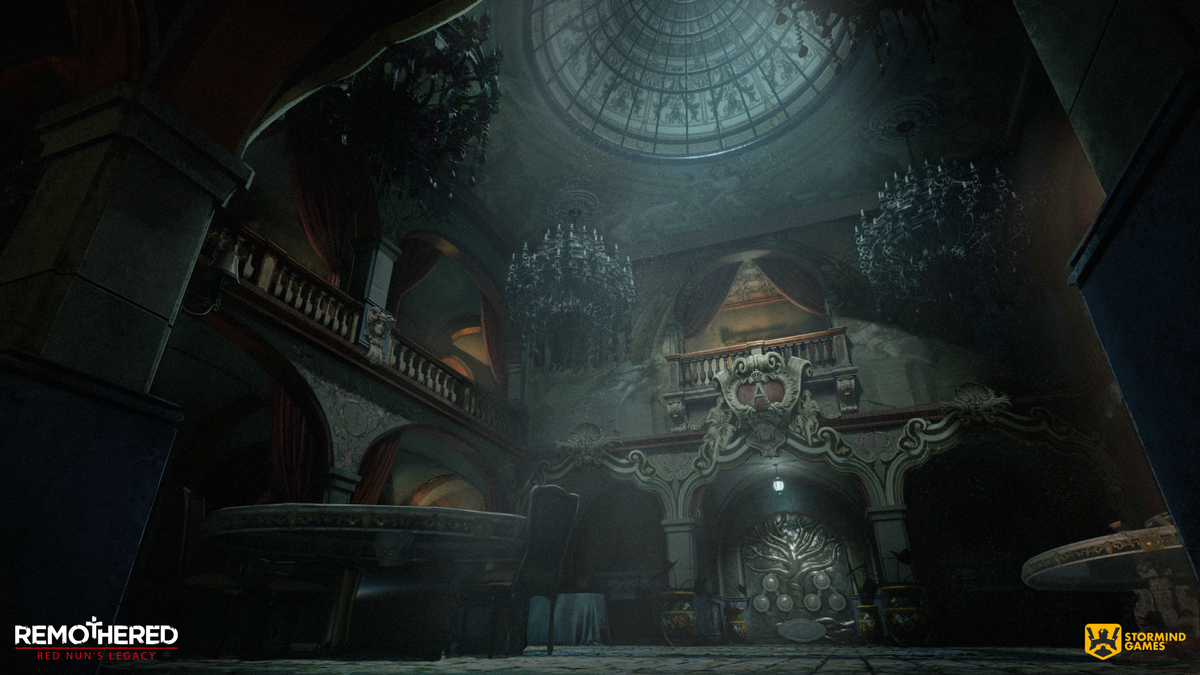
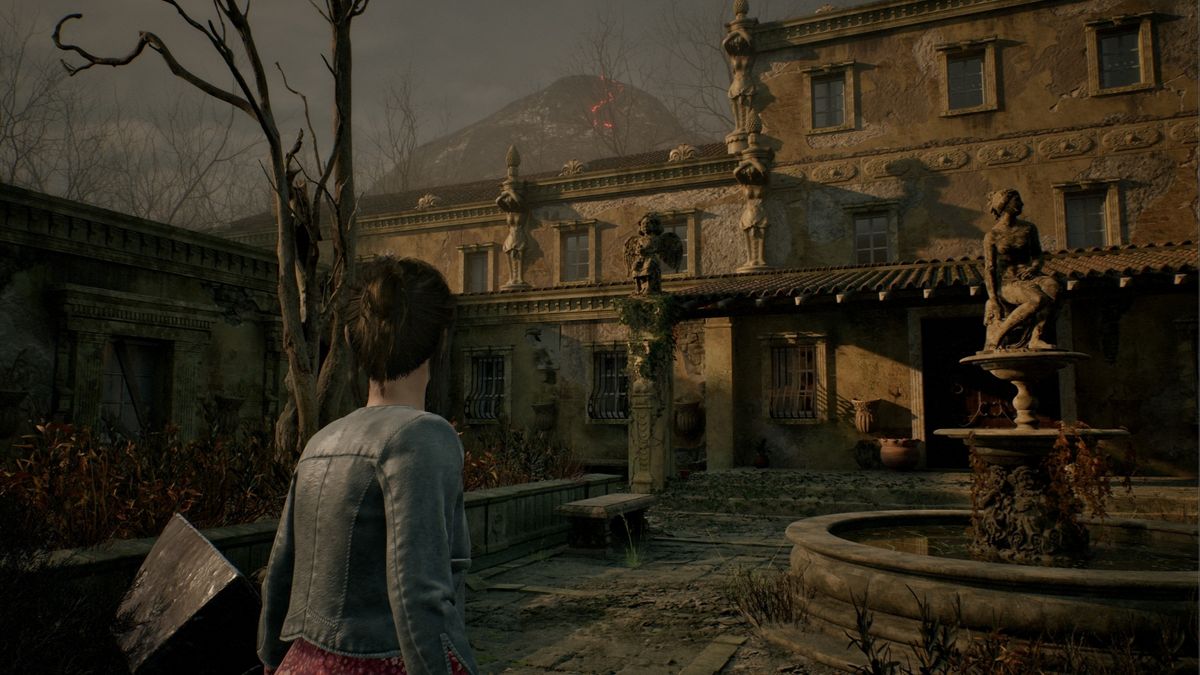
"Our location scouting included just around our offices," Antonio Cutrona, director of Remothered: Red Nun’s Legacy, shared in a recent interview. "The main villa [for the game’s setting] is actually from an abandoned villa in the Etna area." This poignant detail grounds the game’s fictional terror in tangible, real-world locations, drawing inspiration from the dramatic and often imposing landscape of Mount Etna, Sicily’s active volcano. While the core gameplay experience is largely confined to the claustrophobic interiors of the villa, Cutrona assures that the final release will feature exterior locales where the imposing silhouette of Etna looms, further immersing players in the game’s authentic Sicilian backdrop.
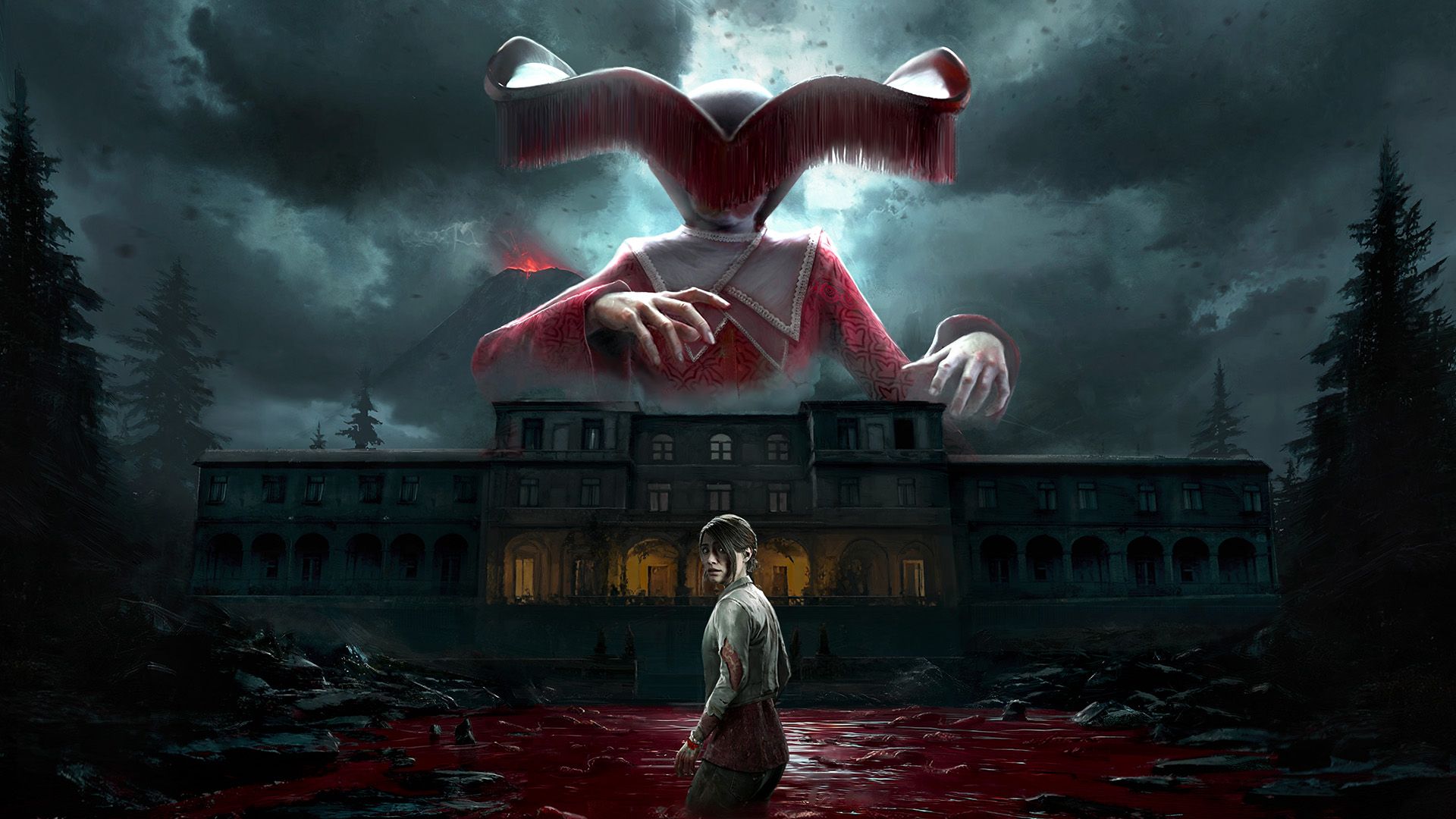
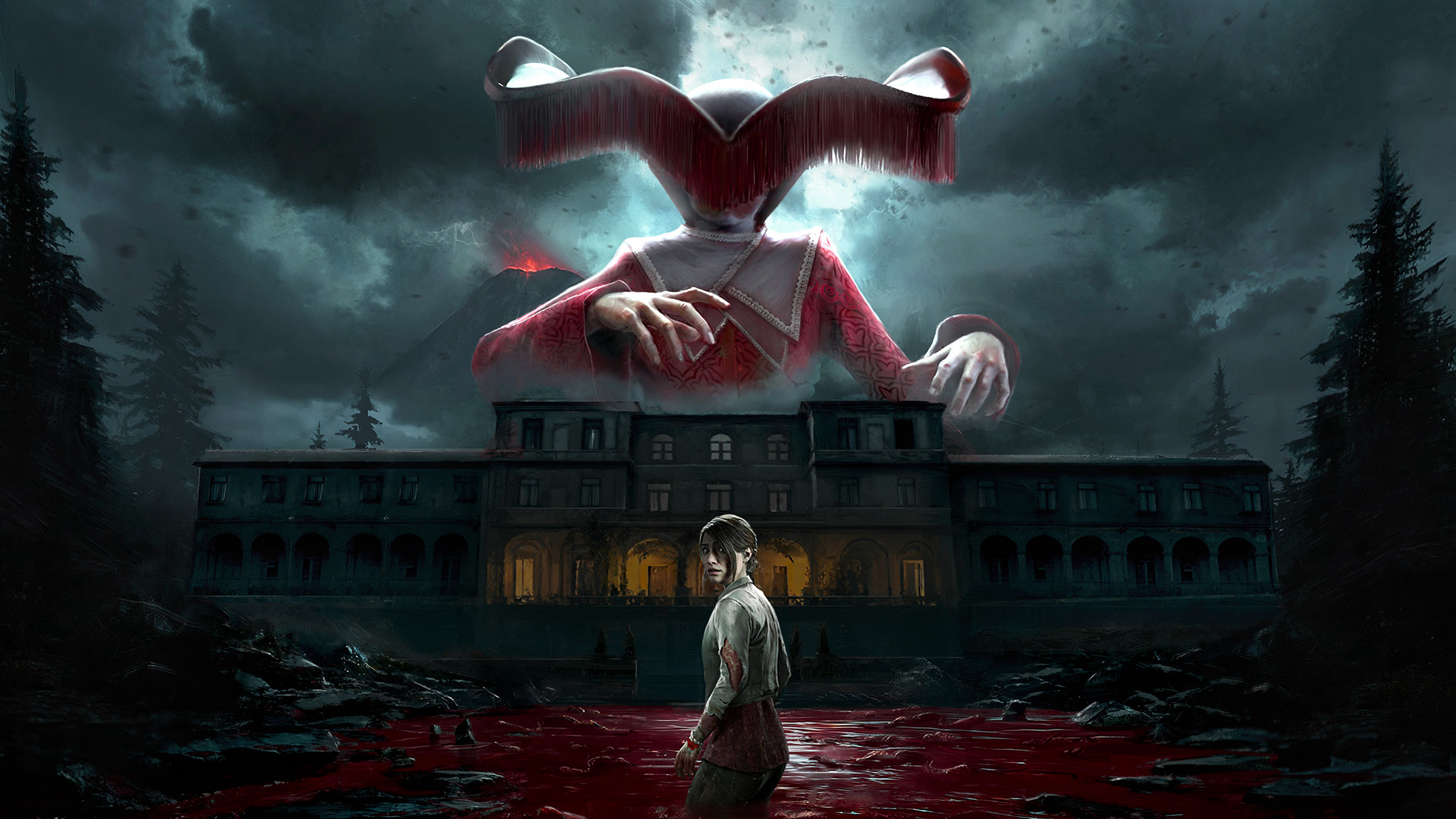
This commitment to verisimilitude extends beyond the broad strokes of geography. Upon experiencing Red Nun’s Legacy firsthand at Gamescom, the meticulous attention to detail within its environments immediately stood out. Players assume the role of the new protagonist, Susan, who awakens within the confines of a mysterious villa. This setting faithfully adheres to the tenets of survival horror, presenting players with locked doors, cryptic puzzles, and an unsettling collection of objects and environmental clues that seem to transcend time and place.
However, where many horror games opt for decaying and decrepit environments to evoke unease, Red Nun’s Legacy presents a starkly different aesthetic. The villa’s interiors are a testament to ornate design, featuring beautiful mosaics adorning the baths and tables laden with colorful ornaments that, at first glance, could easily be mistaken for interactive elements. This visual richness, rather than diminishing the horror, amplifies it, creating a disquieting juxtaposition between opulence and impending dread. The beauty of the surroundings serves to highlight the sinister undercurrents that permeate the narrative, making the unraveling of the villa’s secrets all the more compelling.
Technological Prowess Meets Artistic Vision
The enhanced visual fidelity and intricate environmental design of Remothered: Red Nun’s Legacy have been significantly empowered by the series’ transition to Unreal Engine 5. The integration of its advanced Lumen and Nanite technologies has provided Stormind Games with the technical prowess and capacity to realize their ambitious artistic vision. This technological leap is not merely about graphical enhancement; it has also enabled the studio to concurrently undertake other high-profile AAA projects, such as Mafia: The Old Country, demonstrating their expanded capabilities and industry standing.
The true artistry, however, lies in how Stormind Games has leveraged these tools to infuse the Remothered series with a distinct cultural identity. While early survival horror often drew inspiration from second-hand interpretations of Western aesthetics by Japanese developers, Stormind’s team has been able to draw directly from a rich tapestry of their own culture and history in Sicily.
Director Antonio Cutrona elaborated on this unique approach: "This is about staying true to the Sicilian aspect of it, and believe it or not, we have many colours in our villas and architecture." He further emphasized the deliberate eclecticism of their influences: "We didn’t stick with a particular century or period for our cultural references – you can see things from the Roman times, the Greek times, the Baroque and Renaissance periods. We basically took what was important to us and tried to reference it everywhere." This layered approach to cultural integration ensures that Remothered: Red Nun’s Legacy offers an experience that is both deeply personal and refreshingly distinct from its genre peers. "Having that kind of reference allows us to set us apart from other kinds of games. As Sicilian developers, we can do something that is truly our own and not the same story."
A Symphony of Dread: Musical Influences and Psychological Horror
The sonic landscape of Red Nun’s Legacy also plays a crucial role in its atmospheric terror. It is particularly noteworthy that the series’ composer, Akira Yamaoka, is the celebrated maestro behind the iconic soundtracks of Silent Hill. This collaboration further solidifies the Remothered series’ connection to the psychological underpinnings of horror, weaving a tapestry of sound that is as unsettling as it is immersive.
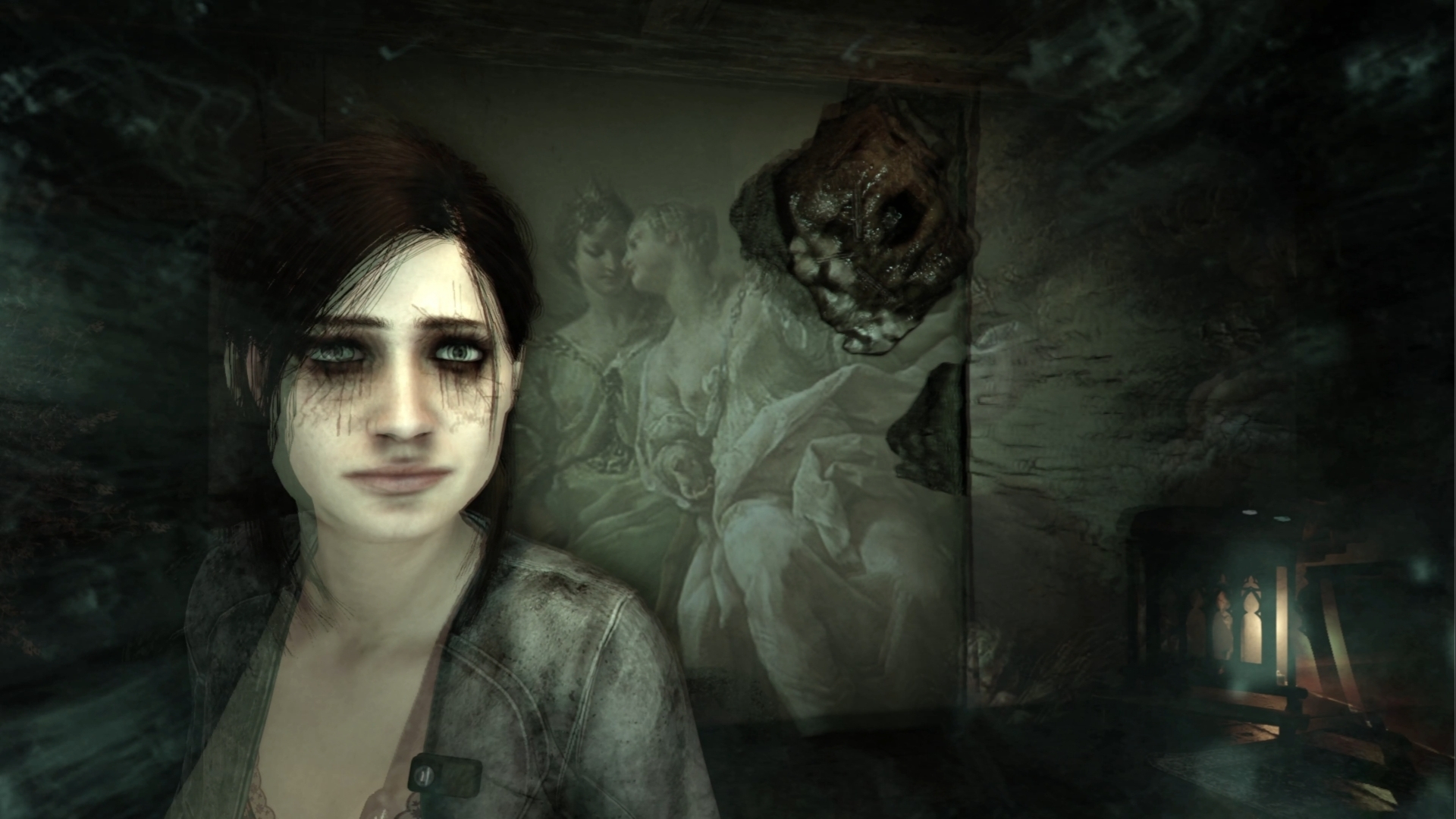
Beyond the traditional horror tropes, Red Nun’s Legacy delves into more avant-garde inspirations to define its antagonists and their unnerving behavior. The "Novices," masked enemies clad in nun’s habits who relentlessly pursue Susan, exhibit a distinctive and uncanny movement style. This unsettling physicality is directly inspired by Butoh, a form of avant-garde Japanese dance theatre. The developers discovered a serendipitous connection to this art form through a Butoh organization based in Sicily, further weaving together their cultural inspirations.
Cutrona explained the integration of Butoh: "One of Butoh’s core principles is that nature itself is controlling you, which transfers to our idea of how [the Novices] move and behave." This philosophy is intrinsically linked to the narrative conceit of the Novices being under hypnotic control. "The Novices undergo hypnosis, so when they speak to you they’re actually saying things not relevant to Susan," Cutrona elaborated. This deliberate disconnect between their actions and their words, combined with their disquieting movements, creates a profound sense of unease, suggesting a loss of agency and a terrifying puppetry at play.
Thematic Cohesion: Hypnosis, Trauma, and the Symbolism of the Moth
For any original intellectual property to carve out its own niche in the crowded entertainment landscape, it must possess a unique visual language and thematic core. The Remothered series has consistently excelled in this regard, centering its narrative on potent themes of hypnosis and trauma. This thematic focus is subtly yet effectively woven into the fabric of the game’s design, from the metronomes that serve as save points – a direct nod to the hypnotic rhythms of hypnotism – to the titular Red Nun herself.
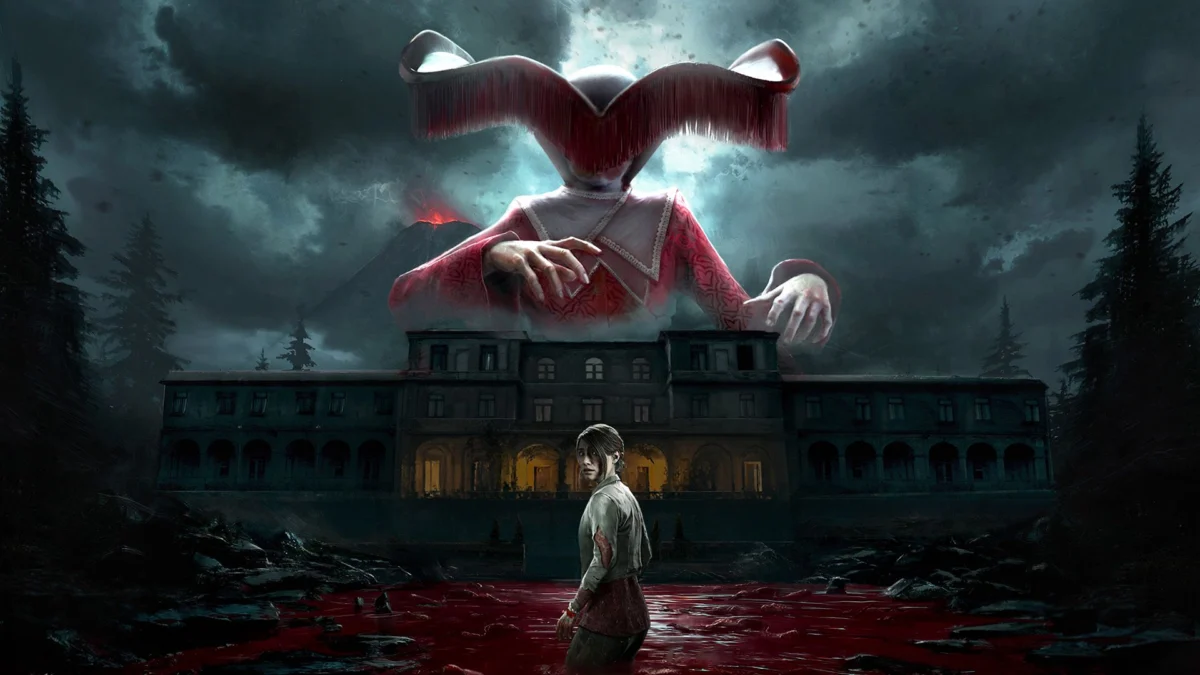
The Red Nun’s distinctive appearance, particularly her large cornette adorned with an ominous red mask resembling a moth, serves as a potent symbol. Moths, often associated with the night and drawn to light, can also represent transformation, illusion, and the subconscious. In the context of the Remothered series, this symbolism is intrinsically linked to the core mythos of hypnosis and its potential to distort perception and unravel the psyche.
"They’re all tied up to the concept of hypnosis, which is the mythos of the series," Cutrona concluded, drawing a parallel to other well-established fantasy worlds. "Harry Potter has magic, Lord of the Rings has elves. Remothered is all about hypnosis and trauma, and since the first game, it’s how we have expanded the series." This clear articulation of the series’ thematic foundation underscores Stormind Games’ commitment to creating a cohesive and meaningful narrative experience that resonates on a deeper psychological level.
A Legacy Secured: The Grand Finale of Remothered
After a decade of dedicated development and refinement, Stormind Games is poised to deliver the concluding chapter of their acclaimed horror saga. Remothered: Red Nun’s Legacy is not just the end of a trilogy; it represents the culmination of a decade-long journey of creative expression, technological advancement, and cultural exploration. The game promises to deliver a satisfying narrative conclusion while reinforcing the unique identity that the Remothered series has meticulously cultivated.
The release of Remothered: Red Nun’s Legacy is scheduled for October 27th, with availability confirmed for PC, PlayStation 5, Xbox Series X/S, and Nintendo Switch. Players eager to experience the final descent into the horrors of the Remothered universe can already wishlist the game on Steam, securing their access to this highly anticipated conclusion. The journey through Stormind Games’ uniquely crafted world of dread, rooted in the rich soil of Sicilian culture and the unsettling depths of the human psyche, is about to reach its definitive and terrifying end.