Beyond the Screen: InkPoster’s E-Ink Frames Offer a Sophisticated Alternative to Digital Art Displays
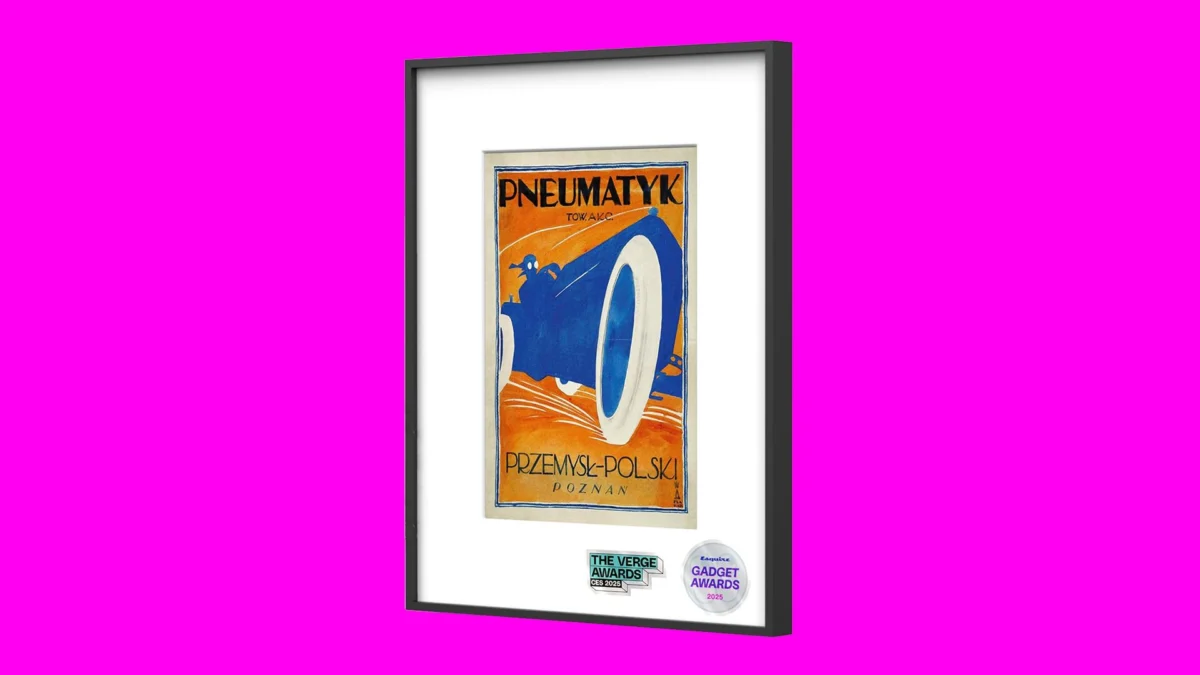
The allure of displaying dynamic digital art in our homes has long been a tantalizing prospect. However, traditional Frame TVs, while offering a sophisticated solution, often come with significant limitations and a hefty price tag. Enter the world of e-ink digital art frames, a burgeoning technology that promises a more nuanced, versatile, and aesthetically pleasing way to bring art into our living spaces. Among the pioneers in this innovative field is Switzerland’s InkPoster, whose Affresco range is now making these sophisticated displays more accessible than ever before.
For art enthusiasts, the idea of a "Frame TV" has undoubtedly crossed their minds. These devices aim to blend seamlessly into home decor, masquerading as a traditional framed artwork when not in use for broadcasting television programs or streaming content. Yet, the reality of these high-end televisions often involves a significant investment, and their placement is typically dictated by the primary function of a television: directly opposite a seating area. This constraint can limit their integration into the overall design of a room, forcing a compromise between aesthetic display and functional viewing.
This is precisely where the elegance of e-ink digital art frames truly shines. Unlike their more imposing television counterparts, e-ink frames offer unparalleled versatility in placement. They can be hung anywhere, transforming any wall into a potential gallery space. Their design often leans towards a more understated and attractive aesthetic, mimicking the tactile qualities of traditional framed art. Furthermore, the advent of battery-powered models eliminates the unsightly clutter of trailing cables, offering a cleaner and more refined installation.
InkPoster, a Swiss-based company, has emerged as a leader in this innovative sector. Their Affresco screen, a prime example of their commitment to merging technology with art, now starts at an accessible $499. This price point represents a significant step towards making high-quality e-ink art displays a reality for a wider audience. For those seeking further exploration within this niche, comprehensive guides to the best e-ink art frames are available, offering a broader perspective on the available options and emerging trends in the market.
The E-Ink Advantage: Why Choose a Dedicated Digital Art Frame Over a Television?
The fundamental difference between a television and an e-ink art frame lies in their inherent purpose and the user experience they offer. Televisions, by their very nature, are designed to capture and hold attention. Even when functioning as digital art displays, their underlying technology is optimized for emitting light, producing vibrant colors, and delivering smooth motion. This can lead to a persistent visual presence that, while sometimes desirable, can also feel intrusive and demanding, especially in spaces intended for relaxation and contemplation.
E-ink technology, on the other hand, operates on a fundamentally different principle. It mimics the appearance of ink on paper, requiring no backlight and consuming minimal power once an image is displayed. This results in a display that is not only gentle on the eyes but also incredibly energy-efficient. The matte surface of e-ink screens further contributes to a more authentic art viewing experience, reducing glare and eliminating the reflective qualities often associated with glass-covered television screens. The artwork displayed on an e-ink frame truly appears as if it were printed on a physical canvas, offering a depth and texture that is often lost on conventional digital displays.
Key Differentiators:
- Aesthetic Integration: E-ink frames are designed to be decorative objects, blending seamlessly into home decor. Their frames are often crafted with premium materials, and the display technology itself minimizes visual intrusion.
- Placement Flexibility: Unlike TVs, which are bound by power outlets and viewing angles, e-ink frames can be placed anywhere, including areas where a television would be impractical or visually disruptive. Battery-powered models further enhance this freedom.
- Eye Comfort: The absence of a backlight and the paper-like appearance of e-ink reduce eye strain, making them ideal for prolonged viewing of static art.
- Energy Efficiency: E-ink displays consume negligible power to maintain a static image, making them exceptionally energy-efficient compared to backlit LCD or OLED screens.
- Authentic Art Reproduction: The matte finish and monochrome nature of e-ink technology often lend themselves to a more faithful reproduction of classic artworks, emphasizing texture and form over vibrant, potentially oversaturated colors.
A Closer Look at InkPoster’s Innovation: The Affresco and Tela Ranges
InkPoster’s commitment to elevating the digital art experience is evident in their product offerings. The Affresco series, available in 31.5-inch and 13.3-inch models, represents their core line of sophisticated e-ink art frames. These devices are engineered to provide a premium visual experience, designed to be both a technological marvel and a beautiful addition to any interior.
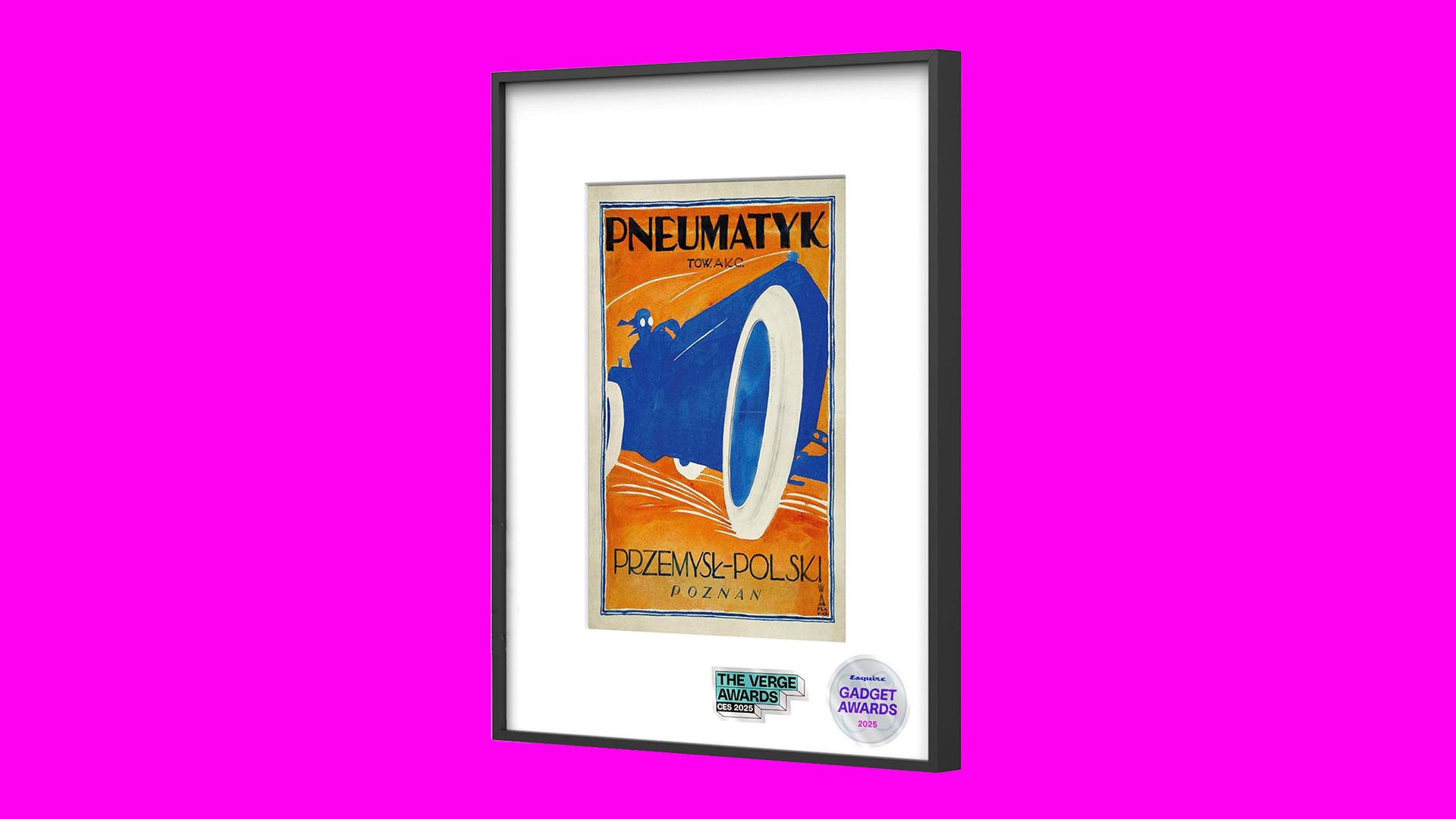
The company also offers the mid-sized Tela model, which has garnered significant praise for its innovative design. A particularly noteworthy aspect of the Tela is the availability of premium variations. These variations feature high-end design accents, such as Alcantara passepartouts crafted by the renowned Italian design house Pininfarina. This collaboration highlights InkPoster’s dedication to not only the technological performance of their frames but also their aesthetic appeal and the luxury they bring to a living space.
During a detailed review of the 28.5-inch InkPoster Tela model, the device was lauded for its substantial feel and its ability to evoke the texture of a real canvas, a stark contrast to the often rigid and glossy feel of a typical TV display. The matte surface, combined with the e-ink technology, successfully translated digital art into a more tangible and organic form, making the displayed artwork feel less like a digital reproduction and more like a traditional printed piece.
The user experience with InkPoster frames is designed for simplicity and convenience. While an initial plug-in is required for setup, the frames are then capable of running on battery power, offering true cable-free operation. Art selection is managed through an intuitive accompanying app. This application allows users to browse a curated collection of famous paintings or upload their own personal images. The app also provides essential editing tools, enabling users to crop and resize their chosen artwork to perfectly fit the frame before sending it for display.
The process of an image appearing on the screen is deliberately slow and methodical. As the display’s pigment microcapsules shift into place, the transition is gradual and almost meditative. This deliberate loading process creates an experience akin to the frame physically printing the image, a characteristic that our reviewer found to be "oddly satisfying." This unique characteristic sets InkPoster frames apart, transforming the act of displaying art into a more engaging and thoughtful ritual.
The Evolution of Digital Art Display: From Novelty to Necessity
The concept of displaying digital art has been around for some time, with early iterations often struggling to balance technological advancement with aesthetic appeal. Frame TVs represented a significant leap forward, but their inherent limitations – cost, placement restrictions, and the persistent "TV" identity – have left room for more specialized solutions. E-ink technology, with its unique properties, has emerged as a compelling answer to these challenges.
Chronology of Digital Art Display Evolution:
- Early Digital Photo Frames (Late 1990s – Early 2000s): These were typically low-resolution LCD screens with limited storage, primarily used for displaying personal photographs. They often lacked sophisticated design and were prone to glare.
- Smart TVs with Art Modes (Mid-2010s onwards): High-end televisions began incorporating "art modes" or "frame modes," allowing users to display digital art when the TV was not in active use. While an improvement, these still retained the core functionality and appearance of a television.
- The Rise of Dedicated Digital Art Displays (Late 2010s onwards): Companies began to focus on creating devices specifically for art display, moving beyond simple photo frames. This era saw the introduction of higher-resolution displays and more refined aesthetics.
- E-Ink Technology Enters the Art Scene (Early 2020s onwards): E-ink’s unique properties, offering a paper-like appearance, low power consumption, and excellent glare resistance, made it an ideal candidate for sophisticated art displays. Brands like InkPoster began to refine and popularize this technology.
- Current Market: Sophistication and Accessibility: Today, the market offers a range of e-ink art frames, with companies like InkPoster driving innovation and making these premium devices more accessible through competitive pricing and enhanced features.
Supporting Data and Market Trends
The growing interest in e-ink art frames is supported by several key market trends:
- The "Artification" of Home Decor: There’s a discernible shift in consumer desire to personalize living spaces with unique and meaningful decorative elements. Art, whether traditional or digital, plays a crucial role in this trend.
- Demand for Seamless Technology Integration: Consumers are increasingly seeking technology that integrates effortlessly into their homes, becoming less obtrusive and more aesthetically pleasing. The cable-free and versatile nature of e-ink frames directly addresses this demand.
- Sustainability and Energy Efficiency: With growing environmental awareness, consumers are more inclined to choose products that are energy-efficient. The minimal power consumption of e-ink technology is a significant selling point.
- The Rise of the Creator Economy: The increasing popularity of digital art and the ability for individuals to create and share their own artwork online fuels the demand for devices that can effectively showcase this digital creativity.
While specific market share data for e-ink art frames is still emerging, the broader digital display market continues to grow. The niche of dedicated art displays, particularly those leveraging advanced technologies like e-ink, is poised for significant expansion as awareness and accessibility increase.
Official Responses and Industry Perspectives
While direct "official responses" from governing bodies regarding e-ink art frames are unlikely, the industry itself is responding to the growing demand. Technology manufacturers are investing in R&D to improve e-ink display technology, aiming for higher resolutions, faster refresh rates, and more vibrant color reproduction (though color e-ink still has limitations compared to traditional displays).
Designers and interior architects are increasingly incorporating these devices into their projects, recognizing their potential to enhance the ambiance and aesthetic appeal of various spaces. The feedback from early adopters and reviewers has been overwhelmingly positive, highlighting the unique advantages e-ink offers over traditional digital displays for art exhibition.
The continued development and refinement of e-ink technology, coupled with the growing appreciation for its unique aesthetic qualities, suggests a bright future for these digital art frames. As more consumers become aware of the benefits and InkPoster and similar companies continue to drive down costs and improve features, e-ink art frames are likely to transition from a niche luxury item to a mainstream component of modern home decor.
Implications and the Future of Home Art Display
The emergence of sophisticated e-ink art frames like those from InkPoster has profound implications for how we perceive and interact with art in our homes. They democratize art display, making it easier and more affordable to curate a dynamic and personalized gallery experience.
Implications:
- Personalized Home Galleries: Individuals can now curate a constantly evolving collection of art, from masterpieces to personal creations, tailored to their mood, the season, or special occasions.
- Enhanced Interior Design: E-ink frames offer interior designers a new tool to add visual interest and personality to spaces without the constraints of traditional artwork.
- Art Education and Appreciation: The accessibility of displaying a wide range of art can foster greater art appreciation and education within households, particularly for younger generations.
- The Blurring Lines Between Technology and Art: These devices represent a sophisticated fusion of cutting-edge technology and artistic expression, challenging traditional notions of what constitutes an art display.
- Potential for Interactive Art: As e-ink technology advances, we may see the integration of more interactive elements, allowing for dynamic and responsive art experiences.
The future of home art display is moving towards greater personalization, flexibility, and technological integration that serves, rather than dictates, aesthetic choices. InkPoster’s e-ink art frames are at the forefront of this movement, offering a compelling and elegant solution for anyone looking to bring the transformative power of art into their living spaces in a truly modern and sophisticated way. The days of static walls are numbered, and the era of dynamic, personalized art is here, powered by the quiet revolution of e-ink.