The Tactile Surreal: How SoHo’s Puppet Masters and the Henson Lineage Redefine Modern Art
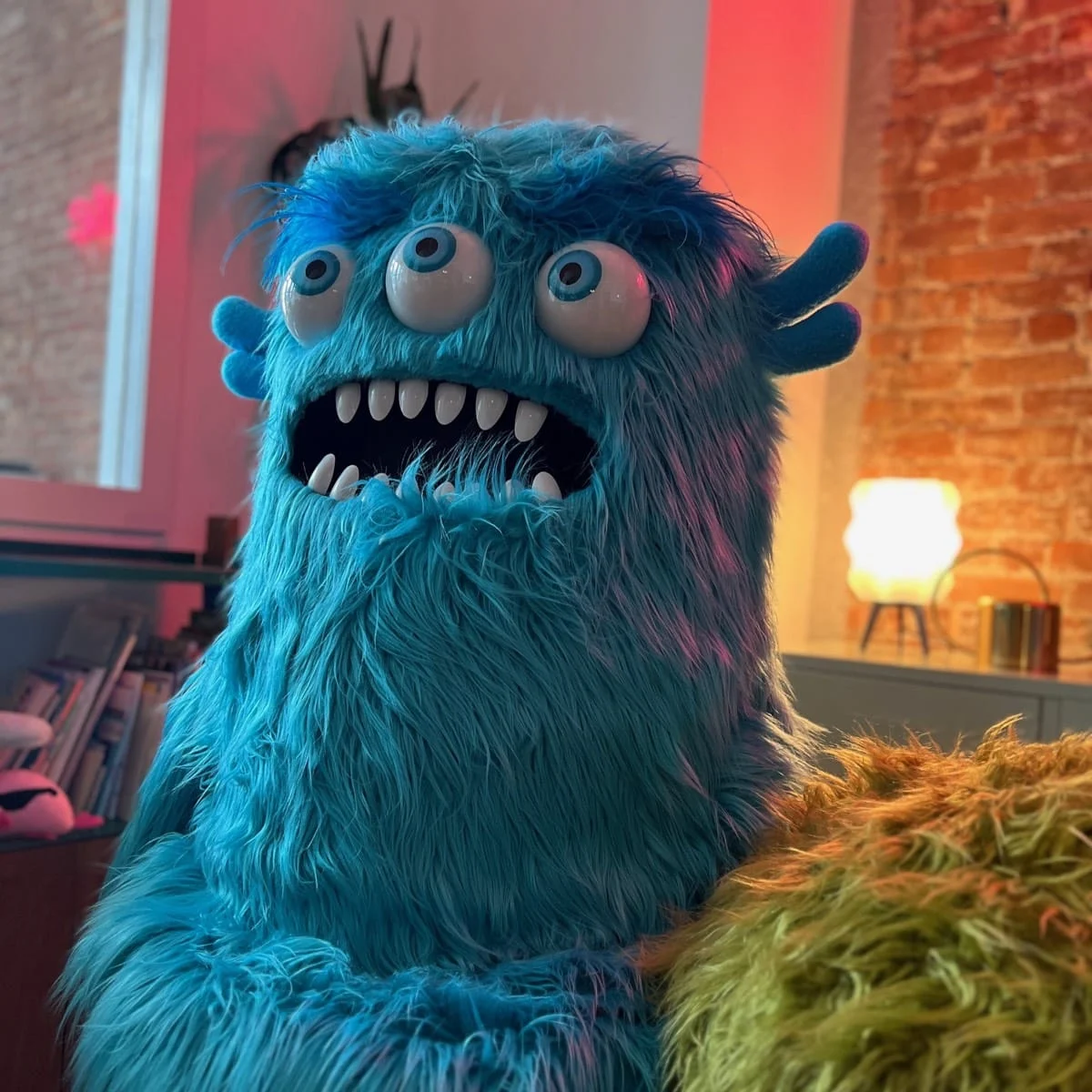
In an era dominated by high-fidelity CGI and generative algorithms, a quiet revolution of the tangible is taking place in a studio in SoHo. Furry Puppet Studio, a design house specializing in custom-built creatures, operates at the intersection of meticulous craftsmanship and avant-garde surrealism. While the casual observer might categorize their work as mere "entertainment props," a deeper analysis reveals a profound connection to the surrealist movement—a lineage that stretches from the experimental films of Jim Henson to the public "ambushes" of Big Nazo.
Main Facts: The Intersection of Foam and the Subconscious
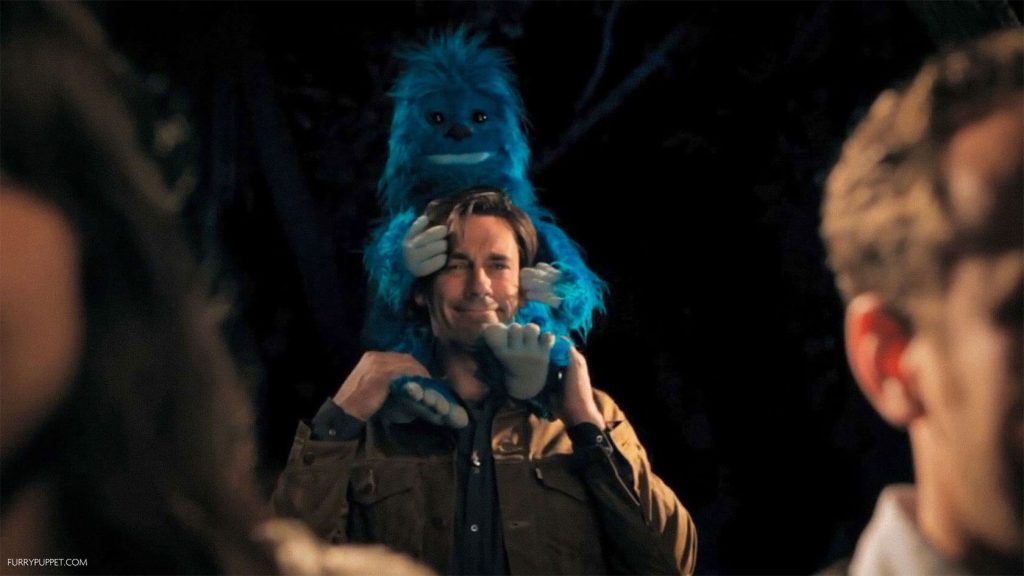
Furry Puppet Studio is not a mere toy factory; it is a laboratory for the "uncanny." Based in New York City’s SoHo district, the studio, founded by Zack Buchman, produces hand-carved creatures that challenge the boundaries between the inanimate and the living. Their portfolio includes high-profile collaborations with celebrities like Jon Hamm and Anderson Cooper, as well as musical icons like Missy Elliott and Pharrell Williams.
The studio’s work is characterized by a philosophy Buchman describes as "pretty unusual." By utilizing a proprietary material known as "dream fleece" and employing a team that includes legendary costume designer Polly Smith (co-inventor of the sports bra) and specialized mechanical engineers, the studio bridges the gap between traditional puppetry and fine art.
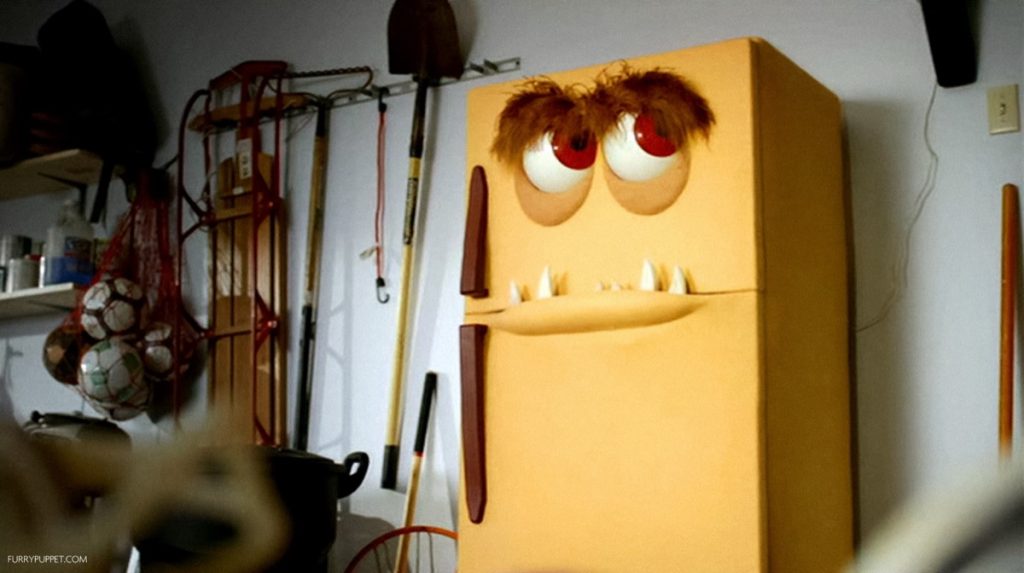
The core of their artistic argument is that puppetry and surrealism seek the same impossible goal: to place an entity before an audience that defies logic, yet demands to be recognized as "alive." Whether it is a refrigerator with human eyelids or a nine-foot foam insect roaming a city street, these creations represent "surrealism you can hold"—a physical manifestation of the marvelous inserted into the mundane.

Chronology: From Experimental Shorts to Modern SoHo
The evolution of puppetry as a surrealist medium can be traced through three pivotal movements:
1. The Henson Avant-Garde (1960s–1980s)
Long before Sesame Street became a global phenomenon, Jim Henson was an experimental filmmaker. In 1965, he produced Time Piece, a nine-minute short with no dialogue that relied on associative logic and rhythmic editing. Nominated for an Academy Award and screened at the Museum of Modern Art, the film featured surrealist motifs: a man in a hospital bed, a cowboy shooting the Mona Lisa, and a gorilla on a pogo stick.
This period established the puppet—and the puppet maker—as an avant-garde instrument. Henson’s later work, specifically the 1982 film The Dark Crystal, was a culmination of this "weirdness," a project so dark and aesthetically challenging that Henson reportedly had to fight to keep the studio from "sanding the edges off" its surrealist horror.
2. The Big Nazo Public Ambush (1986–Present)
In 1986, Erminio Pinque, a RISD-trained illustrator, founded Big Nazo in Providence, Rhode Island. Pinque’s mission was to take the puppet show off the stage and into the streets. By creating wearable, large-scale foam creatures that interacted with unsuspecting pedestrians, Big Nazo practiced a form of "public ambush" surrealism. This movement aligned with André Breton’s desire for the marvelous to erupt into ordinary life without warning.
3. The Furry Puppet Era (2000s–Present)
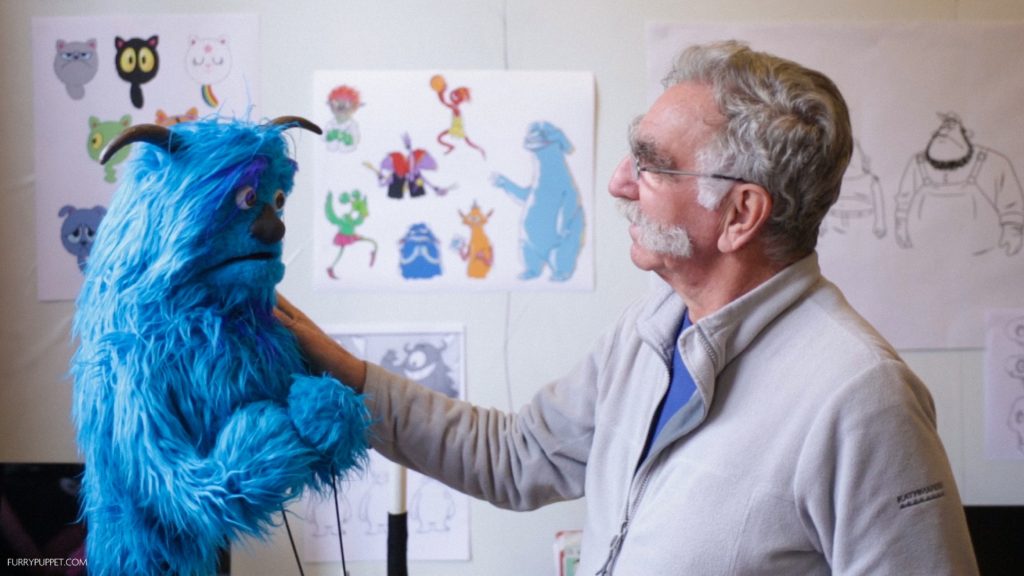
Founded by Zack Buchman, Furry Puppet Studio represents the modern refinement of this lineage. Buchman, who credits his "outsider" perspective to a lack of formal college training, brought a craftsman’s precision to the surrealist impulse. The studio moved the practice into the heart of SoHo, integrating high-end fashion design, mechanical engineering, and hand-sculpted artistry to serve the digital age’s need for tactile reality.
Supporting Data: The Anatomy of the Impossible
The effectiveness of these creations is not accidental; it is the result of rigorous technical standards and psychological triggers.
The Materiality of "Dream Fleece"
Unlike mass-produced puppets, every Furry Puppet creature begins as a solid block of foam. A specialist carver—whom Buchman likens to a real-life Edward Scissorhands—sculpts the form by hand. This process is permanent; there is no "undo" button. Once the form is established, it is wrapped in "dream fleece," a fabric manufactured exclusively by the studio to ensure a texture that looks organic under studio lights.
The Psychological Hinge: The Eyes
In puppetry, the "hinge" of belief rests in the eyes. Buchman notes that a fractional shift in the placement of a 3D-printed eyeball can transform a character’s temperament from "suspicious" to "approachable." This aligns with Masahiro Mori’s 1970 theory of the "Uncanny Valley," which describes the dip in human empathy when a non-human object looks almost—but not quite—human. Furry Puppet Studio operates on the very edge of this valley, tuning their creations to achieve "intentional unreality."
Case Studies in Modern Surrealism
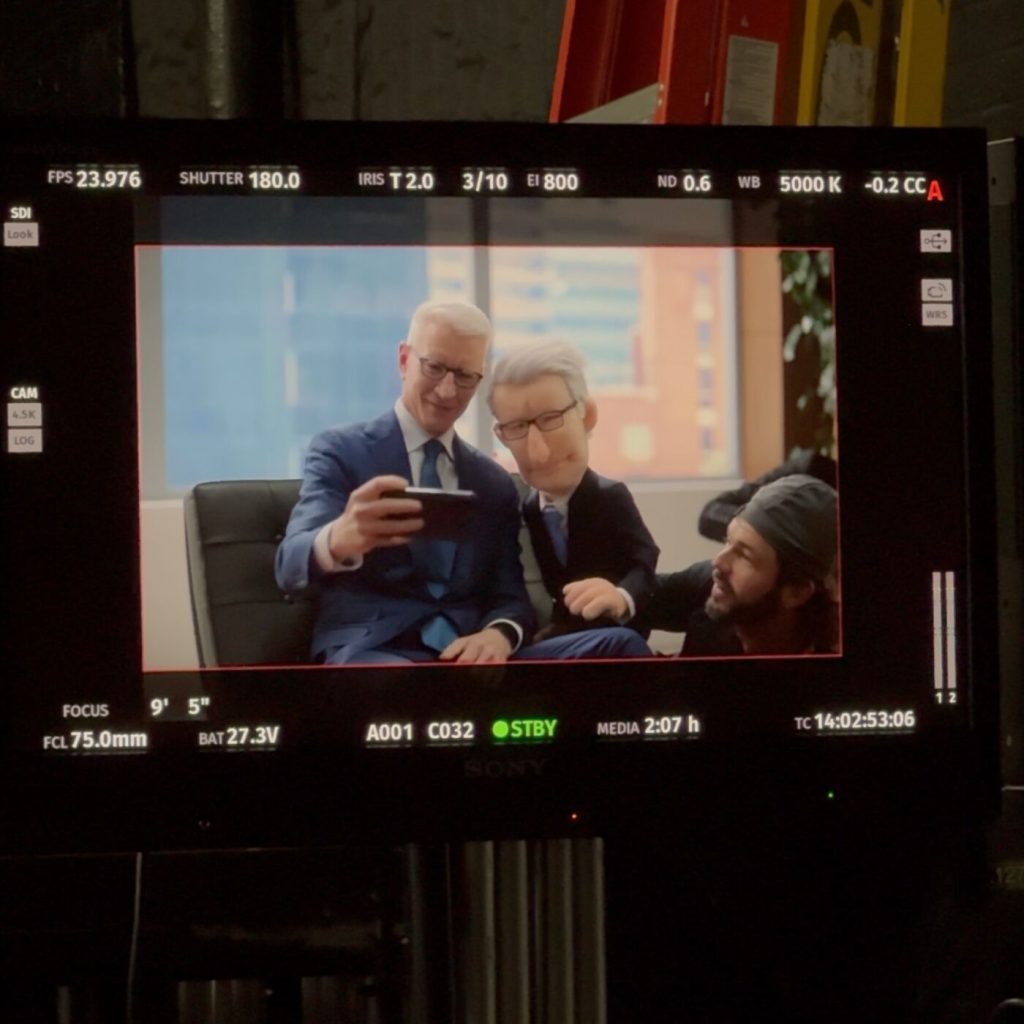
- The Doppelgänger Motif: For CNN’s New Year’s Eve broadcast, the studio created puppet doubles of Anderson Cooper and Andy Cohen. This utilized the "uncanny double" trope—a central theme in Freudian psychology and surrealist art.
- The Animated Everyday Object: The studio frequently animates inanimate objects, such as a refrigerator with bushy brows and teeth. This technique mirrors the work of René Magritte and Meret Oppenheim, who sought to "estrange" the viewer from common household items.
- The Hybrid Performer: For Missy Elliott’s "WTF (Where They From)" music video, the studio reengineered the internal structures of marionettes so they could be "driven" by professional street dancers, blending human athleticism with foam aesthetics.
Official Responses: The Philosophy of the Makers
The creators behind these works emphasize that their goal is the "suspension of disbelief" through physical presence.
Zack Buchman, Founder of Furry Puppet Studio:
Buchman describes the pivotal moment in his process as the point where "disbelief clicks off." He argues that the brain eventually stops hunting for the rods and strings and simply accepts the creature as a living entity. "Everything before [the eyes] is fabrication," Buchman says. "That single adjustment is where the thing starts looking back at you."
Erminio Pinque, Founder of Big Nazo:
Pinque’s philosophy is rooted in "automatism"—the surrealist belief that accidents hold more truth than plans. He has stated that traveling far from his comfort zone left him "free to fail wonderfully," and that the spontaneous interactions between his creatures and the public are where the "good juxtapositions" come from.
The Henson Legacy:
Archival records of Jim Henson’s work on The Dark Crystal reveal a man obsessed with the "weight" of his world. He famously insisted that every creature have a distinct evolutionary logic, ensuring that even the most bizarre organisms felt tethered to a physical reality.
Implications: Why the Physical Still Matters
The continued relevance of SoHo’s puppet masters carries significant implications for the future of art and technology.
The Defiance of the Digital
In a media landscape saturated with CGI, the human eye has become adept at spotting the "weightlessness" of digital renders. Puppetry offers a "mass" and "warmth" that code cannot yet replicate. The fact that a yeti in a music video or a mascot on Jimmy Kimmel Live! is a physical object existing in a 3D space provides a sensory "anchor" for the audience. This "weight of belief" is the secret ingredient that allows surrealist imagery to resonate more deeply when it is tangible.
The Democratization of the Marvelous
By moving surrealism out of the gallery and into music videos, television broadcasts, and street parades, studios like Furry Puppet and troupes like Big Nazo are democratizing the avant-garde. They prove that surrealism does not need a manifesto or a darkened museum; it only needs foam, nerve, and a client willing to embrace the strange.
A Lesson for the Future
The work of these studios serves as a blueprint for the next generation of creators, whether they work in VR, robotics, or film. The lesson is clear: the craft of making a "thing" feel "alive" is independent of the tool used. Whether one is carving foam or writing a prompt for an AI, the goal remains the same—to reach the moment where the creation "starts looking back."
Conclusion: The Studio as a Sanctuary of the Strange
Back in the SoHo studio, the floor is covered in foam shavings and the walls are lined with hand-sculpted eyes. This is not just a place of business; it is a sanctuary for the animated object. Furry Puppet Studio, Big Nazo, and the Henson archive remind us that the puppet is not a toy, but a sophisticated instrument of the avant-garde.
As we move further into a virtualized future, the value of "surrealism you can hold" will only increase. These creators are the stewards of a 75-year-old body of knowledge regarding the exact moment a manufactured object begins to breathe. For anyone interested in the intersection of art, psychology, and the impossible, the SoHo puppet studio is not just a curiosity—it is the front line.