The Evolving Canvas: Adam Vian and SFB Games’ Journey Through Pixel Art and Polished Worlds
The landscape of video games is often painted with broad strokes of technological advancement, charting a course from rudimentary 2D pixels to hyper-realistic 3D environments. However, to relegate 2D art to mere nostalgia is to overlook its dynamic potential for evolution, a truth vividly embodied by the artistic journey of Adam Vian. For over two decades, Vian, alongside his brother Tom, has navigated the ever-shifting currents of game development, transforming from teenage Flash game creators into acclaimed developers behind the SFB Games studio. Their latest offering, The Mermaid Mask, the fourth installment in their popular Detective Grimoire series, serves as a testament to this sustained artistic growth, showcasing a remarkable evolution in visual style since the series’ humble beginnings.
SFB Games, founded by Adam and Tom, has cultivated a reputation for crafting engaging narrative-driven games with distinctive visual identities. While their portfolio spans various genres, the Detective Grimoire series stands as a flagship creation. Inspired by the courtroom drama of Capcom’s Ace Attorney series, Detective Grimoire plunges players into a world of quirky characters, intricate puzzles, and captivating murder mysteries. As The Mermaid Mask prepares for its release, Adam Vian offers a deep dive into the aesthetic metamorphosis of the Detective Grimoire series, tracing its lineage from its nascent Adobe Flash origins to its current sophisticated iteration.
From Humble Beginnings: The Flash Era and the Birth of SFB Games
Adam Vian’s foray into game development began not in a high-tech studio, but in the vibrant, often chaotic, digital crucible of early 2000s internet culture. "With my brother Tom, we got started with Flash back in the early 2000s on a website called Newgrounds," Vian recalls. "It seemed kind of accessible, like something a teenager could make." This accessible platform was a fertile ground for burgeoning creativity, particularly for game parodies that thrived in an era before stringent copyright enforcement. "Video game parodies were a big thing, and the internet didn’t have copyright detection, so you could just post stuff with copyrighted characters or music."
Their first tentative steps into game creation were marked by a playful disregard for intellectual property. "Technically, our first game was called Kirby’s Star Scramble, because Kirby is easy to draw, and it did okay on Newgrounds," Vian explains. This early success, however modest, ignited a creative spark. "Then we were making a game in a week, really quickly, with Tom as the programmer and me as the artist and animator." This rapid prototyping and iterative process, fueled by the immediacy of online feedback, proved instrumental in their development.
The Accelerant of Iteration: How Flash Fostered Artistic Growth
The proliferation of browser-based Flash games offered an unparalleled environment for aspiring developers to hone their craft. For Adam and Tom, it was a period of intense learning and rapid refinement. "It was a blissful existence because you could make a game quickly, throw it online immediately, and you start getting feedback and reviews that second," Vian reflects. "I always think that was this amazing kind of accelerant for us, where we got through all of our bad ideas really quickly."
This philosophy of rapid iteration and embracing failure as a stepping stone is a cornerstone of creative development. "They say everyone has a thousand bad drawings in them and you have to get them out of the way before you can do a good drawing," Vian states. "For us, it’s like everyone has a hundred bad games in them, and we did them really quickly." This approach allowed them to experiment with mechanics, art styles, and narrative structures without the significant overhead associated with traditional game development. It was an environment that fostered experimentation and resilience, crucial attributes for any creative endeavor.
The Spark of Inspiration: Detective Grimoire Takes Shape
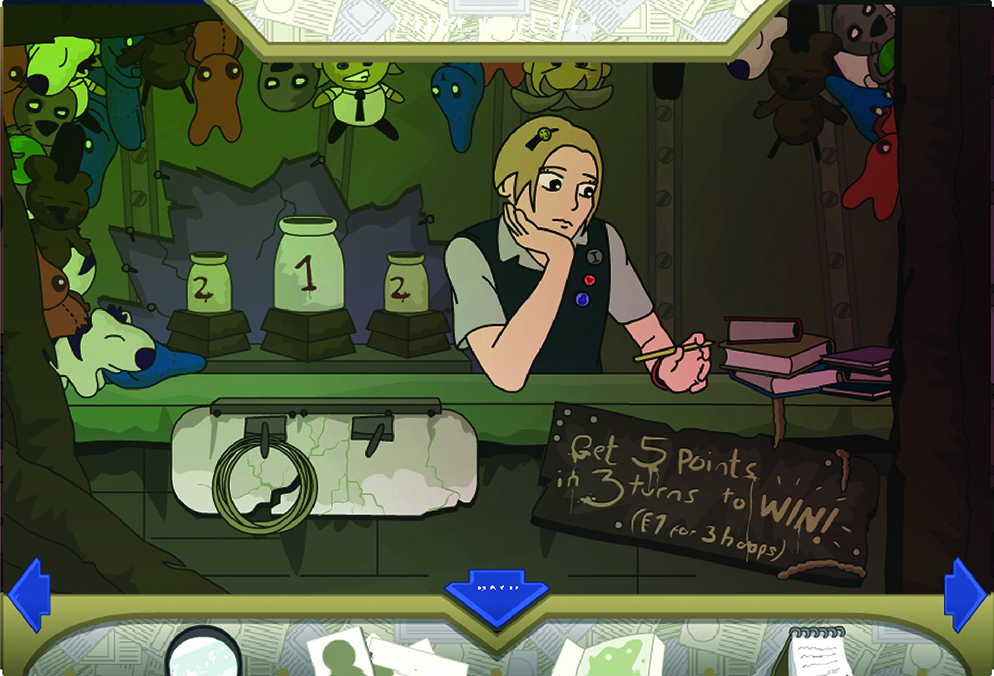
It was amidst this prolific period of Flash game creation that the seeds of the Detective Grimoire series were sown. The catalyst? A shared passion for adventure games and a newfound appreciation for the narrative depth of Ace Attorney. "We had just played Ace Attorney: Phoenix Wright. We’d grown up playing adventure games like Monkey Island and Indiana Jones and the Fate of Atlantis, and then we played Phoenix Wright and thought it was amazing that this is a game where all you really did is click on things and talk to people, and the characters are wacky and it’s funny, and we wanted to make something like this."
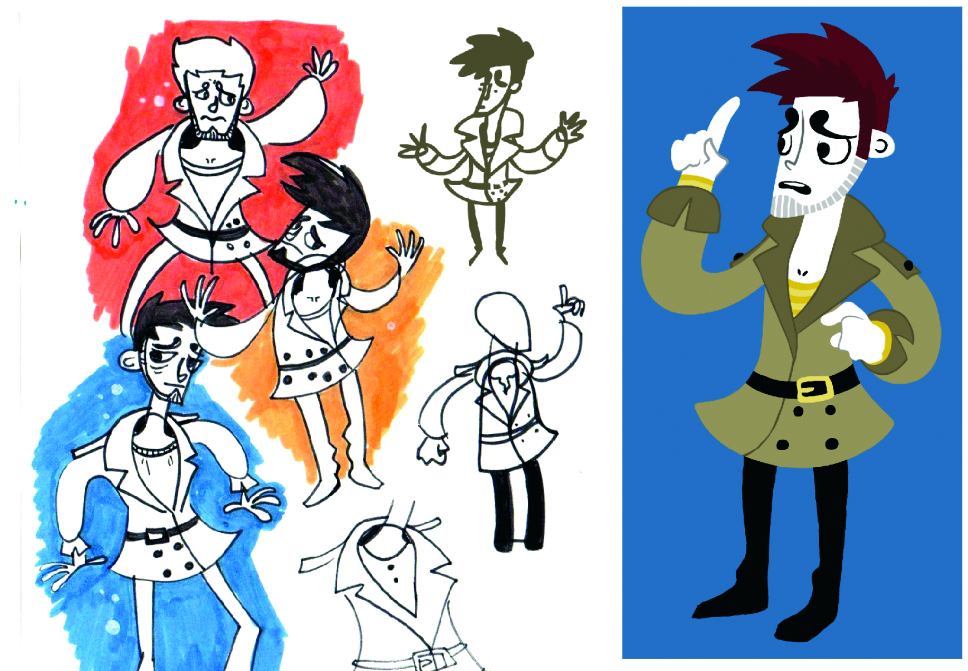
The initial concept for Detective Grimoire himself was a reflection of Vian’s artistic stage at the time. "I was probably 17 when we started, and I wasn’t very creative or pushing boundaries. The detective was just a guy in a brown trenchcoat with brown hair, just like the go-to protagonist probably inspired by Guybrush Threepwood and also Detective Gumshoe in Ace Attorney." This foundational design, while straightforward, laid the groundwork for a character who would undergo significant visual transformation over the subsequent years.
The First Transformation: Detective Grimoire: Secret of the Swamp
The first full-fledged Detective Grimoire game, Secret of the Swamp, represented a significant leap from their earlier Flash prototypes. Vian, now a student at the University for the Creative Arts, was absorbing new artistic influences and refining his understanding of character design. "When we made the first one, I was in foundation college, and I didn’t have weird cool influences. I was just drawing whatever came to mind – a basic go-to cartoon style."
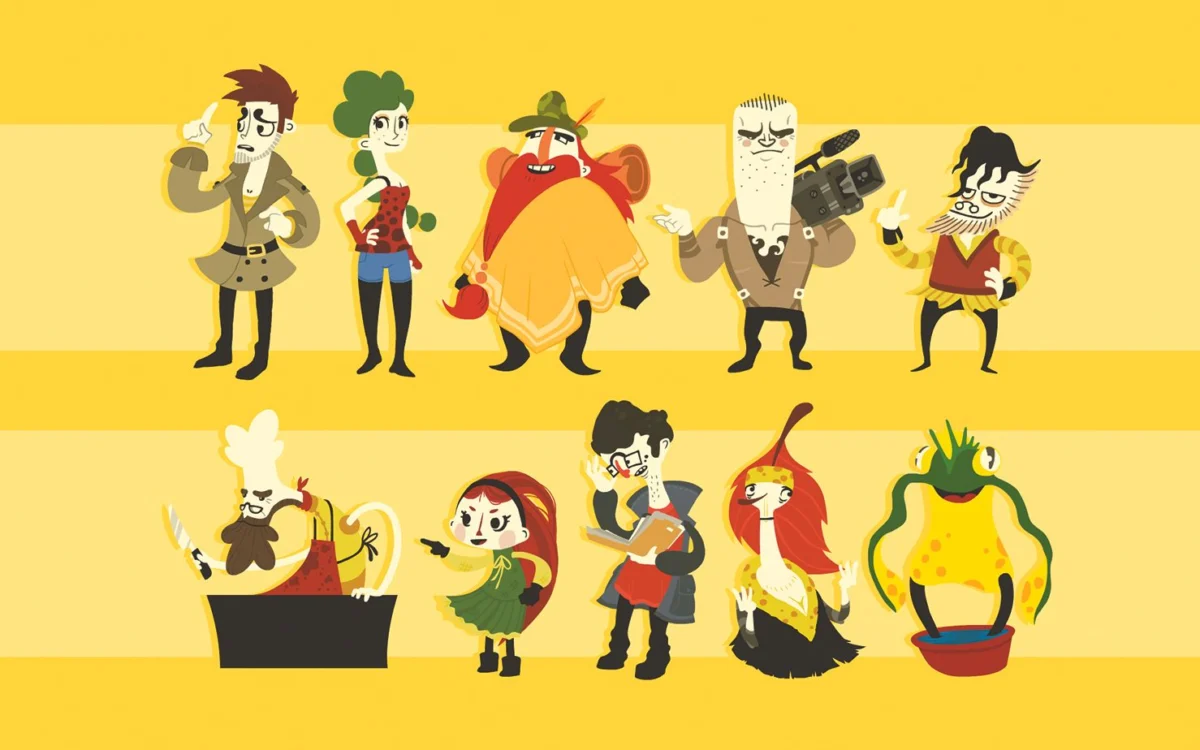
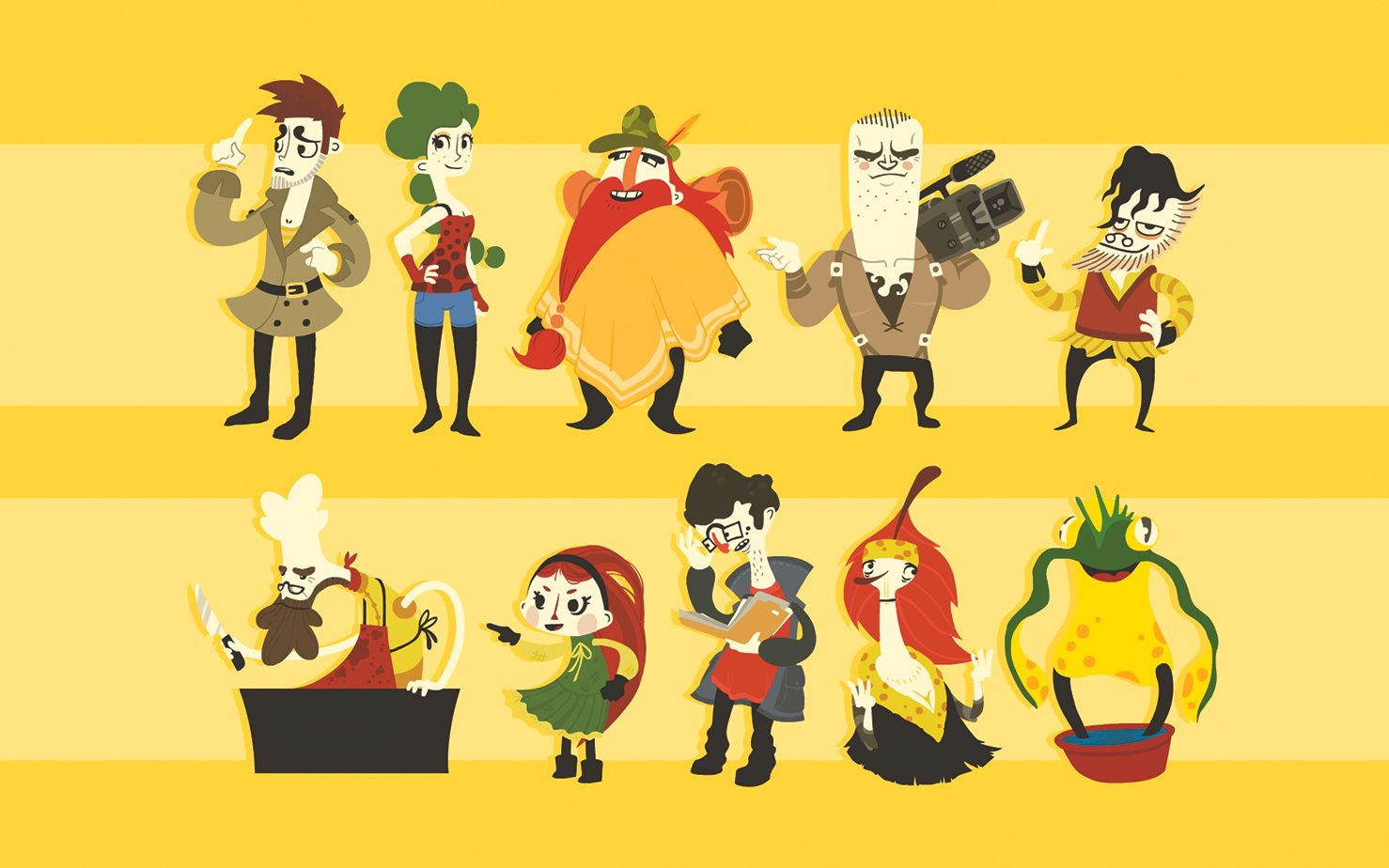
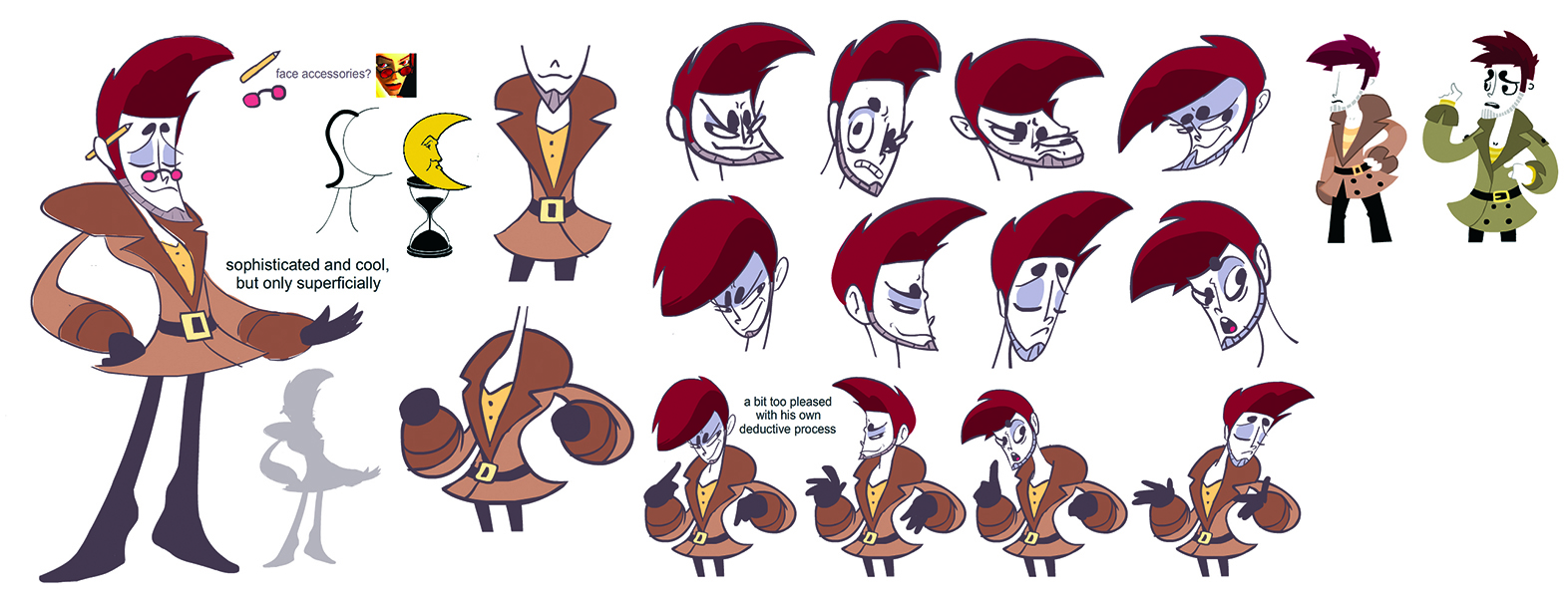
However, the game’s visual identity began to coalesce with a more deliberate aesthetic. "For Secret of the Swamp, the characters suddenly had this style with pure white skin, as I really wanted the characters to be cleanly visible against the backdrop," Vian explains. This stylistic choice was directly inspired by the visually striking and famously unfinished animated film, The Thief and the Cobbler. "I think that was influenced by The Thief and the Cobbler, a famously unfinished film by Richard Williams."
Furthermore, Vian was deeply impressed by the work of Genndy Tartakovsky, the visionary behind Dexter’s Laboratory and Samurai Jack. "I was also really inspired by Genndy Tartakovsky… His philosophy is that a good shape is good character design, and that’s all it is," Vian notes. This principle heavily influenced the character designs in Secret of the Swamp, leading to more exaggerated and abstract forms. "So I really tried to push the shape of the characters, they’ll be big, long, thin, heads up here and mouths down here, and all over the place." This bold approach to character design, characterized by striking silhouettes and distinctive proportions, set the stage for the series’ unique visual appeal.
The development of Secret of the Swamp also marked the crucial introduction of Catherine Unger to the SFB Games team. "I also met amazingly talented artists, namely Catherine Unger, who came on board to work on every Grimoire game since," Vian shares. "Not only is she a fantastic artist, but she’s so useful to have around during pre-production." Unger’s contribution, particularly her background art, would become an integral part of the series’ aesthetic. Vian highlights her role as a sounding board and collaborator: "I basically use her as a sounding board all day, every day, on ideas, and then we’ll bash them out together. That’s a really healthy thing. Not only is she bringing her own ideas, but she’s providing me with someone to bounce ideas off all the time."
Evolution and Refinement: Tangle Tower and a Mature Aesthetic
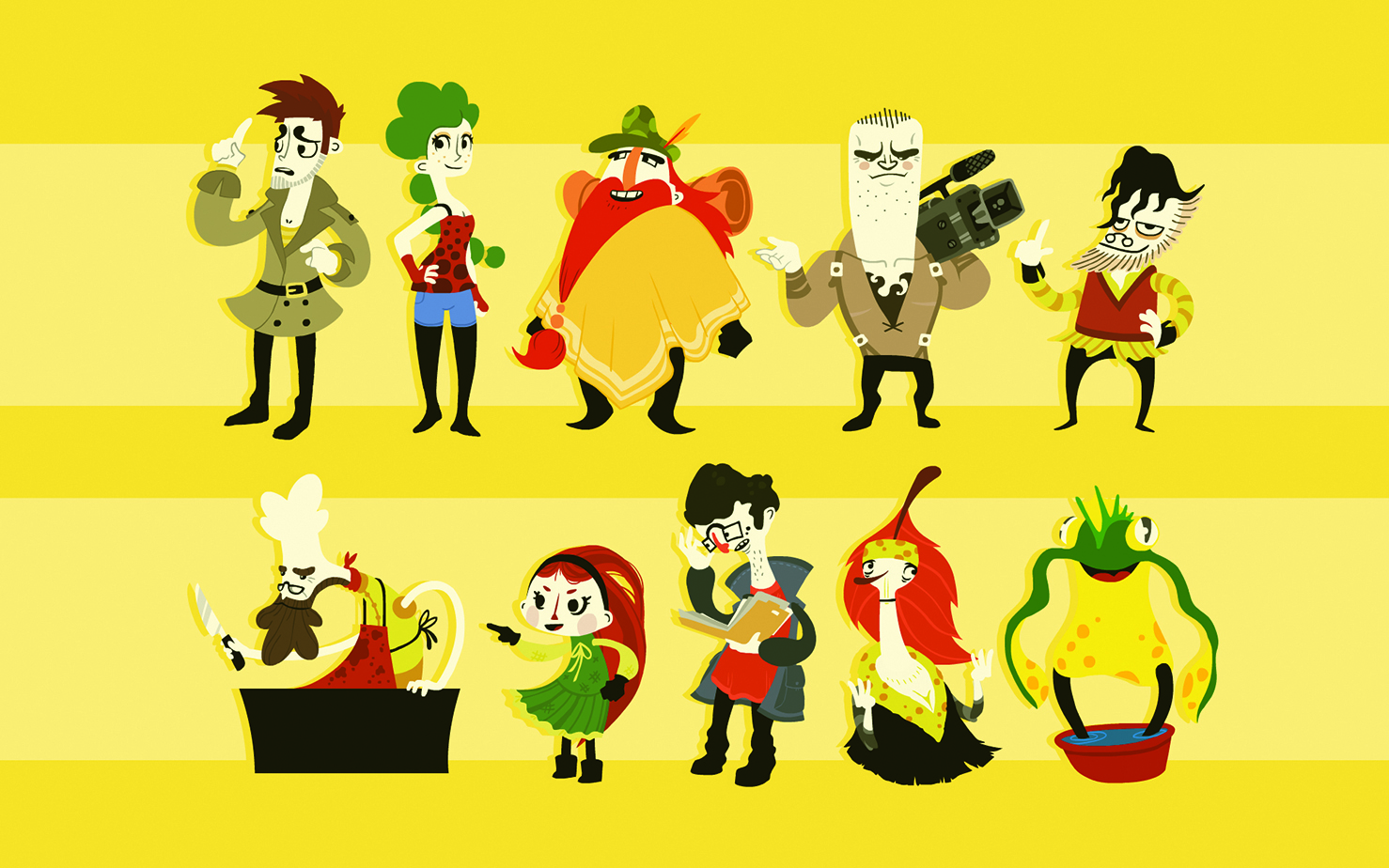
The evolution of the Detective Grimoire series continued with Tangle Tower. As Vian and Unger’s artistic sensibilities matured, they revisited the visual style established in Secret of the Swamp. "When we did Tangle Tower, Catherine and I got better at art, and we felt Secrets of the Swamp had aged, so we started again, designing Grimoire with more colour, rounded the edges a bit, made it more blobby, soft, and cartoony," Vian explains.
This shift represented a conscious effort to create a more cohesive and polished visual experience. While the core principles of strong shape language and distinct character design remained, the execution became softer and more inviting. The introduction of more vibrant color palettes and rounded forms contributed to a more approachable and inviting atmosphere. The collaboration with Unger deepened, with her background art playing a significant role in establishing the mood and atmosphere of each environment.
Embracing the Future: The Mermaid Mask and the Fusion of 2D and 3D
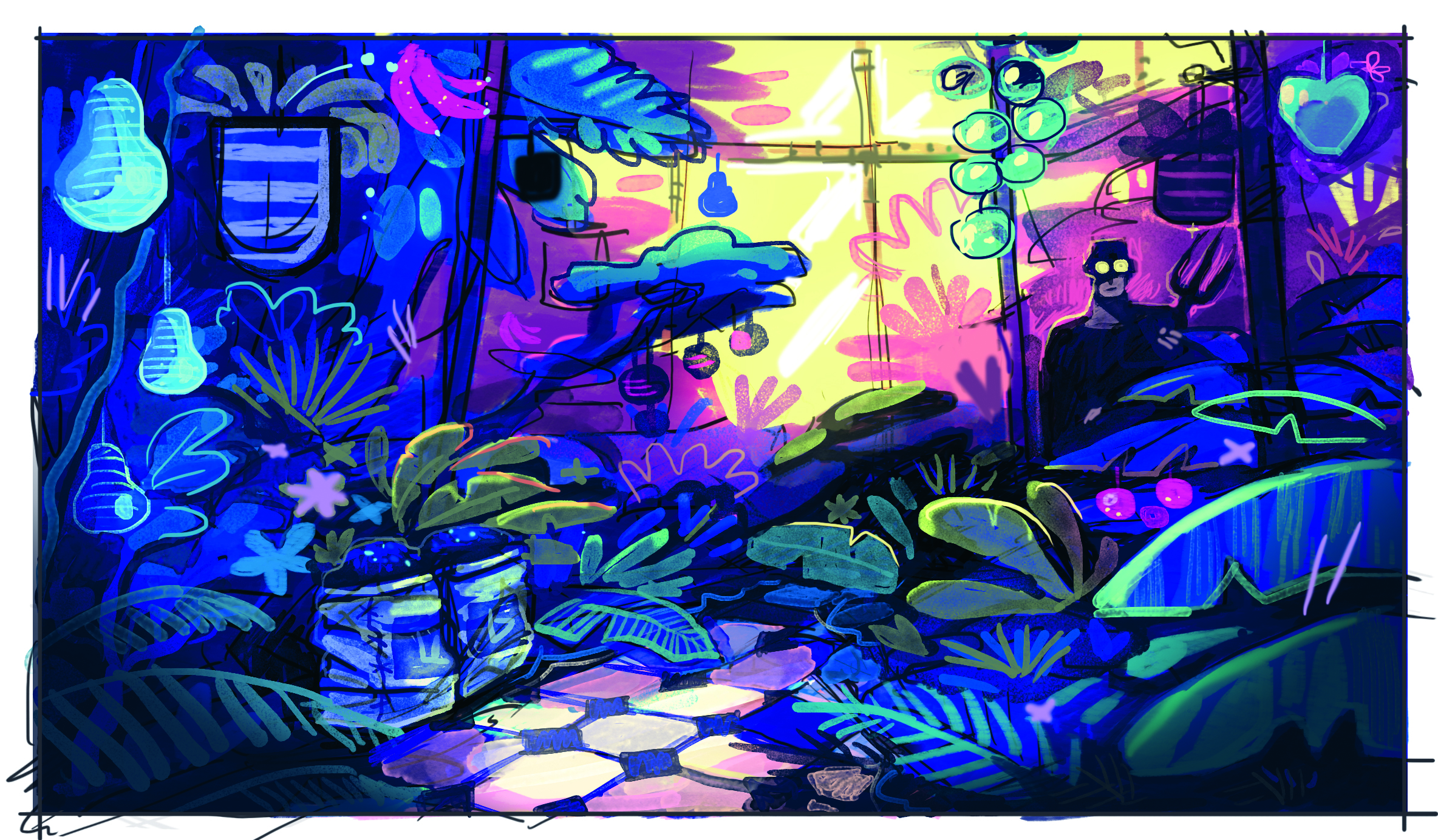
With the upcoming release of The Mermaid Mask, SFB Games has taken another bold step in its artistic evolution, seamlessly integrating 3D elements into the series’ beloved hand-drawn 2D aesthetic. This decision was driven by both a desire for visual innovation and a practical need to enhance gameplay mechanics. "There were a couple of artists online who posted 3D fan art of Catherine’s personal artwork, turning her painting style into 3D," Vian recalls. "We looked at those and were like, that’s so cool."
The primary motivation for incorporating 3D, however, was to make the game’s clues more interactive and engaging. "It was also born out of a desire to make the clues more interesting. In Tangle Tower, they’re just one drawn picture, and that’s it. But wouldn’t it be more fun if you could look behind it, or if it’s a book, wouldn’t you want to open it?"
To achieve this, SFB Games enlisted the talents of 3D artist Kindra Dantone, who proved adept at replicating Unger’s distinctive painting style. "We found a 3D artist called Kindra Dantone, and they matched Catherine’s style exactly," Vian states. The collaborative process involved Unger creating the initial concept art for clues, which Dantone would then translate into 3D models. "So Catherine would paint the clue up to the final concept phase, and then Kindra would model it and paint a texture to match what Catherine would have painted."
The final flourish came through proprietary technology developed by Tom Vian. "The final step is that Tom has programmed a bit of tech art that dynamically generates a coloured outline around the edge of the model, which is what it would have looked like if Catherine painted it, with a dynamic wobble to look like a brushstroke." This intricate process ensures that the 3D elements feel organically integrated into the hand-drawn world, preserving the series’ artistic integrity while offering a new layer of interactivity. "I really think the 3D clues are the big selling point in the game because there’s so much juice in them," Vian enthuses. "It’s a lot more like an interactive video game where you get a lot more hands-on rather than like a visual novel."
The Collaborative Crucible: Art Direction and Teamwork
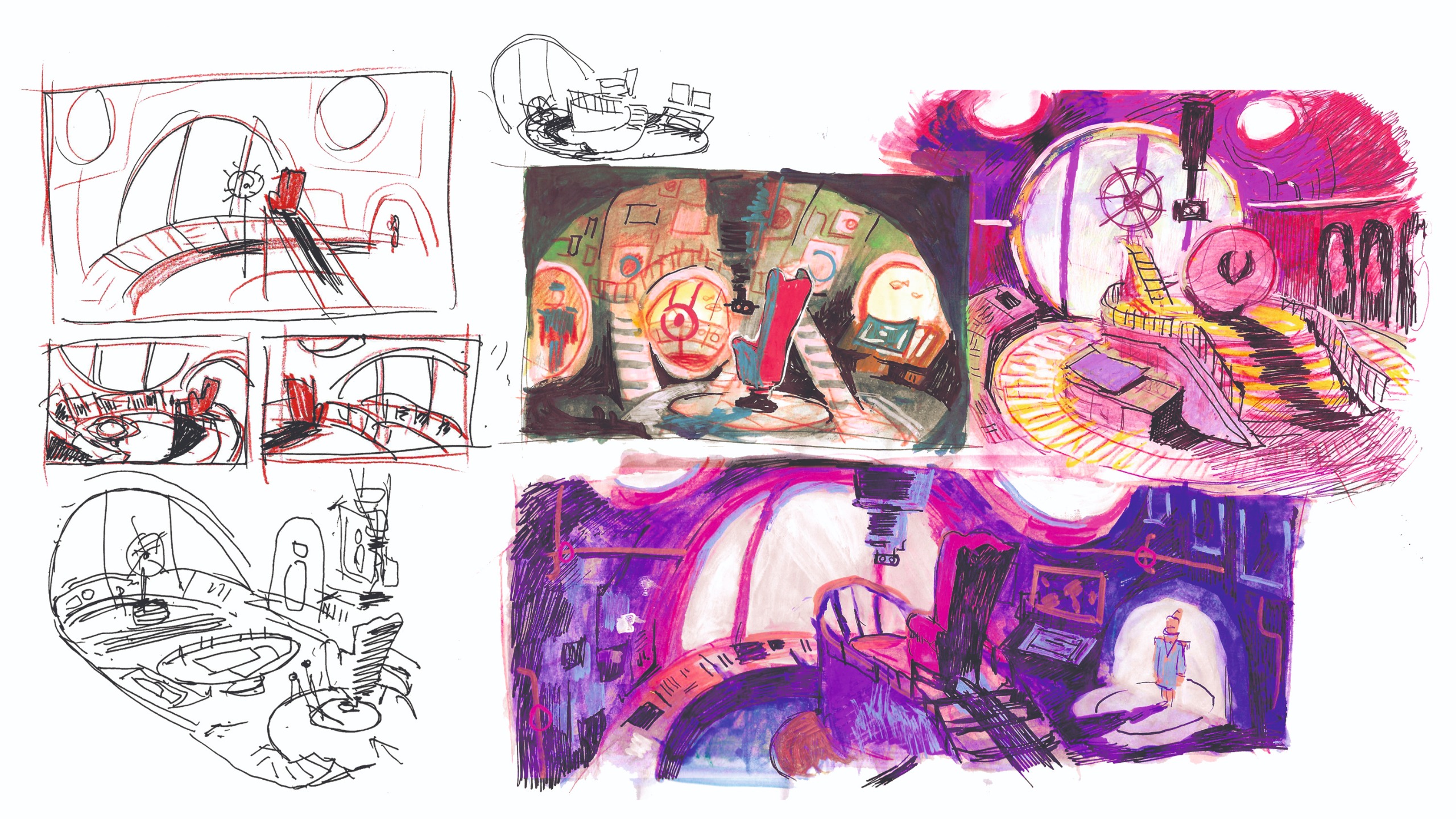
The development of the Detective Grimoire series is a testament to effective collaboration, particularly in the realm of art direction. Vian emphasizes the crucial pre-production phase where world-building, narrative, and character design are meticulously crafted. "The Grimoire games have this long pre-production phase where we’re designing the world, we’re designing the story, we’re designing the characters, and we’re designing the clues, and it takes a long time, and a lot of iteration."
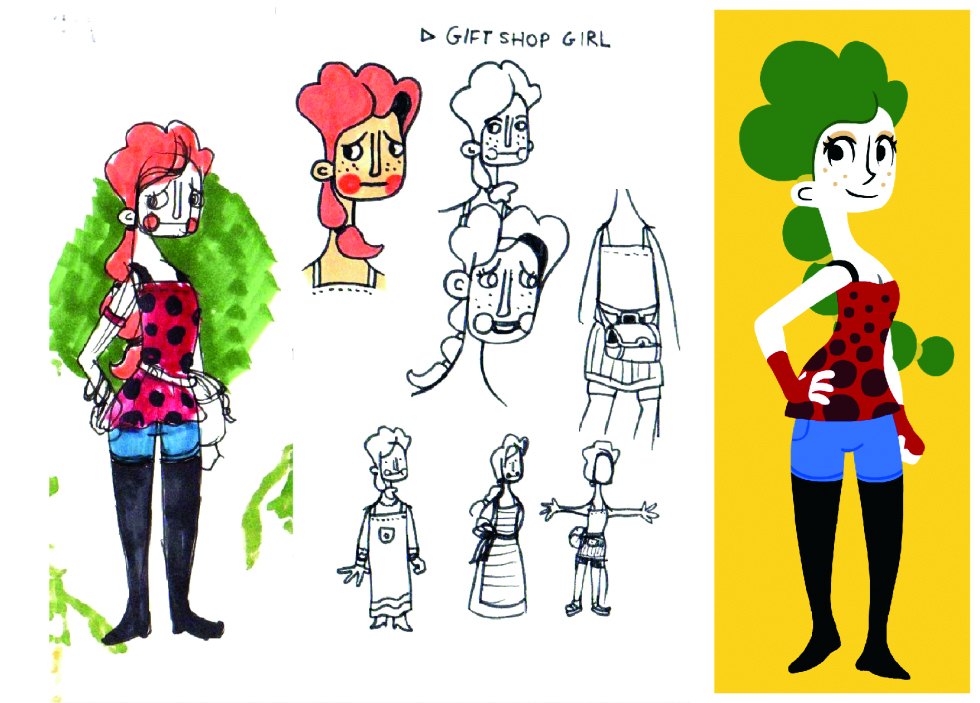
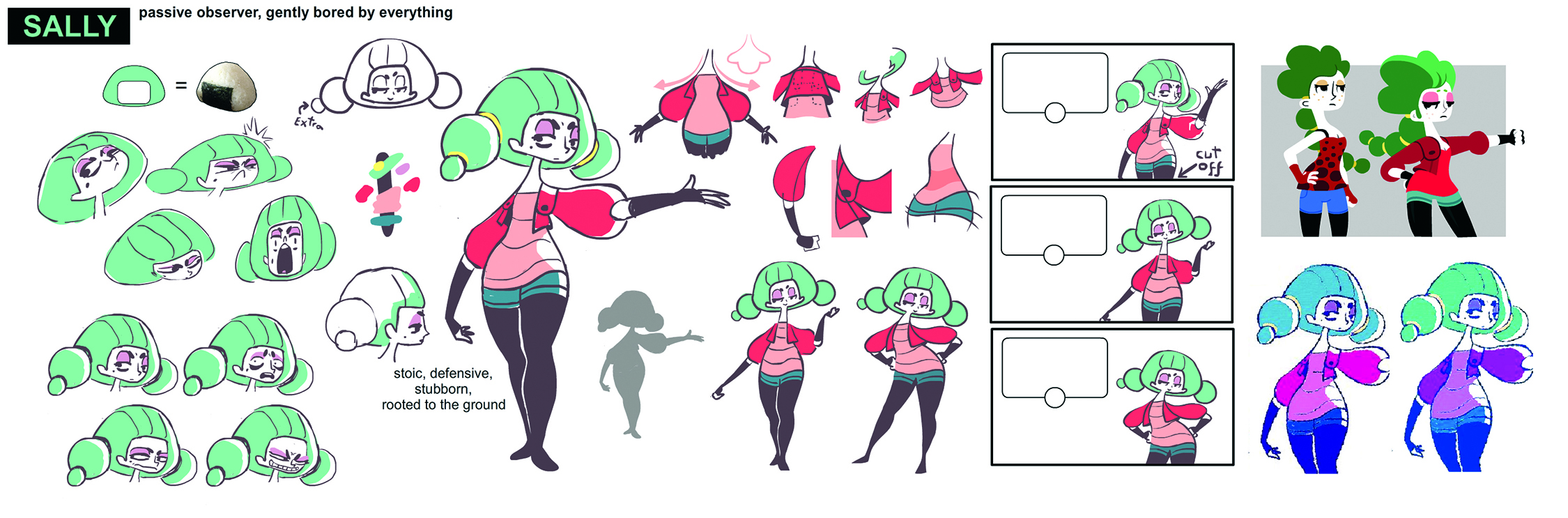
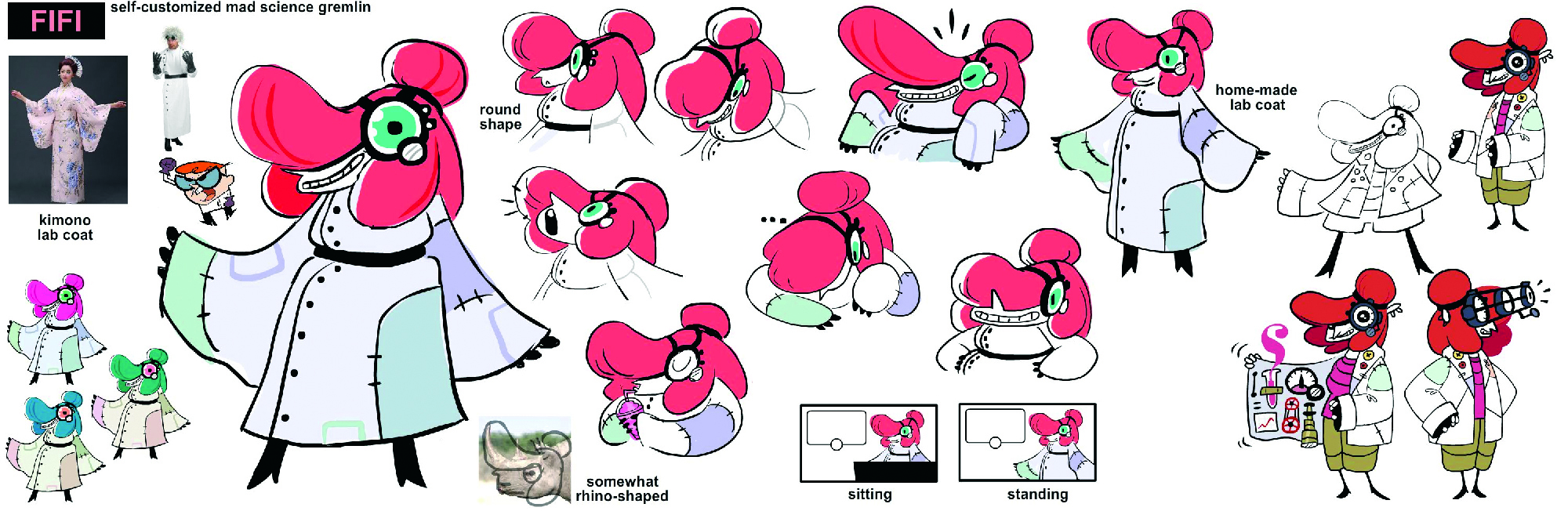
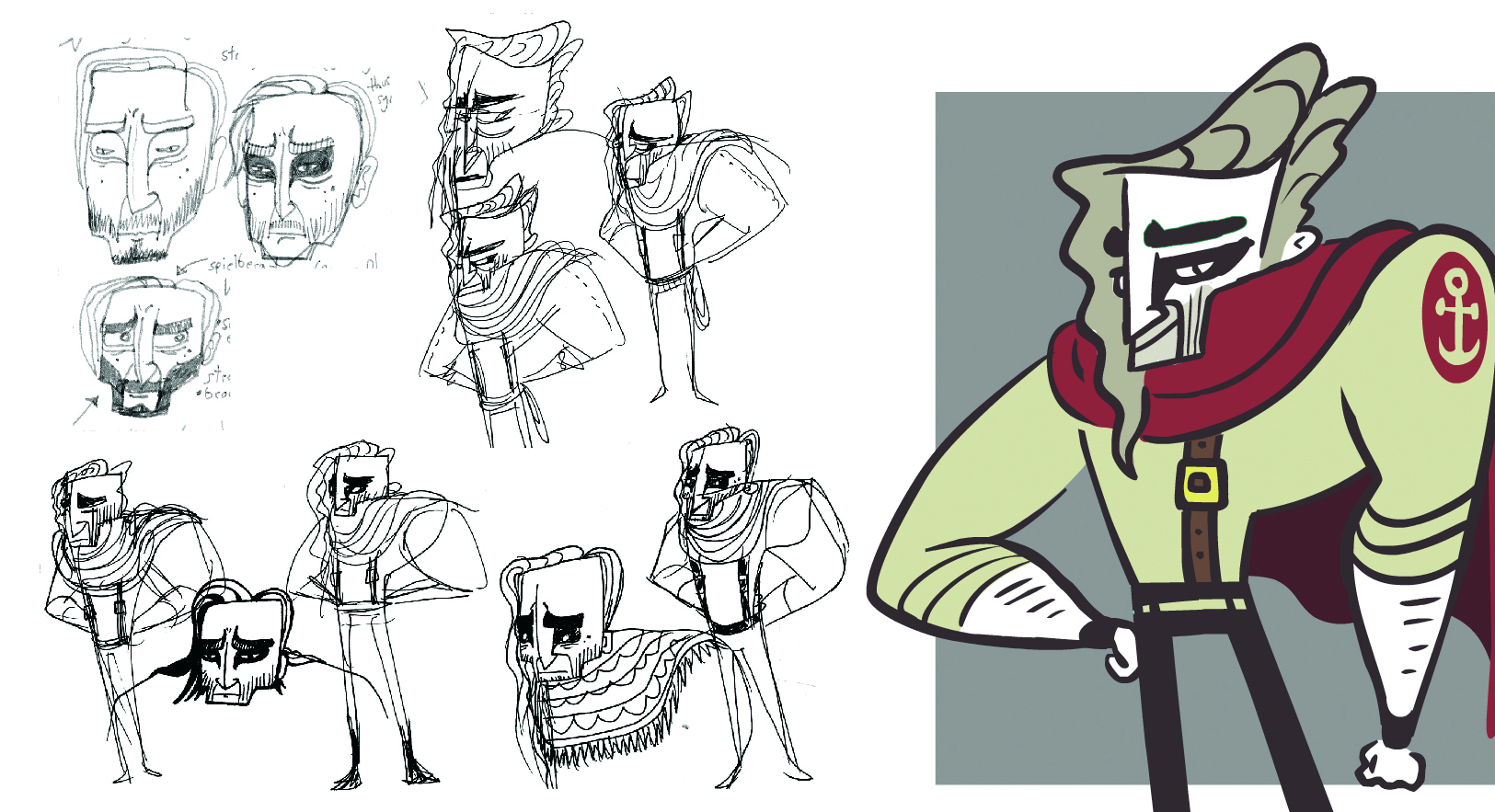
This iterative process involves a back-and-forth between key artists, fostering a shared vision. "We’ll start with a vague location and basic ideas, then Catherine and I will start sketching what we think someone might look like, and we just draw loosely," Vian explains. The process of character creation for The Mermaid Mask involved an intriguing method of independent ideation followed by collaborative refinement. "For this game in particular, we both independently went away to draw our idea of what the character would look like and didn’t show each other until we have both done at least one drawing." This approach encourages individual creativity while ensuring that the final designs are a synthesis of multiple perspectives.
The animation team also plays a vital role in shaping the characters’ visual identity. "Then the animator, Charlotte Harris, also draws the characters a lot because she has to work out how they’ll look when they move, and what they look like from the side." This practical consideration ensures that characters are not only visually appealing but also functionally animated. "We had to basically design each character with a full range of emotion. How do they look when they blink? What do their teeth look like? The kind of body language they might have is so much that goes into the process of designing the characters because you end up staring at them for most of the game, so they have to be really complete and good." This meticulous attention to detail ensures that the characters feel alive and expressive, even within the stylized confines of the game’s art.
Advice for Aspiring Game Artists: Embrace the Journey
For emerging artists eager to carve their niche in the game development industry, Adam Vian offers pragmatic and invaluable advice, drawing directly from his own extensive experience. "I made lots of small games really quickly. That was the Flash game scene," he states. He then draws a parallel to the current landscape. "An equivalent today might be making something in Unity, then putting it on itch.io for free. If you can make it so it’s playable in the browser, you can link your friends to it on social media and they can play it and leave a review."
The core of Vian’s advice centers on the critical importance of completion. "The best thing you can do to gain experience is to actually finish a project, because finishing something – getting it ready for release – is half the battle," he emphasizes. He advocates for a measured approach to scope, warning against the common pitfall of overambition. "So if you pick a small project, you get to that phase quicker and you actually experience it. The worst mistake is making your magnum opus too early and never finishing it."
Vian elaborates on the detrimental effects of unchecked ambition: "There are lots of people who have grand ideas, like making an open-world RPG, and it never ever gets made because they didn’t have the skills, then they become frustrated and disappointed." By focusing on smaller, achievable projects, aspiring developers can build their skills, gain practical experience, and develop the crucial habit of seeing a project through from conception to completion. This iterative process, much like the evolution of the Detective Grimoire series itself, is the most effective path to mastery and professional success in the dynamic world of game art and development.
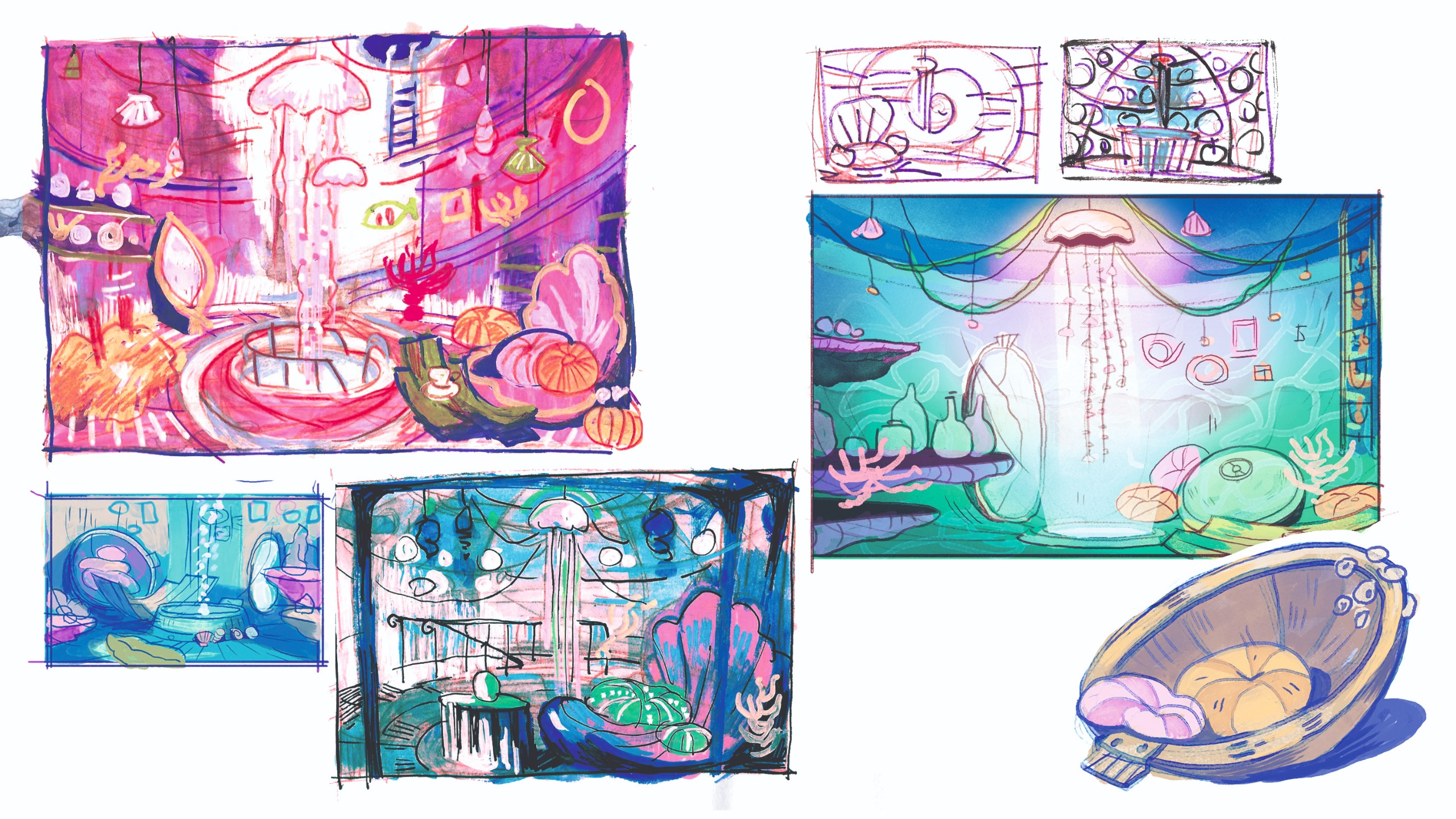
Detective Grimoire’s latest murder mystery, The Mermaid Mask, is out now on PC, PlayStation 5, and Nintendo Switch.