DC’s Clayface Film Campaign Ignites the Internet with Visceral, Handcrafted Horror
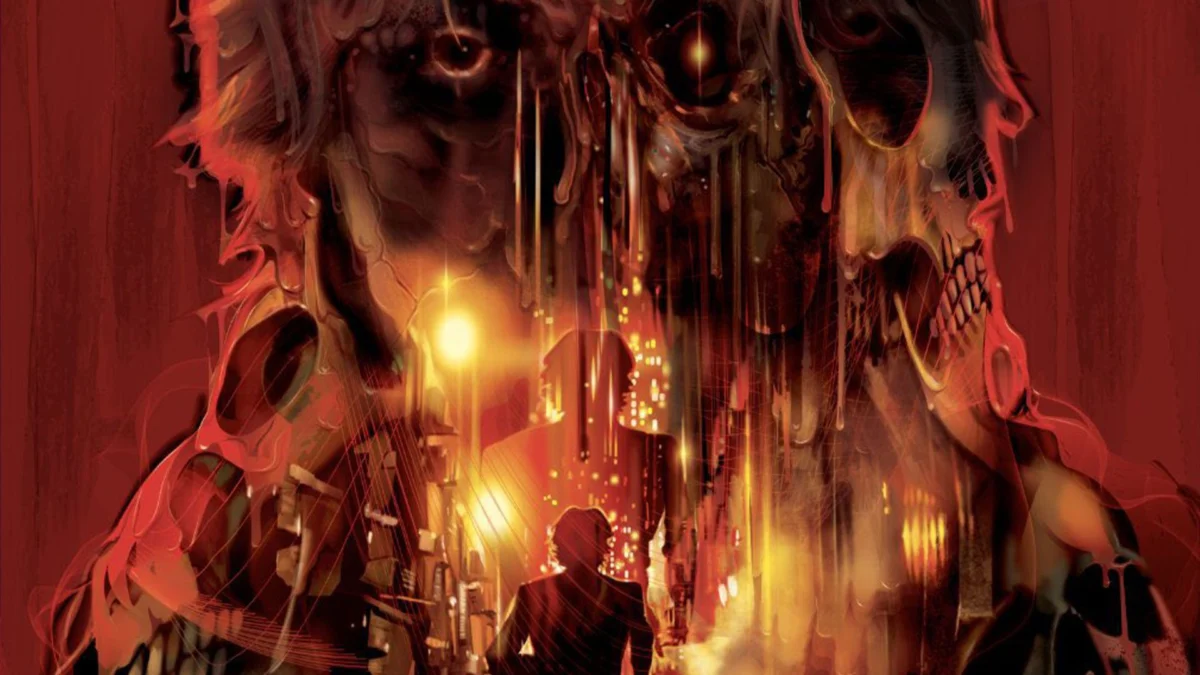
The much-anticipated DC film focusing on the shape-shifting villain, Clayface, is generating significant buzz, not just for its promising cinematic potential, but for a marketing campaign that has captivated audiences with its chillingly effective and artistically rich visuals. The recent unveiling of a new movie poster, in particular, has become a focal point, lauded for its intricate design and a visceral horror that eschews modern minimalist trends.
The digital landscape has been abuzz with discussions surrounding DC’s upcoming foray into the world of Clayface. This project, initially met with a mixture of curiosity and anticipation, has rapidly ascended to the forefront of comic book movie discourse, largely propelled by a marketing strategy that has been described as "terrifyingly brilliant." From the unsettling atmosphere established by its initial trailer to a series of deeply disturbing and artistically compelling movie posters, the Clayface film has already garnered a substantial outpouring of praise from a fanbase eager to witness this iconic, malleable villain brought to life on the big screen.
While the entirety of the campaign has been met with enthusiasm, a newly released poster has emerged as a particular standout, a testament to the power of handcrafted artistry in an era often dominated by more conventional approaches. This particular piece is not merely a visual representation; it is a deeply evocative work of art that manages to be both strangely beautiful and profoundly unsettling. Its intricate detail and the raw, visceral horror it conveys serve as a powerful argument against the notion that movie poster design must be confined to minimalist aesthetics or the ubiquitous "floating heads" trope. This artwork has single-handedly reignited conversations about the artistic merit and narrative potential inherent in effective film marketing.
A Masterpiece of Digital Craftsmanship: Orlando Arocena’s Vision
The striking new poster for DC’s Clayface film is the brainchild of acclaimed digital artist Orlando Arocena. In a move that has resonated deeply with fans and industry professionals alike, Arocena has unequivocally stated that the artwork was meticulously crafted using "Adobe Illustrator, NOT AI." This clear and emphatic declaration has become a significant talking point, serving as a powerful counterpoint to the growing prevalence of artificial intelligence in creative fields. Arocena’s commitment to traditional digital illustration methods highlights a dedication to artistic integrity and the unique human touch that elevates his work.
The design itself is a masterful depiction of Clayface’s terrifying essence. It features a looming silhouette of the villain, captured in a multitude of warped and melting forms, evoking a sense of perpetual transformation and existential dread. Cascading drips of his amorphous face rain down upon a stylized cityscape, creating a dynamic and unsettling visual narrative. This is further amplified by sharp, jagged shards of red and yellow light that slice through the backdrop, lending an unmistakably menacing and threatening atmosphere to the entire composition. The interplay of light and shadow, combined with the fluid, distorted rendering of Clayface, creates a visual language that speaks directly to the character’s chaotic and destructive nature.
Adding another layer of profound darkness to the design are subtle yet potent skull motifs. These macabre elements are not merely superimposed; they appear to organically merge and dissolve into the edges of the artwork, as if they are an intrinsic part of Clayface’s very being. The distinction between bone and flesh blurs, contributing to the visceral horror that the image so effectively conveys. This deliberate integration of unsettling imagery serves to underscore the psychological terror associated with the character, hinting at a depth of horror that extends beyond mere physical transformation.
The online reaction to Arocena’s poster has been overwhelmingly positive, with social media platforms serving as conduits for widespread admiration. One Instagram commenter aptly described the artwork as "so haunting…absolutely incredible!!," capturing the profound emotional impact of the piece. Another user echoed this sentiment, exclaiming, "Woahhhhhh! Best posters I have seen in a longggg time," a testament to its ability to stand out in a crowded media landscape. These enthusiastic endorsements underscore the poster’s success in not only attracting attention but also in genuinely impressing viewers with its artistic merit and thematic resonance.
Thematic Resonance: More Than Just a Villain
The marketing campaign for DC’s Clayface film appears to be delving into the psychological complexities and inherent horror of its titular character, transcending the typical portrayals of comic book villains. Unlike characters who often possess a singular, identifiable threat, Clayface represents a more primal and unsettling form of terror: the loss of self, the malleability of identity, and the grotesque nature of uncontrolled change. The visual language employed in the campaign, particularly in the posters, seems to actively embrace these themes, transforming what could be a straightforward monster movie into something far more disturbing and thought-provoking.
The "warped, melting horror" depicted in Arocena’s poster is not merely aesthetic; it is a direct visual metaphor for Clayface’s internal struggle and his destructive impact on the world around him. His inability to maintain a stable form can be interpreted as a symbol of instability, chaos, and the breakdown of order. The dripping effect suggests a constant state of decay and dissolution, hinting at a character who is perpetually on the verge of losing himself entirely, or worse, consuming everything in his path. This emphasis on internal turmoil and existential dread suggests that the film may explore the tragic aspects of Clayface’s origin and his battle with his own monstrous nature, potentially offering a more nuanced and sympathetic portrayal than audiences might initially expect.
The integration of skull motifs further amplifies this sense of dread and mortality. By merging bone and flesh, the design suggests that Clayface is not just a creature of mud and water, but something that embodies death and decay. This can be seen as a reflection of his destructive capabilities, his power to literally absorb and dissolve his victims. The organic merging of these elements creates a disturbing visual harmony, implying that the monstrous is intrinsically linked to the very fabric of life and death for Clayface. This artistic choice suggests a film that will not shy away from the darker, more unsettling aspects of the character, promising a cinematic experience that is both visually striking and thematically rich.
The campaign’s success in generating such fervent discussion is a testament to its understanding of the character’s potential. In an era where many superhero films opt for safe, universally appealing marketing, the Clayface team has embraced the inherent darkness and potential for body horror associated with the villain. This bold approach risks alienating some audiences but has clearly resonated with those who appreciate a more mature and artistically ambitious take on the superhero genre. It signals a potential shift towards films that leverage the unique characteristics of their villains to explore deeper, more unsettling themes, thereby elevating the genre beyond simple good-versus-evil narratives.
A Chronology of Anticipation: Building the Buzz
The journey from the initial announcement of a DC Clayface film to the current fervor surrounding its marketing campaign has been a gradual yet impactful process. While specific production timelines and early concept reveals are often kept under wraps by major studios, the public’s awareness of a Clayface project has been steadily building.
-
Initial Rumors and Speculation: Whispers of a Clayface film began to circulate within fan communities and entertainment news outlets years ago. These early discussions, often based on industry insider leaks or wishful thinking, laid the groundwork for the eventual official confirmation. The character’s unique abilities and terrifying potential made him a highly anticipated choice for a solo venture.
-
Official Confirmation and Early Development: While an exact date for the official greenlighting remains unconfirmed, it is understood that DC Films and Warner Bros. have been exploring a Clayface-centric project for a considerable period. The focus on this particular villain suggests a strategic move to diversify the cinematic universe and explore characters with less mainstream recognition but significant thematic depth.
-
Trailer Release: Setting the Tone: The unveiling of the first official trailer served as a pivotal moment in the campaign. This initial glimpse into the film’s world likely established the tone and visual style, hinting at the horror and psychological elements that would become hallmarks of the marketing. Trailers of this nature are meticulously crafted to intrigue without revealing too much, leaving audiences with a sense of unease and a hunger for more.
-
The Poster Campaign: A Masterclass in Visual Storytelling: The subsequent release of a series of movie posters has been instrumental in escalating the anticipation. Each poster has seemingly aimed to outdo the last in terms of artistic merit and unsettling imagery. The decision to employ a diverse range of artistic styles, from the more abstract to the deeply detailed, has kept the campaign fresh and engaging. The recent focus on Orlando Arocena’s handcrafted illustration represents the culmination of this strategy, offering a definitive visual statement that encapsulates the film’s artistic ambition.
-
Online Engagement and Fan Reaction: Throughout this period, social media platforms and fan forums have been alive with discussions, theories, and reactions to every piece of marketing material released. The overwhelming positive response to the posters, in particular, demonstrates the campaign’s success in resonating with its target audience and generating genuine excitement. This organic buzz is a crucial component of modern film marketing, as engaged fans become powerful advocates for the project.
This carefully orchestrated rollout has effectively built a narrative of anticipation, positioning the Clayface film not just as another superhero movie, but as a potential artistic statement within the genre.
Supporting Data: The Power of Visual Marketing
The success of the Clayface film’s marketing campaign can be analyzed through several key metrics and observations, demonstrating the effectiveness of its artistic and thematic choices. While precise data on campaign reach and impact is proprietary, the qualitative evidence and widespread online engagement offer substantial supporting evidence.
-
Social Media Virality: The rapid spread of images of the new Clayface poster across platforms like Twitter, Instagram, and Reddit is a clear indicator of its impact. The poster’s striking visuals and the artist’s explicit clarification about its AI-free creation have fueled significant sharing and discussion, extending its reach far beyond traditional advertising channels. Fan art inspired by the poster has also begun to emerge, further amplifying its presence.
-
Positive Fan Reception: As noted, comments and reactions from fans have been overwhelmingly positive. Phrases like "terrifyingly brilliant," "haunting," and "best posters I have seen in a longggg time" are recurring themes. This sentiment suggests that the campaign has successfully captured the imagination of the target audience and generated a strong emotional connection to the film. This level of enthusiastic endorsement is invaluable for word-of-mouth marketing.
-
Artistic Commendation: The praise for the poster’s handcrafted design and its departure from minimalist trends has garnered attention from design and art critics. This elevates the film’s marketing beyond mere promotion, positioning it as a piece of significant artistic achievement in its own right. Such commendation can attract a broader audience, including those who might not typically be drawn to superhero films.
-
Industry Buzz: The conversation surrounding the Clayface campaign has extended to industry publications and blogs, further solidifying its status as a notable marketing success. Articles discussing the poster’s artistry and the artist’s deliberate use of traditional digital tools contribute to a broader discourse about the value of human creativity in the digital age, indirectly benefiting the film’s profile.
-
Precedent for Thematic Depth: The campaign’s focus on psychological horror and the darker aspects of Clayface’s character sets a precedent for how comic book villains can be explored. This approach can attract viewers looking for more mature and thought-provoking cinematic experiences, differentiating the film from more conventional superhero fare. The success of this strategy suggests a potential audience appetite for such nuanced portrayals.
The collective impact of these factors indicates that the Clayface marketing campaign is not only generating buzz but is also effectively building anticipation by showcasing a film that promises to be visually stunning, thematically rich, and artistically ambitious.
Official Responses: Acknowledging the Artistry
While direct "official responses" from Warner Bros. or the film’s director regarding specific marketing materials are not always publicly disseminated in detail, the very act of approving and releasing such a distinctive campaign speaks volumes. The studio’s decision to embrace a visually daring and thematically complex marketing strategy for Clayface indicates a clear endorsement of the artistic direction and a belief in its potential to resonate with audiences.
The artist, Orlando Arocena, has been the primary voice addressing the creation of the now-famous poster. His direct statement, "Adobe Illustrator, NOT AI," serves as a crucial point of communication, not just about his personal process but also as a subtle commentary on the broader artistic landscape. This declaration has been widely shared and interpreted as a proud assertion of his craft and a deliberate stance against the increasing reliance on artificial intelligence in creative work.
The positive reception from fans and critics has, in turn, likely been noted by the studio. Such widespread acclaim for marketing materials can influence future promotional strategies and signal to filmmakers the audience’s receptiveness to bold artistic choices. The fact that the studio allowed such a visceral and artistically driven poster to represent the film suggests a willingness to take creative risks, a move that is often lauded by the filmmaking community and audiences alike.
Furthermore, the inclusion of links to other design-focused articles within the original piece, such as those on "best film posters" and "Laika’s Wildwood," indicates a deliberate editorial strategy to contextualize the Clayface poster within a broader conversation about exceptional design. This approach, while originating from the publication, aligns with the overall theme of artistic merit that the campaign itself embodies. It suggests that the marketing is being viewed not just as a promotional tool but as a significant artistic contribution worthy of broader discussion.
The "official response," therefore, is less about a specific press release and more about the strategic decisions made by the studio and the creative team involved. Their choice to champion Arocena’s handcrafted artwork, to emphasize its unique creation process, and to allow it to define the film’s initial public perception speaks to a confident and artistically driven approach to marketing. This tacit approval and subsequent amplification of the campaign’s success underscore a commitment to a vision that prioritizes artistic integrity and visual storytelling.
Implications: Shaping the Future of Comic Book Cinema Marketing
The marketing campaign for DC’s Clayface film, particularly the celebrated movie posters, carries significant implications for the future of comic book cinema marketing and the broader creative industry. Its success in generating widespread enthusiasm through a handcrafted, artistically driven approach offers valuable lessons and sets new benchmarks.
-
Rehabilitation of Handcrafted Artistry: In an era increasingly dominated by AI-generated content and minimalist design, the Clayface campaign, spearheaded by Orlando Arocena’s Adobe Illustrator masterpiece, serves as a powerful testament to the enduring value of human artistry. It demonstrates that intricate, detailed, and emotionally resonant artwork can still captivate audiences and stand out in a crowded marketplace. This success could inspire other studios to invest in and promote the work of human artists, fostering a renewed appreciation for traditional creative skills.
-
Embracing Thematic Depth in Marketing: The campaign’s willingness to lean into the visceral horror and psychological complexities of Clayface signals a shift towards marketing that engages with the deeper thematic elements of a film. Instead of solely relying on action-packed sequences or broad humor, this approach suggests that audiences are receptive to marketing that hints at a more mature and artistically ambitious narrative. This could encourage future productions to explore more nuanced and challenging themes in their promotional materials, thereby elevating the perception of the comic book genre.
-
The Power of Authenticity and Artist Voice: Arocena’s explicit declaration about using Adobe Illustrator and not AI resonated deeply with audiences and industry professionals. This emphasis on authenticity and the artist’s direct voice fostered a sense of trust and appreciation. In an age of skepticism regarding digital manipulation and the increasing presence of AI, highlighting the human element and the artist’s intent can create a more profound connection with viewers and generate goodwill.
-
Setting a New Standard for Visual Storytelling: The Clayface posters have transcended the typical function of movie marketing, becoming pieces of art in their own right. Their intricate details, unsettling imagery, and thematic depth have set a new standard for visual storytelling within film promotion. This could push other studios to be more experimental and ambitious with their poster designs, moving away from formulaic approaches and towards more unique and impactful visual narratives.
-
Potential for Genre Evolution: The success of a marketing campaign that embraces horror and psychological elements for a comic book character could pave the way for more genre-bending and daring cinematic explorations within the superhero space. It suggests that audiences are open to films that push boundaries and explore darker, more unconventional aspects of the comic book medium. This could lead to a broader range of stories being told and a more diverse and sophisticated cinematic landscape.
In conclusion, the Clayface film’s marketing campaign is more than just a successful promotional effort; it is a cultural moment that champions artistic integrity, embraces thematic complexity, and demonstrates the profound impact of authentic visual storytelling. Its implications are far-reaching, potentially influencing how films are marketed and how audiences perceive the artistic potential of comic book cinema for years to come.