The Architecture of Immersion: Optimizing Virtual Reality for High-Intensity Fitness
The transition of Virtual Reality (VR) from a niche gaming novelty to a legitimate pillar of the digital health industry has been rapid. As platforms like Meta’s Quest 3 and 3S become household staples, a new discipline has emerged: VR Fitness. However, the hardware designed for sedentary gaming often falters under the rigors of high-intensity interval training (HIIT), lateral movement, and the inevitable byproduct of physical exertion—heat.
To transform a standard headset into a professional-grade fitness tool, users are increasingly turning to a sophisticated ecosystem of third-party peripherals. This report explores the essential modifications required to bridge the gap between "gaming gear" and "athletic equipment," focusing on ergonomics, thermal management, and spatial awareness.
1. Main Facts: The Limitations of Stock Hardware
While the Meta Quest 3 is a marvel of engineering, its out-of-the-box configuration is optimized for general consumer use rather than the specific demands of a daily 45-minute cardio session. The primary challenges facing the VR athlete include:
- Weight Distribution: The "front-heavy" nature of standalone headsets creates neck strain during rapid head movements (ducking and weaving).
- Thermal Regulation: Enclosed facial interfaces trap heat, leading to lens fogging and skin irritation.
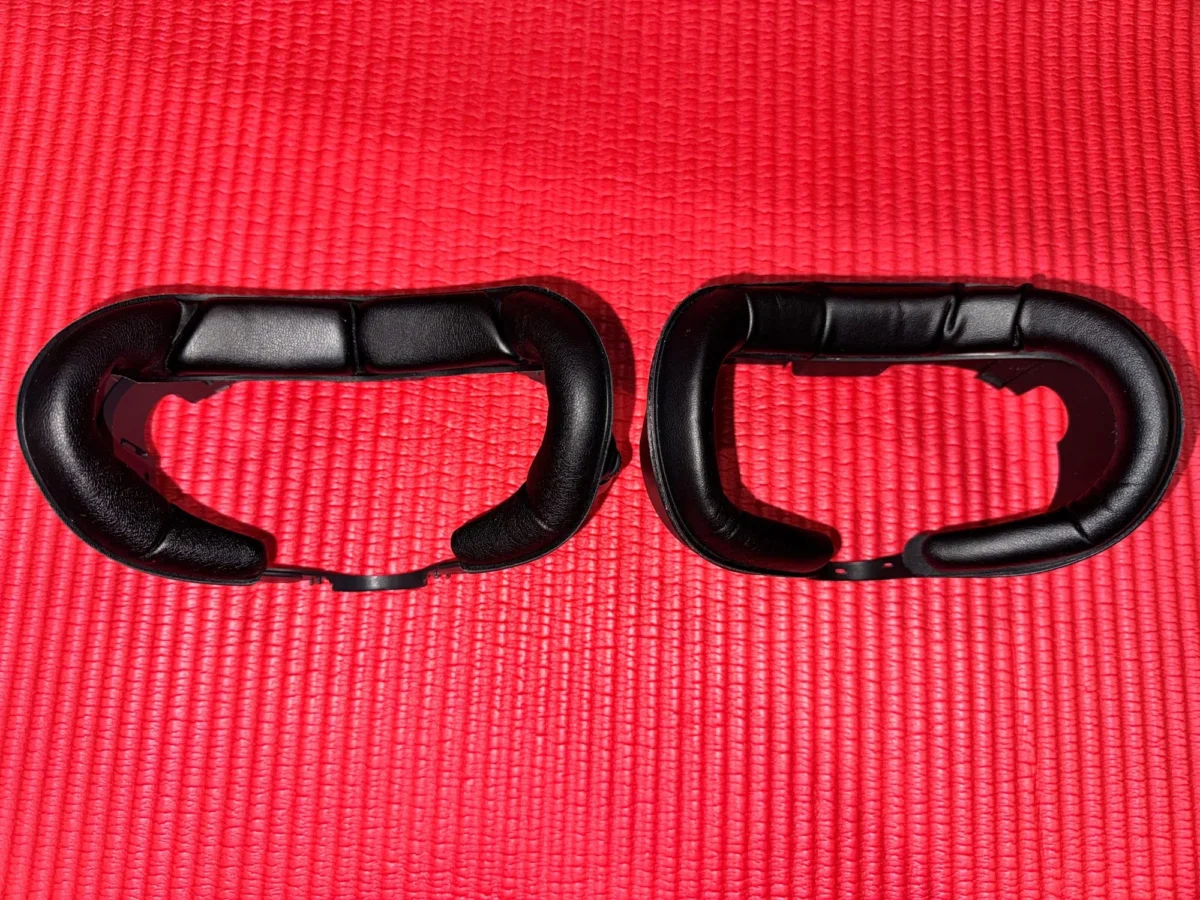
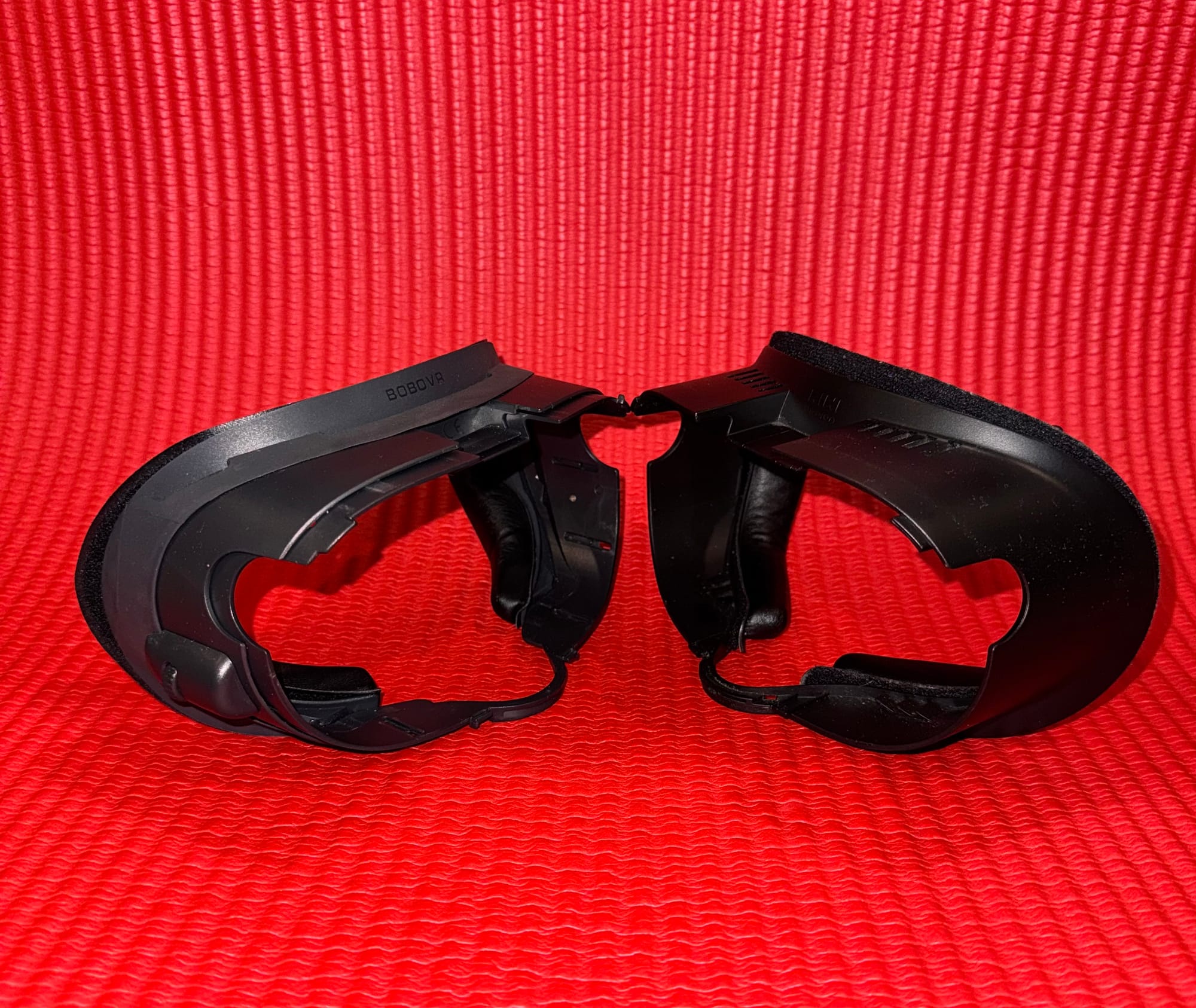
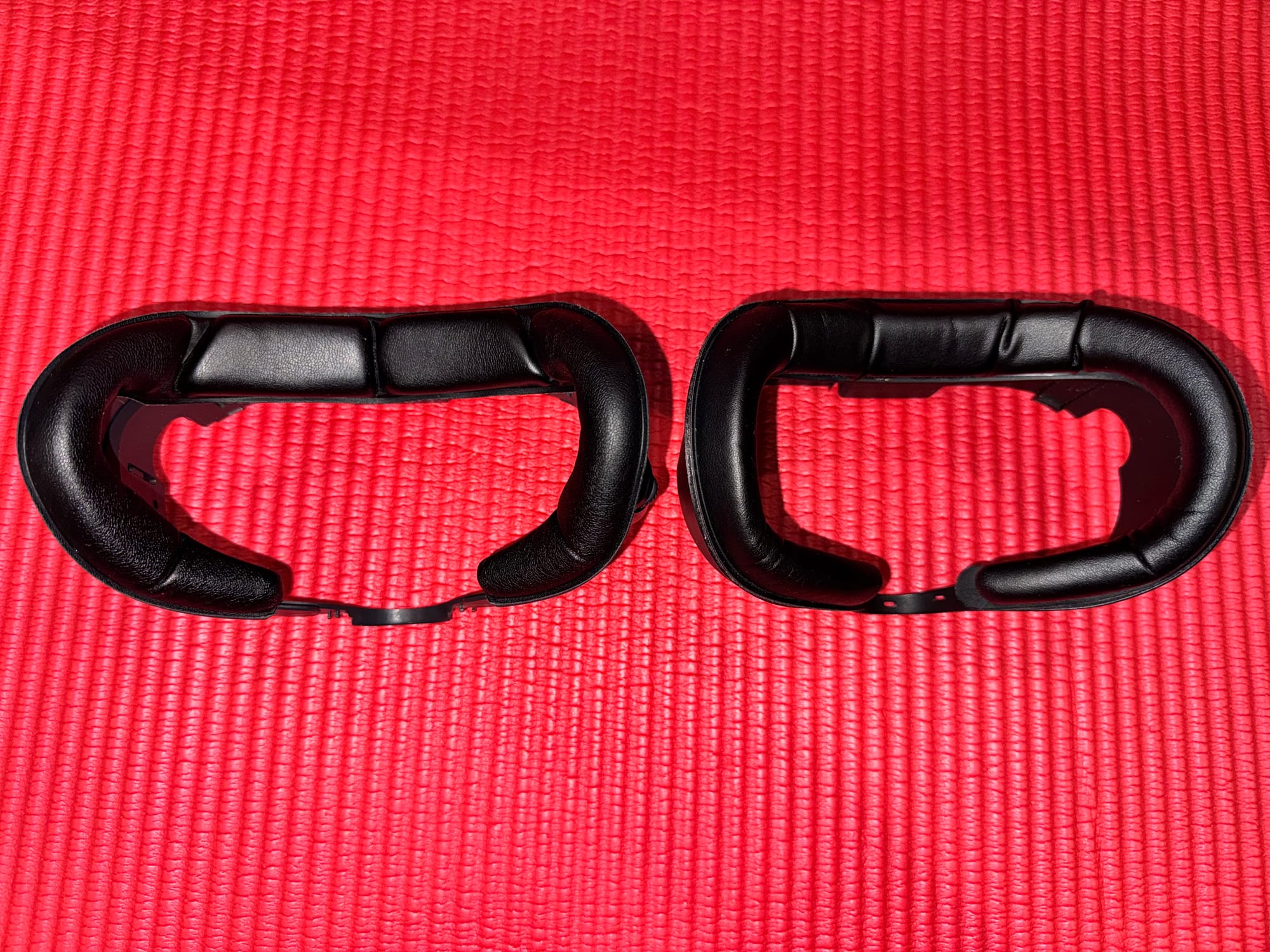
- Moisture Management: The standard fabric facial interface acts as a sponge for sweat, creating hygiene issues and potential damage to the internal optics.
- Control Security: Standard wrist straps do not allow for the "open-palm" movements required in yoga or Tai Chi, nor do they provide sufficient grip during high-velocity punching.
By integrating specific aftermarket solutions—ranging from knuckle grips and prescription inserts to counterbalanced head straps—users can mitigate these issues, significantly increasing both the safety and the longevity of their VR fitness routine.
2. Chronology: The Evolution of a VR Fitness Rig
The journey from a casual user to a dedicated VR athlete typically follows a distinct evolutionary path as the physical demands of the workouts increase.
Phase I: The Discovery (Months 1–2)
In the initial weeks, users typically rely on the stock Quest equipment. The primary focus is on software—exploring titles like Supernatural, FitXR, or Beat Saber. The first pain point encountered is usually the "flying controller" risk, leading to a reliance on the basic wrist tethers.
Phase II: The Ergonomic Realization (Months 3–6)
As workouts become more frequent, the "front-heavy" pressure on the forehead becomes a barrier to longer sessions. This is when most users invest in an "Elite" or "Halo" style head strap. Simultaneously, the hygiene issue of the fabric face pad becomes unavoidable, leading to the first purchase of a synthetic leather (PU leather) replacement.
Phase III: Professionalization (Year 1 and Beyond)
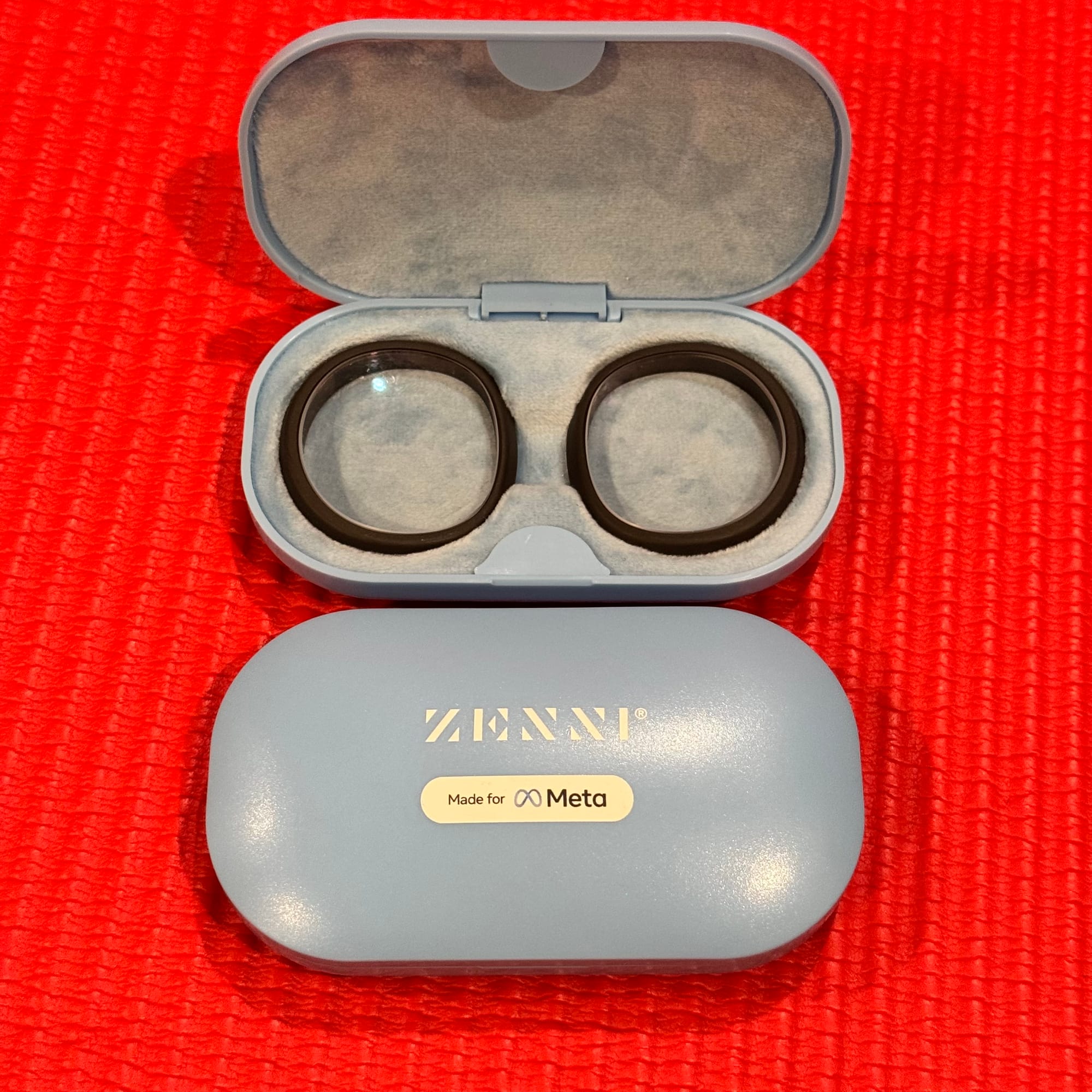
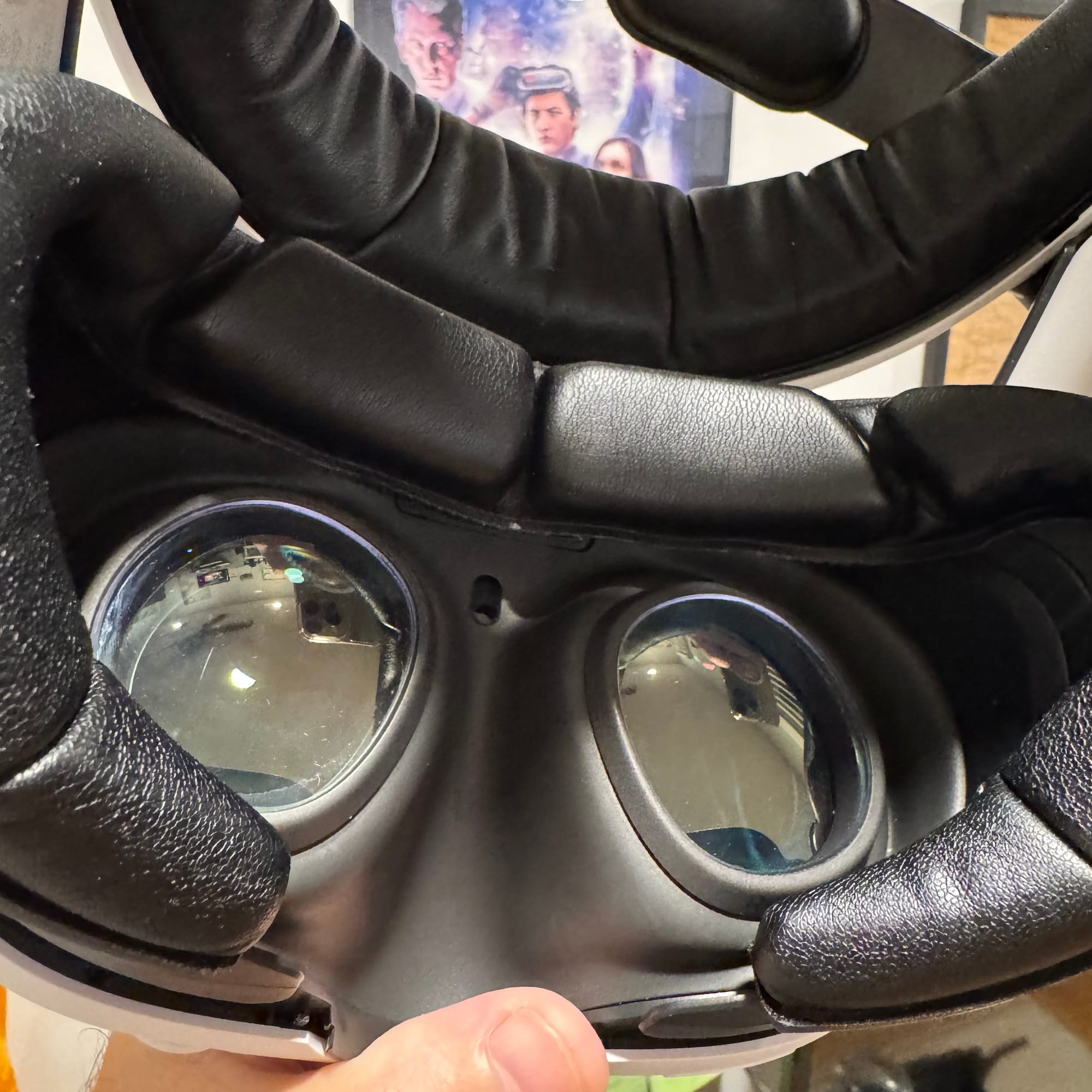
The dedicated athlete eventually seeks "frictionless" entry into the virtual space. This involves installing prescription lens inserts to eliminate the bulk of glasses and adopting specialized floor mats to maintain spatial orientation. The setup evolves into a "Franken-Quest"—a highly customized rig where almost every touchpoint with the human body has been modified for maximum efficiency and comfort.
3. Supporting Data: The Technical Solutions
Ergonomics and Weight: The Counterbalance Principle
The Quest 3 carries its processor, battery, and optics at the front. During a workout, this creates a lever effect on the neck.
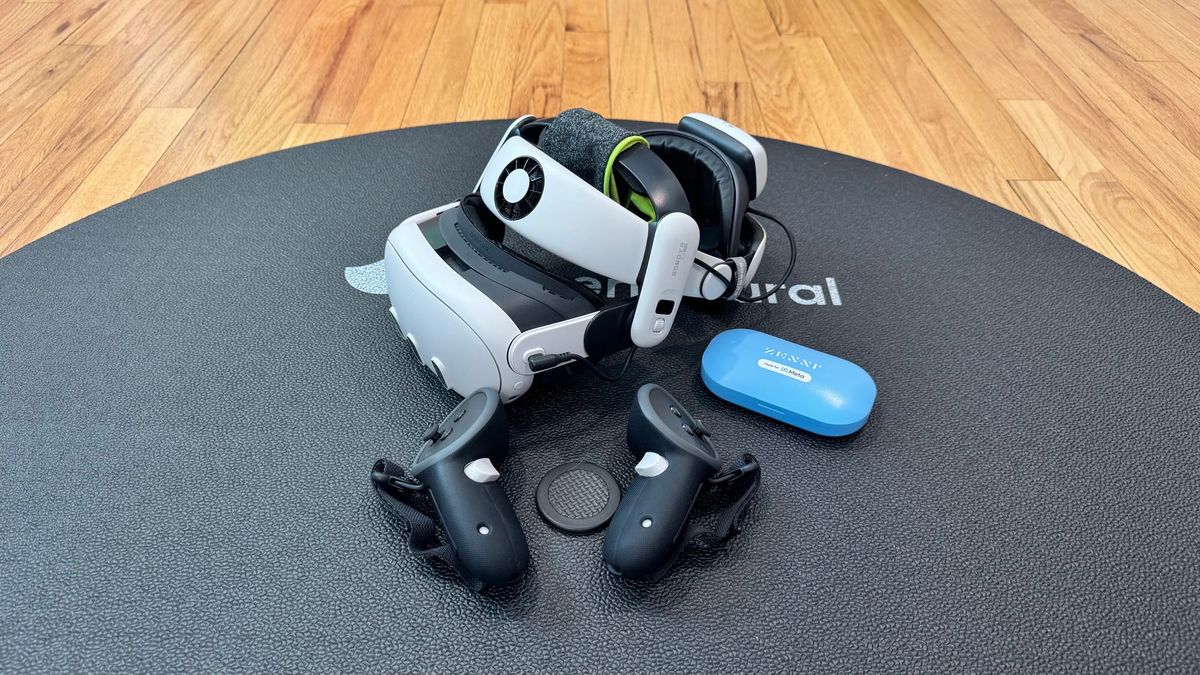
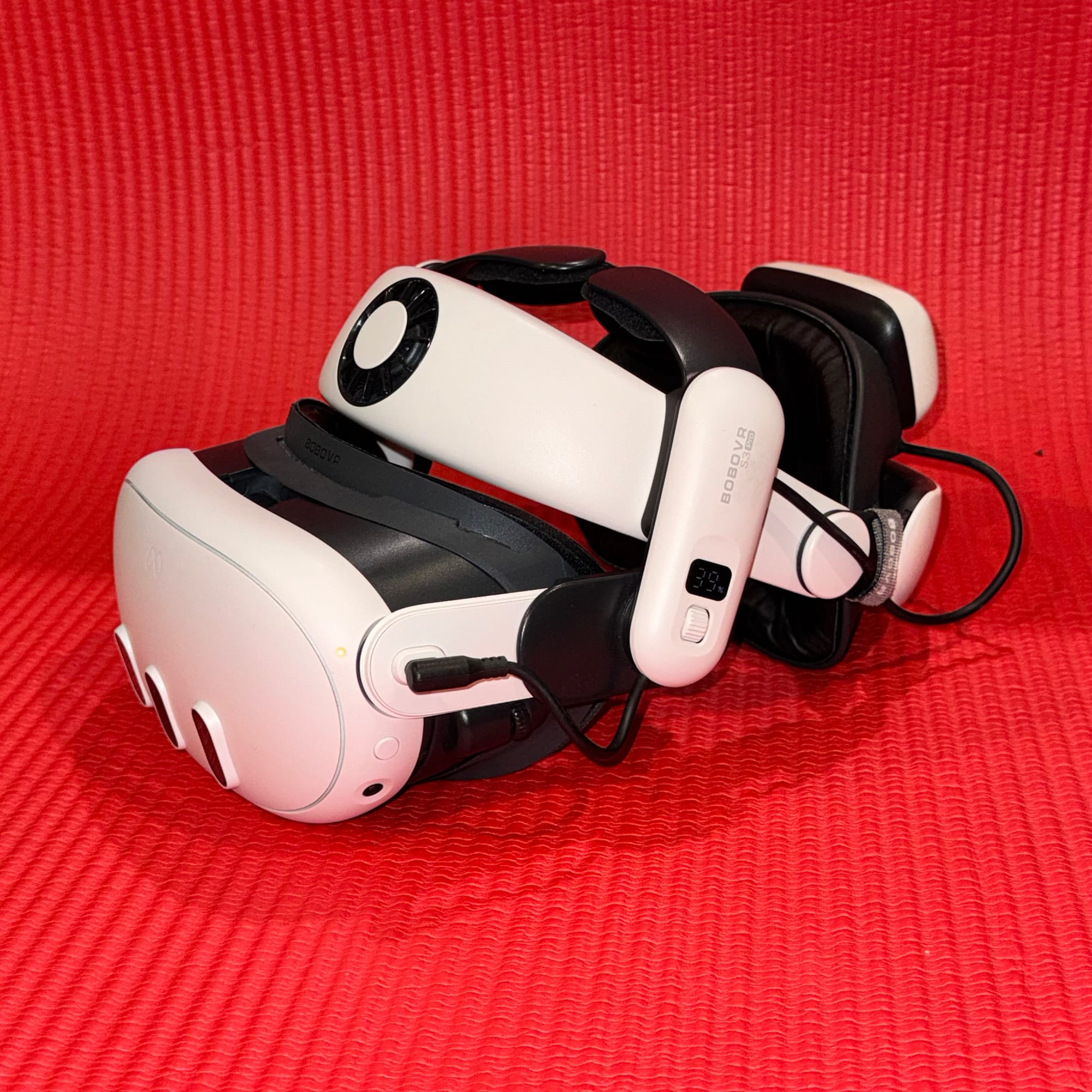
- The Solution: Battery-integrated head straps like the BOBOVR S3 Pro or KIWI Design K4 Boost.
- Data Point: By mounting a battery pack at the rear of the head, the center of gravity is shifted toward the middle of the skull. While this increases the total weight of the unit, it decreases the perceived weight and reduces the torque applied to the cervical spine during lateral movements.
Control and Precision: Knuckle Grips
Standard controllers require a constant "death grip" to prevent them from slipping.
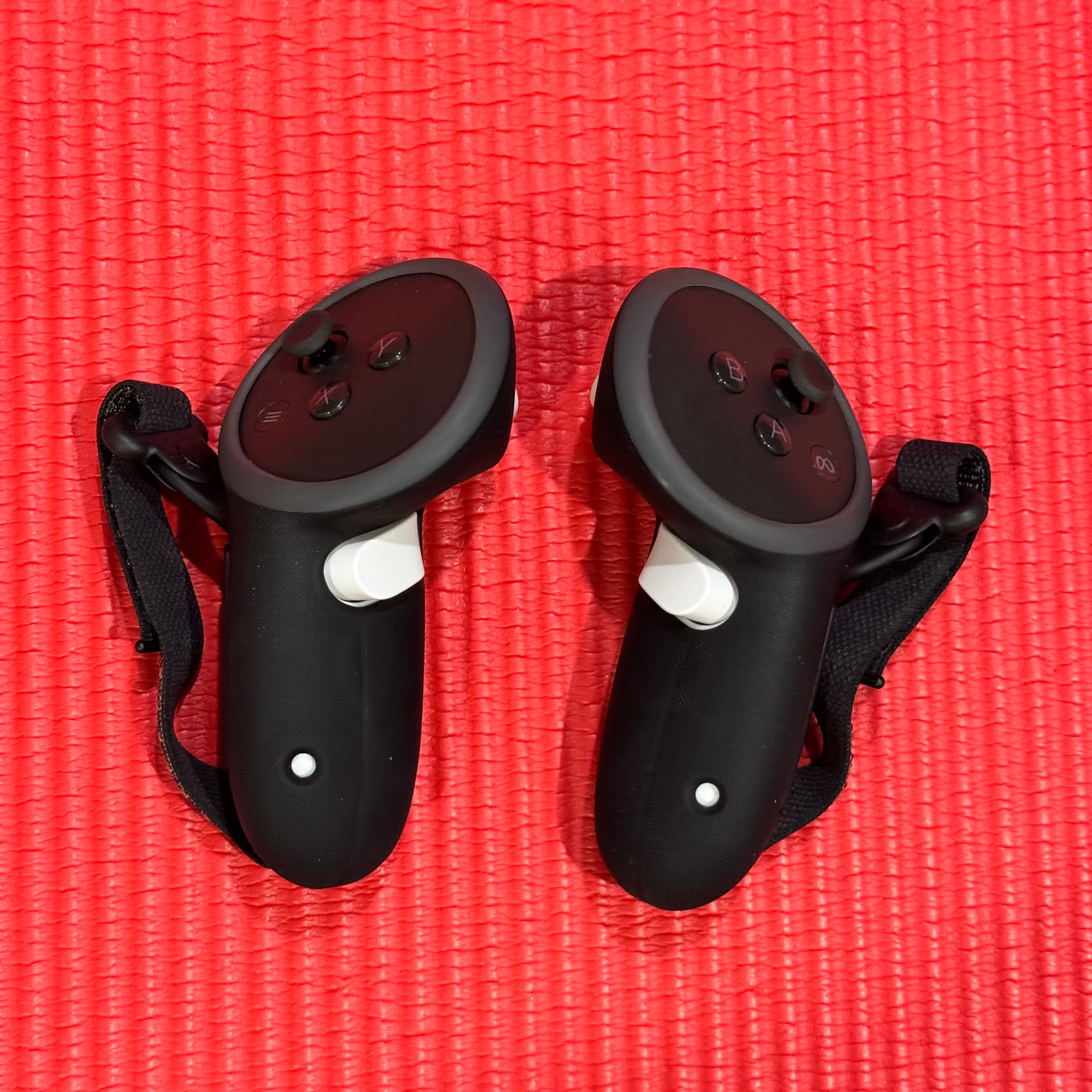
- The Solution: Textured knuckle grips (e.g., KIWI Design G4 Pro).
- Benefit: These grips utilize a strap that passes over the back of the hand, allowing the user to completely relax their fingers without dropping the device. This is critical for natural movement in "flow" states and reduces forearm fatigue during long boxing rounds.
Visual Fidelity: Prescription Inserts
For the 60% of the population requiring corrective lenses, wearing glasses inside a headset is a significant liability.
- The Solution: Custom prescription inserts from providers like Zenni Optical.
- Data Point: Beyond comfort, these inserts protect the expensive pancake lenses of the Quest 3 from scratches caused by glasses-to-lens contact. They also provide an extra layer of dust protection for the internal optics.
Thermal and Moisture Control
Sweat is the primary enemy of VR hardware.
- The Dual Approach:
- Synthetic Interfaces: Replacing the stock foam with PU leather interfaces (e.g., BOBOVR F3) allows for immediate "wipe-down" cleaning between sets.
- Active Airflow: Utilizing a standard floor fan provides two benefits: evaporative cooling and "environmental grounding"—the wind direction helps the user identify their orientation in the real world.
4. Official Responses and Industry Context
The growth of the VR fitness accessory market has not gone unnoticed by hardware manufacturers. Meta has transitioned from a closed ecosystem to a more collaborative "Made for Meta" partnership program.
- Meta’s Strategic Partnerships: Meta’s collaboration with Zenni Optical to provide official prescription inserts marks a shift in strategy, acknowledging that the "one size fits all" approach to hardware is insufficient for a diverse user base.
- Software Influence: Developers like Supernatural (owned by Meta) have actively influenced hardware choices. Their former online store featured branded ProxiMat floor mats, highlighting the necessity of physical boundaries in high-intensity VR.
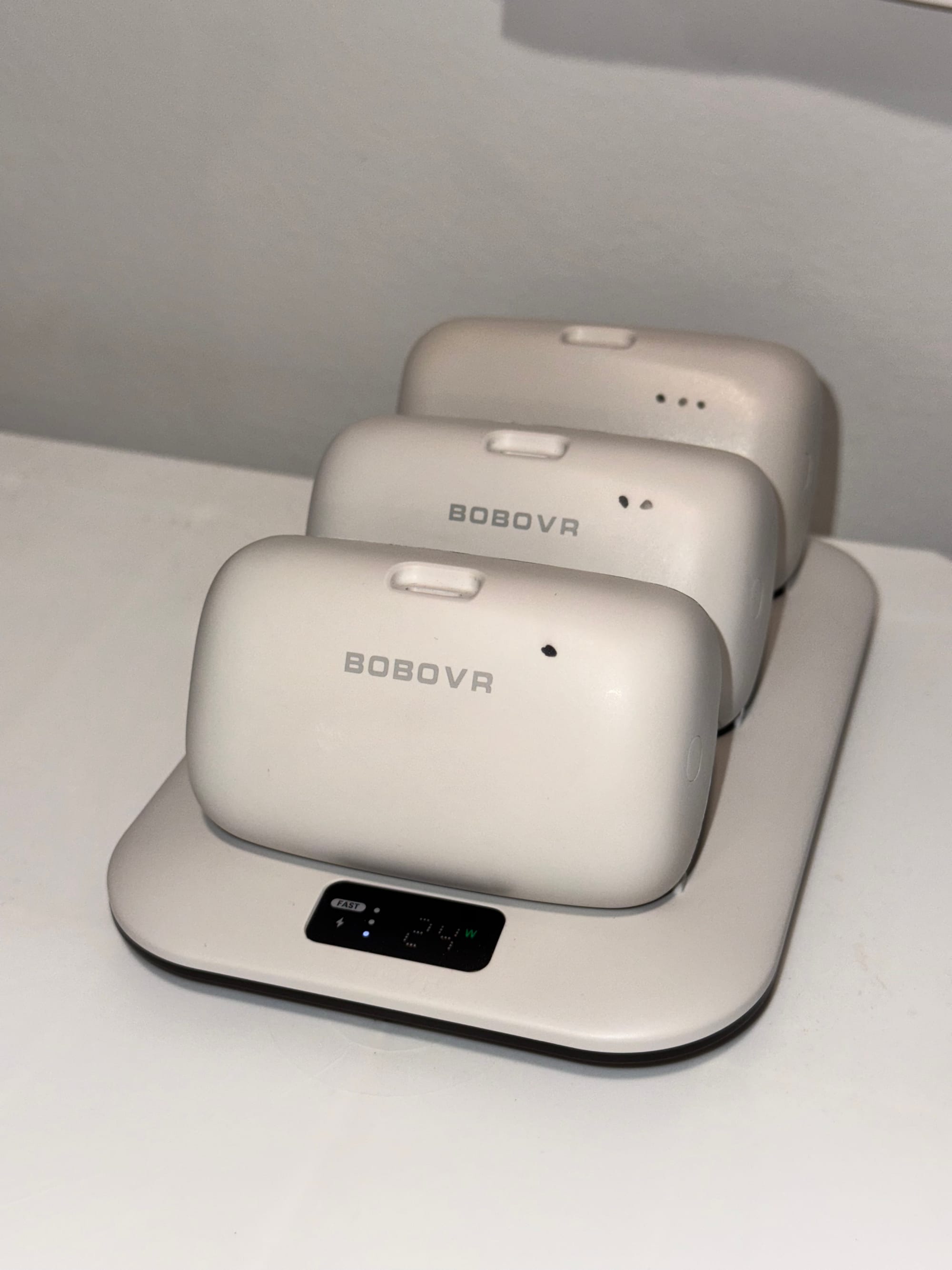
- Third-Party Innovation: Companies like BOBOVR and KIWI Design have effectively become the "R&D labs" for VR comfort. Features first seen in their aftermarket straps—such as integrated fans and hot-swappable batteries—are now considered gold standards for the industry.
5. Implications: The Future of the "Virtual Gym"
The professionalization of VR fitness hardware carries several long-term implications for the health and technology sectors.
The Shift Toward Mixed Reality (MR)
With the Quest 3’s full-color passthrough, the "workout mat" may eventually become a digital overlay rather than a physical one. However, the need for tactile feedback (feeling the edge of a mat) remains a safety priority that software cannot yet replace.
Hardware Longevity and Sustainability
As users customize their headsets with high-quality peripherals, the "core" unit (the headset itself) becomes part of a modular system. This allows users to upgrade their head straps or facial interfaces independently of the computer hardware, potentially extending the lifecycle of the device and reducing electronic waste.
The Professionalization of VR Athletics
We are seeing the emergence of a "VR Athlete" persona—users who view their headset not as a toy, but as a piece of gym equipment. This shift will likely drive future headset designs to include:
- IP68 Water Resistance: Future "Sport" editions of headsets may feature sweat-proof internal seals.
- Biometric Integration: More seamless syncing between the headset and wearable heart rate monitors (Apple Watch, Garmin).
- Weight Reduction: The move toward "Pancake" optics is already reducing the profile of headsets, but the goal remains a "glasses-like" form factor that eliminates the need for complex counterbalancing.
Final Assessment
For the modern consumer, VR fitness offers an unparalleled level of convenience and engagement. However, the "stock" experience is merely the starting point. To achieve a sustainable, daily workout habit, the investment in a customized ergonomic ecosystem is not just a luxury—it is a functional necessity. By addressing the physical constraints of the hardware, users can finally lose themselves in the virtual experience while remaining safely anchored in the physical world.