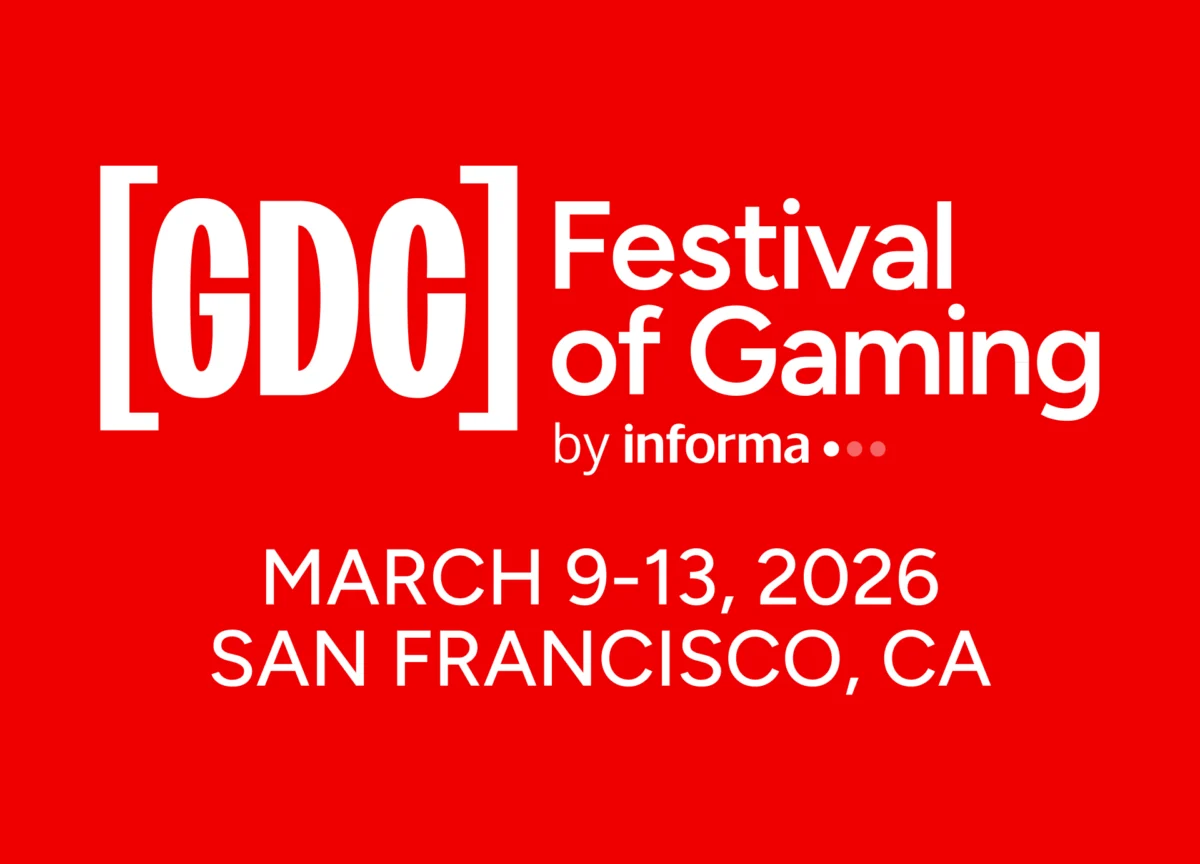
The Game Developers Conference (GDC) stands as the world’s largest and longest-running professional industry event for game creators. What began as a small gathering in a designer’s living room in the late 1980s has evolved into a global juggernaut that defines the technical, artistic, and business trajectories of the multi-billion-dollar interactive entertainment industry.
The recently updated historical roadmap of the conference—stretching from the mid-1990s through to the projected events of 2026—reveals more than just a calendar of dates. It serves as a secondary history of the digital age itself, documenting the transition from 2D sprites to immersive virtual realities, the rise of mobile gaming, the birth of the indie revolution, and the industry’s resilience through a global pandemic.
Main Facts: The Pillar of Global Game Development
GDC is currently produced by Informa Tech, serving as a primary hub for programmers, artists, producers, game designers, audio professionals, and business decision-makers. The conference’s primary mission is to "champion developers and the advancement of their craft."
Key components of the modern GDC ecosystem include:
The Main Conference: Featuring hundreds of lectures, panels, and roundtables.
The GDC Expo: A massive trade floor where tool providers (like Epic Games, Unity, and NVIDIA) showcase the engines and hardware powering the next generation of games.
The Independent Games Festival (IGF): The "Sundance of video games," which has launched hits like Minecraft and Papers, Please.
The Game Developers Choice Awards (GDCA): The industry’s most prestigious peer-based awards ceremony.
The GDC Vault: A massive digital repository of recorded sessions that serves as the industry’s collective memory.
As the industry looks toward 2026, GDC continues to act as the "town square" for an increasingly decentralized and globalized workforce.
Chronology: Thirty Years of Technological Transformation
The history of GDC can be categorized into four distinct eras, each reflecting the dominant technological and economic trends of the time.
1. The Formative Years and the 3D Revolution (1996–2002)
In 1996, the event was still known as the Computer Game Developers Conference (CGDC). This was a pivotal year, marking the transition from 16-bit consoles to the 3D era dominated by the original PlayStation and the rise of DirectX on PC. By 1999, the "Computer" was dropped from the name, reflecting the conference’s expansion to include the booming console market. During this period, the event moved to various locations in California before eventually finding its long-term home at the Moscone Center in San Francisco.
2. Global Expansion and the "Online" Pivot (2003–2012)
As the industry matured, GDC expanded its footprint to reach emerging markets. The mid-2000s saw the introduction of GDC Europe (often held in Cologne alongside Gamescom) and GDC China (Shanghai), acknowledging the massive growth of the Asian PC and mobile markets.
This era also saw the birth of GDC Austin (later GDC Online), which focused on the specific challenges of Massively Multiplayer Online (MMO) games and the burgeoning field of social gaming. This was the period when titles like World of Warcraft and FarmVille were redefining player engagement and monetization.
3. The Rise of VR and the Indie Renaissance (2013–2019)
By 2013, the democratization of game development tools like Unity and Unreal Engine led to an explosion of independent creators. GDC responded with GDC Next and expanded IGF programming.
Perhaps the most significant specialized addition during this time was the Virtual Reality Developers Conference (VRDC). Starting in 2016, VRDC (and later XRDC) documented the industry’s attempt to bring high-end virtual and augmented reality to the mainstream. This era was characterized by the "gold rush" of VR hardware from Oculus, HTC, and Sony, with GDC serving as the primary testing ground for these new interfaces.
4. The Pandemic Shift and the Hybrid Future (2020–2026)
The year 2020 marked the most significant disruption in GDC history. The March 2020 event was one of the first major international trade shows to be cancelled due to the COVID-19 pandemic. The organizers quickly pivoted to GDC Summer 2020, a fully digital experience, followed by GDC Showcase and GDC 2021 Digital.
By 2022 and 2023, the conference returned to in-person gatherings but maintained a "hybrid" model, acknowledging that the industry had moved toward remote work. The roadmap now points toward GDC 2024, 2025, and 2026, signaling a commitment to physical networking as the vital core of the development community.
Supporting Data: The Economic and Educational Impact
The scale of GDC provides a snapshot of the health of the broader games industry.
Attendance Growth: From a few hundred attendees in its early years, GDC peaked at approximately 29,000 registered attendees in 2019. Post-pandemic recovery has seen numbers climb back toward the 25,000–27,000 range, highlighting the enduring value of face-to-face interaction.
The GDC Vault: There are currently over 12,000 videos and slide decks in the GDC Vault. This represents the largest archive of game development knowledge in existence, used by universities and professional studios worldwide for research and training.
Economic Impact: For the city of San Francisco, GDC is a major economic driver. The week-long event typically generates over $70 million in local economic activity, filling hotels and restaurants during what was historically a "slow" period for the city’s tourism.
The "State of the Industry" Survey: Every year, GDC releases a survey of over 3,000 developers. Recent data (2023–2024) shows a significant shift in focus toward Artificial Intelligence (AI), with over 80% of developers expressing some level of concern regarding the ethical implications of Generative AI in creative workflows.
Official Responses: Insights from Organizers and the Community
The organizers of GDC have consistently emphasized that the conference is "by developers, for developers." This ethos is maintained through the GDC Advisory Board, a group of industry veterans from companies like Valve, Microsoft, and Sony who vet every session for technical accuracy and relevance.
In a recent statement regarding the 2024–2026 roadmap, GDC Event Director Stephanie Hawkins noted:
"GDC is not just about the technology; it is about the people behind the technology. As we look toward 2026, our focus is on sustainability, inclusivity, and navigating the seismic shifts brought about by AI and changing work cultures. Our goal is to ensure that the conference remains a safe, productive, and inspiring space for everyone in the community."
Developer feedback often highlights the "hallway track"—the unplanned meetings in the Moscone Center corridors—as the most valuable part of the experience. Many of the industry’s most significant publishing deals and studio acquisitions are rumored to have begun as casual conversations during GDC week.
Implications: What the Future Holds for Game Development
The timeline extending to 2026 suggests several critical implications for the future of the medium:
1. The AI Integration Era
The upcoming GDC events in 2025 and 2026 will likely be dominated by the integration of Generative AI into development pipelines. While previous years focused on the potential of AI, the next three years will focus on standardization. Developers will be looking for guidance on how to use these tools to reduce "crunch" (excessive overtime) without compromising artistic integrity or job security.
2. Labor Rights and Studio Culture
The 2020s have seen a surge in labor organizing within the games industry. GDC has become a primary forum for discussing unionization, mental health, and diversity, equity, and inclusion (DE&I). The "GD Talks" and specific tracks at GDC 2024 and beyond are expected to lean heavily into the "human side" of development, reflecting a more mature and self-aware industry.
3. The Platform Agnostic Future
With the growth of cloud gaming and cross-platform play, the distinction between "mobile developer" and "console developer" is fading. GDC’s programming reflects this, with an increasing number of sessions dedicated to building scalable, live-service ecosystems that work across smartphones, PCs, and high-end consoles.
4. Sustainability and Global Reach
As the costs of attending physical events rise, GDC faces the challenge of remaining accessible. The "Showcase" events (digital-first) listed in the 2023–2024 timeline suggest a permanent shift toward a tiered participation model. This allows developers from lower-income regions or smaller indie studios to benefit from the conference’s educational content without the high cost of San Francisco travel.
Conclusion
The GDC roadmap from 1996 to 2026 is a testament to the incredible resilience and rapid evolution of game development. From the early days of "CGDC" to the high-tech, AI-driven prospects of 2026, the conference remains the definitive barometer for the industry. As games continue to evolve into the world’s most dominant form of entertainment, GDC stands as the essential lighthouse, guiding creators through the complexities of technology, business, and art.
Introduction: The Threshold of Industry Intelligence In the high-stakes world of global video game development, information is the most valuable currency. For decades, the Game Developers Conference (
In the evolving landscape of interactive media, the distinction between a "game" and a "product" often blurs. However, legendary game designer and theorist Raph Koster, author of t
By Senior Industry Correspondent March 17, 2026 In a ruling that has sent shockwaves through the global interactive entertainment industry, the Delaware Court of Chancery has delivered a stinging rebu





.jpg)

.png)



.jpg)