The Grand Finale of a VR Legend: An In-Depth Review of Demeo X Dungeons & Dragons: Twilight’s End
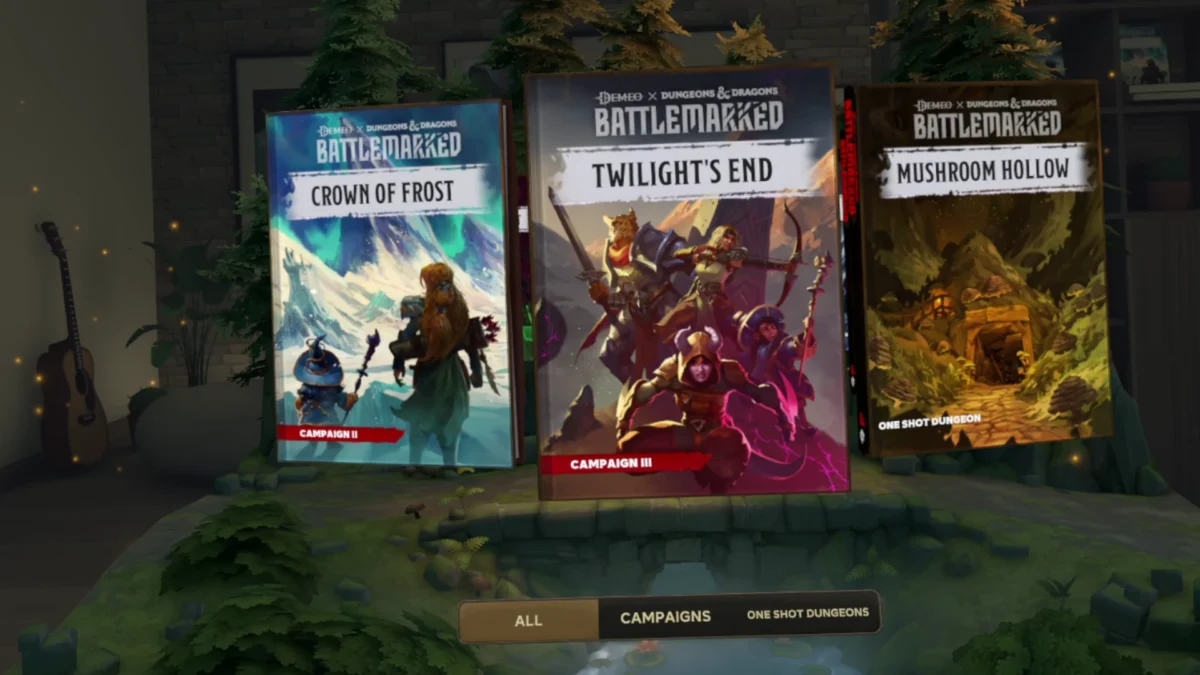
The intersection of tabletop role-playing games (RPGs) and virtual reality has reached a significant milestone with the release of Twilight’s End, the third and final campaign DLC for Demeo X Dungeons & Dragons: Battlemarked. Developed by the industry veterans at Resolution Games, this expansion serves as the definitive conclusion to a narrative arc that has spanned across the most iconic locales of the Forgotten Realms.
As the VR landscape continues to evolve, Demeo has remained a cornerstone of the medium, proving that turn-based strategy and social tabletop mechanics are not just viable in a headset, but perhaps the most comfortable and engaging way to experience the genre. Twilight’s End represents the culmination of years of refinement, offering a high-stakes finale that rewards long-term players while setting a new benchmark for strategic depth in VR gaming.
I. Main Facts: The Final Descent into the Silver Marches
Twilight’s End is not merely an incremental update; it is a $9.99 expansion designed to test the limits of even the most "battle-hardened" players. Released on September 22, 2026, the DLC completes the Battlemarked trilogy, which began with Embers of Chaos and continued through Crown of Frost.
Core Specifications and Availability
- Demeo X Dungeons & Dragons: Battlemarked – Twilight’s End
- Developer/Publisher: Resolution Games
- Platforms: Meta Quest (2, 3, Pro), SteamVR, and PlayStation VR2
- Price: $9.99 (Standalone DLC)
- Campaign Length: Approximately 9 hours of new content
- Key Features: Two massive multi-floor dungeons, new "Slaad" enemy types, complex boss mechanics, and new thematic dice sets.
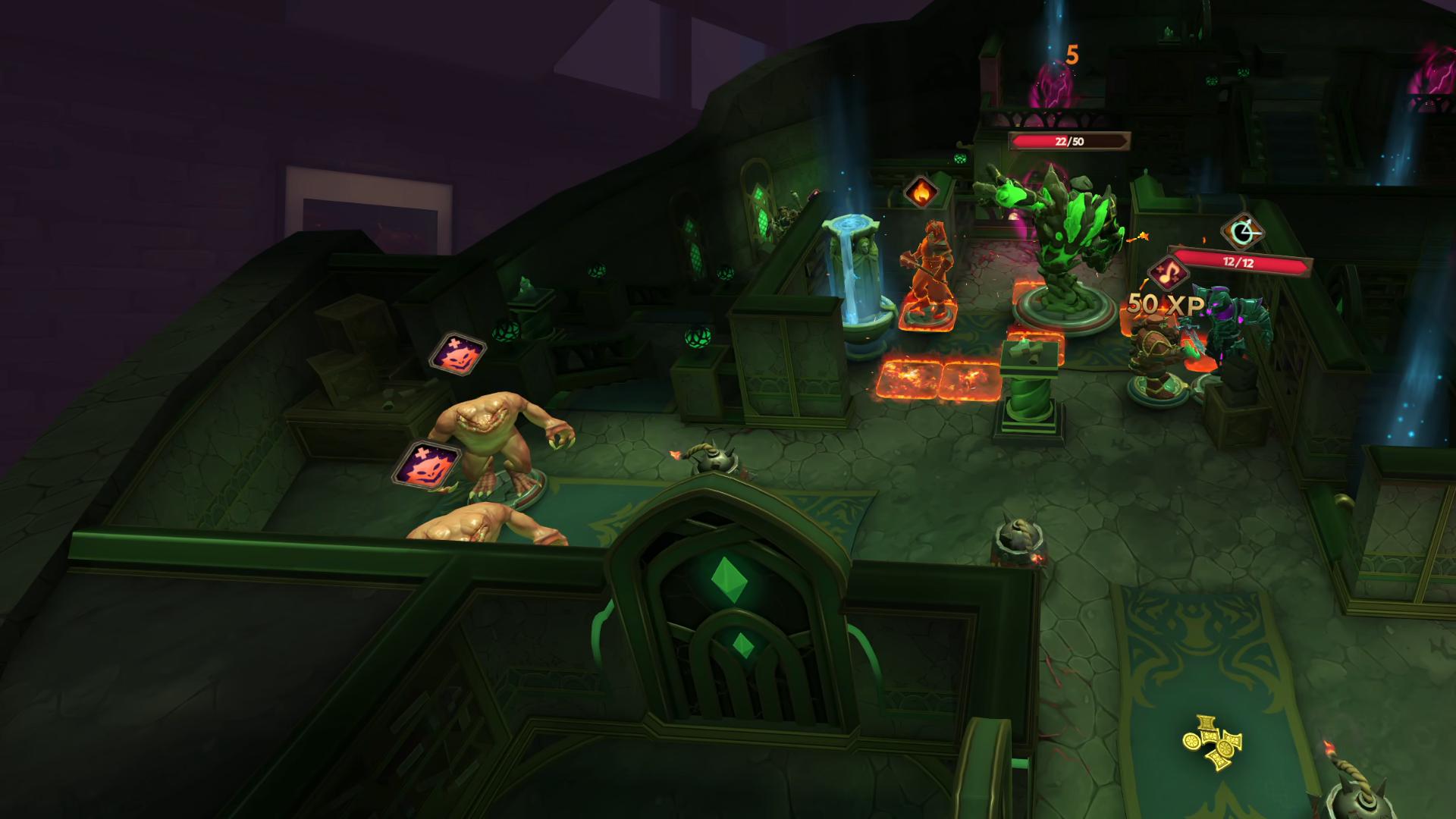
The expansion is set within the Silver Marches, a region of the North in Faerûn known for its dangerous frontiers and ancient magic. While previous chapters focused on the lush greenery of Neverwinter Woods or the biting chill of Icewind Dale, Twilight’s End shifts the focus toward the "Slaad"—chaotic, toad-like monstrosities from the Outer Plane of Limbo—who have been looming in the shadows of the narrative since the game’s launch.
II. Chronology: The Evolution of a VR Tabletop Powerhouse
To understand the weight of Twilight’s End, one must look at the trajectory of the Demeo franchise.
- 2021: The Birth of a Classic: The original Demeo launched to critical acclaim, eventually winning "VR Game of the Year" honors. It introduced the concept of a "digital basement" where players could sit around a virtual table, move miniatures, and roll dice with friends.
- The D&D Partnership: Following the success of the original game, Resolution Games secured a partnership with Wizards of the Coast. This led to the rebranding and expansion of the platform into Demeo X Dungeons & Dragons: Battlemarked, integrating official lore, monsters, and settings from the world’s most popular TTRPG.
- The Trilogy Path: Battlemarked was designed as a three-part epic.
- Embers of Chaos introduced players to the political and monstrous threats of the Neverwinter region.
- Crown of Frost escalated the stakes in the frozen wastes of Icewind Dale.
- Twilight’s End (2026) now serves as the "grand finale," weaving together the disparate threads of the first two campaigns into a unified conclusion.
Throughout this timeline, Resolution Games has shifted from simple dungeon-crawling toward a "greater story focus," a transition that Twilight’s End fully realizes by bringing back familiar NPCs and resolving the mystery of the inter-dimensional Slaad invasion.

III. Supporting Data: Strategic Depth and Gameplay Mechanics
The most significant takeaway from Twilight’s End is its refusal to allow players to "brute force" their way through encounters. Where previous campaigns occasionally suffered from boss fights that felt like "damage sponges," this finale introduces complex, ancillary mechanics that demand tactical flexibility.
1. The Revolution of Boss Encounters
In Twilight’s End, bosses are no longer just targets; they are puzzles. During playtesting and review, several key mechanics were identified that set these encounters apart:
- Role Neutralization: Certain bosses can temporarily nullify specific class abilities. For instance, a Sorcerer might find their spellbook silenced for several rounds, forcing them to rely on environmental hazards or secondary items.
- Melee Counter-Stances: Fighters and Barbarians face enemies that automatically counter melee strikes, requiring the party to use displacement spells or ranged attacks to create openings.
- Environmental Phase Shifts: The dungeons themselves react to the bosses, changing the terrain and forcing the party to move or face devastating Area of Effect (AOE) damage.
2. Enemy Variety and the "Slaad" Threat
The introduction of the Slaad species adds a layer of unpredictability. Unlike the goblins or kobolds of earlier levels, the Slaad come equipped with:
- Status Ailments: New debuffs that can cripple a party’s action economy.
- High Resilience: These enemies are designed to survive the "one-shot" tactics often employed by max-level characters.
- AI Allies: Interestingly, the campaign allows for AI-controlled allies to join the fray based on narrative choices, a first for the series that adds a "party-scale" feel to the combat.
3. Leveling and Difficulty Scaling
For veterans who have reached the level 19 cap with all eight playable characters (including the recently added Warlock and Druid), the "Standard" difficulty may prove too easy. However, the "Hard" difficulty in Twilight’s End is described as perfectly tuned—challenging the player’s resource management without feeling unfair. The campaign offers roughly 9 hours of gameplay, which, at a $9.99 price point, provides exceptional value compared to other VR titles.
IV. Technical Performance and Official Context
While Resolution Games has not released a formal statement regarding future Demeo installments, the polished nature of Twilight’s End suggests a studio at the height of its technical powers.
Visuals and Audio
The review was conducted on a high-end PC setup (Ryzen 7 9850X3D, RTX 5070 Ti) via Meta Quest 3. While the visuals in the Silver Marches utilize some recycled assets from previous dungeons—making it slightly less "visually fresh" than the snowy vistas of Crown of Frost—the performance is flawless. There are no reported bugs or frame drops, even when the board is crowded with a dozen high-fidelity miniatures.
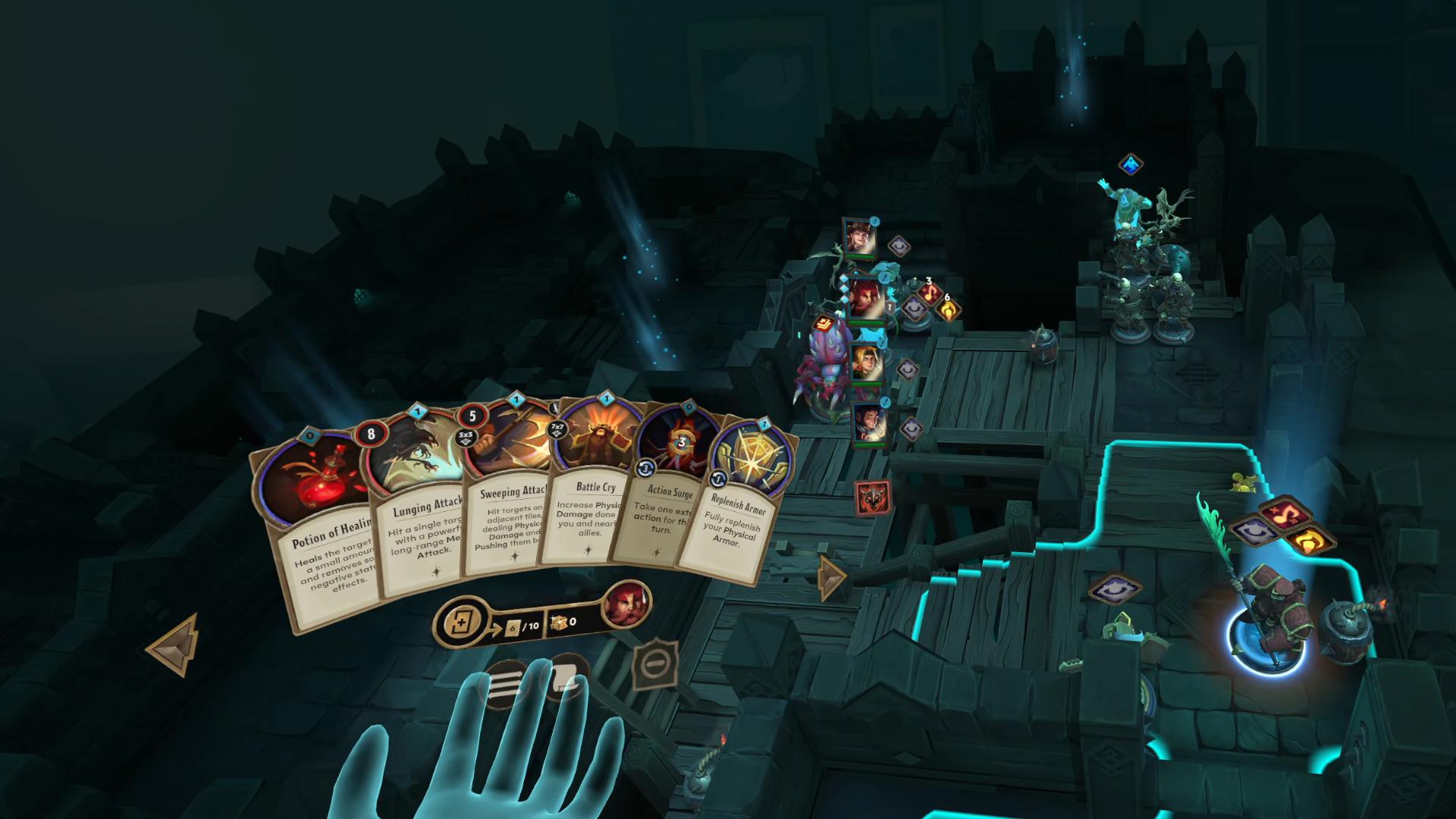
The audio, however, remains a standout feature. The orchestral score has been expanded with new tracks that represent the "best of the entire series," providing a rousing, cinematic backdrop to the turn-based action.
VR Comfort and Accessibility
One of Demeo’s greatest strengths is its comfort. As a tabletop game, it avoids the "motion sickness" pitfalls of first-person VR titles. Twilight’s End continues this tradition, allowing players to rotate, tilt, and scale the board to their liking, ensuring that long 9-hour sessions remain physically comfortable.
V. Implications: The Future of the "Demeo" Ecosystem
The conclusion of the Battlemarked trilogy raises several questions about the future of Resolution Games and the Demeo brand.

1. The "Platform" Model
Resolution Games has successfully turned Demeo into a platform rather than just a game. By adding new characters like the Warlock Azruss Drevontir and the Druid Gruda Razortusk as mid-cycle updates, they have kept the player base engaged between major story drops. Twilight’s End proves that there is a massive appetite for premium, paid DLC in VR, provided the content is substantial.
2. The Dungeons & Dragons Legacy
The integration of the D&D license has been a "fitting evolution." By successfully adapting the Slaad and the Silver Marches, Resolution Games has shown that VR can handle the complexity of high-fantasy lore. This may pave the way for other Wizards of the Coast properties to enter the VR space, or perhaps even a full-scale Demeo 2 built from the ground up for next-generation hardware.
3. Replayability and Community
With the completion of the trilogy, players now have access to a massive library of "one-shot" dungeons. Every dungeon unlocked in Twilight’s End can be replayed as a standalone mission, and the community is already calling for the "shorter missions" from the DLC to be added to the permanent rotation.
Final Verdict
Twilight’s End is a masterclass in how to end a trilogy. It addresses the mechanical shortcomings of its predecessors, offers a genuine challenge to veteran players, and maintains the high production standards that have made Demeo a household name in VR. At 4.5 out of 5 stars, it is an essential purchase for any RPG fan, signifying that while this story may be over, the era of the VR tabletop is only just beginning.