Rhythm Meets Retrospection: An In-Depth Analysis of the ‘Mr. Records’ Gamescom Reveal
The independent gaming landscape has long been a fertile ground for genre-bending experiments that prioritize atmosphere and narrative resonance over traditional high-octane action. At this year’s Gamescom, one of the most intriguing titles to emerge from the indie circuit is Mr. Records, a vibrant fusion of rhythm-action and boutique management. Developed with a keen eye for the aesthetic and emotional weight of vinyl culture, Mr. Records invites players into the life of George, a retired dreamer whose golden years are spent navigating the intersection of memory and melody.
The game, which currently holds a growing presence on Steam’s wishlist charts, promises a dual-layered experience that challenges both the player’s reflexes and their empathetic understanding of musical "vibes." This report explores the core mechanics, narrative structure, and broader industry implications of this unique title following its official reveal and demo showcase.
I. Main Facts: The Dual Identity of Mr. Records
At its core, Mr. Records is a game of two halves, each feeding into the other to create a cohesive gameplay loop. The protagonist, George, is not merely a shopkeeper; he possesses a supernatural or perhaps highly imaginative ability to "become one" with the music he hears. This premise serves as the catalyst for the game’s primary mechanics.
The Management Simulation
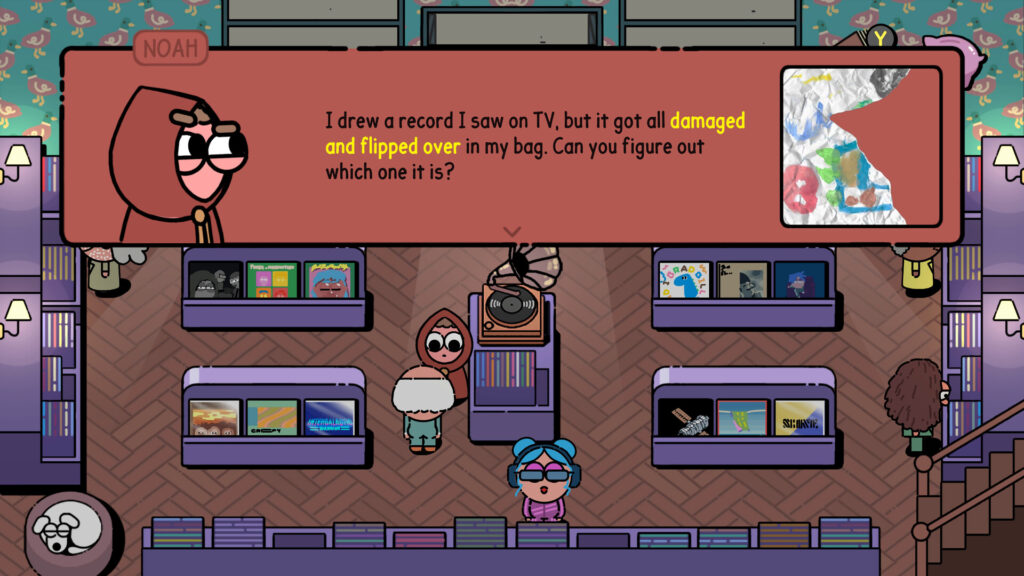
The first pillar of the game is the management of a record shop located directly beneath George’s home. This setting provides a sense of intimacy and "cozy" gameplay that has become increasingly popular in the indie sector. Players are tasked with:
- Acquisition: Procuring new records to stock the shelves.
- Curation: Understanding the inventory to provide bespoke recommendations to customers.
- Interaction: Engaging with a cast of diverse characters who enter the shop seeking specific emotional or auditory experiences.
The Rhythm-Action Experience
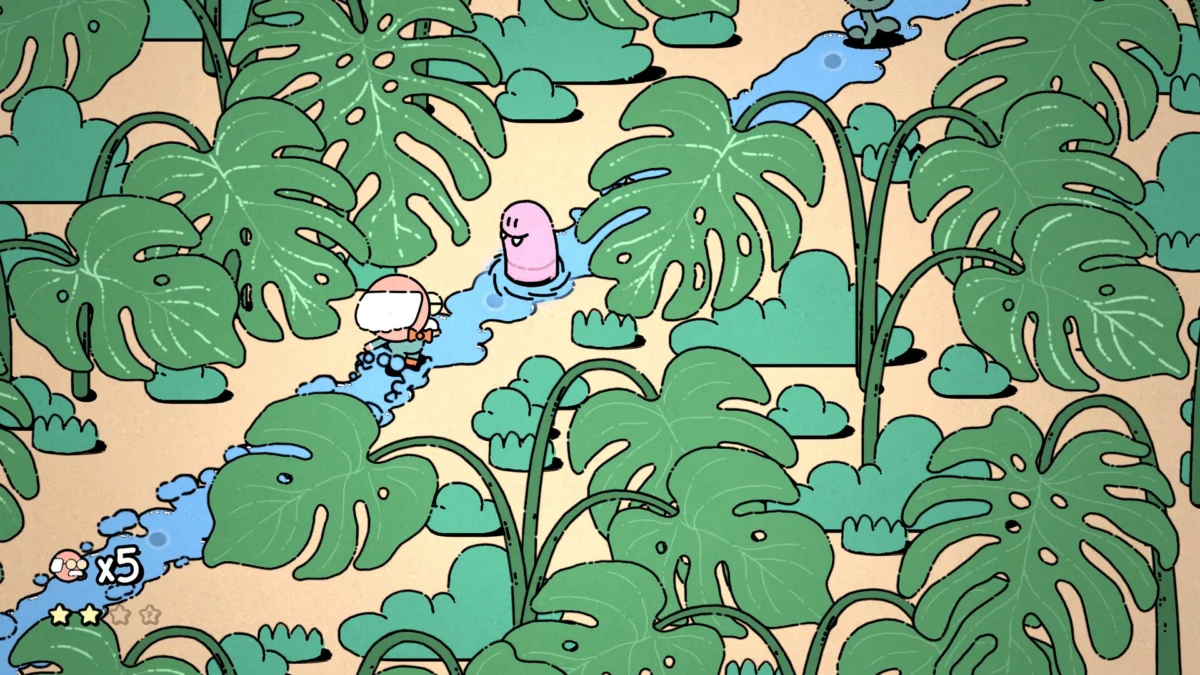
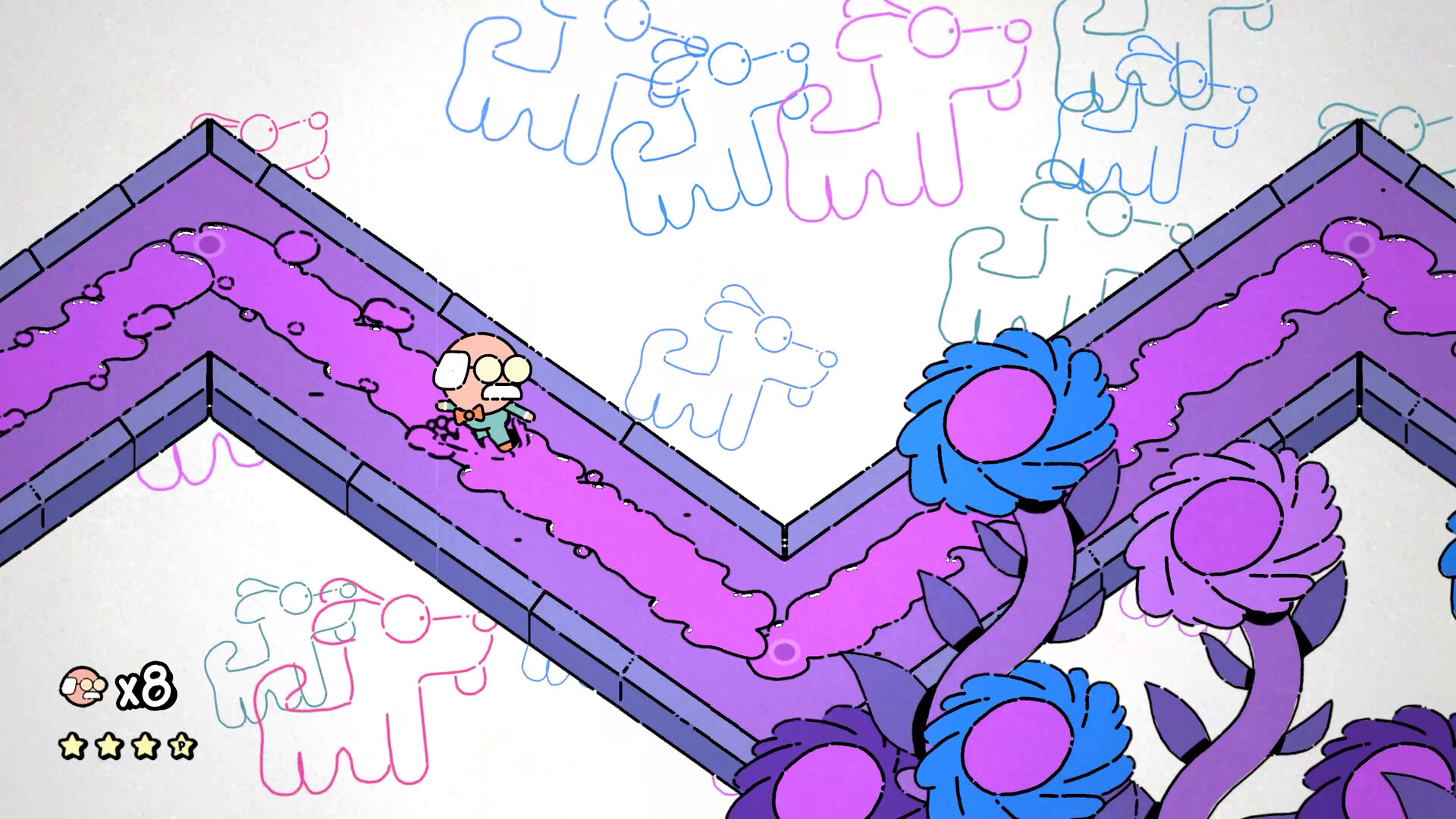
The second pillar is the "internal" world of the music. Before a record can be sold, George "plays" it, which transports the player into a rhythm-based level. Unlike traditional note-highway rhythm games (such as Guitar Hero), Mr. Records utilizes a more kinetic, character-based approach. George moves through vibrant, stylized environments—ranging from neon-soaked "purple levels" to lush jungle-themed vistas—using a variety of movements including sliding and punching to stay in sync with the beat.
II. Chronology: The Daily Life of a Retired Dreamer
The narrative and gameplay of Mr. Records are structured around a daily cycle, emphasizing the routine of a man finding new purpose in his retirement. The chronological flow of a typical in-game day provides insight into the game’s pacing and progression.
Morning: Inventory and Preparation
The day begins with the arrival of new stock. Players must evaluate their current collection and decide which records to feature. This phase is tactical, requiring the player to anticipate the needs of their clientele. The act of purchasing records is the first step in the "discovery" phase of the gameplay loop.
Afternoon: The Musical Immersion
Once a record is acquired, George enters the "listening" phase. This is where the rhythm-action gameplay occurs. This phase serves a dual purpose: it acts as a skill-based challenge for the player and a narrative tool for George to understand the "soul" of the music he is about to sell. The demo showcased at Gamescom highlighted how these levels are meticulously designed to match the tempo and mood of the specific track, ensuring that the visual "flow" is an extension of the audio.
Late Afternoon: Shop Hours and Customer Service
With the shop doors open, the game shifts into a social simulation. Customers arrive with varying degrees of musical knowledge. Some may remember a fragment of a melody, while others describe a "vibe" or a specific emotion they wish to capture. The player must navigate their inventory to match these requests. Success in this phase is measured not just in sales, but in the satisfaction of the customer, which likely influences the shop’s reputation and George’s progression.
Evening: Narrative Expansion and Reflection
As the shop closes, the game moves into a more contemplative space. George returns to his home above the shop. The Gamescom demo revealed that this time is used for narrative development, featuring "strange phone calls" from old friends and colleagues. These interactions hint at George’s history and provide a poignant look at the complexities of aging, memory, and the social isolation that can sometimes accompany retirement.
III. Supporting Data: Mechanics and Aesthetic Philosophy
To understand why Mr. Records has captured the attention of critics and players alike, one must look at the technical and artistic choices made by the development team.
The "Flow" State in Rhythm Mechanics
The movement mechanics—sliding and punching—are designed to create a "flow state." In the rhythm levels, the environment reacts dynamically to the player’s performance. The "purple levels" mentioned in early previews emphasize high-contrast visuals and fluid motion, suggesting a focus on synth-heavy or electronic tracks. Conversely, the "jungle levels" imply a shift toward more organic, percussion-heavy music. This diversity ensures that the gameplay remains fresh, preventing the rhythmic elements from becoming repetitive.
The "Vibe" Matching System
One of the most innovative aspects of the management side is the "vibe" system. Rather than searching for records by genre or artist name alone, players must interpret the subjective desires of the customers. This requires a deeper level of engagement with the music itself. If a customer asks for something that feels like "a rainy Sunday afternoon," the player must recall which of the rhythm levels they played felt the most melancholic or serene. This creates a powerful link between the two halves of the game.
Visual and Auditory Synergy
The art style of Mr. Records is unapologetically bold. It utilizes a saturated color palette that mirrors the "dreamer" aspect of George’s personality. The character designs are whimsical yet grounded, providing a sense of warmth. From a technical standpoint, the synchronization between the audio triggers and the visual animations is reportedly high-fidelity, a necessity for any successful rhythm title.
IV. Official Responses and Gamescom Reception
While the developers have yet to announce a firm release date, the response to the Gamescom demo has been overwhelmingly positive. Early hands-on reports highlight the "satisfying" feel of the movement mechanics, with many noting that the transition between the quiet shop management and the high-energy rhythm levels feels surprisingly natural.
Developer Insights
In promotional materials and trailer reveals, the team behind Mr. Records has emphasized the "joy" inherent in the game. They describe George not as a man clinging to the past, but as one using his past to color his present. The goal was to create a game that feels "right"—a term used by testers to describe the tactile feedback of the rhythm sections.
Community Engagement
Since the Steam page went live, the community has responded to the "cozy-rhythm" niche. The game’s official reveal trailer has served as a primary touchstone for fans, showcasing the official soundtrack which is expected to be a major selling point. The developers have encouraged fans to wishlist the game, a standard but crucial metric for indie success in the current digital marketplace.
V. Implications: The Future of the "Cozy-Action" Genre
The emergence of Mr. Records signals a broader shift in the gaming industry toward "hybrid" genres. Specifically, it occupies a space we might call "cozy-action."
The Rise of Retirement Narratives
Historically, video game protagonists have been young, agile, and driven by external conflict. Mr. Records joins a small but growing movement of games (such as Wayward Strand or The Gardens Between) that explore the perspectives of older characters. By focusing on George’s retirement, the game taps into themes of legacy, the preservation of physical media (vinyl), and the importance of community spaces like local record shops.
The Evolution of Rhythm Games
The rhythm genre has moved away from the peripheral-heavy era of the mid-2000s. Modern rhythm games are finding success by integrating music into other genres—RPGs, shooters, and now, management sims. Mr. Records demonstrates that music doesn’t have to be the only mechanic; it can be the context for everything else the player does.
The Cultural Resonance of Vinyl
In an era of digital streaming, the resurgence of vinyl records is a significant cultural phenomenon. Mr. Records capitalizes on this "tactile nostalgia." The act of buying, playing, and recommending physical records in the game mirrors the real-world hobby that many players find meditative. This aesthetic choice gives the game an immediate identity and a dedicated potential audience among audiophiles.
Conclusion
Mr. Records is more than a simple rhythm game; it is a celebration of the emotional power of music and the quiet dignity of a life well-lived. By balancing the adrenaline of its rhythm-action sequences with the thoughtful curation of its shop management, it offers a holistic experience that resonates on multiple levels. As George slides and punches his way through the melodies of his life, players are invited to rediscover the joy of a good record and the stories that every song tells.
While the wait for a release date continues, the foundations laid at Gamescom suggest that Mr. Records will be a standout title for those seeking a game with heart, soul, and a very strong beat. For now, the gaming public can only wishlist and wait, perhaps spinning a few records of their own in anticipation.