From Cartoons to Co-Presence: Meta Unveils "Holograms" and the Future of Realistic Digital Identity
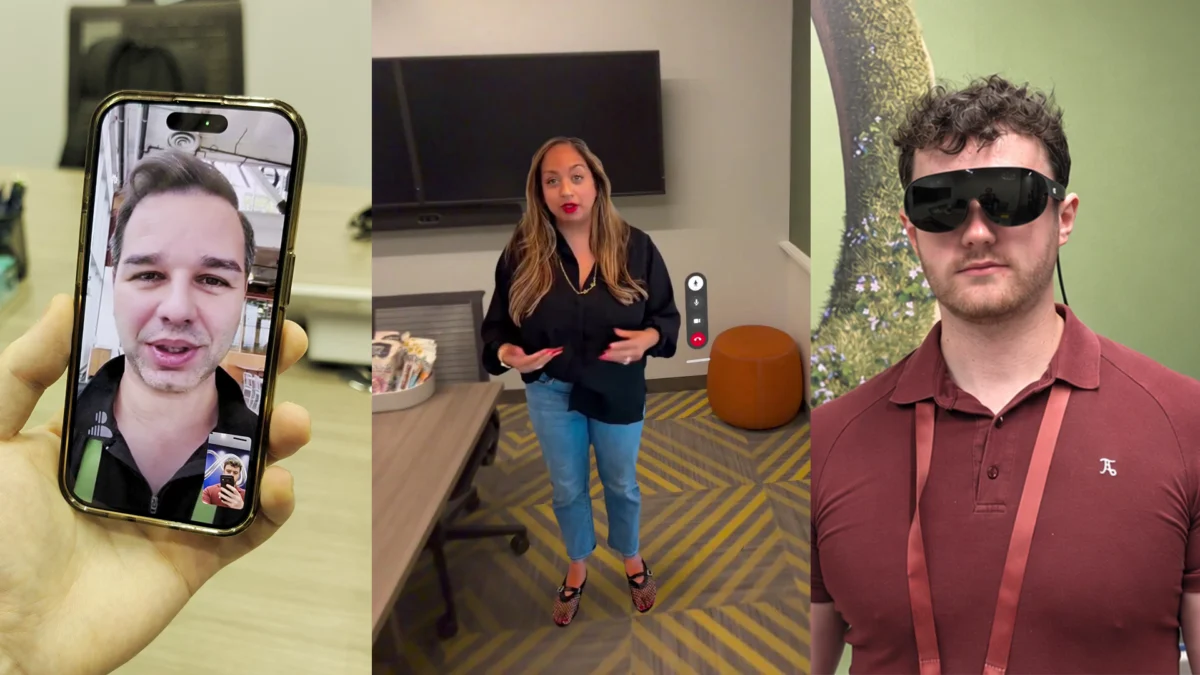
The long-awaited transition from cartoonish, legless avatars to photorealistic digital representations is finally nearing its conclusion. At Meta Connect 2026, the tech giant officially unveiled "Holograms," its sophisticated answer to Apple’s Vision Pro "Personas." This announcement marks the end of a seven-year developmental odyssey that began with the first glimpses of "Codec Avatars" in 2017. While the initial launch will rely on generative AI rather than true volumetric capture, the roadmap suggests a fundamental shift in how humans will interact within spatial computing environments.
Main Facts: Defining the Hologram Paradigm
Meta’s "Hologram" is not a single product but a cross-platform technology designed to replace the legacy Meta Avatars SDK. Unlike the previous generation of avatars—often criticized for their simplistic, "Wii-like" aesthetics—Holograms leverage real-time generative AI diffusion models to create a lifelike representation of the user.
Key aspects of the technology include:
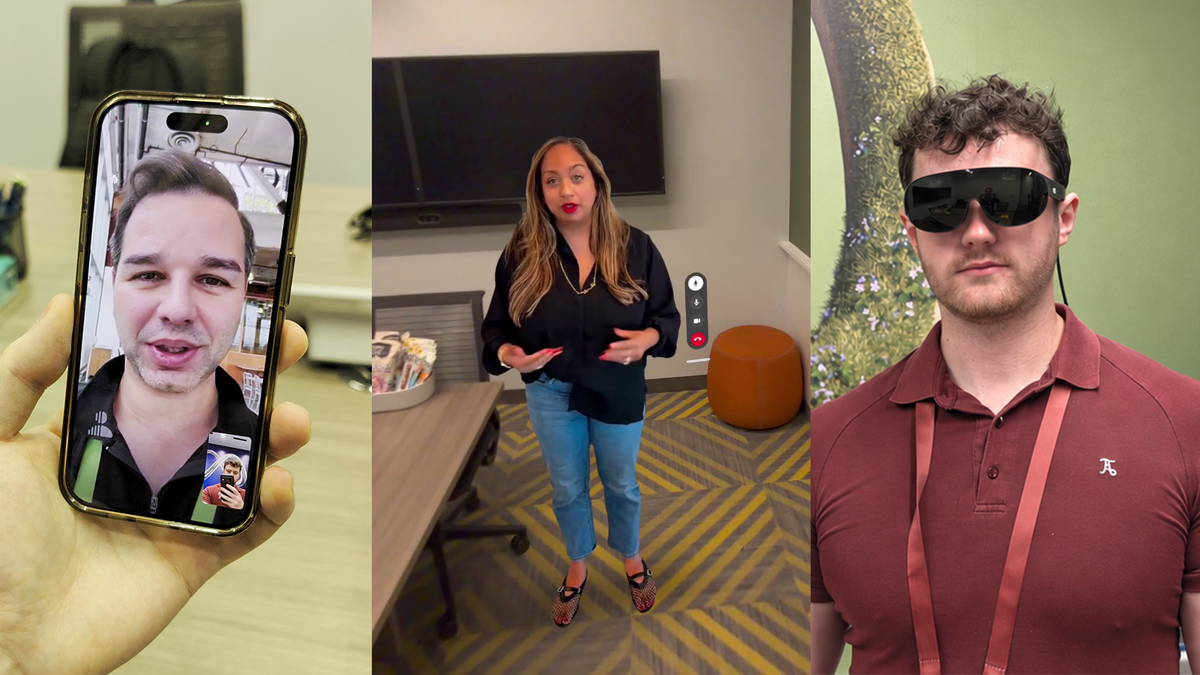
- Generative AI Foundation: Rather than rendering a 3D model in real-time on the device, Meta’s servers take the user’s microphone input and generate a 2D or 3D video stream that is "projected" into the recipient’s view.
- Platform Rollout: The technology will debut in Early Access on Meta Ray-Ban Display glasses in Fall 2026 for WhatsApp video calls, followed by a full-body implementation on the upcoming Meta VR Glasses in Spring 2027.
- Hardware Integration: While the Ray-Ban version is a 2D "shoulders-up" experience, the VR Glasses version provides a stereoscopic 3D representation that can be viewed at true scale.
- The "Billboard" Limitation: In its launch state, the 3D Hologram acts as a "billboard sprite"—a flat video stream that always rotates to face the viewer, rather than a fully navigable 3D object.
Chronology: The Seven-Year Path to Photorealism
The journey to Holograms has been one of the most publicized and scrutinized research projects in Meta’s history.
2017–2022: The Codec Avatar Research Phase
In 2017, Facebook (now Meta) first demonstrated Codec Avatars, a research prototype that used massive camera arrays and machine learning to reconstruct human faces with pore-level detail. For years, this remained a laboratory-only feat, requiring hours of scanning and immense local computing power. Meanwhile, the public-facing "Metaverse" was populated by stylized, cartoonish avatars that became a symbol of the company’s struggle to bridge the gap between research and consumer-ready products.
2023–2025: The Shift to Generative AI
As the "Uncanny Valley" and hardware constraints made local rendering of Codec Avatars difficult for mobile headsets like the Quest series, Meta pivoted. They began exploring how server-side generative AI could "hallucinate" realistic movement based on minimal sensor data (audio and IMU) rather than trying to track every muscle in the face with cameras.
Fall 2026: Early Access on Ray-Ban Display
The first consumer implementation arrives this fall. Meta Ray-Ban Display users in the US will be able to opt into an Early Access program. This version focuses on "shoulders-up" 2D video for WhatsApp, allowing users to appear as their realistic selves even when their face is obscured by the glasses they are wearing.
Spring 2027: The Meta VR Glasses Launch
The definitive version of the technology will ship with the Meta VR Glasses (priced at $1,300). This hardware, featuring 2.4K micro-OLED displays and the Snapdragon Reality Elite chipset, will support full-body, stereoscopic Holograms, representing the first time Meta’s vision of "co-presence" is available to the general public.
Technical Deep Dive: Training and Implementation
The creation of a Hologram is a departure from traditional avatar customization. Instead of picking hair colors and nose shapes from a menu, users "train" their digital twin using the Meta AI smartphone app.
The Training Process
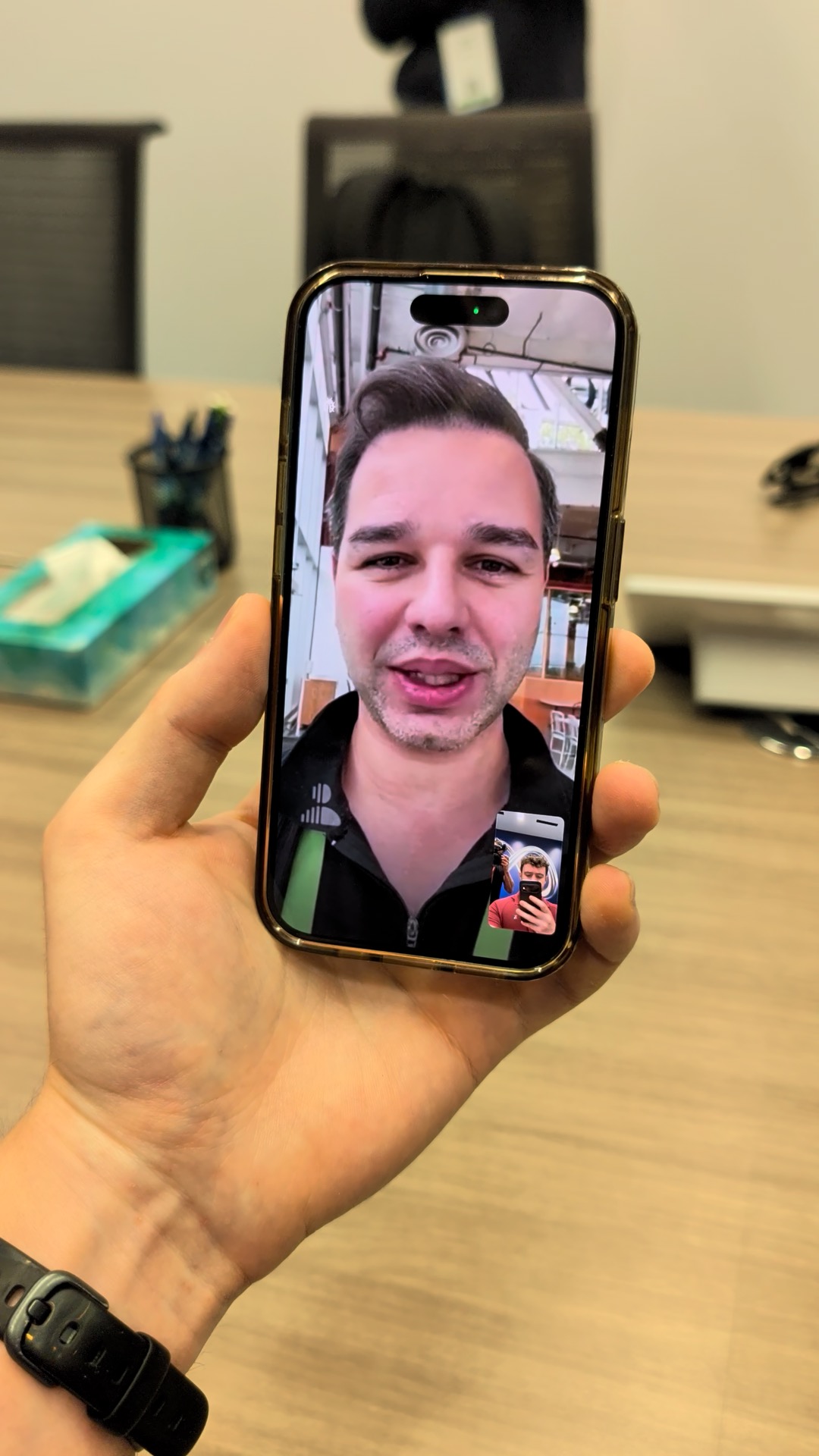
To set up a Hologram, a user must perform a series of prompts via their smartphone camera:
- Spatial Capture: The user turns their head in multiple directions (up, down, side-to-side) to allow the AI to map the geometry of their face.
- Expression Modeling: The user is asked to smile and provide long-form, expressive answers to open-ended questions. This captures the unique "micro-expressions" and speech patterns that define an individual’s identity.
- Environmental Encoding: Currently, the system captures the user’s clothing and background during this process. Because the model is generative, the user will appear in those specific clothes and in that specific room during every call until they re-train the model.
Server-Side Generation
The heavy lifting occurs on Meta’s servers. When a user speaks into their glasses, the audio stream is sent to the cloud. A diffusion model—similar to those used in video generation AI—synthesizes a video stream of the user’s face moving in perfect sync with the audio. This stream is then beamed back to the recipient. In the VR version, two streams are generated (one for each eye) to create the illusion of depth.
Official Responses and Demo Impressions
At Meta Connect 2026, the atmosphere surrounding the Hologram demos was one of cautious optimism. Industry observers, long skeptical of Meta’s "cartoon" phase, were reportedly stunned by the fidelity of the new system.
Hands-On: The "Plausibility" Factor
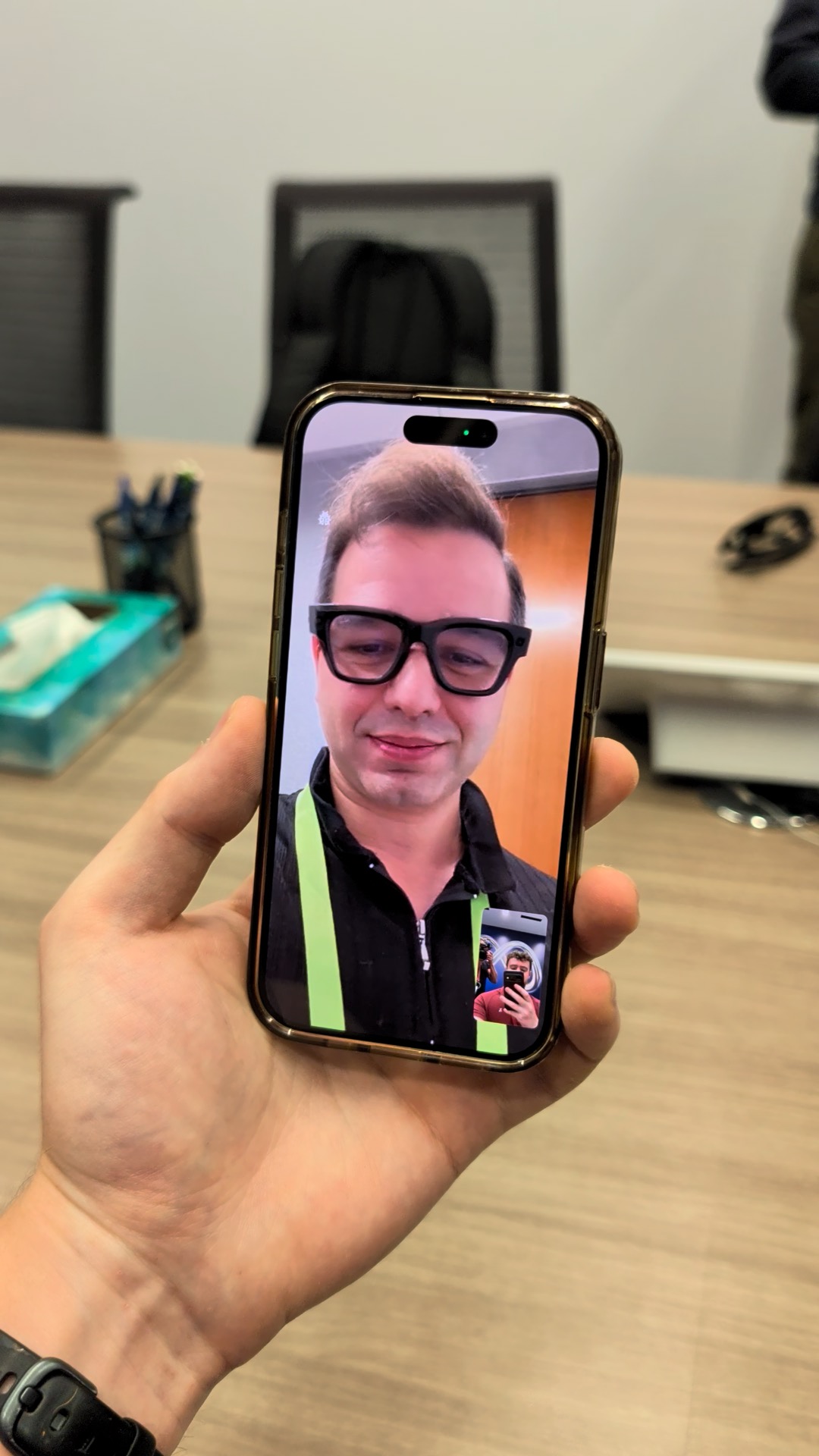
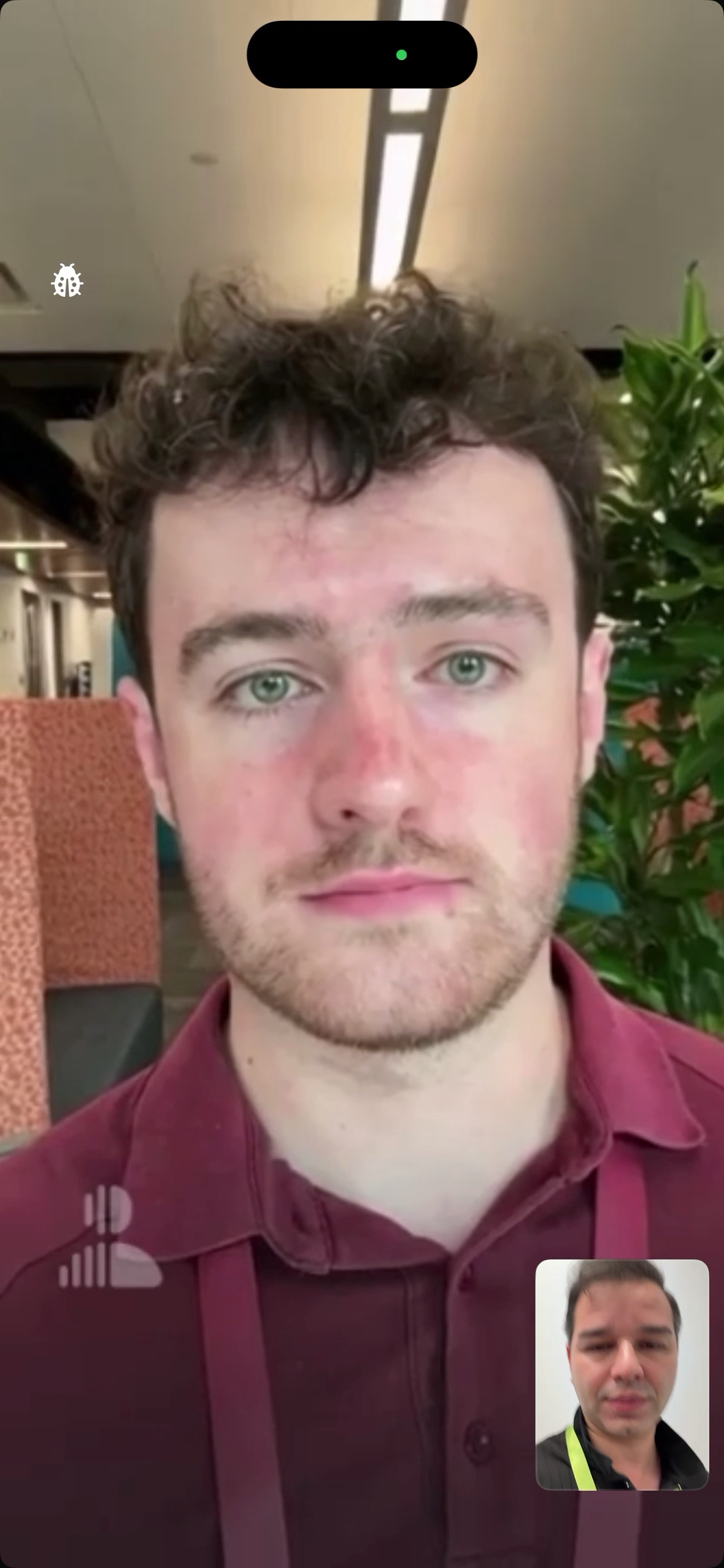
Early testers described the experience of seeing a Meta staffer’s Hologram as "shockingly realistic." During a WhatsApp call demo, one journalist noted that for the first several seconds, they believed they were looking at a standard selfie-camera feed. The AI-generated movements were so fluid and the lighting so consistent that it bypassed the typical revulsion associated with the Uncanny Valley.
However, the "plausibility" of the tech currently relies on the user remaining relatively static. Meta engineers admitted that the system is currently optimized for seated or standing-still interactions. When a user moves dynamically, the "billboard" effect—where the 3D image rotates to always face the viewer—breaks the illusion of physical presence.
Meta’s Stance on the Future
Meta’s Chief Technology Officer, Andrew Bosworth, emphasized during the keynote that the launch version of Hologram is a "foundational step." Meta has officially stated that:
- Volumetric Upgrade: The roadmap includes a transition to truly volumetric objects (likely using Gaussian Splatting or similar tech) that will allow users to walk around one another in a digital space.
- Sensor Integration: Future updates will incorporate the glasses’ IMU (Inertial Measurement Unit) to allow the Hologram’s head to tilt and turn in sync with the user’s actual physical movements.
- Developer Access: Once the technology matures, Meta plans to open the Hologram API to third-party developers, effectively retiring the cartoon Meta Avatars SDK.
Implications: The Death of Distance and the Evolution of Identity
The release of Holograms has profound implications for both the consumer electronics market and the broader social fabric.
Challenging the Vision Pro
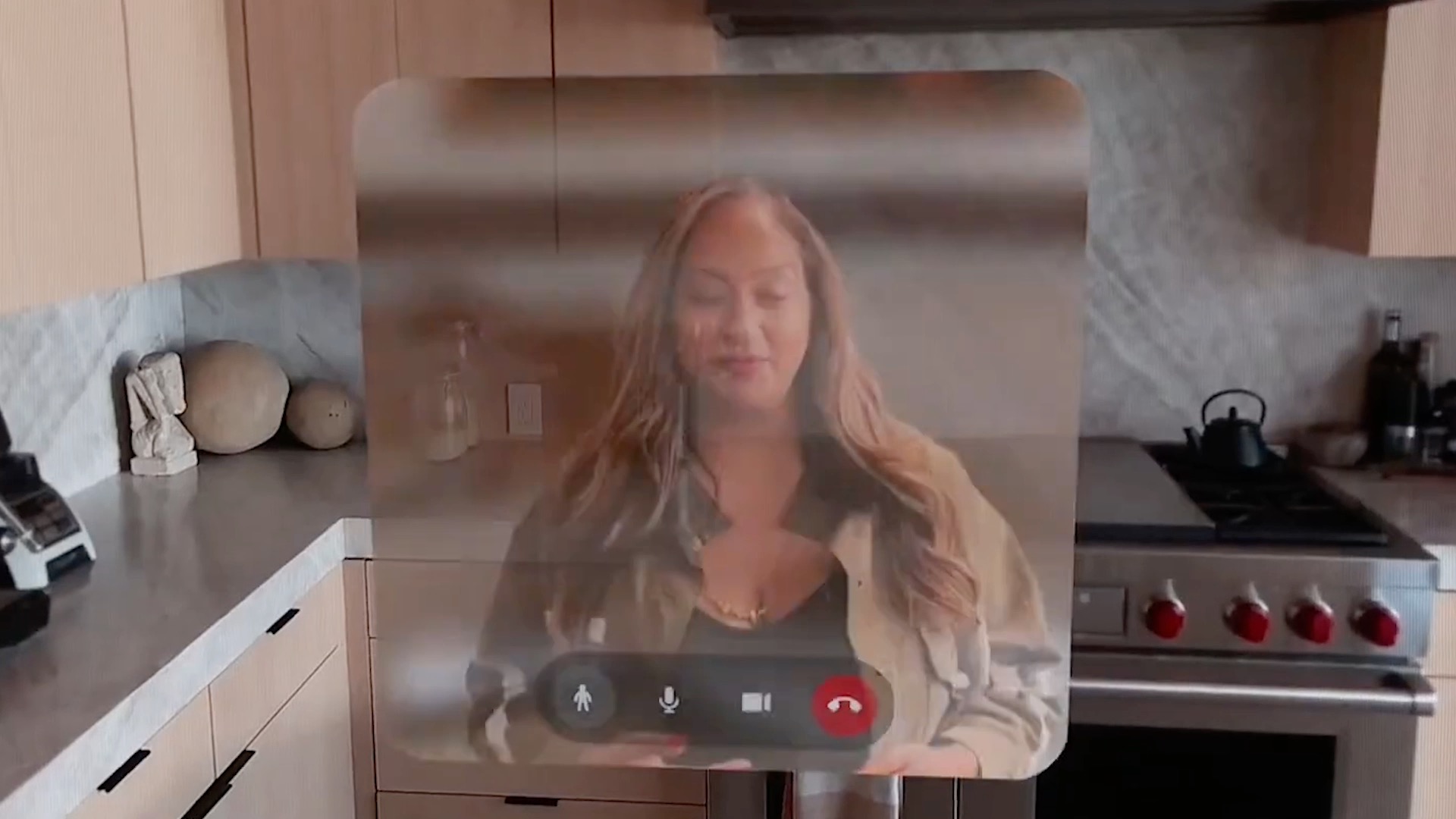
Apple’s "Personas" have been the gold standard for realistic avatars, but they are limited by the Vision Pro’s internal sensors and often look "ghostly" or translucent. Meta’s approach—using server-side AI to generate a solid, high-fidelity video stream—could potentially offer a more visually convincing experience, albeit one that requires a robust internet connection to handle the server-side processing.
The "Always-On" Digital Twin
The requirement to "pick your clothes" for your Hologram introduces a strange new dynamic in digital etiquette. If a user trains their model while wearing a suit, they will appear in a suit even if they are calling from their bed in pajamas. While Meta is exploring "text-to-clothing" prompts to allow for dynamic wardrobe changes, the current state of the tech suggests a future where our digital identities are curated and "frozen" in a way our physical selves are not.

The End of the Cartoon Era
For Meta, this is a much-needed branding pivot. The cartoon avatars were a significant barrier to enterprise adoption; professional meetings in VR felt "silly" when conducted by legless caricatures. Holograms provide the professional gravity required for remote work and high-stakes communication.
Privacy and Authenticity Concerns
As with any generative AI technology, the rise of Holograms raises questions about "Deepfakes" and identity theft. If a realistic digital twin can be driven entirely by audio, the potential for voice-cloning software to hijack a person’s digital likeness is a significant security concern that Meta will need to address through rigorous authentication protocols.
Conclusion
Meta’s "Holograms" represent the most significant leap in digital representation since the inception of the social media era. By moving away from the "uncanny" cartoons of the early Metaverse and embracing the power of generative AI, Meta is finally delivering on the promise of true digital co-presence. While technical hurdles like the "billboard" effect and bandwidth-dependent clarity remain, the 2027 launch of the Meta VR Glasses looks set to redefine the boundaries of human connection in an increasingly virtual world.