
"Grief Eater": A Visceral Exploration of Trauma, Identity, and the Undead in Emma Osborne’s Debut Novella
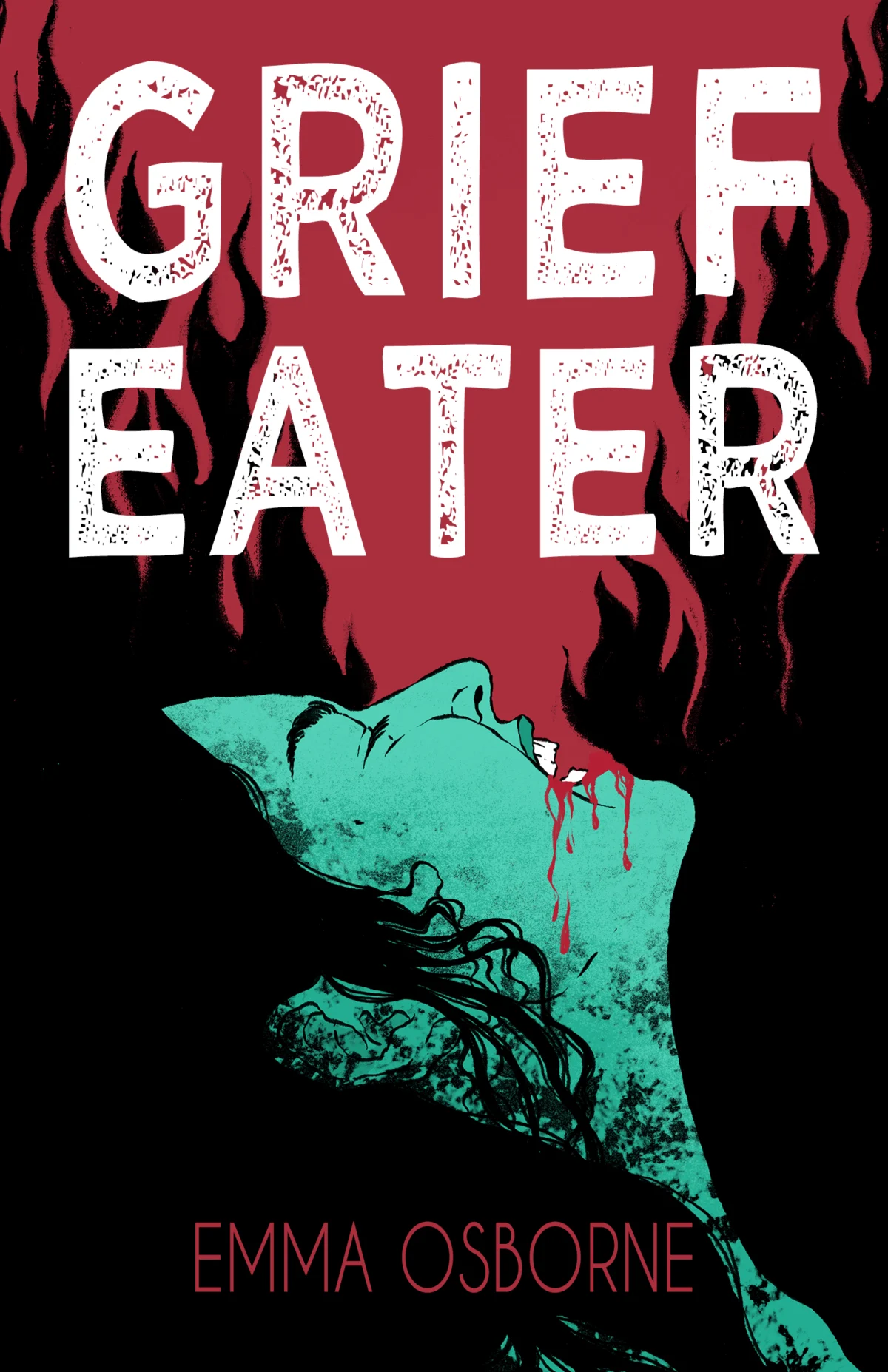
Melbourne, Australia – June 2, 2026 – Emma Osborne’s debut novella, "Grief Eater," is emerging as a powerful and unflinching examination of trauma, queer identity, and the enduring nature of grief, all wrapped in the visceral, gritty shell of a zombie narrative. The work, which delves into the dark heart of familial abuse and the transformative power of found family, is already generating significant buzz for its transgressive approach to genre conventions and its deeply personal thematic resonance.
At its core, "Grief Eater" introduces readers to Kristina, a protagonist whose violent death marks not an end, but a horrifying rebirth. Rising from her demise as a zombie, Kristina is no longer the "fragile woman her family once abandoned." Instead, she is a force of rage and power, driven by an insatiable hunger – not just for flesh, but for vengeance against those who wronged her. Her journey, a blood-slicked odyssey across the scorched Australian landscape, is a desperate quest for retribution that blurs the lines between forgiveness and predation. The novella provocatively questions whether Kristina’s undead existence is a descent into primal instinct or a twisted path towards catharsis.
Osborne, a queer writer from Naarm, Melbourne, has crafted a narrative that is as much about the psychological scars of abuse as it is about the physical manifestations of the undead. "Grief Eater" is lauded for its bold exploration of queer identity within a framework of transgressive horror, demonstrating how trauma can both shatter and forge an individual. The novella’s unflinching depiction of violence, neglect, and homophobia, drawn from personal experiences and those of friends within the LGBTIQA+ community, grounds its fantastical elements in a stark reality that resonates deeply.
The Genesis of "Grief Eater": From Short Story to Novella
The journey of "Grief Eater" from nascent idea to published novella is a testament to the iterative nature of creative writing. Osborne reveals that the world of "Grief Eater" initially took shape through a short story titled "Don’t Pack Hope." This earlier work featured a character named Josh, whose personal fragments were deeply interwoven into the narrative. The success of "Don’t Pack Hope," which was picked up by Nightmare Magazine and subsequently reprinted in "Wastelands 3: The New Apocalypse," provided a fertile ground for further exploration.
"I knew I wasn’t done with that world," Osborne explained in a recent interview. "I knew that Kristy, Josh’s best friend, who became Kristina, had her own story. And I knew that, unlike beautiful Josh, Kristina didn’t make it out of the city alive." This realization sparked the development of "Grief Eater," allowing Osborne to delve into Kristina’s tragic past and her vengeful future. The novella’s structure, which interweaves Kristina’s present undead journey with flashbacks to her past, was a deliberate choice to provide emotional weight to her revenge narrative.
Navigating Narrative Structure: The Art of the Flashback
One of the most discussed elements of "Grief Eater" is its strategic use of flashbacks. Osborne acknowledges the common writing advice to "stay in the present moment," a principle championed by instructors like Paul Park during their time at the Clarion West Writers Workshop. The rationale behind this advice is to maintain narrative momentum and prevent readers from being pulled away from the core story.
However, Osborne argues for the judicious use of flashbacks, asserting that they can be a powerful tool when employed effectively. In "Grief Eater," the protagonist, Kristina, dies in the opening chapter, immediately establishing a high-stakes scenario. To imbue her subsequent revenge narrative with genuine emotional impact, context was crucial. Instead of front-loading the story with exposition, Osborne chose to reveal Kristina’s past incrementally as she embarks on her physical and emotional journey.
"I wanted to drop you into the action," Osborne stated, "so you learn about her past while she stalks her way into her future, her teeth and fingers sharp." This approach ensures that the reader experiences Kristina’s trauma and motivations alongside her evolving, undead state, creating a more immersive and compelling experience. While some early reviews have noted the presence of flashbacks, many have also recognized their integral role in the novella’s thematic depth and emotional resonance.
The "Lightning Bolt" Moment: The Birth of a Hunter
The evolution of "Grief Eater" was not without its critical turning points. Initially conceived as a revenge story where Kristina was drawn to her family by an "invisible compulsion," the narrative felt incomplete. Osborne describes a moment of profound realization, occurring serendipitously in the shower, that fundamentally altered the trajectory of the novella.
"Kristina shouldn’t be pulled. She should hunt," Osborne recalls as the pivotal insight. This "lightning bolt" moment transformed the protagonist from a passive victim to an active agent of her own narrative. The shift from being drawn to actively pursuing her tormentors injected a potent sense of agency and power into Kristina’s character. This realization served as a powerful reminder for Osborne to prioritize protagonists who are strong and proactive, relentlessly pursuing their desires. For Kristina, that desire is unequivocally the blood of those who have inflicted such profound suffering upon her.
The Sonic Landscape of "Grief Eater": Music as a Catalyst
The creation of "Grief Eater" was deeply intertwined with its sonic accompaniment. Osborne, who typically favors instrumental music for writing, recognized the need for something "savage" and "heavy" to capture the novella’s intense atmosphere. The choice fell upon the post-rock genre, known for its dynamic shifts, complex rhythms, and emotionally charged soundscapes.
Specifically, the band Godspeed You! Black Emperor and their twenty-minute epic, "Mladic," from the album "ALLELUJAH! DON’T BEND! ASCEND!", became the unofficial theme song for "Grief Eater." Osborne describes the track as evolving and changing throughout its duration, mirroring the psychological and physical transformations of Kristina. The music’s raw power and intricate structure, with its "droning guitars and flickering drums and distortion," provided the perfect backdrop for exploring darker, more intense narrative territories.
"It genuinely helped me to take the story to darker and more intense places," Osborne remarked, encouraging readers to experience the track for themselves. This deliberate integration of music underscores the novella’s commitment to immersing the reader in its visceral and emotionally charged world.
The Unflinching Portrayal of Villains: Reality Mirroring Fiction
A significant aspect of "Grief Eater" is its unflinching portrayal of Kristina’s villains: her parents and older brother. Osborne and their editor, Holly, deliberately chose not to "tone down" the characters’ violence, neglect, and homophobia, a decision that has been met with both critical acclaim and, understandably, some unease.
Osborne acknowledges that such extreme characters might appear unrealistic to some readers. However, they firmly assert that "people like that, unfortunately, absolutely exist." The horrors depicted are not merely fictional constructs; they are drawn from lived experiences, both personal and those of friends within the LGBTIQA+ community. The novella directly confronts the realities of queer and trans individuals facing familial expulsion, violence, and homelessness, while also highlighting the resilience and support found within chosen families.
The author draws a parallel to Tim O’Brien’s "The Things They Carried," referencing his concept of "story truth." In O’Brien’s work, he argues that sometimes, the truth of reality is so profound and unbelievable that it can only be fully comprehended through the narrative power of stories. "Trauma and villainy are like that sometimes," Osborne posits, explaining the necessity of portraying these harsh realities to convey their true weight.
Despite the darkness, "Grief Eater" is not without its glimmers of hope. Kristina finds solace and support in her best friend, Josh, and her Aunt Jill. These relationships serve as crucial counterpoints to the familial abuse, illustrating the enduring strength of connection and the possibility of finding light even in the bleakest of circumstances.
Authorial Background and Future Endeavors
Emma Osborne (they/them) is a queer fiction writer and poet hailing from Naarm, Melbourne, Australia. Their work has graced the pages of numerous respected literary journals and anthologies, including Uncanny Magazine, Nightmare Magazine, Shock Totem, Apex Magazine, Queers Destroy Science Fiction, Pseudopod, Podcastle, and the Year’s Best Australian Fantasy and Horror. A graduate of the 2016 Clarion West Writers Workshop, "Grief Eater" marks their debut novella. Osborne currently resides in Sunbury with their girlfriend and their beloved cats.
Readers can connect with Emma Osborne on Bluesky (@redscribe.bsky.social) and Instagram (@redscribed). "Grief Eater" is available for purchase through Bookshop.org and Amazon.
"Grief Eater" stands as a significant literary debut, pushing the boundaries of speculative fiction and offering a profound, albeit challenging, exploration of human resilience in the face of unimaginable trauma. Osborne’s unflinching gaze, coupled with their masterful storytelling, promises to leave a lasting impact on readers.




Leave a Comment