The Architecture of the Uncanny: How SoHo’s Furry Puppet Studio Revives the Surrealist Tradition
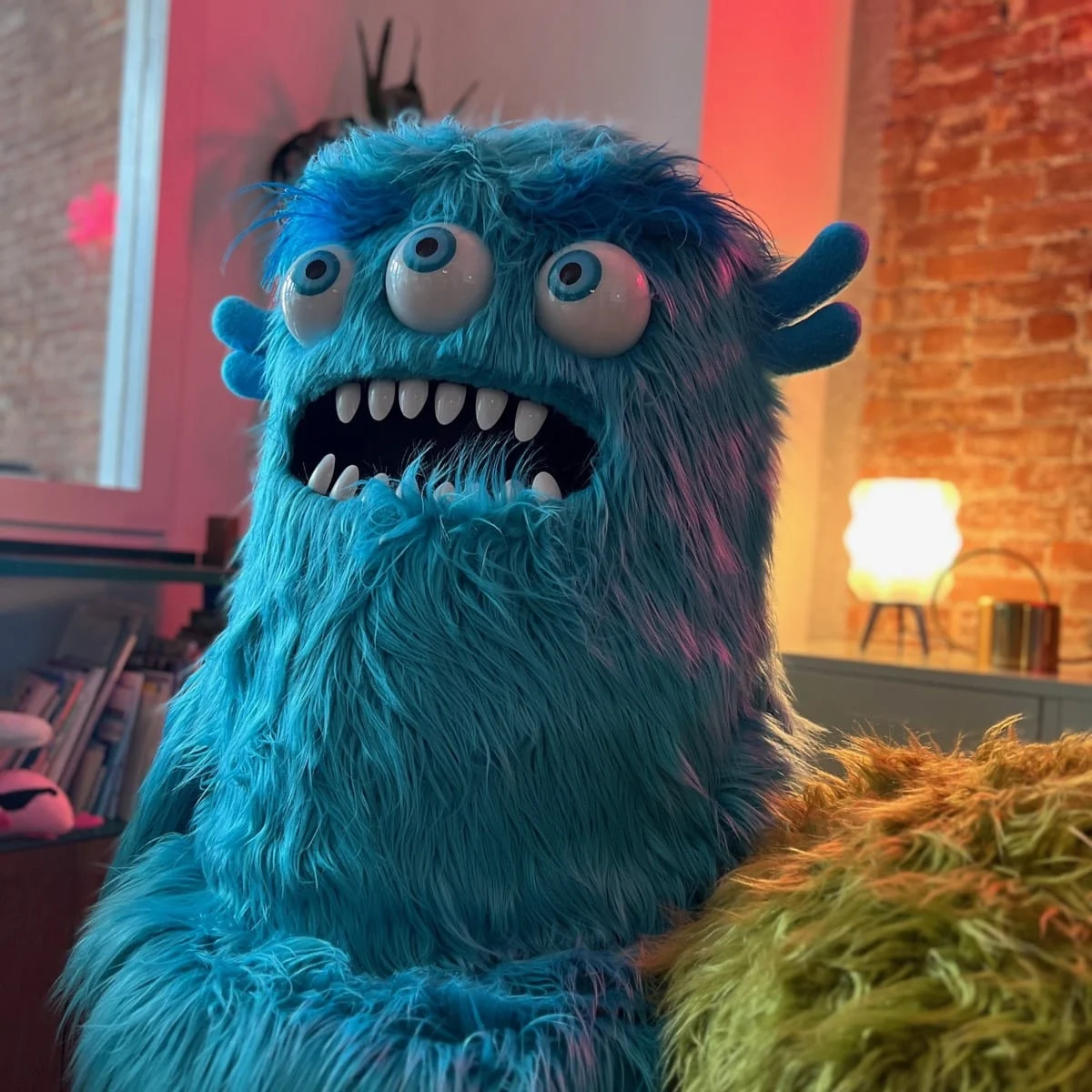
In the heart of Manhattan’s SoHo district, a workspace exists that defies the conventional boundaries of commercial design and fine art. Furry Puppet Studio, a high-end fabrication house, describes its output simply as "pretty unusual work." However, for historians of the avant-garde and practitioners of surrealism, the studio represents something far more profound: the modern frontline of the "uncanny." By hand-carving foam creatures and engineering "impossible" beings, the studio bridges the gap between the whimsical world of puppetry and the psychological depth of surrealist art.
The work produced here—ranging from hyper-realistic puppet doubles of news anchors to lovelorn yetis—serves as a reminder that puppetry is not merely a subset of children’s entertainment. Rather, it is a sophisticated medium of the "marvelous," a concept championed by André Breton, the founder of Surrealism, who sought to insert the dreamlike and the irrational into the fabric of everyday life.
Main Facts: The Intersection of Foam and Philosophy
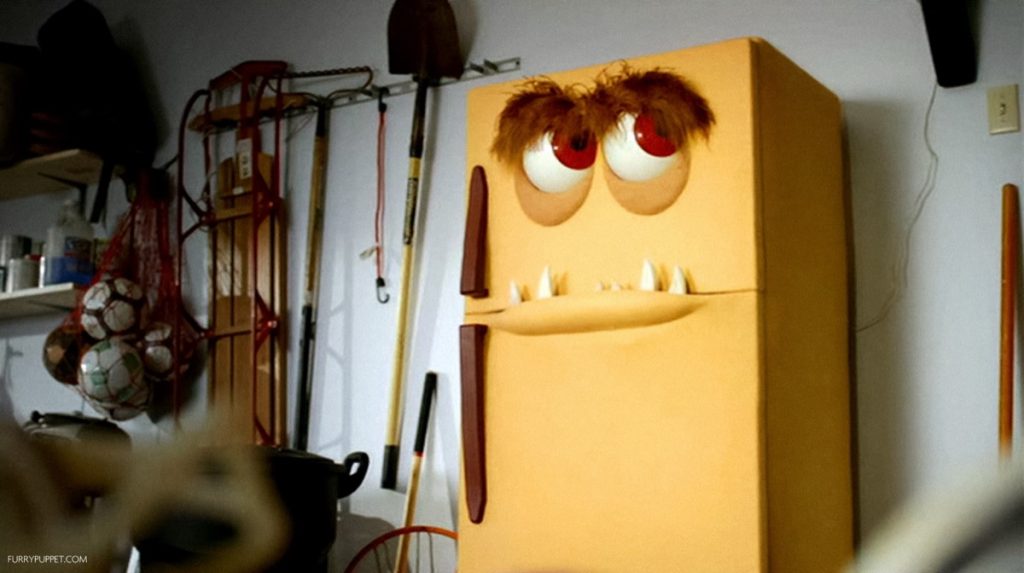
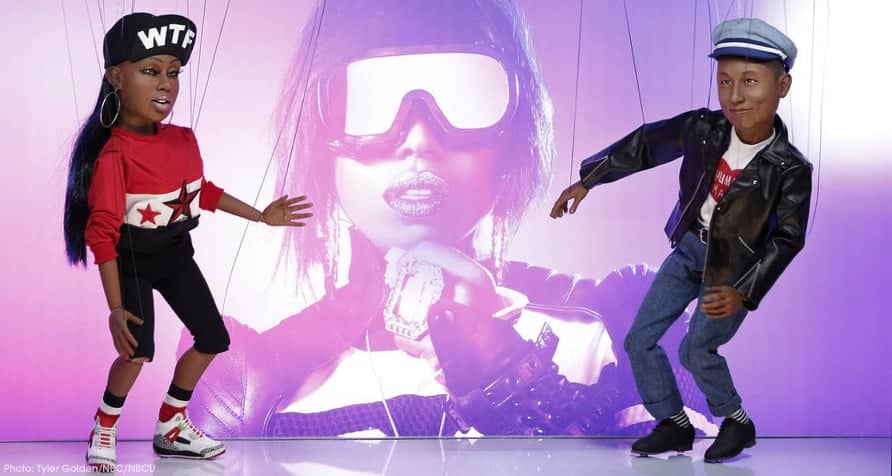
Furry Puppet Studio, founded by Zack Buchman, operates on a philosophy that prioritizes the physical weight of belief. Unlike digital effects, which exist behind a screen, the studio’s creations are "surrealism you can hold." Their portfolio includes custom marionettes for Missy Elliott and Pharrell Williams, animatronic appliances for commercial campaigns, and life-sized mascot suits for high-profile television segments.

The studio’s significance lies in its adherence to traditional, tactile methods in an increasingly digital age. Every creature begins as a solid block of foam. There is no "undo" button; every cut made by the carver is permanent. This high-stakes craftsmanship results in objects that possess a physical presence—a "mass and warmth"—that forces the viewer’s brain to suspend disbelief.
The studio’s work is characterized by three recurring surrealist motifs:
- The Animated Everyday Object: Giving agency and "life" to inanimate items like refrigerators.
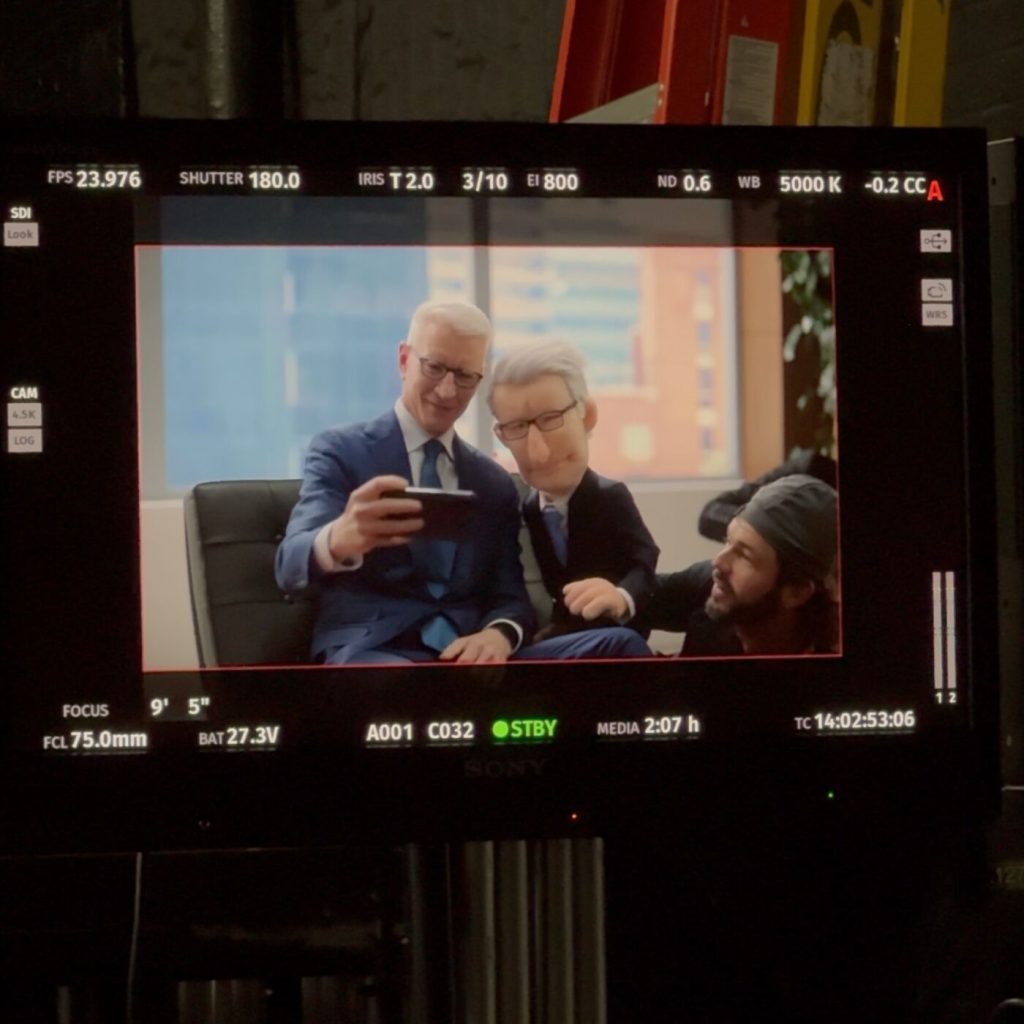
- The Doppelgänger: Creating "uncanny" puppet doubles of real people, such as Anderson Cooper and Andy Cohen.
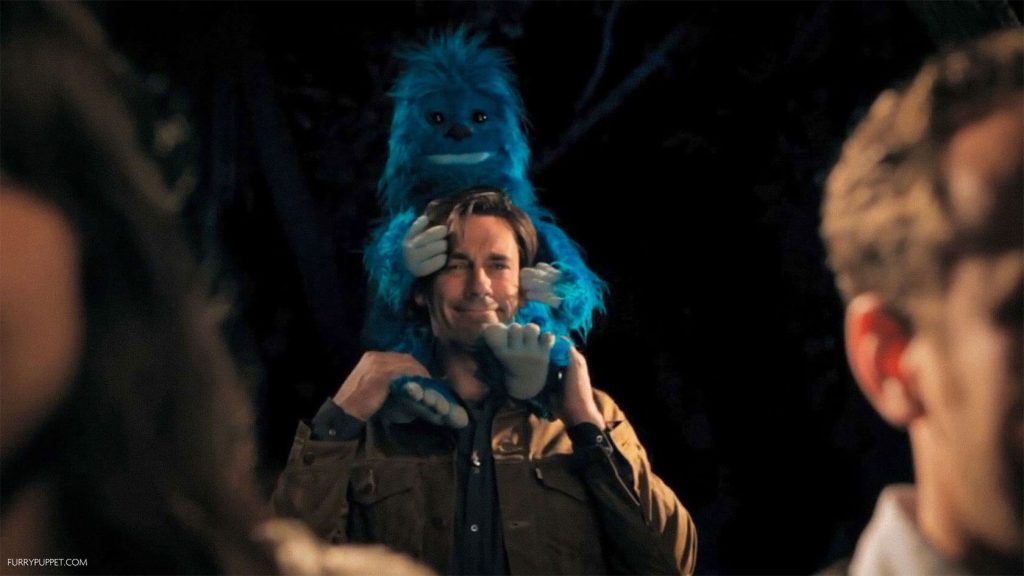
- The Marvelous Disruption: Placing mythological or impossible creatures in mundane settings, such as a yeti hitchhiking on a dark roadside.
Chronology: From the Avant-Garde to the Modern Street
To understand why a SoHo puppet studio belongs in the conversation of fine art, one must trace the lineage of the medium through the 20th century.
1965–1982: The Experimental Henson Era
While the public associates Jim Henson primarily with Sesame Street, his early career was defined by experimental filmmaking. In 1965, Henson released Time Piece, a nine-minute short with no dialogue that utilized associative logic and rhythmic editing. The film, which features a man in a hospital bed and a cowboy shooting the Mona Lisa, was nominated for an Academy Award and screened at the Museum of Modern Art (MoMA). This era established the puppet maker as an avant-gardist who viewed the "animated object" as a tool for psychological exploration.
1986: Big Nazo and the Puppet Show Without a Stage
In 1986, Erminio Pinque, a RISD-trained illustrator, founded Big Nazo in Providence, Rhode Island. Pinque’s mission was to liberate puppetry from the theater. By creating wearable, grotesque, and alien foam creatures that roamed street festivals and "creature dance parties," Big Nazo practiced a form of "public ambush." This was surrealism as performance art, where the "marvelous" erupted into the streets without warning, echoing the surrealist faith in chance encounters.
The 2000s–Present: The Rise of Furry Puppet Studio
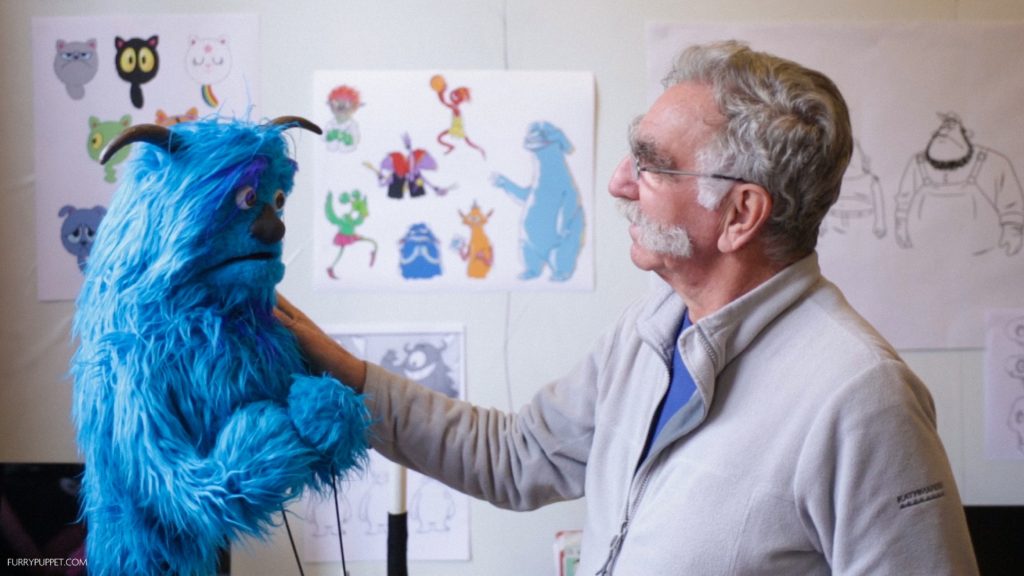
Zack Buchman, a self-taught designer with an "outsider’s angle," established Furry Puppet Studio in SoHo. Buchman’s approach moved away from the "cute" aesthetic often associated with puppets, focusing instead on the "impossible." By recruiting a diverse team—including a mechanical engineer and Polly Smith (a legendary costume designer and co-inventor of the sports bra)—the studio elevated puppet fabrication to a form of high-end industrial design.
Supporting Data: The Mechanics of the "Dream Fleece"
The "strangeness" of the studio’s work is underpinned by rigorous technical specifications and a unique fabrication process.
- The "No Undo" Method: Each puppet starts as a block of industrial foam. The carver, whom Buchman likens to a "real-life Edward Scissorhands," must navigate the material with absolute precision. A single misplaced cut can ruin weeks of work, a process that demands a level of focus akin to classical marble sculpting.
- Dream Fleece: The studio manufactures its own proprietary fabric known as "dream fleece." This material is designed to hide seams and absorb light in a way that mimics the skin or fur of a living creature, further blurring the line between the artificial and the organic.
- The Hinge of the Eye: Buchman identifies the placement of the eyes as the most critical moment in the build. A fractional shift in the "pupil" can change a creature’s demeanor from approachable to menacing. This is the precise point where fabrication ends and "presence" begins—the moment the object appears to look back at the viewer.
- The Uncanny Valley: The studio’s work often operates on the edge of the "uncanny valley," a hypothesis in aesthetics which holds that when anthropomorphic features look and move almost, but not exactly, like natural human beings, it causes a response of revulsion among observers. Furry Puppet Studio masters this by leaning into the "surreal" rather than the "hyper-real," ensuring the creatures feel intentional rather than broken.
Official Responses and Creative Philosophies
The practitioners of this craft view their work not as toy-making, but as the engineering of consciousness.
Zack Buchman, Founder of Furry Puppet Studio:
Buchman describes the ultimate goal as the moment "disbelief clicks off." He argues that his team isn’t just making puppets; they are creating entities that demand a reaction. "We do pretty unusual work," Buchman notes, emphasizing that the studio’s outsider status allows them to bypass traditional puppetry tropes in favor of more surrealist, artistic outcomes.
Erminio Pinque, Founder of Big Nazo:
Pinque has frequently spoken about the importance of "failing wonderfully." For Big Nazo, the "accidents" that occur during street performances are where the most profound artistic juxtapositions happen. This aligns with the surrealist concept of automatism—the belief that the subconscious (or the accidental) can produce a higher truth than a planned execution.
The Henson Legacy:
Historical records of Jim Henson’s work on The Dark Crystal (1982) reveal his commitment to the "weird." When studio executives pressured him to "sand the weirdness off" to make the film more commercial, Henson reportedly resisted, maintaining that the darkness and strangeness were essential to the world-building. This refusal to compromise the "otherness" of his creations set the standard for modern studios like Furry Puppet.
Implications: Why the Physical Matters in a Digital Age
The continued relevance of Furry Puppet Studio and Big Nazo suggests a significant shift in how we value "the real" in art. As AI-generated imagery and CGI become indistinguishable from reality, the value of the "carved object" increases.
1. The Preservation of Weight
The primary implication of Furry Puppet’s work is the restoration of "weight" to the surreal. In a digital environment, anything is possible, which can lead to a sense of visual nihilism—if anything can happen, nothing feels consequential. However, seeing a nine-foot foam insect on a New York street corner (as with Big Nazo) or a puppet double of a famous news anchor (as with Furry Puppet) carries a psychological weight because the object occupies the same physical space as the viewer.
2. The Avant-Garde in the Commercial Space
The studio’s success demonstrates that surrealism is no longer confined to galleries. By getting "some of the strangest images of the last decade onto national television by way of a client invoice," Furry Puppet Studio is Trojan-horsing the avant-garde into the mainstream. A music video featuring a blue yeti or a commercial with a sentient refrigerator are, at their core, surrealist interventions in the consumer experience.
3. The Future of Human Craft
The "no undo" nature of the studio’s work stands as a testament to human skill. In an era of prompts and automation, the act of carving a solid block of foam into a living character is an act of defiance. It suggests that the most profound "magic" in art still comes from the hands of a craftsman who knows exactly where to place the eyes so that the creature finally "breathes."
Ultimately, the work of Furry Puppet Studio, Big Nazo, and the Henson lineage proves that puppetry is the most direct descendant of the surrealist movement. They share the same impossible goal: to place a being in front of you that has no right to exist, and then convince you, for a few seconds, that it is alive and looking back. Whether it is through "dream fleece" in SoHo or foam monsters in Providence, the trick remains the same: the marvelous is real, and it is standing right behind you.