The Lens of Intimacy: Douglas Keeve’s ‘Unzipped’ and the 4K Resurrection of a Fashion Landmark
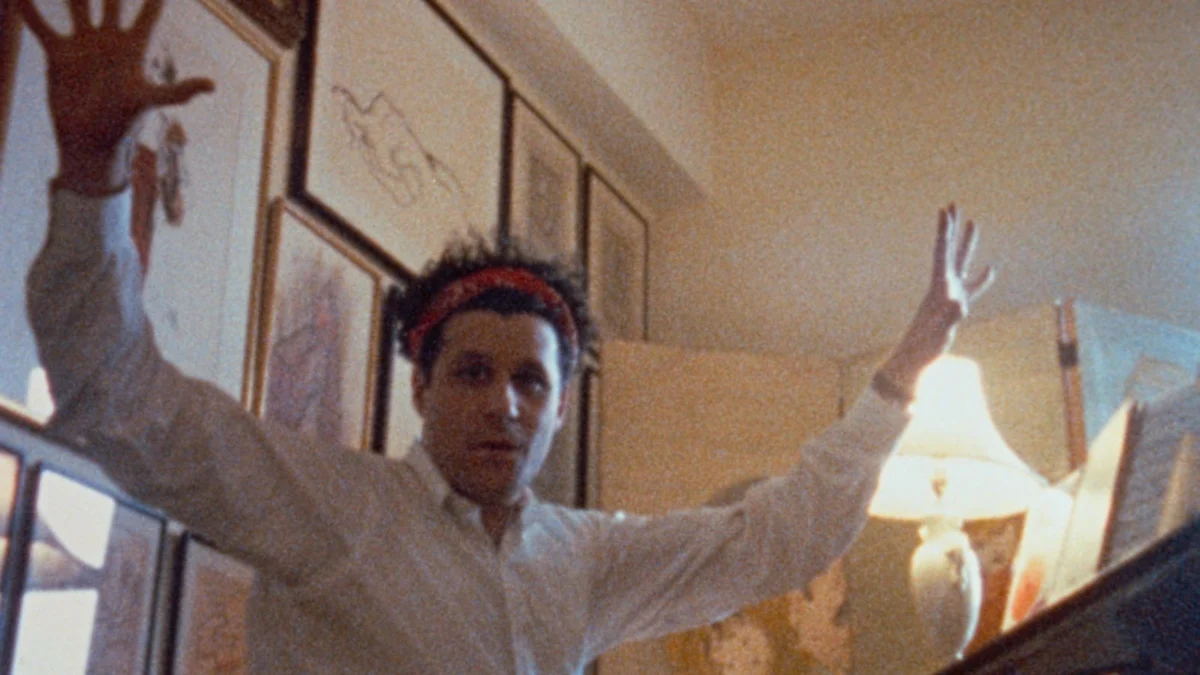
The 1990s in New York City represent a singular convergence of grit, glamour, and high-stakes creativity. At the center of this whirlwind was Isaac Mizrahi, a designer whose wit and "Eraserhead"-adjacent aesthetic made him a darling of the fashion elite. Captured in the amber of 16mm film by his then-partner Douglas Keeve, the 1995 documentary Unzipped remains one of the most candid portraits of the creative process ever committed to celluloid. Now, nearly thirty years after it first stunned audiences at the Sundance Film Festival, a meticulous 4K restoration by Janus Films brings this frenetic, intimate masterpiece back to theaters, offering a fresh look at a moment when the fashion world was transitioning from the exclusive ateliers of Paris to the mass-market aisles of Target.
Main Facts: A Vérité Masterpiece Restored
Unzipped is a vérité documentary that chronicles the mounting of Isaac Mizrahi’s 1994 Fall collection. The film is characterized by its stylistic fluidity, shifting between stark, grainy black-and-white sequences and bursts of vibrant color. At the time of filming, Mizrahi was a rising star supported by a majority financial stake from Chanel, producing haute couture that balanced "sensibly chic" sensibilities with a whimsical, often theatrical flair.
The restoration, spearheaded by the Sundance Institute and the UCLA Film & Television Archive, revitalizes the film’s visual texture. It serves as a time capsule of an era dominated by the "Supermodel" phenomenon, featuring candid, backstage footage of Naomi Campbell, Christy Turlington, Linda Evangelista, Cindy Crawford, and a young Kate Moss. Beyond the runway, the film explores the psychological toll of the fashion cycle, Mizrahi’s inspirations (ranging from Nanook of the North to the 1935 film The Call of the Wild), and the complex interpersonal dynamics that fueled his house.
Chronology: From the Runway to the Archive
1994: The "Nanook" Collection and the Filming Process
The documentary was filmed during a pivotal year for Mizrahi. Coming off a critically panned previous season, the designer was under immense pressure to deliver. Keeve, a photographer and filmmaker who was romantically involved with Mizrahi at the time, was granted unprecedented access. This intimacy allowed him to film Mizrahi in his most vulnerable states—brainstorming in bed, arguing with his mother, and experiencing a near-existential crisis upon discovering that a rival fashion house had also utilized "Eskimo" motifs in their latest collection.

1995: Sundance and the Breakup
Unzipped premiered at the 1995 Sundance Film Festival, where it was an immediate sensation, winning the Audience Award. However, the professional triumph coincided with personal upheaval. Shortly after the film’s release, Keeve and Mizrahi ended their relationship. For decades, speculation persisted regarding whether the intrusive nature of the documentary contributed to their split.
2024: The 4K Restoration and Re-release
In an era of intense ’90s nostalgia—fueled by a resurgence of interest in figures like Carolyn Bessette-Kennedy and the minimalist aesthetic of early Calvin Klein—Unzipped has been targeted for preservation. The 4K restoration by Janus Films aims to preserve the "diamond-polished" quality of the original 16mm and 35mm footage, ensuring that the film’s unique aesthetic survives for a new generation of fashion enthusiasts and cinephiles.
Supporting Data: The Mechanics of 90s Glamour
The film’s historical significance is bolstered by the sheer density of fashion icons present in its 73-minute runtime. This was the peak of the "Big Five" models, and Unzipped captures them not as distant icons, but as working professionals.
- The Models: The film provides a rare look at the "savviness" of the era’s models. Linda Evangelista, in particular, is highlighted for her ability to "perform" for the camera, oscillating between "hissy fits" and professional poise.
- The Business: At the time, the Isaac Mizrahi brand was a high-fashion endeavor backed by Chanel. This stands in stark contrast to Mizrahi’s later career trajectory, where he became a pioneer of "masstige" (mass-prestige) through a highly successful partnership with Target in the early 2000s.
- The Aesthetic: The film’s predominantly black-and-white palette was a deliberate choice by Keeve to mirror the classic Hollywood glamour that often inspired Mizrahi. The restoration highlights the contrast and grain that defined the indie documentary movement of the 1990s.
Official Responses: Douglas Keeve on the "Love Letter"
In a recent interview with IndieWire, Douglas Keeve reflected on the complex intersection of his professional work and his personal life. Addressing the long-standing rumors that the film destroyed his relationship with Mizrahi, Keeve provided a nuanced perspective on the "tricky ethical line" of filming a romantic partner.

"Did the movie break us up? I’m not sure I know how to answer that because relationships are so complicated," Keeve stated. He noted that the primary friction stemmed from their differing lifestyles rather than the camera’s presence. "Isaac goes to two cocktails at dinner and an after-hours party in one night, every night. And I just couldn’t do that… He wanted a partner who could share those things."
Keeve describes Unzipped as a "love letter" to Mizrahi, born out of a genuine fascination with the designer’s "extraordinary" personality. He recounted how he purposefully kept Mizrahi away from the editing room until the film was finished to preserve the integrity of the vision. "I wouldn’t show Isaac the movie when we were editing it at all," Keeve said. "There may be those moments in the movie that may seem like I’m shooting him in the bathtub and exploiting him, but I just always had a camera, and Isaac is somewhat oblivious to the camera in a way."
Regarding the restoration, Keeve emphasized that his focus was less on technical perfection and more on the emotional resonance of the footage. "When I’m watching the movie, I’m not really looking at the technical part… I’m really seeing those moments and feeling those feelings."
Implications: Ethics, Nostalgia, and the Evolution of the Fashion Doc
The Ethics of the Subject-Filmmaker Relationship
Unzipped serves as a primary case study in the ethics of documentary filmmaking. The romantic involvement between Keeve and Mizrahi created a level of intimacy that a detached journalist could never achieve. While this led to a "generously personal" perspective, it also raised questions about exploitation. However, Keeve’s insistence on Mizrahi’s "obliviousness" to the camera suggests a unique synergy where the subject’s natural flamboyance outweighed any concerns about privacy.

The Preservation of 90s Identity
The restoration arrives at a time when the 1990s are being heavily romanticized by Gen Z and Millennials. Unzipped captures the "New York fashion world in miniature"—a world of Parliament cigarettes, downtown lofts, and a specific brand of Jewish-American cultural identity represented by Isaac’s mother, Sarah Mizrahi. The film’s revival ensures that this specific cultural "vibe" is not lost to the degradation of old film stock.
A Blueprint for the Modern Fashion Documentary
Before The September Issue or Dior and I, there was Unzipped. It moved the fashion documentary away from the dry, educational format and toward a character-driven narrative. Mizrahi’s "benign volatility" and his obsession with pop culture references (like Loretta Young in The Call of the Wild) paved the way for the celebrity-designer archetypes we see today.
Legacy of the "Frenemy"
Today, Keeve and Mizrahi maintain what the filmmaker describes as a "frenemy" relationship. Their collaboration on the re-release and restoration suggests a mutual respect for the work they created together during a period of shared passion. As Unzipped returns to theaters like New York’s Film Forum and Los Angeles’ theaters this October, it stands not just as a record of a fashion collection, but as a testament to the beautiful, messy, and often fleeting intersection of art and love.
“Unzipped” is currently playing at Film Forum in New York, with a nationwide expansion to follow, including a Los Angeles premiere on October 9.