The Architect of Perspective: Christopher Nolan on the Director’s Role as the Ultimate Audience
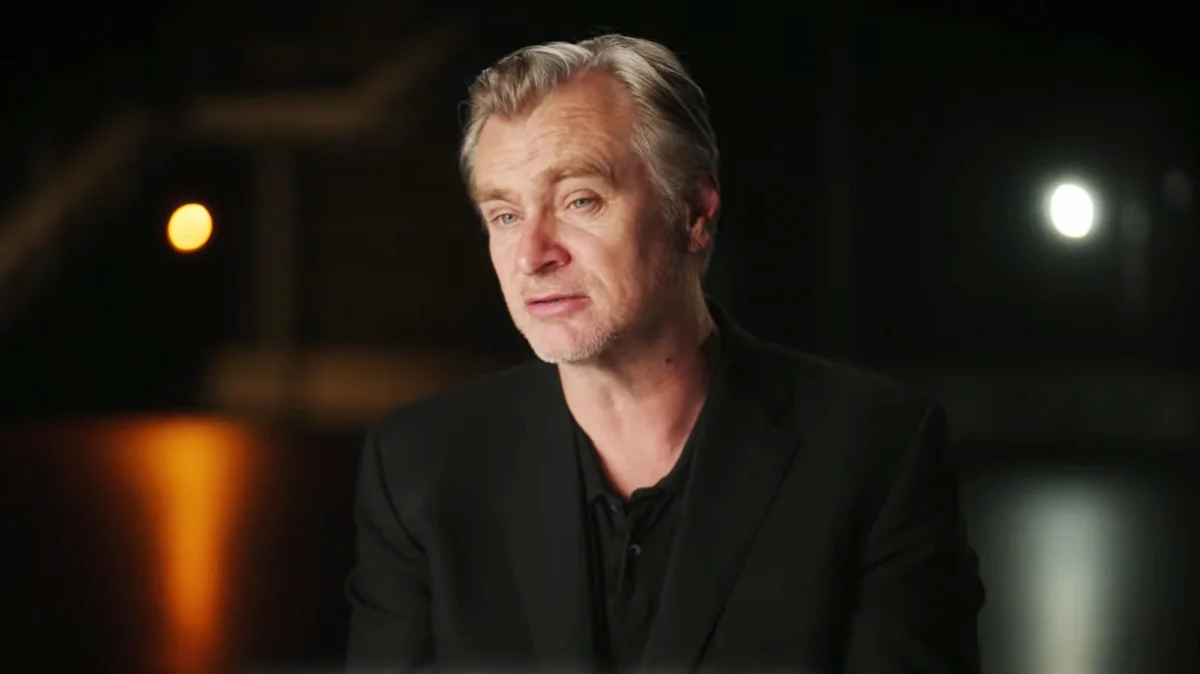
In an era of cinematic production increasingly defined by algorithmic certainties, intellectual property reboots, and a reliance on nostalgia, Christopher Nolan stands as a singular anomaly. He is a filmmaker who has successfully bridged the chasm between dense, cerebral narratives and massive global box-office success. While many directors view their role through the lens of technical mastery or dictatorial oversight, Nolan recently offered a surprising clarification of his craft.
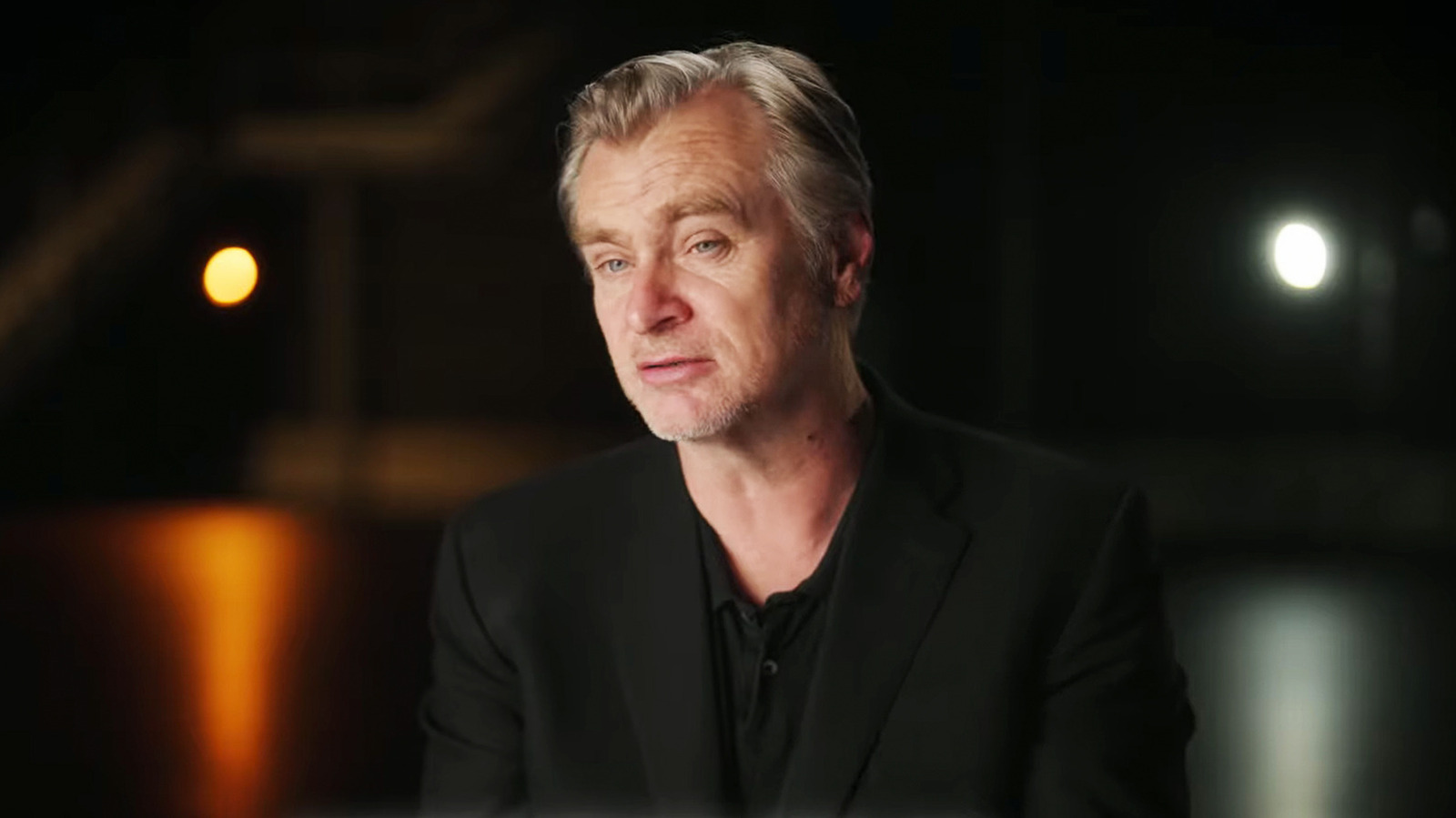
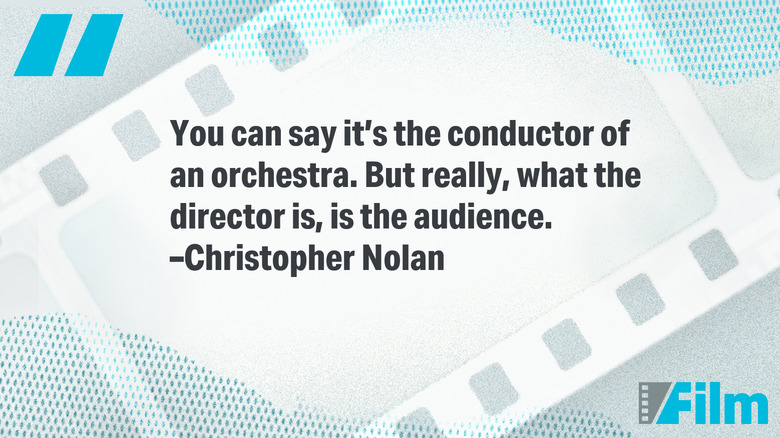
During an insightful retrospective and discussion regarding his latest epic, The Odyssey, Nolan articulated a philosophy that demystifies the high-concept nature of his work: "You can say it’s the conductor of an orchestra. But really, what the director is, is the audience. I’m there on set going, ‘Does this move me? What is this shot? OK, now what’s the next thing I need to see?’"
This revelation serves as the cornerstone of Nolan’s methodology. It suggests that his films—no matter how complex their temporal structures or scientific underpinnings—are rooted in a primal, instinctive reaction to storytelling. By positioning himself as the first spectator, Nolan ensures that his films remain grounded in human experience, even when they are exploring the farthest reaches of space or the deepest layers of the subconscious.
The Evolution of a Visionary: A Chronological Journey
Christopher Nolan’s trajectory from a low-budget independent filmmaker to a titan of the industry is a testament to the "director-as-audience" philosophy. He did not begin with the resources of a major studio; he began with a vision that he himself wanted to witness on screen.
The Guerilla Roots: Following (1998)
Nolan’s debut, Following, was a masterclass in economic filmmaking. Shot on the streets of London for a mere $6,000, the neo-noir thriller utilized a non-linear structure that would become a Nolan hallmark. Because he was working with limited film stock and a cast of friends, every shot had to be essential. Even then, Nolan was acting as the audience, asking what information was necessary to keep a viewer engaged in a complex, fragmented narrative.
The Breakthrough: Memento (2000)
The buzz generated by Following led Newmarket Films to grant Nolan a $4.5 million budget for Memento. The film, which tells the story of a man with short-term memory loss in reverse chronological order, was a radical departure from mainstream conventions. It proved that audiences were not only capable of following complex structures but were hungry for them. Nolan’s instinct—that a viewer would find the puzzle-solving aspect of the film exhilarating rather than exhausting—was vindicated.
The Blockbuster Reinvention: The Dark Knight Trilogy
When Nolan took on the Batman franchise, he applied the same grounded instinct. He famously noted that he wanted to fill the "gap" of a realistic origin story—something he, as a fan, felt was missing from the cinematic landscape. By treating a comic book character with the gravity of a crime epic, Nolan redefined the superhero genre and solidified his status as a director who could command billion-dollar budgets without sacrificing his artistic integrity.
The High-Concept Era: Inception and Interstellar
With the freedom afforded by his success, Nolan delved into original concepts that many studios would have deemed too risky. Inception (2010) explored the architecture of dreams, while Interstellar (2014) tackled quantum physics and relativity through the lens of a father-daughter relationship. In both instances, Nolan’s "audience-first" approach was key; he translated complex theoretical concepts into emotional beats that resonated with a global public.
The Modern Epic: Oppenheimer and The Odyssey
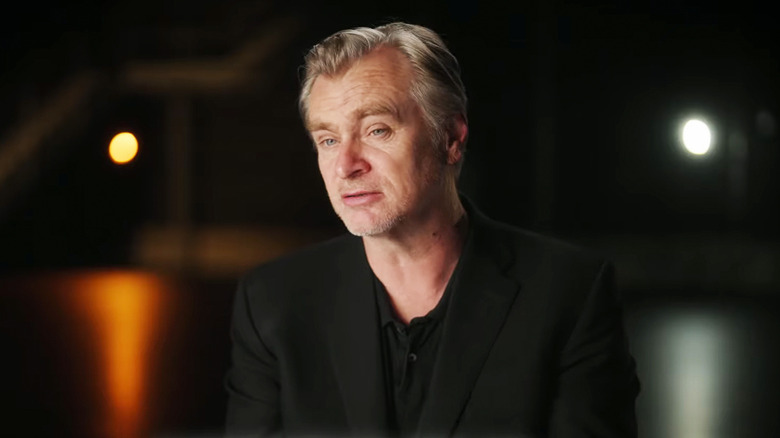
Nolan’s recent work, including the historical weight of Oppenheimer and his reimagining of Homer’s The Odyssey, represents the apex of his career. In these projects, he uses the grandest scale of cinema—IMAX photography and practical effects—to tell stories that are fundamentally about the human condition.
Supporting Data: The Mechanics of the Nolan Method
Nolan’s success is not merely anecdotal; it is supported by a consistent track record of critical acclaim and commercial dominance. As one of the highest-grossing directors of all time, his films have collectively earned billions at the box office, proving that there is a massive market for "challenging" cinema.
The "List of Wants"
In his 2026 interview with Richard Roeper regarding The Odyssey, Nolan explained his preparation process. He began by writing a comprehensive list of everything he wanted to see in a film version of the ancient Greek poem. This list became his North Star. By satisfying his own curiosity and visual desires, he creates a product that feels authentic and urgent.
Technical Prowess as an Audience Tool
Nolan’s insistence on practical effects and celluloid film (specifically 70mm and IMAX) is often viewed as a Luddite’s rebellion against the digital age. However, through the lens of his recent quote, these choices are actually for the benefit of the audience. He believes that the human eye can "feel" the difference between a CGI explosion and a practical one. By prioritizing the tactile reality of the image, he enhances the audience’s immersion.
| Film | Budget | Global Box Office | Primary Theme |
|---|---|---|---|
| Following | $6,000 | $48,482 | Obsession/Identity |
| Memento | $4.5M | $40M | Memory/Grief |
| The Dark Knight | $185M | $1.006B | Chaos/Order |
| Inception | $160M | $837M | Subconscious/Reality |
| Interstellar | $165M | $773M | Time/Love |
| Oppenheimer | $100M | $975M | Legacy/Morality |
Official Context: Insights from the Set
The role of a director is often nebulous. As Nolan pointed out to Roeper, the director doesn’t physically record the sound, act in the scenes, or always operate the camera. So, what is the director’s unique contribution?
The Collaborator’s View
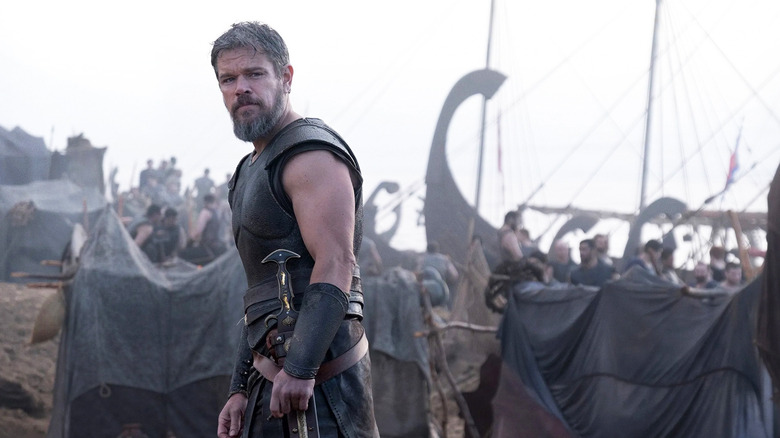
Actors who have worked with Nolan, such as Matt Damon (who stars as Odysseus in Nolan’s latest epic), often speak of his clarity of vision. Damon noted that on the set of The Odyssey, Nolan’s feedback was rarely about technical minutiae and almost always about the emotional clarity of the moment. If Nolan, acting as the "audience," wasn’t moved or convinced, the scene wasn’t finished.
The Clarification of Complexity
Nolan’s gift for clarification is perhaps his greatest strength. In his interview with WBEZ Chicago, he noted that the director’s job is to take the "bits" of other jobs—sound, photography, acting—and synthesize them into a singular experience. By adopting the persona of the audience, he acts as a filter, removing the noise of production to focus on the signal of the story.
Implications: The Future of Original Cinema
Nolan’s perspective arrives at a critical juncture for the film industry. As major studios lean into "safe" bets—exemplified by the recent announcements of Harry Potter reboots and endless cinematic universes—Nolan’s success provides a counter-narrative.
The Death of the "Safe" Bet
The primary implication of Nolan’s philosophy is that artistic merit and commercial success are not mutually exclusive. When a director trusts their own instincts rather than a focus group, the result is often more universal. Nolan’s career suggests that the audience does not want to be patronized with familiar IP; they want to be challenged by a director who is as excited to see the film as they are.
The Empowerment of the Auteur
By demystifying the role of the director, Nolan provides a roadmap for future filmmakers. The "director-as-audience" model encourages creators to trust their sensibilities. In a world of "content," Nolan produces "cinema"—a distinction that relies entirely on the director’s ability to maintain a subjective, emotional connection to the work.
Final Thoughts: Trusting the Instinct
Christopher Nolan’s quote is more than a simple observation; it is a manifesto for the modern filmmaker. It demands a level of self-honesty that is rare in high-stakes Hollywood. To be the audience while standing behind the camera requires a director to be vulnerable to the story, to be willing to be moved, and to have the courage to ask, "What is the next thing I need to see?"
As long as Nolan continues to make films for himself, the rest of the world will likely continue to show up to watch them. His career proves that the most personal visions are often the ones that speak the loudest to the global collective. In the end, we are all just sitting in the dark, waiting to be moved—and Christopher Nolan is right there in the seat next to us.