The Fabric of the Impossible: How SoHo’s Furry Puppet Studio and the Henson Lineage Redefine Modern Surrealism
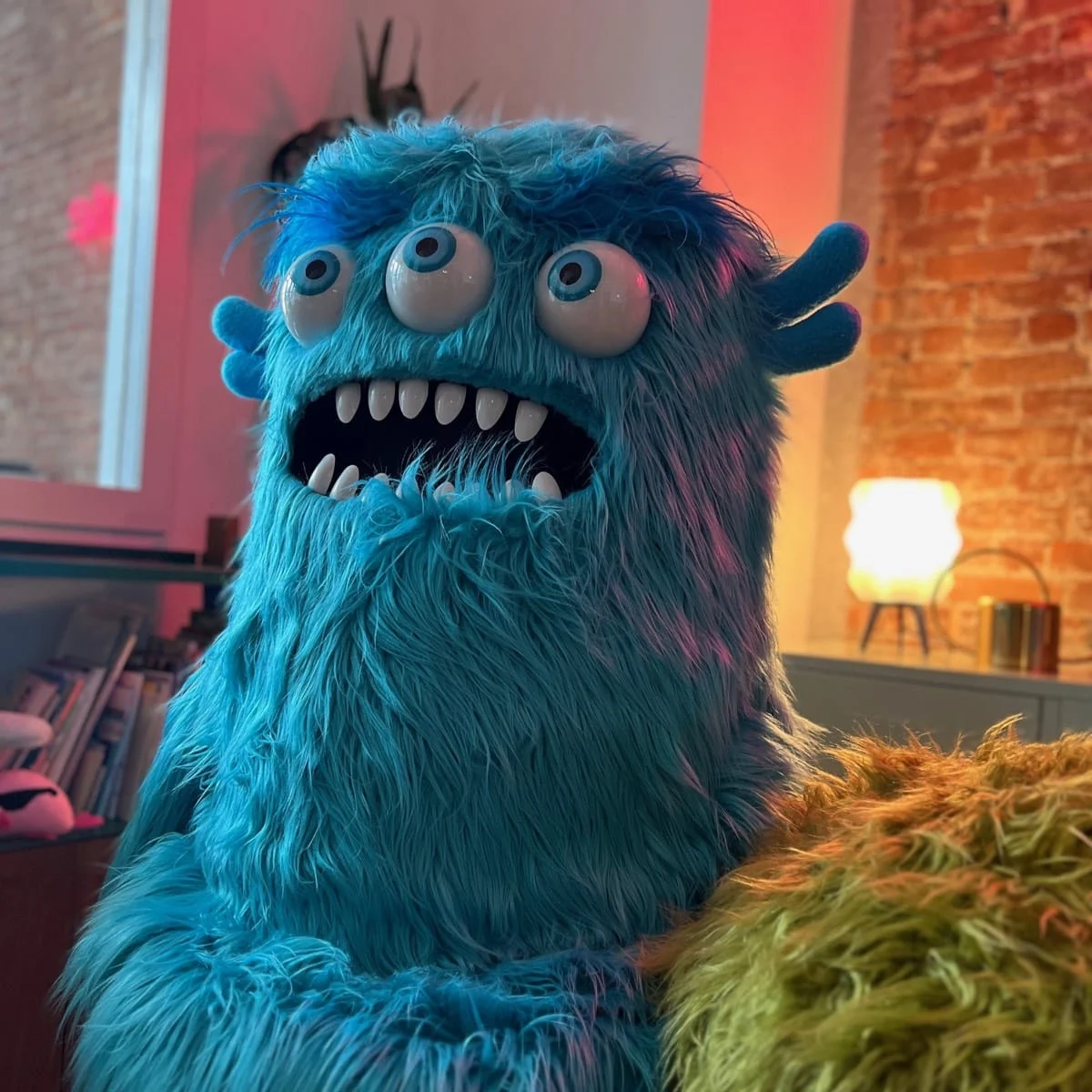
In the heart of Manhattan’s SoHo district, a quiet revolution of the "uncanny" is taking place. While the surrounding neighborhood is synonymous with high fashion and luxury lofts, Furry Puppet Studio operates as a design house dedicated to a much older, stranger craft: the hand-construction of custom puppets and creatures. To the casual observer, these creations might be dismissed as "cute" or "whimsical," but a deeper analysis reveals a sophisticated intersection of mechanical engineering, traditional craftsmanship, and radical surrealism.
The work produced by Furry Puppet Studio—and the lineage it draws from, including Jim Henson and the Providence-based Big Nazo—serves as a reminder that puppetry is not merely a subset of children’s entertainment. Rather, it is a primary vehicle for the "marvelous," a concept championed by André Breton in the Manifesto of Surrealism. By placing a being that has no biological right to exist in front of a viewer and convincing them, however briefly, that it is alive, puppet studios achieve the ultimate goal of surrealist art: the seamless integration of the dream world into the waking one.
Main Facts: The Intersection of Foam and the Fantastic
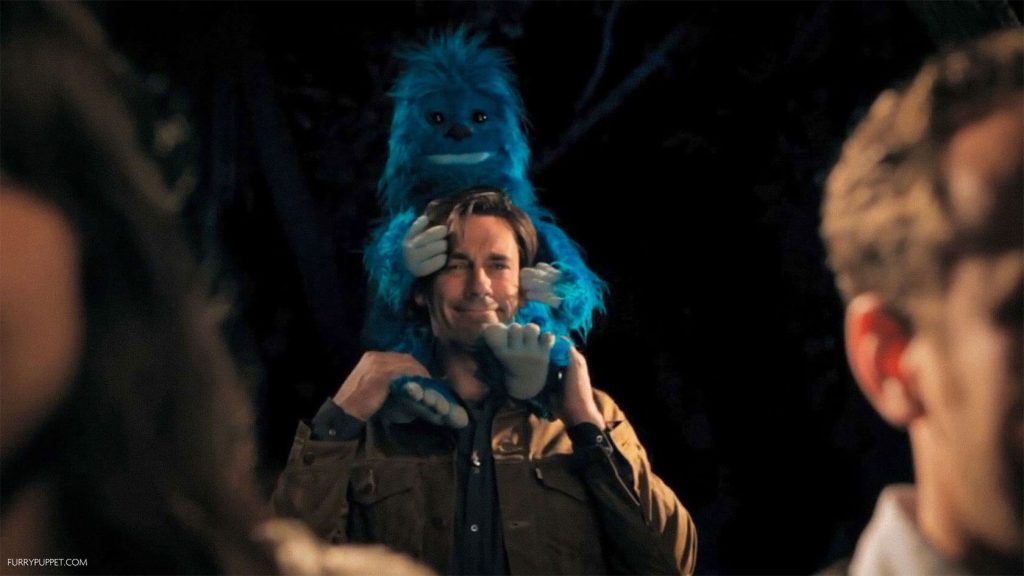
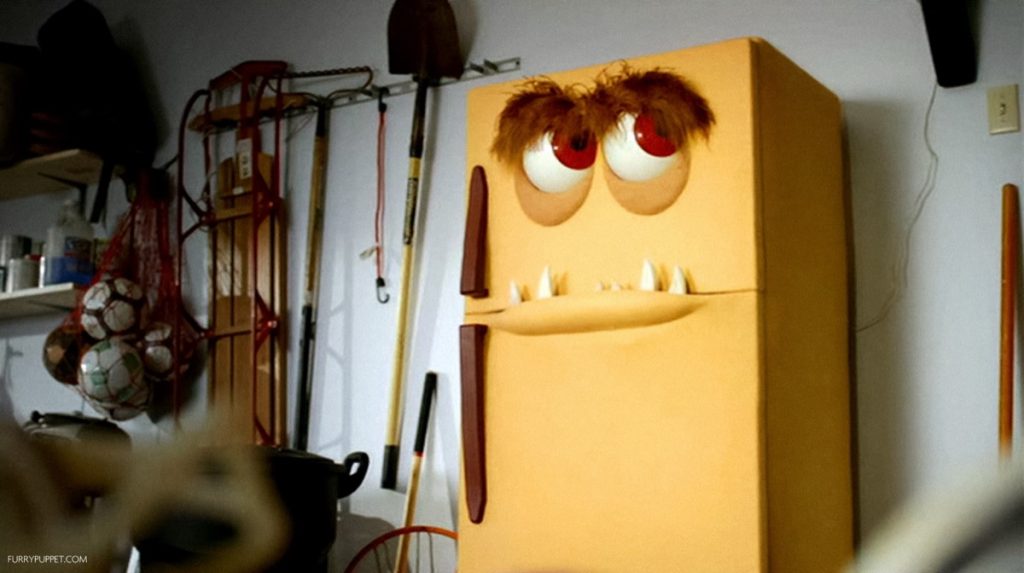
Furry Puppet Studio, founded by Zack Buchman, describes its output simply as "unusual work." This is an understatement. The studio’s catalog reads like a ledger of impossible encounters. From a lovelorn blue yeti hitchhiking with actor Jon Hamm to a refrigerator equipped with bushy eyebrows and a full set of teeth, the studio specializes in the "animated everyday object."

The core of the studio’s practice involves a high-stakes, manual fabrication process. Unlike digital effects, where an artist can "undo" a mistake with a keystroke, Furry Puppet’s creatures are carved from solid blocks of foam. This "no-undo" environment requires a level of confidence and precision more akin to classical sculpture than modern media production. The team behind these creations is equally eclectic, featuring a "real-life Edward Scissorhands" foam carver, specialized mechanical engineers, and Polly Smith, the legendary costume designer and co-inventor of the sports bra.
The studio’s work has permeated global culture, appearing in high-profile campaigns for Apple in Japan, music videos for Missy Elliott and Pharrell Williams, and live broadcasts for CNN. These projects share a common thread: they utilize the "uncanny"—the psychological space where the familiar becomes strange—to arrest the viewer’s attention in a way that CGI often fails to do.
Chronology: From Avant-Garde Roots to Street Ambush
The evolution of puppetry as a surrealist medium can be traced through three distinct phases: the experimental beginnings of Jim Henson, the public interventions of Big Nazo, and the refined commercial surrealism of Furry Puppet Studio.
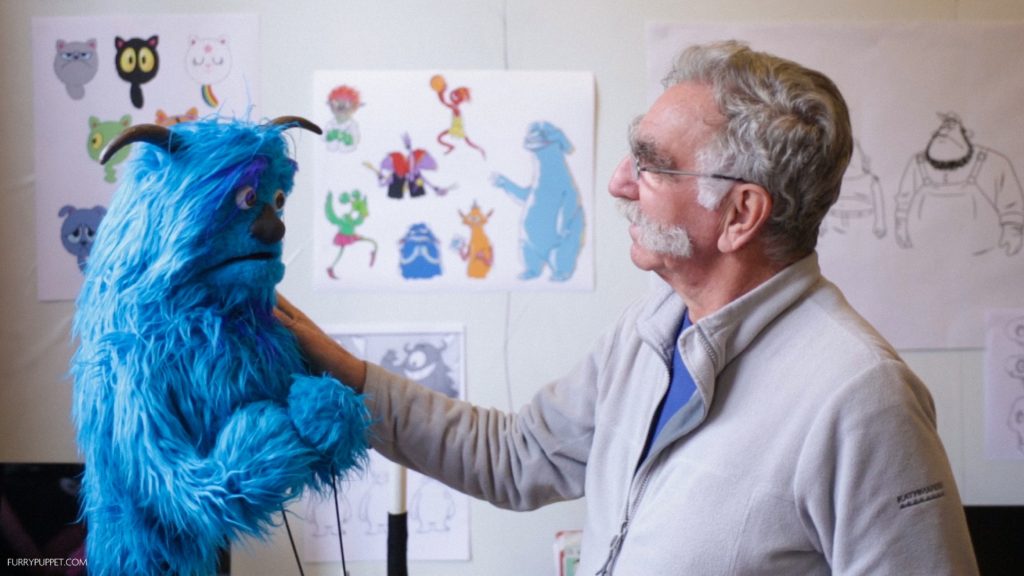
The Henson Era (1960s–1980s): The Experimental Vanguard
While Jim Henson is globally recognized for Sesame Street and The Muppets, his early career was defined by a deep commitment to avant-garde filmmaking. In 1965, Henson released Time Piece, a nine-minute short film with no dialogue and no puppets. Nominated for an Academy Award and screened at the Museum of Modern Art (MoMA), the film follows a man in a hospital bed through a series of associative, dream-like sequences. It features clocks creeping toward midnight, a cowboy shooting the Mona Lisa, and a gorilla on a pogo stick.
This experimental spirit persisted throughout Henson’s life. In 1968, he produced Youth ’68 for NBC, a countercultural documentary exploring the drug culture and social unrest of the era. Even his later masterpiece, The Dark Crystal (1982), was originally intended to be much darker and more alien than the studio system allowed. Henson’s legacy provides the foundation for the idea that the puppet is an avant-garde instrument that simply happened to find a massive audience in children’s television.
The Big Nazo Era (1986–Present): Surrealism as Public Ambush
In 1986, Erminio Pinque, a RISD-trained illustrator, founded Big Nazo in Providence, Rhode Island. Pinque’s goal was to liberate the puppet from the stage. Big Nazo’s output consists of massive, wearable foam creatures that roam street festivals and "creature dance parties."
This era marked the transition of puppetry into "public surrealism." By having a nine-foot insect or a multi-eyed alien turn a standard city corner, Big Nazo practiced what the surrealists called "automatism"—the belief that accidents and chance encounters hold more truth than a planned narrative. Pinque famously embraced the "wonderful failure," noting that the things that go wrong during a street performance often lead to the most profound artistic juxtapositions.
The Furry Puppet Era (2000s–Present): The Refined Uncanny
Furry Puppet Studio represents the modern culmination of these influences. Founded by Zack Buchman, who credits his "outsider" status (having never attended college) for his unique perspective, the studio brought the grit of street puppetry and the experimentalism of Henson into the high-precision world of SoHo design. The studio’s work is characterized by "Dream Fleece," a custom-manufactured fabric that gives their creatures a tactile, otherworldly glow, and a focus on the "doppelgänger" motif—the exact psychological trigger that Sigmund Freud identified as the root of the uncanny.
Supporting Data: The Mechanics of the "Marvelous"
The effectiveness of these puppets relies on specific technical innovations and psychological triggers.
The Fabrication Process
Every Furry Puppet creation begins as a raw block of industrial foam. The carving process is subtractive; once material is removed, it cannot be replaced. This creates a physical tension in the work that translates to the final product.
- Dream Fleece: The studio manufactures its own textiles to ensure that the "skin" of the creature reacts to light in a way that feels organic yet impossible.
- The Hinge Moment: Buchman identifies the placement of the eyes as the most critical step. A fractional shift in the "pupil" can change a creature’s persona from menacing to vulnerable. This is the moment the object "starts looking back."
Case Studies in Commercial Surrealism
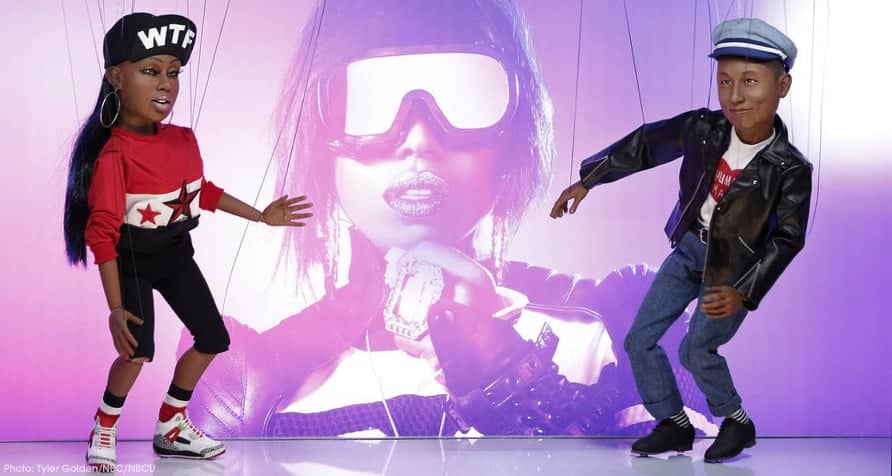
- Missy Elliott’s "WTF (Where They From)": The studio built full-scale marionettes of Missy Elliott and Pharrell Williams. These were not traditional puppets; they were re-engineered so that professional street dancers could operate them, blending human kinetic energy with foam aesthetics.
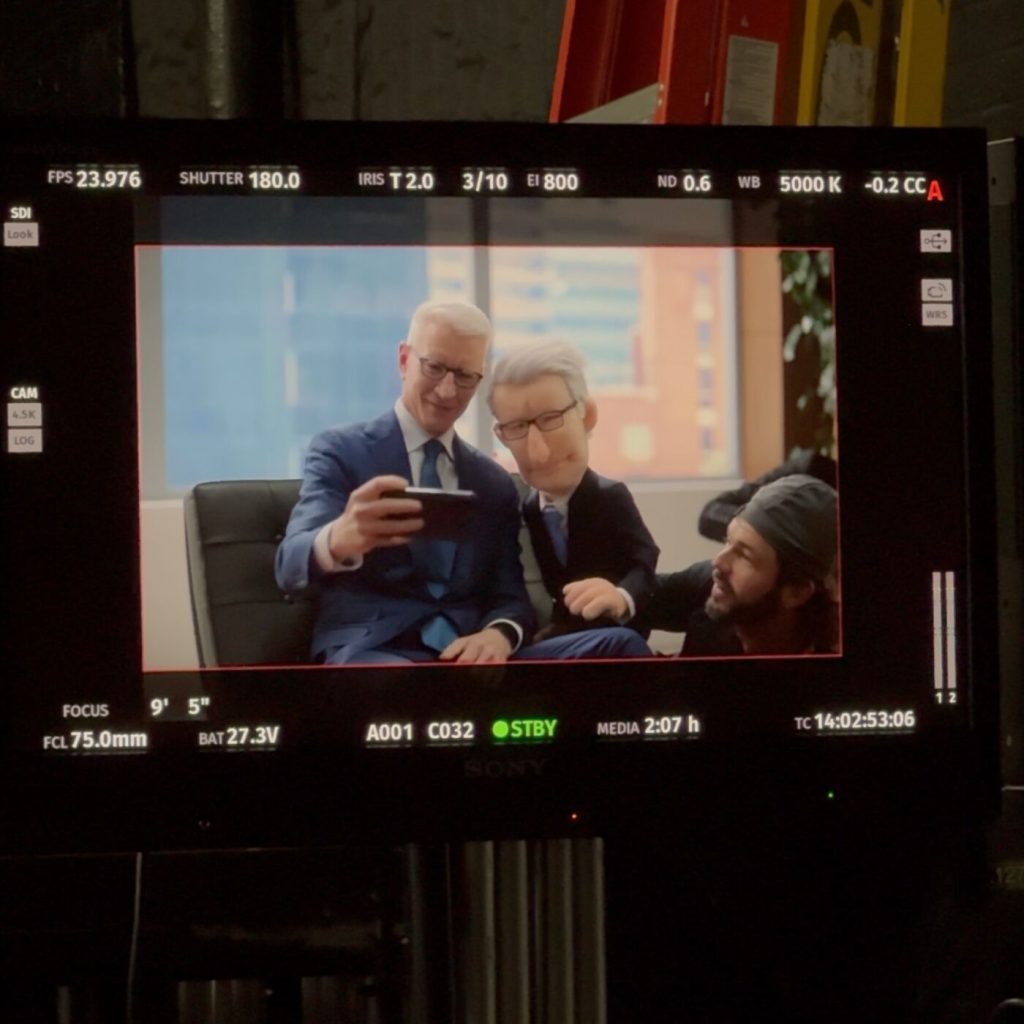
- CNN New Year’s Eve: The studio created puppet doubles of Anderson Cooper and Andy Cohen. The resulting image of the humans taking a selfie with their foam doppelgängers became a viral sensation, playing directly on the "uncanny double" trope.
- Apple Japan Campaign: For a two-year project, the studio carved characters in New York and shipped them to Tokyo to be seated on public benches next to the humans they were modeled after. This staging—the copy and the original sharing a seat in broad daylight—is a classic surrealist tableau.
Official Perspectives: The Philosophy of Disbelief
The creators of these creatures view their work through a lens that is more psychological than theatrical. Zack Buchman describes the goal of his studio as the moment "disbelief clicks off."
"The brain stops hunting for the rods and simply accepts that what it is seeing is alive," Buchman has noted. This sentiment aligns with the "Uncanny Valley" theory proposed by Masahiro Mori in 1970. The theory suggests that as an object becomes more human-like, it eventually reaches a point where it becomes deeply unsettling. Furry Puppet Studio and Big Nazo operate specifically on the edge of this valley, tuning their creations to be "just real enough" to feel sentient, but "just alien enough" to remain in the realm of the marvelous.
Erminio Pinque of Big Nazo echoes this, emphasizing the importance of physical presence. "The accidents are where the good work comes from," he says. This reliance on the physical world—gravity, foam density, and manual movement—stands in stark contrast to the weightlessness of digital animation.
Implications: The Persistence of the Physical in a Digital Age
The continued success and relevance of studios like Furry Puppet suggest a growing cultural fatigue with purely digital imagery. As AI-generated art and CGI become ubiquitous, the value of a physical object—carved by a human hand and existing in three-dimensional space—has increased.
The Weight of Truth
A puppet has weight, warmth, and physical presence. When a viewer sees a foam yeti standing on a real roadside next to a real car, the brain processes the image differently than it does a rendered character. The puppet makers possess a century of knowledge about the "moment of life"—the exact confluence of movement and gaze that triggers a sense of connection in the viewer.
A New Chapter for Surrealism
This tactile approach to the surreal is not a retreat into the past, but a path forward. By combining traditional foam carving with modern mechanical engineering and custom textiles, Furry Puppet Studio is proving that the most effective way to explore the dream state is through the most tangible materials.
As we move further into an era of synthetic media, the "surrealism you can hold" produced in a SoHo basement becomes more than just a craft. It is a vital preservation of the human element in art, reminding us that the most convincing illusions are those that we can reach out and touch. The through-line from Henson’s experimental films to Big Nazo’s street parades and Furry Puppet’s commercial masterpieces is clear: the puppet is not a toy; it is a key to the "marvelous" that remains hidden in the ordinary world.