
The Squared Circle of the Soul: Navigating Identity and Trauma in Bread Tarleton’s ‘Soften the Blow’
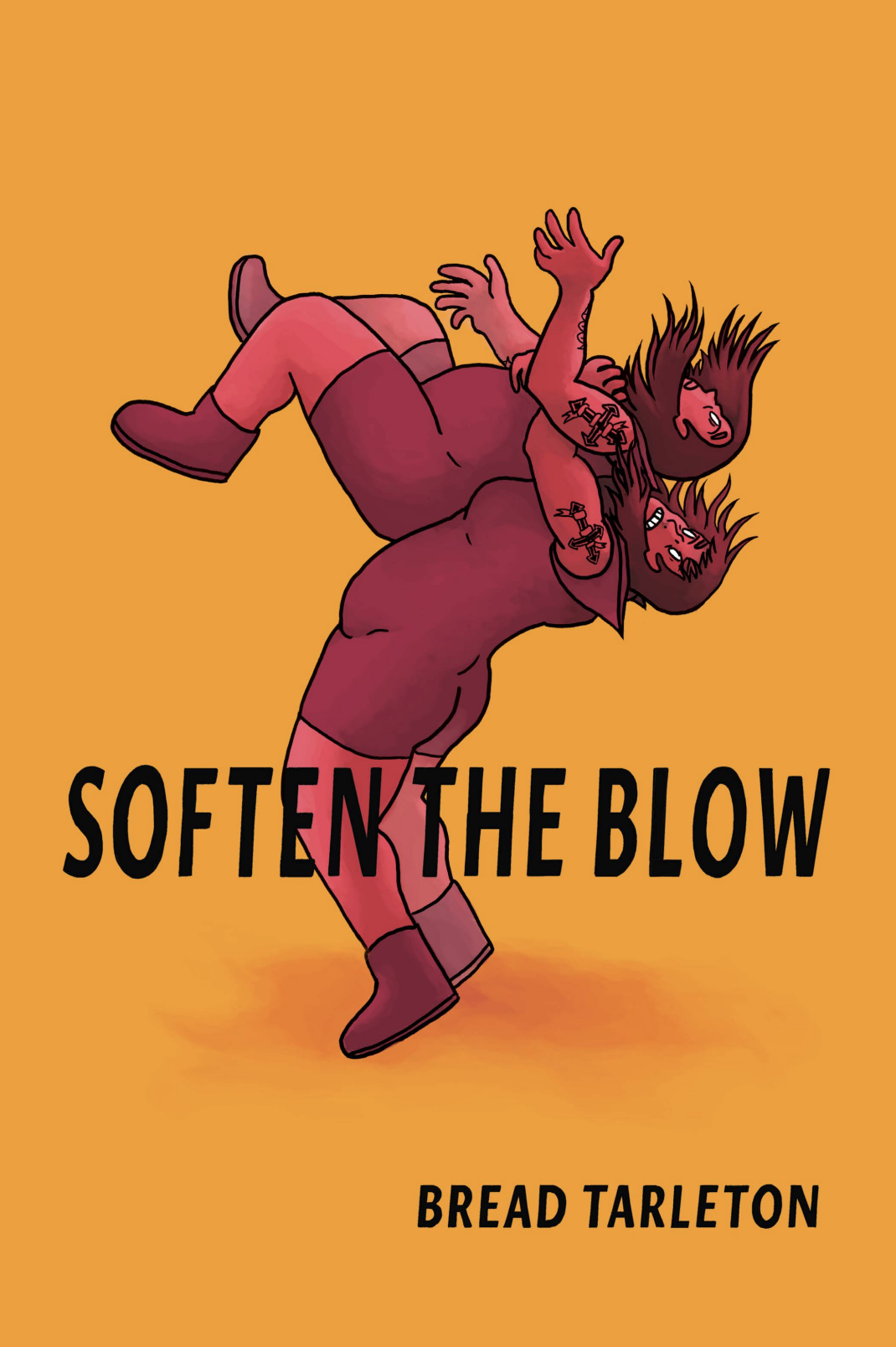
Professional wrestling is often dismissed as mere spectacle, a choreographed dance of hyper-masculinity and predetermined outcomes. However, for those who look closer, it serves as a profound lens through which to view the complexities of the 21st-century American experience. In his evocative graphic novel Soften the Blow, creator Bread Tarleton utilizes the high-stakes, body-focused world of professional wrestling to explore the deeply personal terrains of trans identity, body dysmorphia, and the lingering shadows of trauma.
The work, reviewed here through the eyes of Robert Newsome, emerges not just as a sports story, but as a visceral exploration of the "self" versus the "persona," and the grueling process of reclaiming one’s humanity after the cheering stops.
Main Facts: The Anatomy of ‘Soften the Blow’
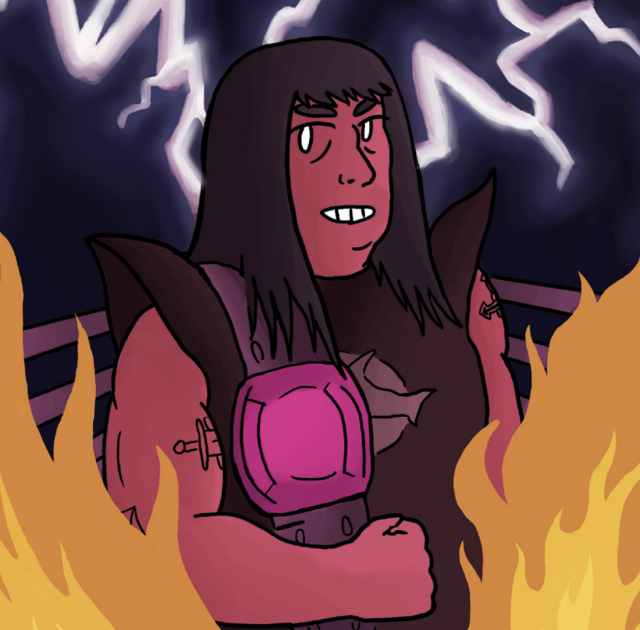
Soften the Blow centers on Audrey, a former professional wrestler who has retreated to a quiet, isolated life in a small town. Audrey is a trans woman who, during her time in the ring, performed under the moniker "Megalodon." The narrative does not dwell on the glory days of her career; instead, it picks up the pieces of the aftermath. Audrey is a woman haunted—both by the physical toll of her former profession and the psychological weight of a persona that refuses to stay buried.
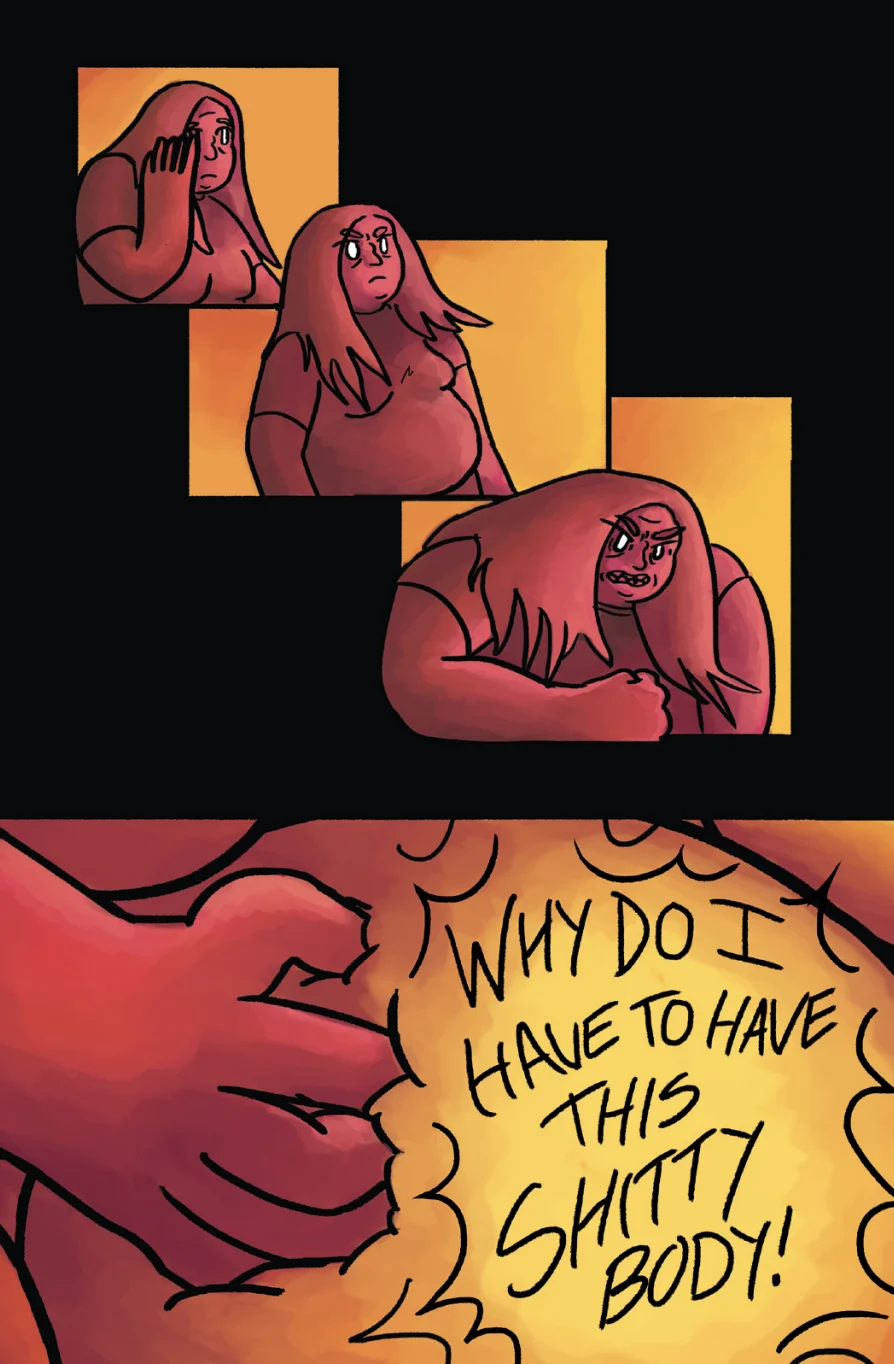
The book is characterized by Tarleton’s distinct artistic style: a "pleasantly rough-around-the-edges" aesthetic that leans into the cartoony while maintaining a sharp, emotional edge. It is a work that prioritizes internal states over external action, using the visual language of comics to render invisible struggles—such as intrusive thoughts and body dysmorphia—into tangible, often terrifying, imagery.
Key Themes:
- The Persistence of Trauma: Audrey’s past is depicted not as a memory, but as a predator.
- Body Dysmorphia: The intense pressure of a body-based industry like wrestling exacerbates Audrey’s struggle with her corporeal form.
- Identity Duality: The blurred line between the performer (the person) and the character (the gimmick).
- Recovery: A candid look at alcohol abuse as a coping mechanism for unresolved pain.
Chronology: From the Ring to the Mirror
The narrative structure of Soften the Blow is less about a linear progression of events and more about the slow, agonizing, and ultimately triumphant reclamation of the self.
1. The Exit and the Isolation
The story begins in the vacuum left by Audrey’s departure from the wrestling industry. We learn that an in-ring incident—left partially to the reader’s imagination—precipitated her exit. Now living in a small town, Audrey is "unfocused" and "alone." This period is defined by a lack of direction, where the silence of civilian life allows the "noise" of her past to become deafening.
2. The Manifestation of Megalodon
As Audrey attempts to build a new life, her former persona, Megalodon, begins to haunt her. Tarleton visually represents this through a shark that "plows its way through a field" or stares back at Audrey from the mirror with "dead eyes." This phase of the book explores the intrusive nature of the past. Audrey is not just remembering her time as a wrestler; she is being "hunted" by the version of herself that the world once demanded she be.
3. The Internal Critic and Dysmorphia
Parallel to the haunting of Megalodon is the presence of another version of Audrey—a hyper-critical internal voice. This "other self" chastises her for failing to meet "unobtainable ideal states of existence." This period in the chronology highlights the specific intersection of her trans identity and her history in a business that commodifies the body. Every "lapse" in her physical presentation is met with internal rage and self-sabotage.
4. The Turning Point: Reclaiming the Physical
The narrative reaches a critical juncture through mundane but weighted acts of self-care. Tarleton devotes an entire page to a haircut, utilizing a time-lapse technique to give the moment "weight and heft." This signifies the beginning of Audrey’s attempt to "soften the blow" of her own existence—to stop fighting her body and start inhabiting it.
5. The Triumphant "Babyface Turn"
In wrestling parlance, a "babyface turn" occurs when a character becomes a hero. Audrey’s journey concludes with an emotionally affecting transcendence. By confronting the "razor-tooth-lined jaws" of her past and choosing joy over self-punishment, she achieves a catharsis that mirrors the greatest redemption arcs in sports history.
Supporting Data: The Performance of Self and the Wrestling Metaphor
To understand why Soften the Blow is such a potent piece of literature, one must examine the sociological data regarding professional wrestling and identity.
The "Bollea vs. Gawker" Precedent
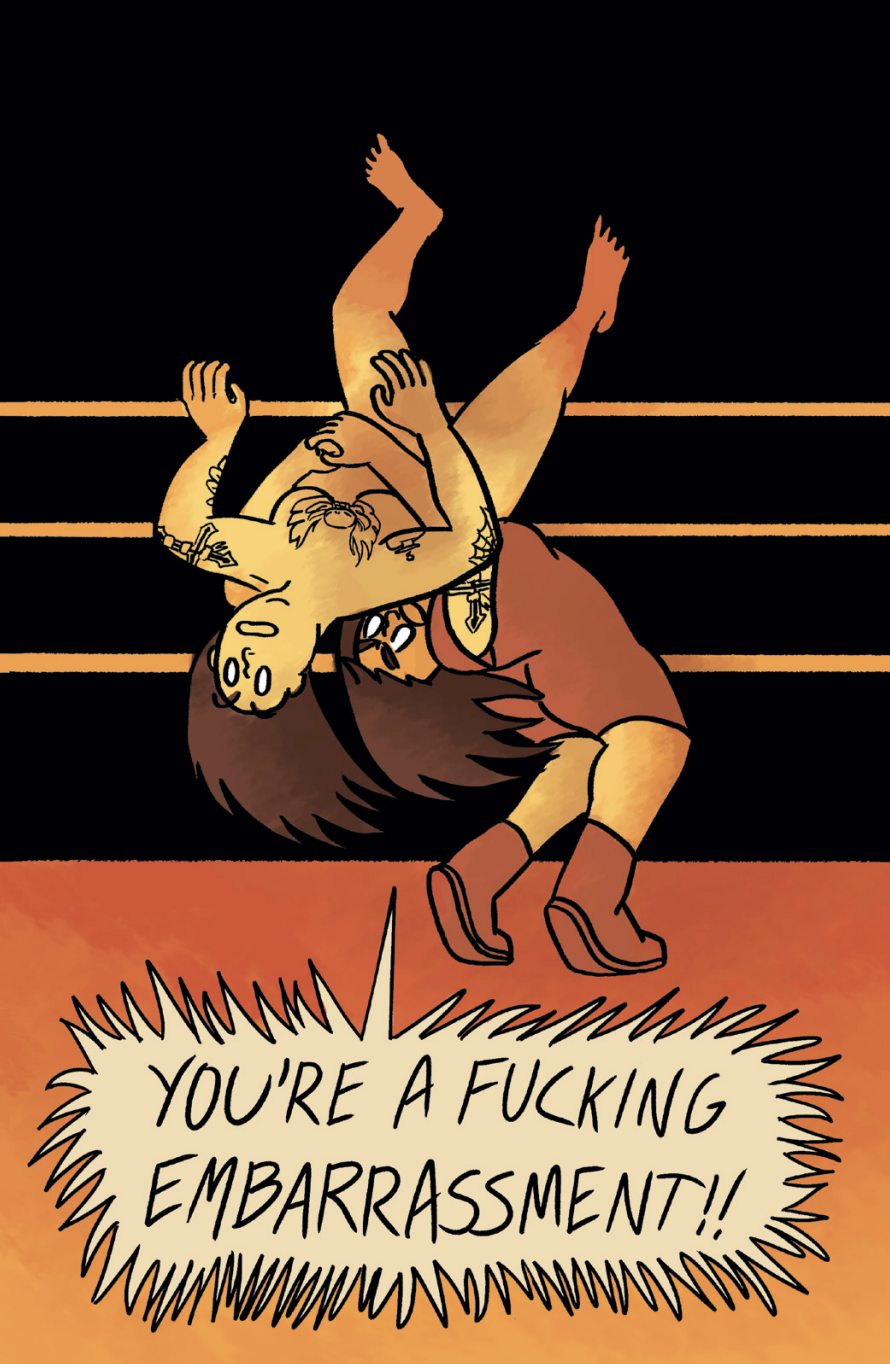
The article references the 2013 trial of Terry Bollea (Hulk Hogan) as a landmark moment in understanding the separation of self. In legal testimony, Bollea had to distinguish between his actions as a private citizen and his actions as the "Hulk Hogan" character. This "haziness" is central to Audrey’s crisis. In wrestling, the "work" (the performance) often bleeds into "shoot" (real life). For a trans woman, who may already feel a disconnect between her internal identity and her external presentation, this blurring can be catastrophic.
Body-Based Industries and Mental Health
Wrestling is a "pressure cooker" for body image issues. Unlike traditional athletes, wrestlers are judged on their aesthetics as much as their performance. Data suggests that performers in body-centric industries (wrestling, bodybuilding, modeling) experience higher rates of body dysmorphic disorder (BDD). For Audrey, her transness adds a layer of complexity; the "rules" she sets for herself are a survival mechanism in a world that often scrutinizes trans bodies with a voyeuristic or judgmental eye.
Visual Storytelling Statistics
Tarleton’s rejection of traditional "gutters and grids" in favor of more fluid layouts is a strategic choice. In comics theory, the "gutter" (the space between panels) is where the reader’s imagination works. By breaking these boundaries, Tarleton forces the reader to experience Audrey’s lack of boundaries—where the past and present, the shark and the woman, occupy the same space.
Official Responses: Critical Reception and Authorial Intent
While Soften the Blow is an indie work, its resonance within the comics community has been significant. Critics have noted that Bread Tarleton has achieved a rare feat: creating a character that feels "fully realized" despite the reader only seeing fragments of her history.
Robert Newsome, The Comics Journal:
"Tarleton’s art shines in its depiction of internal struggles… it deftly depicts the past’s lurking trauma, dysmorphia’s gnawing agony, and, in an incredibly emotionally affecting ending, the transcendence of joy and acceptance."
The Aesthetic Approach:
Commentary on the book often highlights the "Hutch Owen-era Tom Hart" influence—a style that favors emotional honesty over anatomical perfection. This "roughness" is viewed as a deliberate choice to mirror Audrey’s own "rough edges." By making the art feel unpolished, Tarleton makes the emotional stakes feel more authentic.
On Trans Representation:
Early readers and critics have praised the book for its "nuanced" portrayal of trans identity. It eschews the "tragic trans" trope in favor of a "triumphant struggle." The focus is not on the transition itself, but on the existence of a trans woman in the aftermath of a career that demanded she be a caricature.
Implications: The Power of Medium-Specific Storytelling
The success of Soften the Blow carries several implications for the future of the graphic novel medium and the way we discuss marginalized identities.
1. Comics as a Tool for Mental Health Advocacy
The ability to draw "the intangible"—such as a shark representing a former persona—allows comics to communicate the experience of mental illness in a way that prose or film often cannot. Tarleton’s work suggests that the visual metaphor is perhaps the most effective way to explain the "haunting" nature of PTSD and dysmorphia to a general audience.
2. The Evolution of the "Sports Story"
Soften the Blow signals a shift in how sports narratives are constructed. The "big win" at the end of the book is not a championship belt; it is the ability to look in the mirror without seeing a monster. This redefines "victory" for a generation of readers more interested in emotional intelligence than physical dominance.
3. Identity and Authenticity in the 21st Century
The book reinforces the idea that identity is a "wrestle." We all have "gimmicks" or personas we project to the world. The challenge, as Audrey demonstrates, is learning when to take the mask off. As society becomes increasingly mediated through social media (a form of digital kayfabe), the lessons of Audrey’s journey—finding the "Richard Morgan Fliehr" beneath the "Ric Flair"—become universal.
Ultimately, Soften the Blow is a testament to the resilience of the human spirit. It acknowledges that while the past is "difficult to escape," it does not have to be a cage. Through Audrey, Bread Tarleton offers a roadmap for anyone who has ever felt consumed by their own history, proving that even after the most humiliating losses, a "bright moment of joy" is always worth the climb.

Leave a Comment