
"Hello Wizard I Have a Problem": A Deep Dive into Collaborative Incompetence and Comedic Sorcery
FOR IMMEDIATE RELEASE
London, UK – [Current Date] – The world of tabletop roleplaying games (TRPGs) is poised for a fresh injection of collaborative chaos and absurdist humor with the emergence of "Hello Wizard I Have a Problem." This innovative new TRPG, currently concluding a successful crowdfunding campaign, promises players the unique opportunity to embody powerful yet spectacularly incompetent spellcasters, crafting bizarre narratives fueled by magical mishaps and shared storytelling. Developed by Sam Armstrong with evocative artwork by Evlyn Moreau, the game distinguishes itself through its accessible rules, rapid setup, and a distinctive player-driven narrative where the collective decision-making of the group actively sabotages — to hilarious effect — the spellcasting ambitions of their peers.
Main Facts: Unleashing the Unpredictable Arcane
"Hello Wizard I Have a Problem" is an upcoming tabletop roleplaying game designed for any number of players, focusing on collaborative storytelling within a world of chaotic magic. Departing from traditional TRPG structures, the game invites participants to weave tales of a coven of sorcerers whose grand magical ambitions frequently unravel into unforeseen, often comical, disasters. The core premise leans heavily into the vein of absurdist fantasy comedy, drawing clear inspiration from iconic British comedic troupes like Monty Python, as well as more contemporary cult hits such as The Mighty Boosh and the critically acclaimed series "What We Do in the Shadows." This lineage suggests a game where the bizarre is the norm, and the unexpected is not just welcomed but actively encouraged.
At its heart, "Hello Wizard I Have a Problem" champions a dynamic, rotating GM system. Players take turns stepping into the dual roles of spotlight player character – a wizard attempting to cast a spell – and collective Game Master (GM). When a player assumes the mantle of the spotlight wizard, their primary objective is to impress their fellow spellcasters with a display of their arcane prowess. They describe the spell they intend to cast and its desired effect. However, the twist lies in the collective GM role: the other players collaboratively decide how this spell inevitably, and often spectacularly, goes wrong. This unique interaction fosters a shared sense of ownership over the narrative’s direction and ensures a constant stream of comedic subversion.
A central tool for this magical mayhem is the "Problem Generator," a meticulously designed component of the game’s rulebook. This generator is not merely a simple table but a sophisticated system capable of producing over 200,000 unique prompts for potential disastrous outcomes. This vast array of possibilities guarantees that no two spell failures will ever be quite the same, ensuring high replayability and endless comedic potential. Once every player has had multiple opportunities to showcase (and subsequently botch) their spellcasting abilities, the game concludes. A loose, improv-based scoring system then determines who among the coven is deemed the "most impressive wizard," often less for their magical success and more for the sheer audacity or hilarity of their failures.
The design philosophy behind "Hello Wizard" emphasizes accessibility and immediate engagement. Its rule system is lauded for being remarkably straightforward, enabling players to grasp the mechanics quickly and transition seamlessly into gameplay. Setup is designed to be swift, allowing groups to dive into their magical misadventures with minimal preamble. Furthermore, the rulebook extends beyond mere mechanics, offering valuable advice and a suite of optional rules, empowering players to tailor their playthroughs to their group’s specific preferences and desired level of chaos.
Chronology: From Concept to Crowdfunding Success
The journey of "Hello Wizard I Have a Problem" from a nascent idea to a fully-fledged, crowdfunded TRPG has been a testament to the vibrant independent game development scene. The concept for a game centered around incompetent wizards and collaborative sabotage began to coalesce under the creative vision of Sam Armstrong, an established designer known for his distinctive approach to tabletop roleplaying.
Conceptualization and Early Development: Armstrong, drawing on his experience with narrative-driven games, identified a niche for a lighthearted, improvisational RPG that prioritizes humor and shared storytelling over complex mechanics or grimdark themes. The initial design phases focused on refining the core loop: player casts spell, group sabotages it, hilarity ensues. Early playtesting sessions were instrumental in shaping the "Problem Generator" and ensuring its capacity for diverse, unexpected outcomes.
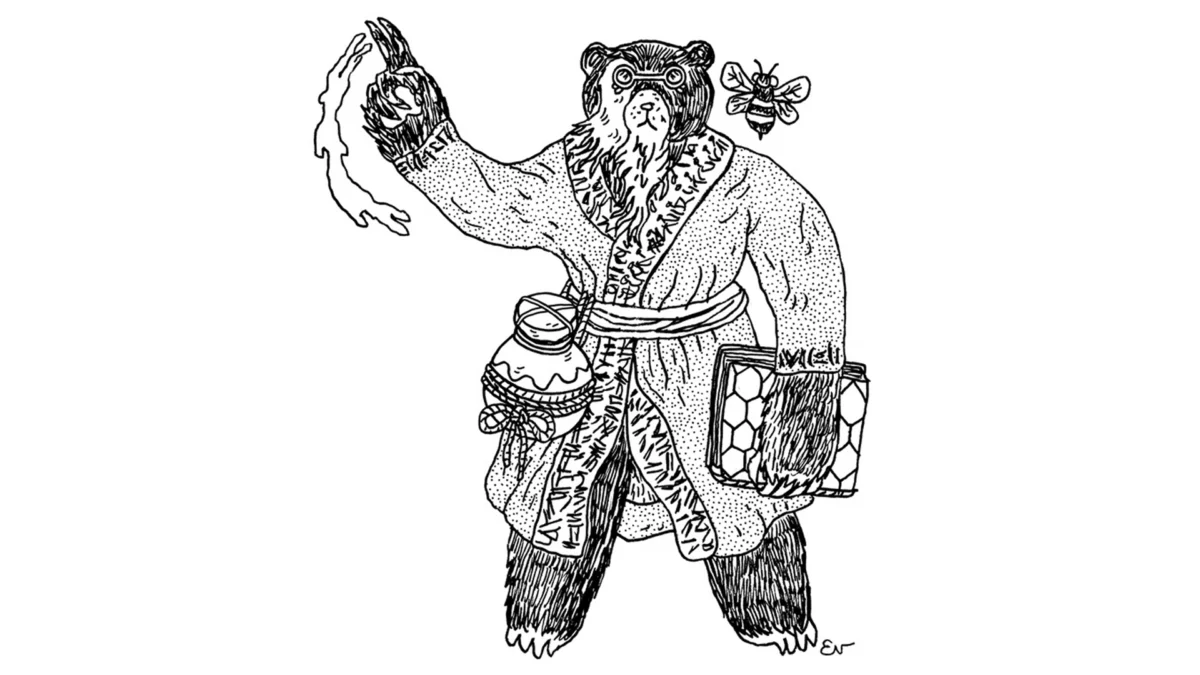
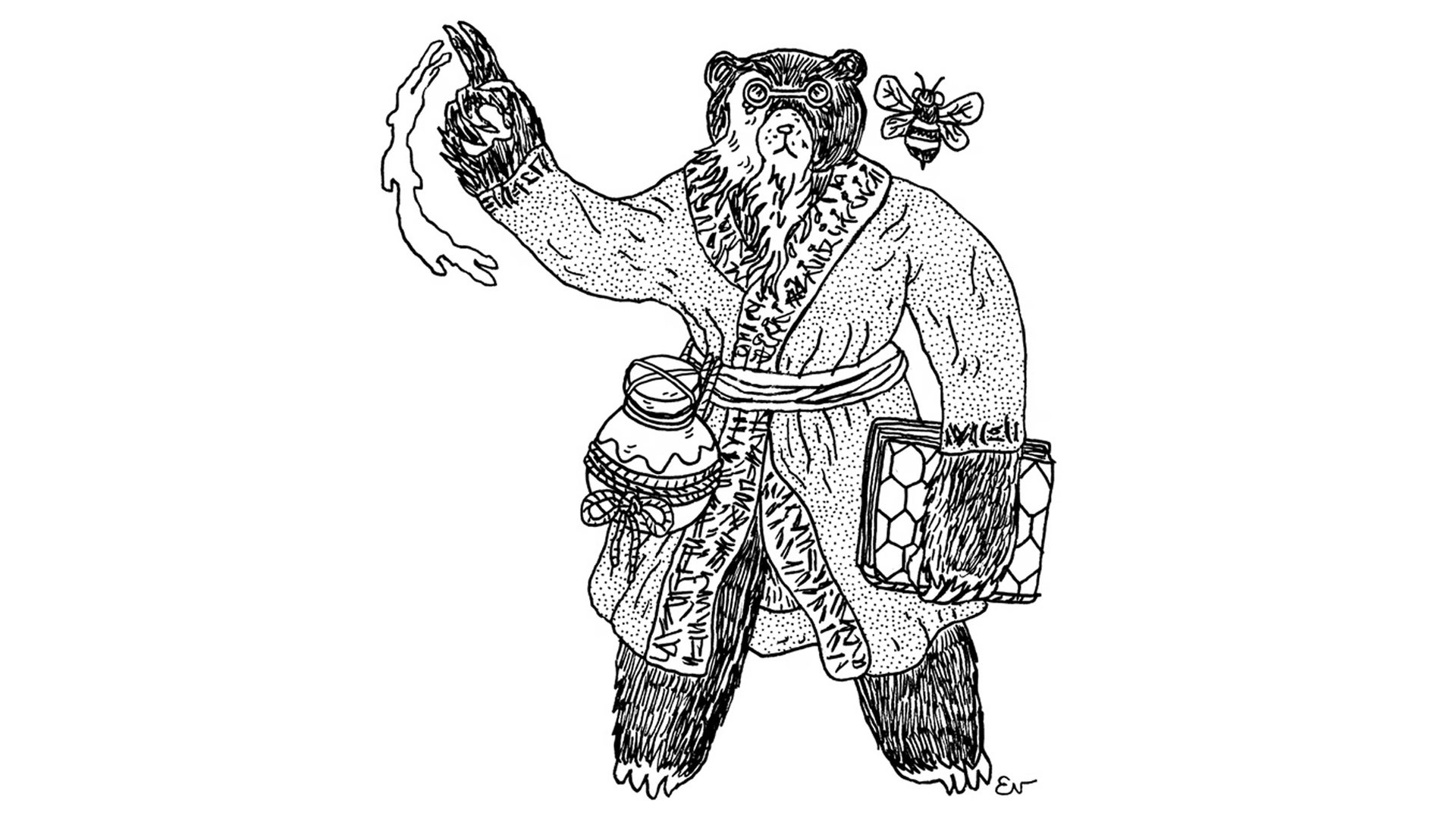
Artistic Collaboration: A crucial step in bringing "Hello Wizard" to life was securing the unique artistic style that would complement its comedic tone. Evlyn Moreau, an illustrator with a notable portfolio including work on RPGs like "Liminal High School," was brought on board. Moreau’s distinctive aesthetic, often characterized by its whimsical yet slightly off-kilter charm, proved to be a perfect match for the game’s blend of magic and absurdity. Her artwork helps define the game’s visual identity, translating the chaotic energy of the wizards into compelling imagery that captures both their power and their inherent clumsiness.
Crowdfunding Launch and Campaign: The decision was made to launch "Hello Wizard I Have a Problem" via Kickstarter, a platform that has become a vital lifeline for independent TRPG creators. The campaign launched with clear objectives, offering both digital and physical editions of the rulebook. The attractive price points – £8 ($10) for a physical copy and £4 ($5) for a PDF – were strategically chosen to appeal to a broad audience, from seasoned RPG enthusiasts to newcomers looking for an accessible entry point. The campaign quickly garnered attention, exceeding its initial funding goals and demonstrating a strong community appetite for games that prioritize fun, improvisation, and a good laugh.
Anticipated Release: The Kickstarter campaign is slated to conclude later this afternoon, marking the successful funding phase of the project. Backers who pledged for physical copies can anticipate receiving their rulebooks in June. For those who missed the campaign or prefer digital access, there is a strong possibility that "Hello Wizard I Have a Problem" will subsequently be made available on Sam Armstrong’s Itch.io page, ensuring wider accessibility for the gaming community. This post-Kickstarter availability aligns with common practices for indie developers, allowing continued distribution and fostering a growing player base.
Supporting Data: The Rise of Narrative-First, Rules-Lite RPGs
The success of "Hello Wizard I Have a Problem" on Kickstarter is not an isolated phenomenon but rather indicative of a broader trend within the tabletop roleplaying game industry. Over the past decade, there has been a significant surge in the popularity of narrative-first, rules-lite RPGs that prioritize storytelling, player agency, and emotional engagement over intricate combat systems or exhaustive world-building.
This shift can be attributed to several factors:
- Accessibility: Complex rulebooks and lengthy character creation processes can be daunting for new players. Games like "Hello Wizard," with their straightforward mechanics and quick setup, lower the barrier to entry, inviting a wider audience to experience the joys of collaborative storytelling.
- Focus on Experience: Modern players often seek unique narrative experiences and opportunities for creative expression. Rules-lite systems provide frameworks that encourage improvisation and player-driven narratives, rather than rigid adherence to predefined scenarios.
- Indie Renaissance: Digital distribution platforms and crowdfunding sites have empowered independent designers to bring innovative concepts to market without the need for traditional publishers. This has fostered a diverse ecosystem of games that experiment with mechanics, themes, and storytelling approaches.
- Demand for Lighter Fare: While epic fantasy and grimdark settings remain popular, there’s a growing appetite for games that offer comedic relief, absurd scenarios, or simply a more relaxed, "chill" gaming experience. "Hello Wizard" directly taps into this demand by offering a lighthearted, laughter-inducing premise.
- Influence of Actual Play: The rise of "actual play" podcasts and video series (where groups record and share their TRPG sessions) has exposed many to the improvisational and often hilarious nature of tabletop gaming. These shows often highlight the engaging narratives that emerge from rules-lite systems, further driving interest in such games.
Sam Armstrong’s previous works, such as "All Bastard" (a fantasy TRPG exploring the dynamics between bragging heroes and their defeated foes) and the horror-focused "Slasher," demonstrate his versatility and commitment to exploring diverse narrative structures within the TRPG medium. "All Bastard," in particular, shares "Hello Wizard’s" focus on player-driven conflict and character archetypes, albeit with a different tonal emphasis. These prior successes provide a solid foundation of design expertise and a track record of delivering engaging experiences, contributing to the confidence backers placed in "Hello Wizard I Have a Problem."
Furthermore, Evlyn Moreau’s artistic contributions are crucial supporting data. Her work on "Liminal High School" showcased her ability to blend the mundane with the fantastical, creating visuals that are both relatable and subtly unsettling. For "Hello Wizard," her art lends the game a distinct personality, ensuring that the visual presentation is as engaging and unique as the gameplay itself. The artwork is not merely illustrative; it actively contributes to the game’s comedic and fantastical atmosphere, setting the tone before a single die is rolled (or, in this case, a single spell is botched).
Official Responses: Voices from the Creative Core
While "Hello Wizard I Have a Problem" is an independent venture, insights from its creators serve as the closest equivalent to "official responses," shedding light on the design philosophy and aspirations behind the game.
Sam Armstrong, the designer, articulated his vision for the game’s unique blend of power and incompetence. "I wanted to create a game where players could truly embody the chaotic energy of magic, not just as a tool for success, but as a catalyst for utter, glorious failure," Armstrong stated in a recent interview. "There’s an inherent humor in powerful beings constantly tripping over their own arcane shoelaces. We’ve all seen the trope of the all-powerful wizard, but what about the one who accidentally turns their familiar into a teacup, or conjures a rain of sentient turnips instead of a fireball?"
He elaborated on the collaborative GM system, emphasizing its role in fostering shared creativity. "The rotating GM role, where everyone contributes to how a spell goes wrong, is central to the experience," Armstrong explained. "It’s not about one person dictating the narrative; it’s about a group brainstorming the most absurd, unexpected, and hilarious ways to derail each other’s magic. This system ensures that every player is invested in every scene, constantly looking for opportunities to inject more chaos and fun."
Regarding the "Problem Generator," Armstrong highlighted its design intent: "We poured a lot of effort into making the Problem Generator robust and endlessly surprising. The goal was to provide enough structure to spark creativity without ever feeling restrictive. With over 200,000 potential prompts, it ensures that even after dozens of sessions, you’ll still encounter fresh, bizarre challenges. It’s a comedic engine designed to keep the laughs coming."
Evlyn Moreau, the game’s illustrator, also shared her perspective on bringing the world of "Hello Wizard" to visual life. "My aim was to create artwork that perfectly captures the whimsical, slightly unhinged nature of these wizards," Moreau commented. "The designs needed to convey both their inherent magical power and their utter lack of practical application. There’s a fine line between menacing and magnificent, and I tried to push that line towards the comically pathetic without losing the charm. The characters are meant to be endearing in their incompetence, and the art strives to reflect that balance." Her unique style, often described as having a "story-book quality with a modern twist," allows the artwork to enhance the comedic elements without resorting to overt caricature, maintaining a sense of fantastical wonder even amidst the chaos.

Both creators expressed optimism about the game’s appeal. "We believe ‘Hello Wizard’ will resonate with players who love improv, collaborative storytelling, and a good laugh," Armstrong concluded. "It’s a game designed to be played with friends, to create memorable, ridiculous stories together, and to celebrate the beautiful messiness of magic gone wrong."
Implications: Reshaping Casual TRPG Experiences
The successful launch and anticipated release of "Hello Wizard I Have a Problem" carries several significant implications for the broader tabletop gaming landscape, particularly within the casual and narrative-focused segments.
Broadening Appeal: By embracing a comedic, rules-lite approach, "Hello Wizard" is well-positioned to attract both seasoned TRPG players looking for a refreshing, low-stress experience and newcomers who might be intimidated by more complex systems. Its immediate accessibility could serve as an excellent gateway game, introducing individuals to the joys of roleplaying without the steep learning curve often associated with the hobby. This broad appeal is crucial for the continued growth and diversification of the TRPG community.
Validation of Collaborative Storytelling: The game’s innovative rotating GM system further validates the increasing popularity of collaborative storytelling mechanics in TRPGs. Moving away from a single, authoritative GM, "Hello Wizard" empowers all players to actively shape the narrative, not just through their character’s actions, but through their collective input on magical failures. This approach fosters a stronger sense of shared ownership and reduces the burden on any single player, making the GM role less daunting and more inviting.
Niche for Absurdist Comedy: "Hello Wizard" carves out a distinct niche for absurdist comedy within the fantasy RPG genre. While humor has always been a component of many TRPG sessions, few games are designed from the ground up to center around it with such a specific, self-sabotaging mechanic. Its clear influences from Monty Python and "What We Do in the Shadows" suggest a deliberate move to cater to audiences who appreciate this particular brand of surreal, character-driven humor, potentially inspiring other designers to explore similar comedic avenues.
Sustainability for Indie Developers: The crowdfunding success of "Hello Wizard I Have a Problem" reinforces Kickstarter’s role as a vital platform for independent creators. It demonstrates that innovative, niche concepts can thrive outside traditional publishing models, provided they are well-conceived, clearly communicated, and resonate with a dedicated community. This empowers more designers like Sam Armstrong to pursue their unique visions, fostering a more diverse and experimental TRPG market. The potential subsequent availability on Itch.io further exemplifies sustainable distribution for indie titles, allowing projects to maintain momentum post-campaign.
Future of Casual Play: As lifestyles become busier, there’s a growing demand for games that can be picked up and played quickly, without extensive preparation or long-term commitment. "Hello Wizard’s" quick setup and scene-based structure align perfectly with this trend, making it an ideal choice for spontaneous game nights, convention play, or as a palate cleanser between longer campaigns. It highlights a future where TRPGs are not solely defined by epic campaigns, but also by short, impactful, and intensely fun one-shot experiences.
In conclusion, "Hello Wizard I Have a Problem" is more than just another tabletop RPG; it is a meticulously crafted comedic experience designed to bring laughter and shared narratives to the gaming table. Its innovative mechanics, accessible design, and clear artistic vision position it as a significant, albeit delightfully chaotic, addition to the burgeoning landscape of modern tabletop roleplaying games. As the final moments of its crowdfunding campaign tick down, the anticipation for this band of chaotic, incompetent wizards to wreak havoc on game nights worldwide is palpable.

Leave a Comment