
The Unfolding Tapestry of Age: Navigating the Paradox of Growing Up and Growing Old
The human journey, a profound dance between burgeoning consciousness and the inevitable march of time, presents a unique duality: the continuous process of "growing up" and the universal experience of "growing old." While these phases are intrinsically linked to our existence, the latter often poses a significant challenge to the former, particularly as the physical and cognitive landscapes shift. This exploration delves into the intricate interplay between our objective perception of the world and our subjective inner experience, examining how engagement with life’s evolving currents can profoundly influence our sense of vitality and continued growth, even in advanced years.
The Dual Pillars of Human Experience: Perception and Subjectivity
At the heart of human consciousness lie two fundamental abilities that define our engagement with the world: objective perception and subjective experience.
Objective Perception: The Five Senses as Windows to Reality
Our five senses – sight, sound, smell, taste, and touch – serve as the primary conduits through which we apprehend the physical realities of our surroundings. They provide us with the raw data of existence, allowing us to navigate our daily lives, understand immediate circumstances, and interact with the material world. From the vibrant hues of a sunset to the comforting aroma of brewing coffee, our senses ground us in the tangible present. This ability to objectively perceive the existential and physical nature of our environment is a cornerstone of our cognitive architecture. It allows for immediate assessment, adaptation, and survival. As we age, maintaining the acuity of these senses becomes a conscious effort for many, a desire to preserve the clarity of our connection to the external world.
Subjective Experience: The Inner Landscape of Meaning
Complementing objective perception is our subjective experience, a rich tapestry woven by the mind and brain. This internal realm encompasses the vast spectrum of feelings, thoughts, evaluations, and interpretations that imbue our perceived realities with meaning. It is through this subjective lens that we process emotions, form beliefs, make judgments, and construct our personal narratives. The intensity and range of these psychological experiences are what give depth and significance to the events unfolding around us. While our senses report the "what" of the world, our minds and brains interpret the "why" and the "how it matters." This internal processing is dynamic, constantly adapting and evolving as we encounter new information and experiences.
The Aging Paradox: Retreat from the Present, Embrace of the Past
As individuals navigate the latter stages of life, a discernible pattern often emerges. While many diligently strive to maintain or even sharpen their sensory perception – a testament to their desire to remain connected to the external world – a contrasting trend can manifest in their psychological engagement.
The Allure of Familiarity: Living in the Echoes of Yesterday
A significant number of aging individuals tend to withdraw psychologically from the ever-changing currents of daily life. The constant influx of new information, evolving societal values, and the need to adapt to novel circumstances can feel burdensome. Instead, there’s a natural inclination to retreat into the past, a realm that offers the comfort of familiarity and the ease of established understanding. The mental structures and emotional responses built over decades provide a stable framework, a sense of meaning that is readily accessible.
The Resistance to Change: A Friction Against the Evolving Mind
This psychological withdrawal is often accompanied by a resistance to the challenges posed by new mental attitudes and perspectives. The prospect of re-thinking deeply ingrained beliefs or re-feeling long-held emotions can be met with irritation or even apprehension. The mind, having established a comfortable and predictable architecture, can find the demand to modify or change these fixed structures to be an unwelcome disruption. This resistance can manifest as a clinging to past certainties, a reluctance to engage with contemporary ideas, or a dismissal of evolving social norms.
The Unseen Cost: Diminishing Consciousness and Weakened Will to Live
The implications of this psychological retreat from life’s ongoing processes are profound and often underestimated. By diminishing the expansive range of consciousness that nature’s aging routine might otherwise encourage, a subtle but significant consequence can arise: the unconscious weakening of the will to keep living.
The Erosion of Vitality: A Gradual Fading of Purpose
When individuals cease to engage with the evolving present, when the mental and emotional landscape becomes increasingly anchored in the past, the vital spark of life can begin to diminish. The inherent human drive for growth, for new experiences, and for continued learning, which fuels our sense of purpose, can become dormant. This isn’t a conscious decision to fade away, but rather a natural consequence of disengagement. The absence of novel stimuli and the lack of intellectual or emotional challenges can lead to a gradual erosion of vitality, a feeling of simply existing rather than truly living.
The Intertwined Nature of Mind and Body: A Holistic Decline
The adage, "Keep the Body in motion, and the Mind in action," encapsulates a fundamental truth about human well-being. The physical and mental aspects of our existence are deeply intertwined. When the mind withdraws and becomes stagnant, it can inadvertently impact the body’s propensity for activity. Conversely, a sedentary lifestyle can further contribute to mental inertia. This creates a cyclical decline where both physical and mental faculties can suffer, further diminishing the will to engage and thrive. The ideal, as the saying suggests, is to foster continuous growth, not simply to endure the process of aging.
Personal Reflections: A Glimpse into the Aging Psyche
The insights gleaned from observing and interacting with individuals as they navigate their later years offer poignant illustrations of these dynamics. A conversation in a local coffee house with an elderly gentleman of 75 years of age revealed a stark example of this psychological retreat.
The Resignation of the 75-Year-Old: "Just Growing Old"
The gentleman expressed a profound sense of resignation. He had, he stated, ceased to actively think about his daily existence and saw no point in dwelling on past events. His pronouncement, "I was now 75 years of age, an old man," carried a weight of finality. He admitted to having few opinions and felt he was simply "growing old, coasting to the end." This sentiment reflects a surrender to the perceived inevitability of decline, a passive acceptance of a life that has ceased to demand active participation. His perspective highlights the potential for a premature curtailment of engagement, a self-imposed narrative of ending rather than continued unfolding.
The Unwavering Quest: A 94-Year-Old’s Perspective
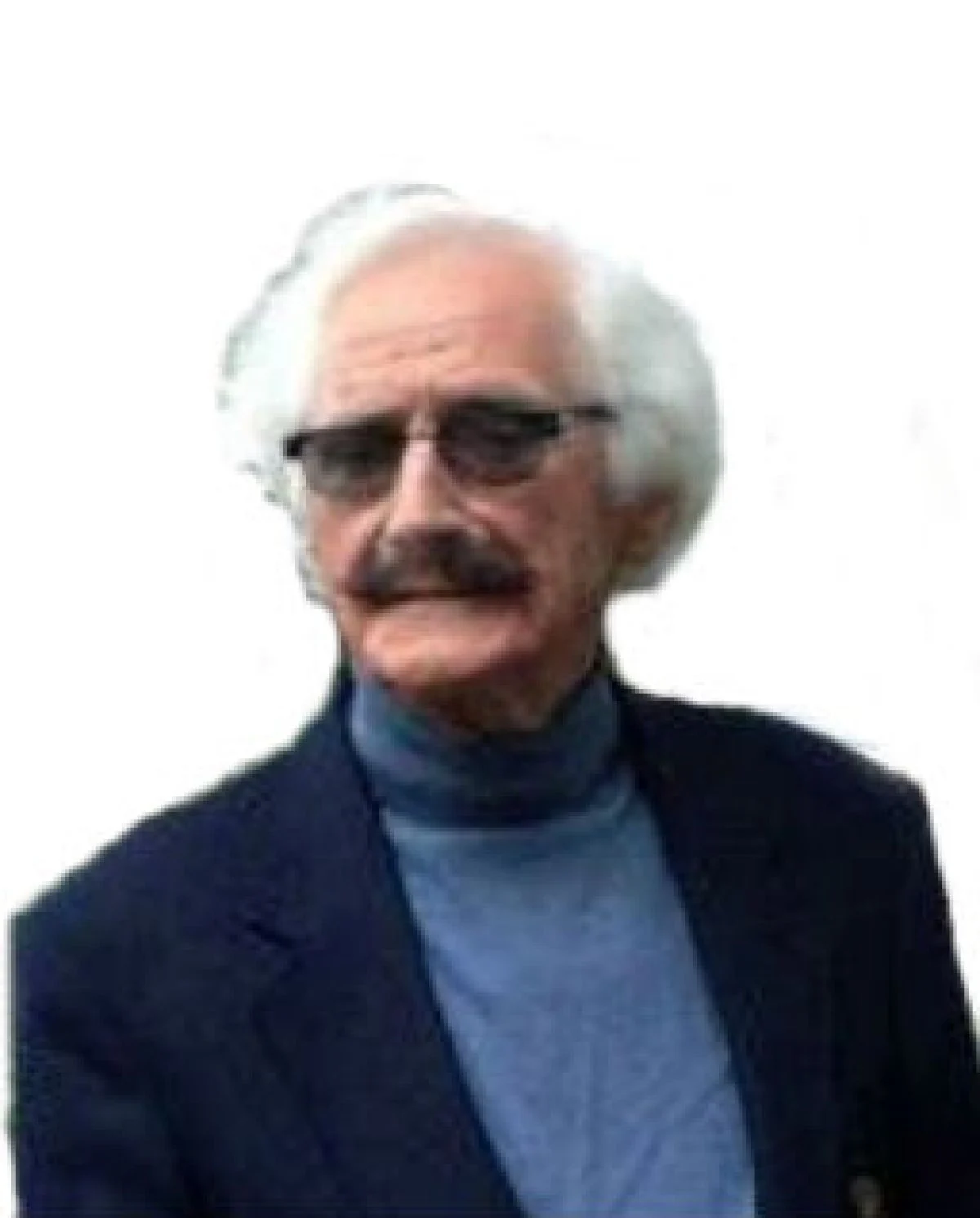
In contrast, the author’s own experience, marked by a 94th birthday, offers a powerful counterpoint. This perspective is rooted in a lifelong commitment to continuous intellectual and emotional engagement. The author articulates a persistent internal dialogue, a continuation of the fundamental human quest: "Why and wherefore, to what end?" This questioning, far from being a sign of distress, is presented as an indicator of a mind that remains alive and active. The author emphasizes the importance of staying physically active, actively avoiding the "armchair" of inertia. This deliberate choice to remain engaged, both mentally and physically, is presented as the catalyst for an intensified quest and a sustained drive for activity.
The Evolution of Consciousness: From 75 to 94
The author notes a significant difference in the intensity and frequency of these existential questions between the age of 75 and 94. This suggests that the active pursuit of understanding and meaning doesn’t necessarily diminish with age but can, in fact, intensify when nurtured by continued engagement. The process of "psychologically growing up" is presented not as a phase confined to youth, but as a lifelong endeavor, a continuous unfolding of consciousness that can persist and even deepen into advanced years.
Echoes of Wisdom: Timeless Reflections on Age
Throughout history, philosophers and thinkers have grappled with the nature of aging and its impact on the human psyche. Two profound quotations, separated by millennia, offer enduring perspectives on this complex phenomenon.
Plato’s Vision: The Calm Liberation of Age
Around 2,500 years ago, the Greek philosopher Plato offered a view of old age characterized by "a great sense of calm and freedom." He posited that when the "passions have relaxed their hold," individuals escape not just one master, but many. This perspective suggests that aging can bring a release from the turbulent desires and ambitions that often drive younger years, leading to a state of greater equanimity and self-possession. It highlights the potential for a profound inner peace and a liberation from the incessant demands of the ego.
Oscar Wilde’s Paradox: The Tragedy of Youth in Old Age
In stark contrast, Oscar Wilde, writing in the late 19th century, presented a more paradoxical view: "The tragedy of old age is not that one is old, but that one is young." This poignant statement speaks to a different kind of tragedy – the tragedy of a spirit that has not fully matured, of a consciousness that remains tethered to the superficialities and anxieties of youth even as the body ages. It implies that the true tragedy lies not in the physical decline but in the failure of the inner self to evolve, to gain wisdom, and to transcend the limitations of a youthful mindset. This perspective underscores the importance of continued personal growth and the development of a mature inner life, regardless of chronological age.
Conclusion: Embracing the Continuum of Growth
The journey from childhood to old age is a continuous spectrum of human experience. While the physical realities of aging are undeniable, the psychological and emotional engagement with life remains a potent force in shaping our quality of existence. The tendency to retreat into the past, while understandable, can inadvertently diminish our vitality and weaken our will to live. Conversely, embracing the ongoing processes of life, maintaining an active mind and body, and fostering a spirit of continuous questioning and learning can lead to a richer, more meaningful, and ultimately more fulfilling experience of aging. The wisdom of ages, from Plato’s calm liberation to Wilde’s poignant paradox, reminds us that the true measure of our years lies not just in the passage of time, but in the enduring capacity of our consciousness to grow, to adapt, and to find meaning in the unfolding tapestry of life. The aspiration, therefore, is not merely to grow old, but to continue the profound and lifelong process of growing up.

Leave a Comment