
Escaping the Digital Echo: Blake Masi’s "Camp" Explores Human Imprint in Designed Environments
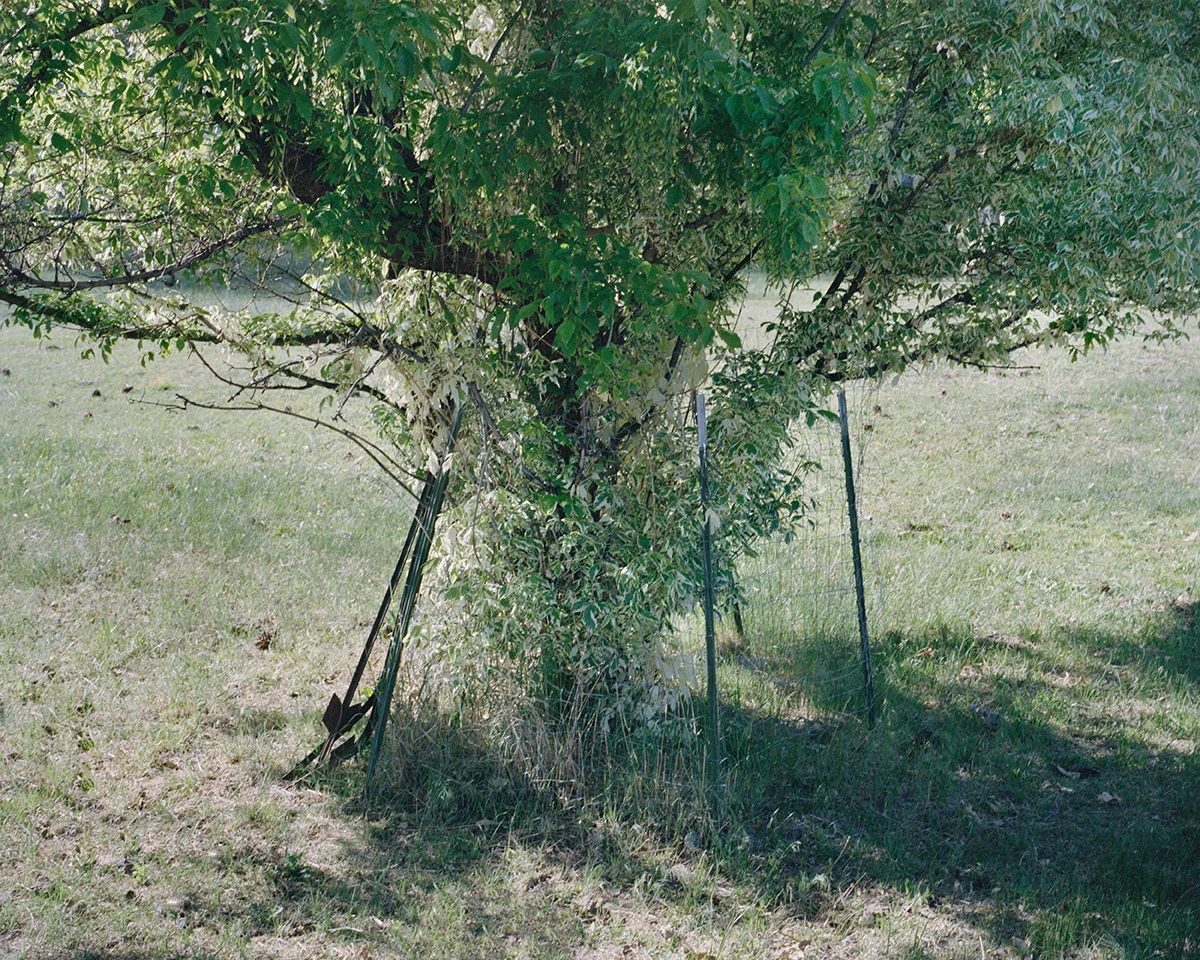
San Francisco, CA – In an era saturated with digital immediacy and constant connectivity, photographer, artist, and educator Blake Masi is drawing attention to the tangible traces we leave behind in the physical world. His ongoing project, "Camp," a series of evocative photographs captured over two summers in California’s Northern Sierra region, offers a profound meditation on how human systems shape environments and, in turn, how these spaces reflect the psychological and cultural underpinnings of a post-digital generation. Currently based in the vibrant San Francisco Bay Area, Masi’s artistic practice is deeply rooted in examining the interplay between human design, nature, and the individual’s experience within these constructed landscapes.
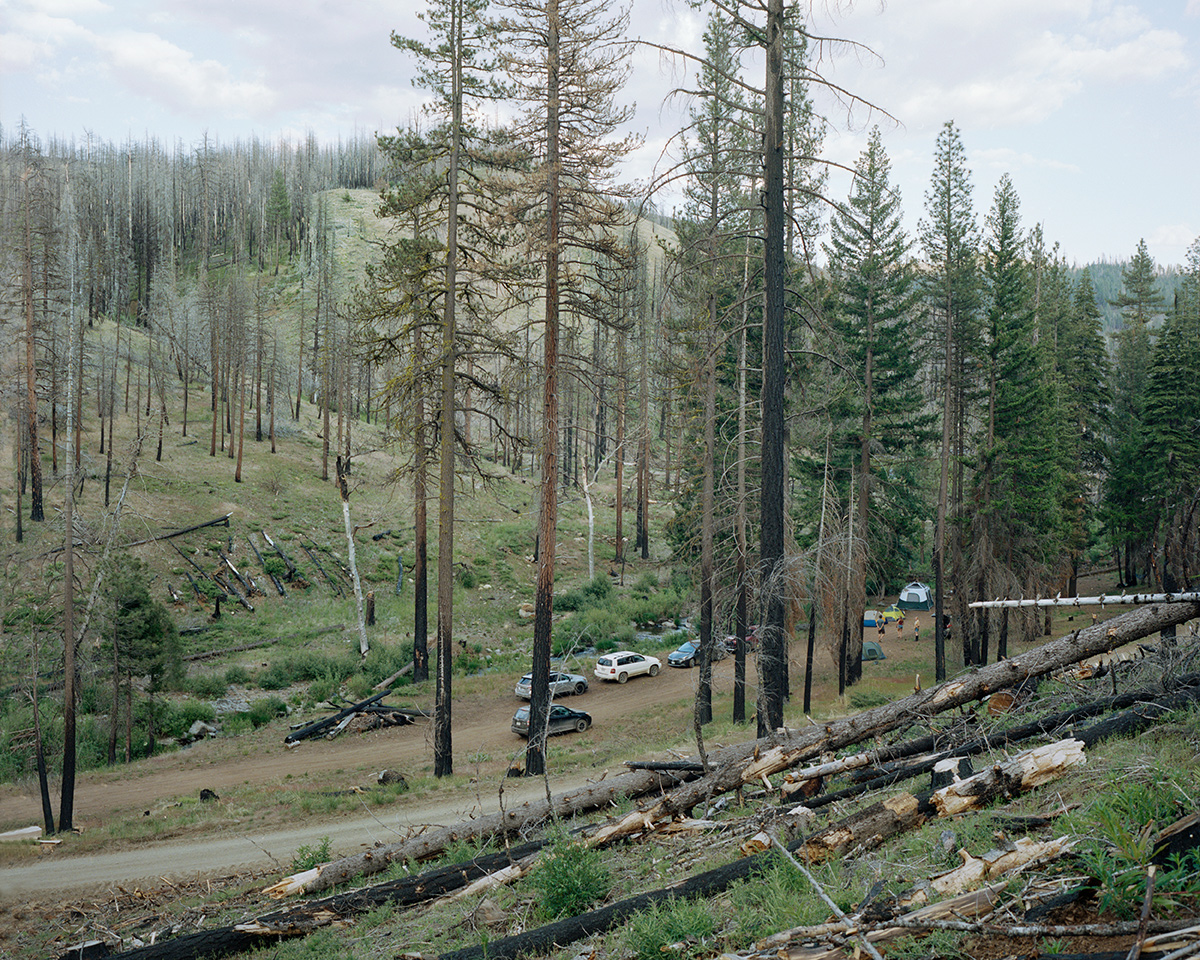
The "Camp" project is not merely a documentation of a summer retreat; it is a nuanced exploration of intentional human intervention within a seemingly wild setting. Masi meticulously captures the subtle yet significant ways that cabins, meticulously built amongst towering trees, and trails, deliberately cut into the earth, alter the natural fabric of the Northern Sierra. This deliberate construction, however, is not presented as an imposition, but rather as a framework for a unique way of life. The daily existence at this camp is deliberately structured around shared labor and communal routines, a stark contrast to the individualized and often solitary digital lives many lead. Crucially, the prohibition of mobile phones creates a palpable sense of temporal displacement, allowing participants to exist, if only temporarily, outside the relentless churn of contemporary time.
The Art of Imprint: Masi’s Philosophical Framework
Blake Masi articulates his artistic intentions with a clear and compelling vision: "These photographs consider how individuals inhabit designed environments and leave traces of themselves within them," he states. "At the camp, daily routines including play, labor, and interpersonal relationships mark the space, just as the structure of the place shapes those who move through it. The camp becomes a temporary world built through collective participation, where human psychology impresses itself upon the landscape. In this setting, the tension between the artificial and the natural is negotiated and lived each day."
This statement reveals the core of Masi’s inquiry. He is not simply observing; he is actively investigating the reciprocal relationship between people and their surroundings. The "designed environments" he refers to are not limited to grand architectural feats but encompass the deliberate organization of space, the creation of pathways, and the establishment of daily rhythms. The camp, with its cabins and trails, represents a microcosm of this phenomenon. Masi’s lens focuses on the subtle yet profound ways in which human presence leaves an indelible mark.
The concept of "traces" is central to his work. These are not necessarily overt declarations of ownership or grand monuments, but the quiet imprints of everyday life. A worn path, the arrangement of communal tools, the lingering scent of campfire smoke, the echoes of laughter in the dining hall – these are the subtle signatures of human activity. Masi’s photographs aim to capture these ephemeral traces, transforming them into visual narratives that speak to shared experiences and collective memory.
Furthermore, Masi’s exploration delves into the psychological dimensions of inhabiting designed spaces. He suggests that these environments actively shape the individuals within them, influencing their behaviors, their interactions, and their very perception of reality. The structured routines of the camp, the absence of digital distractions, and the emphasis on communal living create a unique psychological landscape. Within this context, Masi posits that human psychology, in its various manifestations – joy, frustration, connection, solitude – "impresses itself upon the landscape." The physical environment becomes a canvas upon which the internal lives of individuals are, in a sense, projected and imprinted.
The project’s most compelling tension, as identified by Masi, lies in the negotiation and daily lived experience of the "artificial and the natural." The camp, by its very definition, exists at this intersection. It is an intentional human construct placed within a natural setting. Masi’s photographs capture this delicate balance, highlighting how the presence of human design does not necessarily negate the power of the natural world, but rather creates a new dynamic between them. The cabins nestled amongst trees, the trails winding through the wilderness – these elements demonstrate a conscious effort to integrate human needs with the existing environment, fostering a continuous dialogue between the built and the organic.
Chronology of Connection: Two Summers of Observation
The genesis of Blake Masi’s "Camp" project lies in his personal experience and his subsequent artistic contemplation. Over the course of two distinct summers, Masi immersed himself in the life of a camp nestled within the Northern Sierra region. This period was not merely a passive observation; it was an active engagement with the community and the environment.
Summer One: Immersion and Initial Impressions
The first summer served as a period of deep immersion. Masi, as both a participant and an observer, began to document the initial impressions of the camp. His early photographs likely focused on establishing the visual language of the project, capturing the architectural elements of the cabins, the pathways carved through the landscape, and the everyday activities of the campers. This phase would have been crucial in understanding the foundational structures of the camp and the initial ways in which individuals interacted with these designed spaces. The absence of digital devices would have been immediately apparent, setting a tone of focused engagement with the immediate surroundings and the people present. Masi would have been observing how the absence of external digital stimuli redirected attention inwards and towards the communal experience.
Summer Two: Deepening the Inquiry and Tracing the Imprints
The second summer allowed for a more profound and sustained inquiry. Having established a baseline understanding of the camp’s dynamics, Masi was able to delve deeper into the nuances of human imprint. His focus would have shifted towards capturing the subtle traces of daily life – the wear and tear on communal spaces, the evidence of shared labor, the visual cues of interpersonal relationships. This phase likely involved a more deliberate exploration of the psychological impact of the camp’s environment. He would have been observing how the established routines, the shared responsibilities, and the enforced disconnection from the digital world fostered particular forms of psychological engagement and expression. The photographs from this period would likely exhibit a greater sophistication in capturing the interplay between human psychology and the physical landscape, illustrating how the environment becomes a repository of collective experience.
Throughout these two summers, Masi’s methodology would have evolved. Initially, he might have focused on broader contextual shots, establishing the setting and the overall atmosphere. As his understanding deepened, his photographic approach would likely have become more intimate, focusing on specific details, gestures, and interactions that exemplified the project’s core themes. The progression from initial observation to a more analytical and thematic exploration is inherent in the development of such a long-term artistic project.
Supporting Data: The Power of the Analog Experience
While Masi’s work is primarily visual, it is underpinned by a growing body of research and discourse surrounding the impact of digital technology on human psychology and social interaction. The "Camp" project can be seen as a tangible, artistic response to these broader societal trends.
The Digital Deluge and Attention Deficits: The proliferation of smartphones and constant internet access has been linked to a decline in sustained attention spans and an increase in superficial engagement with information. The camp’s "no phones" policy directly counteracts this, forcing a return to focused, present-moment awareness. This intentional disconnection allows for deeper engagement with the physical world and with interpersonal relationships, fostering a more profound sense of connection.
The Rise of Digital Isolation: Despite being more connected than ever in a digital sense, many individuals report feelings of loneliness and isolation. The communal routines and shared labor at the camp directly address this by promoting a strong sense of belonging and shared purpose. The physical proximity and reliance on one another create a palpable sense of community that can be difficult to replicate in purely digital interactions.
The Human Need for Tangible Experience: There is a growing appreciation for "analog" experiences – activities that involve physical engagement and sensory richness. This includes everything from letter writing and vinyl records to handcrafted goods and, in this case, a digitally disconnected communal living experience. Masi’s photographs tap into this yearning for tangible interaction and the satisfaction of experiencing the world through direct, unmediated engagement. The "traces" he captures are the physical manifestations of such engagement.
The Psychological Impact of Designed Environments: Research in environmental psychology highlights how our surroundings significantly influence our mood, behavior, and cognitive processes. Masi’s work aligns with this by demonstrating how a thoughtfully designed environment, even one as seemingly simple as a summer camp, can foster specific psychological states and social dynamics. The structured nature of the camp, the integration with nature, and the emphasis on communal living create a unique psychological milieu.
The Post-Digital Generation: Masi’s focus on the "post-digital generation" is particularly relevant. This generation has grown up with the internet and digital technology as ubiquitous elements of their lives. Their experiences and perceptions are shaped by this digital saturation. "Camp" offers a space for this generation to engage with a different mode of existence, one that prioritizes physical presence, tangible interaction, and a slower, more deliberate pace of life. The project serves as a visual counterpoint to their digitally native experiences, prompting reflection on what might be gained by stepping away from the constant influx of digital information.
Official Responses and Artistic Recognition
Blake Masi’s "Camp" project has garnered attention within the contemporary art world, signifying its relevance and impact. The inclusion of his work in publications and collections dedicated to showcasing emerging and significant artistic voices underscores its critical reception.
Booooooom’s "Array 4": A Platform for Emerging Talent
Blake Masi is featured in Array 4, a significant publication that highlights the work of contemporary artists. Boooooooom, a highly respected platform for contemporary art, photography, and culture, has consistently championed artists who are pushing creative boundaries and engaging with timely themes. The inclusion in Array 4 serves as a crucial form of validation, placing Masi’s "Camp" project within a broader artistic discourse and introducing it to a dedicated audience of art enthusiasts, collectors, and curators. This inclusion signifies that Masi’s exploration of human imprint, designed environments, and the post-digital condition is resonating with those at the forefront of art criticism and curation.
Booooooom’s Photo Awards and Book Collections: Continued Engagement
Booooooom’s ongoing commitment to photographic talent, exemplified by their "2025 Photo Awards" and "Tomorrow’s Talent" book series, further contextualizes Masi’s work. While specific details of Masi’s direct participation in these particular initiatives are not explicitly stated within the provided text, Boooooooom’s consistent focus on showcasing diverse and impactful photographic projects indicates a likely ongoing engagement with artists like Masi. Their "Secret Email Club" also suggests a proactive approach to disseminating artistic discoveries and fostering a community around new work. The presence of these related Boooooooom initiatives highlights a consistent ecosystem that supports and promotes photographers whose work addresses contemporary issues through compelling visual narratives.
The recognition from platforms like Boooooooom is not merely about exposure; it is about critical engagement. It signifies that Masi’s artistic vision, his technical skill, and his thematic concerns are being acknowledged as significant contributions to the field of contemporary photography. These endorsements act as official responses from the art world, indicating that his exploration of the human condition within designed landscapes is both timely and artistically relevant.

Implications: Redefining Our Relationship with Space and Self
Blake Masi’s "Camp" project carries significant implications for how we understand our relationship with designed environments and, by extension, with ourselves. The photographs offer a potent visual argument for a more mindful and intentional engagement with the spaces we inhabit.
Reclaiming Presence in a Distracted World: The most immediate implication of Masi’s work is its call to reclaim our presence. In an age where attention is constantly fragmented by digital stimuli, "Camp" demonstrates the profound benefits of deliberate disconnection. By creating a space where phones are not permitted, Masi illustrates how removing these distractions can foster deeper connections with ourselves, with others, and with the physical world. The photographs serve as a reminder that true engagement often requires a slowing down and a conscious effort to be fully present.
The Enduring Power of Communal Experience: The project highlights the fundamental human need for community and shared experience. The structured routines of labor and leisure at the camp create a sense of belonging and mutual reliance that can be profoundly fulfilling. In an increasingly individualized society, "Camp" suggests that fostering environments that encourage collective participation and shared responsibility is crucial for individual and societal well-being. The "traces" left by individuals are not just their own; they are the collective imprints of a shared human endeavor.
Rethinking Our Imprint on the Environment: Masi’s work prompts a critical examination of how we interact with and shape our environment. The camp, while a deliberate human intervention, is presented as a space where the artificial and the natural are negotiated, rather than in outright conflict. This suggests a possibility for more harmonious integration between human design and the natural world. It encourages us to consider the long-term impact of our interventions and to strive for designs that are not only functional but also respectful of the ecosystems in which they are placed. The photographs serve as a visual case study in how human systems can coexist with, and even enhance, the natural landscape.
The Psychological Landscape of Designed Spaces: The project underscores the profound psychological impact of our surroundings. The camp’s design, its routines, and its social dynamics create a unique psychological environment that shapes the experiences of those within it. This has implications for how we design our homes, our workplaces, and our public spaces, suggesting that a deeper understanding of human psychology should inform architectural and urban planning decisions. Masi’s work implies that the environments we create are not just physical structures but also powerful forces that mold our inner lives.
Ultimately, Blake Masi’s "Camp" is more than just a collection of beautiful photographs. It is a timely and insightful commentary on the human condition in the 21st century. Through his art, Masi invites us to pause, to reflect, and to consider the profound ways in which our designed environments shape our lives, and how, in turn, we leave our indelible marks upon them. The project serves as a compelling invitation to re-evaluate our relationship with technology, with community, and with the very fabric of the world around us.

Leave a Comment