
Embracing the Everyday: Why Folklore is More Relevant Than Ever
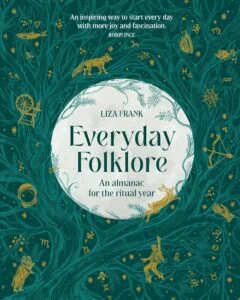
LONDON, UK – Folklore, often relegated to the dusty shelves of academic study or dismissed as quaint relics of a bygone era, is experiencing a quiet resurgence. Far from being mere "flim flam" or obscure historical footnotes, traditions, rituals, and customs are, in fact, integral to our daily lives, subtly shaping our routines, marking the passage of time, and offering profound opportunities for connection and meaning. This is the compelling argument put forth by author Liza Frank, whose new book, Everyday Folklore: An Almanac for the Ritual Year, challenges readers to actively engage with the rich tapestry of folklore woven into modern existence.
Frank’s work posits that the enduring power of folklore lies in its ubiquity, influencing everything from the way we brew our morning tea to the unspoken rules governing social interactions. In a world increasingly dominated by digital distractions and a relentless pace, a conscious embrace of these ancient and modern traditions can offer a grounding presence, fostering mindfulness, community, and a deeper appreciation for the cycles of life.
The Unseen Threads: Redefining Folklore
For many, the term "folklore" conjures images of fantastical tales, mythical creatures, or peculiar historical events – think of the antler-wearing men of Abbotts Bromley or the curious practice of wart charming. It might evoke childhood bedtime stories, plot devices in fantasy novels, or the commercialized trappings of fandoms. Yet, Frank argues this perception is overly narrow, obscuring the vast majority of folklore that permeates our contemporary world.
"Folklore is all around us; the rituals, traditions and customs that remind us how to live our lives even down to making a brew," Frank explains, echoing academic definitions that highlight folklore as the unwritten rules and shared understandings of a group. From the universally observed practices surrounding Christmas trees and birthday cards to the regional debate over spreading jam before or after cream on a scone, these seemingly minor acts are powerful expressions of cultural continuity and personal identity. Even those who claim not to think about folklore at all are, unwittingly, participants in its ongoing evolution.
Frank’s new almanac serves as a practical guide for those seeking to move beyond passive observation and actively integrate folklore into their lives. Targeted at individuals with even a passing interest, the book offers a "call to action," urging a conscious adoption of folkloric practices. Her philosophy is simple yet profound: "feel the folklore fear and do it anyway."
A Year of Immersion: The Genesis of Everyday Folklore
The inspiration for Everyday Folklore stemmed directly from Frank’s personal journey, an immersive project she undertook between St Distaff’s Day in 2020 and Twelfth Night in 2021. During this period, Frank committed to practicing a different ritual year folklore every single day. This intensive, year-long engagement transformed her understanding of folklore, moving it from an academic concept to a lived experience.
This chronological dedication to the ritual year – a framework that maps customs and traditions across the calendar – became the backbone of her book. By diligently observing and participating in practices tied to specific dates, months, and seasons, Frank discovered the profound impact these small acts had on her perception of time, her connection to her environment, and her overall well-being. Her "Everyday Lore Project" was not just a research endeavor; it was a testament to the transformative power of active engagement with cultural heritage.
The Five Pillars of Folkloric Living: Why You Should Dive In
Frank distills her extensive experience into five compelling reasons why everyone should consciously incorporate a little bit of folklore into their life. These points serve as powerful motivators, illustrating the tangible benefits that extend far beyond mere curiosity.
1. Slowing Down and Cultivating Presence
In an era defined by speed and constant connectivity, the ability to slow down and be truly present is a precious commodity. While folklore may not possess the power to stop time – though one could argue there’s likely a charm for that somewhere – engaging with the ritual year offers a potent antidote to the relentless march of modern life.
Frank observes that it’s all too easy for days to blur into weeks, and weeks into months, leaving us lamenting how quickly the year has passed. By participating in practices intrinsically linked to specific dates, seasons, or natural phenomena, individuals can anchor themselves in the present moment. Wassailing in January, for instance, transforms the act of predicting the apple harvest into a personal stake, fostering a deeper connection to agricultural cycles and the local environment. Counting fogs in August, in anticipation of winter snowfalls, turns a mundane meteorological observation into a playful prediction, encouraging a heightened awareness of the changing seasons.
Beyond grand ceremonies, even subtle observations like watching hedgerows transition from barren branches to budding life, then to lush fecundity, and back again to sparseness, can instill a sense of rhythm and presence. This deliberate engagement with the natural world and its cycles forces a slower pace, opening the individual to a greater sense of wonder and possibility, countering the pervasive feeling that life is rushing by. This practice aligns with broader mindfulness principles, demonstrating how traditional customs can serve as practical tools for contemporary well-being.
2. Unleashing the Power of Celebration
Life’s calendar is already dotted with birthdays, anniversaries, religious festivals, and secular holidays. However, Frank argues that the ritual year offers an almost endless capacity for additional celebrations, injecting more joy and festivity into our lives. There are days dedicated to nearly everything imaginable, providing ample excuses to pause, reflect, and rejoice.
Want to honor nature? The calendar offers multiple days to celebrate trees. Curious about the human body? Entire festivals are dedicated to "innies and outies" – belly buttons – in June and July. For those who appreciate a good drink, specific dates honor wine (August 19), gin (the second Saturday of June), and rum (July 31). Beyond these, the ritual year embraces pop culture with Back to the Future Day, Star Trek Day, and the ubiquitous Star Wars Day ("May the Fourth be with you").
The beauty of folkloric celebration also lies in its capacity to mark the absence of events, such as when it doesn’t rain on St Swithin’s Day, transforming an ordinary meteorological outcome into a cause for cheerful observance. Moreover, the completion of certain folkloric tasks, like counting seven stars on seven consecutive nights to have a wish granted, can bring a profound sense of accomplishment and giddy delight. This emphasis on finding reasons to celebrate, both grand and small, provides a powerful antidote to monotony and fosters a more optimistic outlook on the passage of time.
3. Staving Off Boredom and Ennui with Purposeful Engagement
One of folklore’s most practical benefits, according to Frank, is its immense potential to combat boredom and ennui. It transforms passive existence into active participation, offering a wealth of creative, culinary, and even daring activities to fill one’s days.
Consider the humble leftover Christmas cake. Rather than letting it languish, one could emulate the spirited residents of Manitou Springs, Colorado, and stage a personal "Great Fruitcake Toss" in January. The ritual year provides numerous opportunities for culinary adventure, from recreating obscure recipes like "Heg Peg Dumps" or "knotting-sowins" to simply baking a large batch of scones for National Cream Tea Day. (Though Frank humorously advises caution with "plum duffs," especially when experimenting with vegetarian suet and beloved tea towels).
For those with a penchant for performance or costume, folklore offers myriad outlets. Imagine becoming the King for a weekend at the Porthcawl Elvis Festival in September, or donning a badger costume to celebrate St Piran’s Day in March. Adrenaline junkies are not left out, with challenges like running down Cooper’s Hill after a wheel of cheese in May, or participating in the Dorking Wife Carrying Race in March. As Frank discovered during her "year of living folklorishly," there is always something to do, no matter how unusual, even if it’s "just conducting an exorcism at midnight by spitting black beans and walking backwards." These activities transform leisure time into meaningful, often hilarious, engagement with cultural practices.
4. Unearthing Curiosities and Winning Pub Quizzes
Folklore is a treasure trove of the weird, wonderful, and utterly unexpected, making it an excellent resource for expanding one’s general knowledge and, perhaps, even dominating a pub quiz night. The depth and breadth of folkloric trivia are astonishing, connecting seemingly disparate facts in fascinating ways.
For instance, did you know that certain orb-weaving spiders reportedly prefer classical music to techno? This intriguing detail, backed by research, means that an uptick in spiders in your home around March might suggest a change in your playlist could be in order (and keep an umbrella handy, as indoor spiders in March are said to augur rain). Or consider the unique pre-launch ritual of Baikonur cosmonauts since the early 1970s: watching The White Sun of the Desert, a 1970 Russian Civil War comedy, for good luck before their space missions. This demonstrates the enduring power of ritual even in the most technologically advanced fields.
Further examples abound, such as the dual reputation of bats: both as messengers of the Devil in some traditions and as crucial pollinators of agave plants. Without these winged wonders, our Margaritas would likely be replaced by Manhattans. Once one embarks down the "folklore rabbit hole," the discoveries are endless, offering not only intellectual stimulation but also a rich understanding of the intricate, often surprising, connections within our cultural and natural worlds. These nuggets of information aren’t just for quizzes; they enrich our understanding of human ingenuity and belief.
5. Crafting Personal Narratives and Unforgettable Tales
Ultimately, engaging with folklore provides a fertile ground for cultivating personal stories and unique anecdotes. Some folkloric practices are inherently "bonkers," as Frank charmingly puts it, and embracing them leads to experiences that are ripe for retelling. (Frank clarifies that this observation is not to invalidate anyone’s beliefs; indeed, she considers anyone stalking a Leicestershire churchyard on June 1st to see if St Wistan’s hair sprouts amongst the headstones to be "her kind of people").
The more one immerses themselves in folklore, the more unusual and memorable stories they acquire. Imagine recounting the time you swore you caught a whiff of demonic sulphur while a-nutting in the woods in September, or confidently asserting how a cabbage leaf miraculously reduced a boil on your neck. Perhaps most romantically, one might share the tale of seeing their one true love – in Frank’s case, a vision of Mark Hamill – after slipping a sprig of rosemary and a crooked sixpence under their pillow on St Luke’s Eve. These experiences, whether mystical or mundane, become personal touchstones, weaving individual lives into the broader tapestry of human tradition.
However, Frank offers a humorous word of caution: while detecting no vampire activity in your gardening implements might be impressive to you, such an anecdote might be best saved for a second date. The point, nonetheless, is clear: folklore provides rich material for personal narrative, fostering a sense of adventure and a connection to the enduring human desire for storytelling.
Broader Implications: Folklore as a Vital Cultural Force
Beyond the individual benefits, the conscious embrace of folklore carries broader implications for society. In an increasingly globalized and homogenized world, local traditions and customs serve as vital anchors of cultural identity. They connect individuals to their communities, their history, and the natural environment in ways that modern life often neglects.
Sociologists and cultural anthropologists frequently highlight the role of rituals in reinforcing social bonds, transmitting values, and providing psychological comfort in times of uncertainty. Folklore, in this sense, is not just entertainment or superstition; it is a fundamental mechanism for human flourishing. It allows us to participate in something larger than ourselves, offering a sense of continuity and belonging that is crucial for mental and emotional well-being.
The decline of certain folkloric practices often correlates with a loss of communal cohesion and a disconnection from natural rhythms. By advocating for their re-engagement, Frank champions a re-enchantment of the everyday, urging a return to practices that foster mindfulness, joy, creativity, and a rich narrative life. Her work subtly argues for the preservation of intangible cultural heritage not as a museum piece, but as a living, breathing force that continues to shape and enrich contemporary existence.
A New Year, A New Approach: Your Call to Folkloric Action
As the year draws to a close, and thoughts turn to resolutions, Frank’s message resonates strongly. She urges readers to make a conscious commitment to adding a bit of folklore into their lives in the coming year. This isn’t about rigid adherence to ancient rules, but rather about cultivating curiosity, trying new things, making new traditions, and challenging oneself to see the world through a more traditional, yet vibrant, lens.
While January 19th is often cited as the day when New Year’s resolutions are most likely to falter, Frank offers a comforting perspective: the ritual year itself is replete with multiple "New Year’s Days." This cyclical understanding of time means that opportunities for a fresh start, a renewed commitment, or a simple "do-over" are always just around the corner.
Everyday Folklore: An Almanac for the Ritual Year is more than just a guide; it’s an invitation to rediscover the magic in the mundane, to slow down and truly live, and to become an active participant in the timeless dance of human tradition. It reminds us that the extraordinary often lies hidden in the ordinary, waiting to be uncovered, celebrated, and shared.
Everyday Folklore: An almanac for the ritual year by Liza Frank is available now.


Leave a Comment